Is free education really free or are there hidden costs
Okay, so our government is making noises about “free education” for everyone up to university level. On the surface, it sounds amazing, right? No more student debt! But I’m a bit cynical. I’m from a low-income background and, frankly, things that sound too good to be true usually are too good to be true.
Specifically, I’m wondering what “free” actually means. Does it cover everything? What about:
-
- Textbooks and other materials? Are we talking about mandatory things that cost a fortune each semester? Will the government provide those or will we still have to shell out hundreds of dollars per class?
-
- Technology? I’m assuming online learning will still be a big part of things. Will there be help for students who can’t afford laptops or reliable internet access? Or are we just expected to struggle?
-
- Living expenses? Obviously, “free education” probably doesn’t mean “free housing and food.” But what about students from rural areas who might have to relocate closer to a university and face huge costs for rent? Will there be any support for that?
-
- Application fees and exam costs? Does this include the costs of applying to universities and taking any necessary entrance exams? Those things can add up!
-
- Indirect costs related to lost income? If I’m studying, I can’t work as many hours. How do they expect people from low-income families to support themselves?
Basically, I want to know if “free education” is actually accessible to everyone, regardless of their background, or if it’s just a headline that will leave many of us struggling with a different set of hidden costs. I’m trying to figure out if this is actually a good thing, or just a political stunt that benefits the middle class more than those who really need it. What are your thoughts? Does anyone have any experience with “free” education systems elsewhere?
Answer
The concept of free education generally means that no direct payment is made to schools or educational institutions. However, even education advertised as “free” can have various hidden costs for students and families. These costs can vary depending on the country where free education is offered, the level of education (elementary, middle, high school, university), the type of educational program, and the student’s socioeconomic status.
Here are some of the potential hidden costs of free education:
School Materials: Basic school materials such as textbooks, notebooks, pencils, rulers, calculators, and laboratory supplies are generally not free and must be paid by the student or their family. In particular, stationery and supplementary books provided by private schools can be costly.
School Uniforms and Uniforms: School uniforms are mandatory in many schools, especially at the middle and high school levels. The cost of uniforms can be a significant burden on family budgets. Additionally, some schools may require special clothing for physical education classes.
Transportation: Transportation costs to and from school (bus tickets, shuttle fees, and private transportation) are a significant expense. Transportation costs can increase, especially for students in rural areas or those who must attend schools far from the city center.
Meals: If lunch is not provided free at school, the student’s meal expenses must also be covered by the family. While bringing food from home is an option, this also requires the cost of supplies. Additionally, some schools encourage students to purchase food and drinks from the cafeteria or school buffet, which can lead to additional expenses.
Supplementary Lessons and Courses: Supplementary lessons or special courses may be necessary for students who want to succeed or complete their academic needs. Hiring tutors or private tutors can be a significant financial burden, especially during exam preparation.
Events and Trips: School-organized events, trips, sports activities, and cultural events often require a fee. While participation in these events is not mandatory, families may be required to cover these costs to prevent social exclusion.
Technology: The use of technology in education is increasing today. Students may need technological tools such as computers, tablets, and internet access. The cost of these tools can be a significant barrier, especially for low-income families.
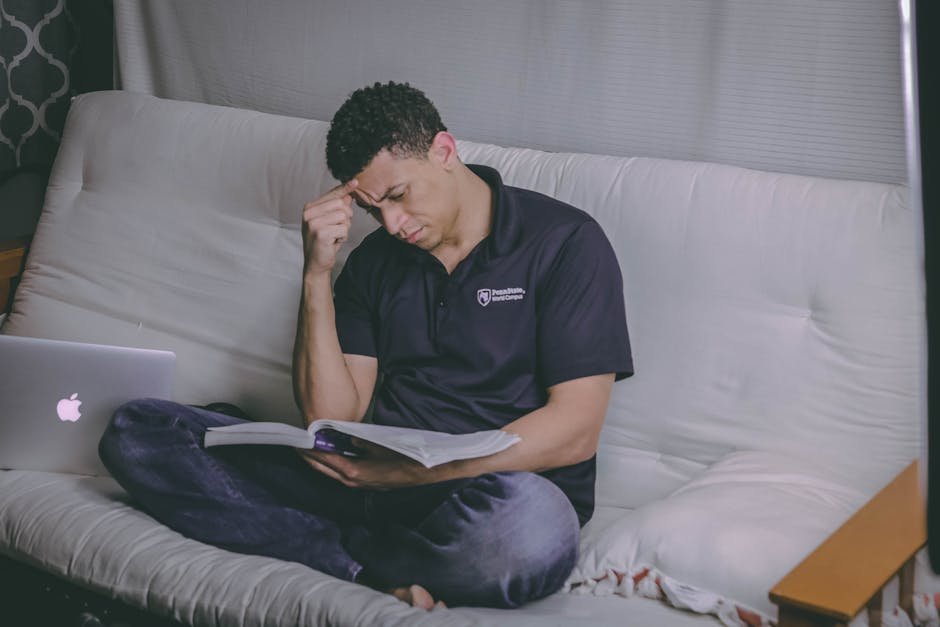
Time Loss (Opportunity Cost): For families with low income, having their children receive an education creates an opportunity cost, as it prevents them from securing a job that would contribute to the family budget. This is especially true for students studying at a higher education level.
School Registration and Donation Fees: Some schools may request donations or contributions under various names at registration or throughout the school year. While these fees are not legal, they are common in practice.
In summary, while the concept of “free education” generally does not directly imply paying tuition, it is not truly free due to indirect costs such as transportation, stationery, uniforms, meals, additional classes, activities, and technology. These costs can pose a significant burden, particularly for low-income families, and can hinder access to education. Therefore, it is important that education policies not only eliminate tuition fees but also address these hidden costs, ensuring equal access to education for all students.
This content has been prepared by the Studentanswers editorial team for educational and informational purposes only. We recommend consulting a qualified professional before making any personal decisions.