What are the most popular STEM majors
Okay, so I’m trying to figure out what to major in. I know I want to do something in STEM because I like science and math, and it seems like that’s where the jobs are. But STEM is HUGE! I’m feeling totally overwhelmed.
I’m mostly interested in job security and earning potential right after graduation. I’m not necessarily aiming to be a professor or anything. I’m also not particularly interested in med school, so pre-med isn’t really on my radar.
So, what are specifically the most popular and in-demand STEM majors right now? And when you say "popular," I’m not just talking about the major everyone thinks is cool, but the ones where lots of students are actually enrolled. I’d also appreciate if you could tell me a little bit about the kind of jobs people get with those degrees right after graduating, not 10 or 20 years down the line. Are there any surprising ones that people might not immediately think of as "STEM" but are actually very strong in that field?
Thanks!
Answer
The popularity of STEM (Science, Technology, Engineering, and Mathematics) majors can fluctuate based on job market trends, technological advancements, and student interests. However, certain STEM majors consistently attract a significant number of students due to their career prospects and perceived value. Here’s a breakdown of some of the most popular STEM majors, categorized for clarity:
Computer Science and Related Fields:
-
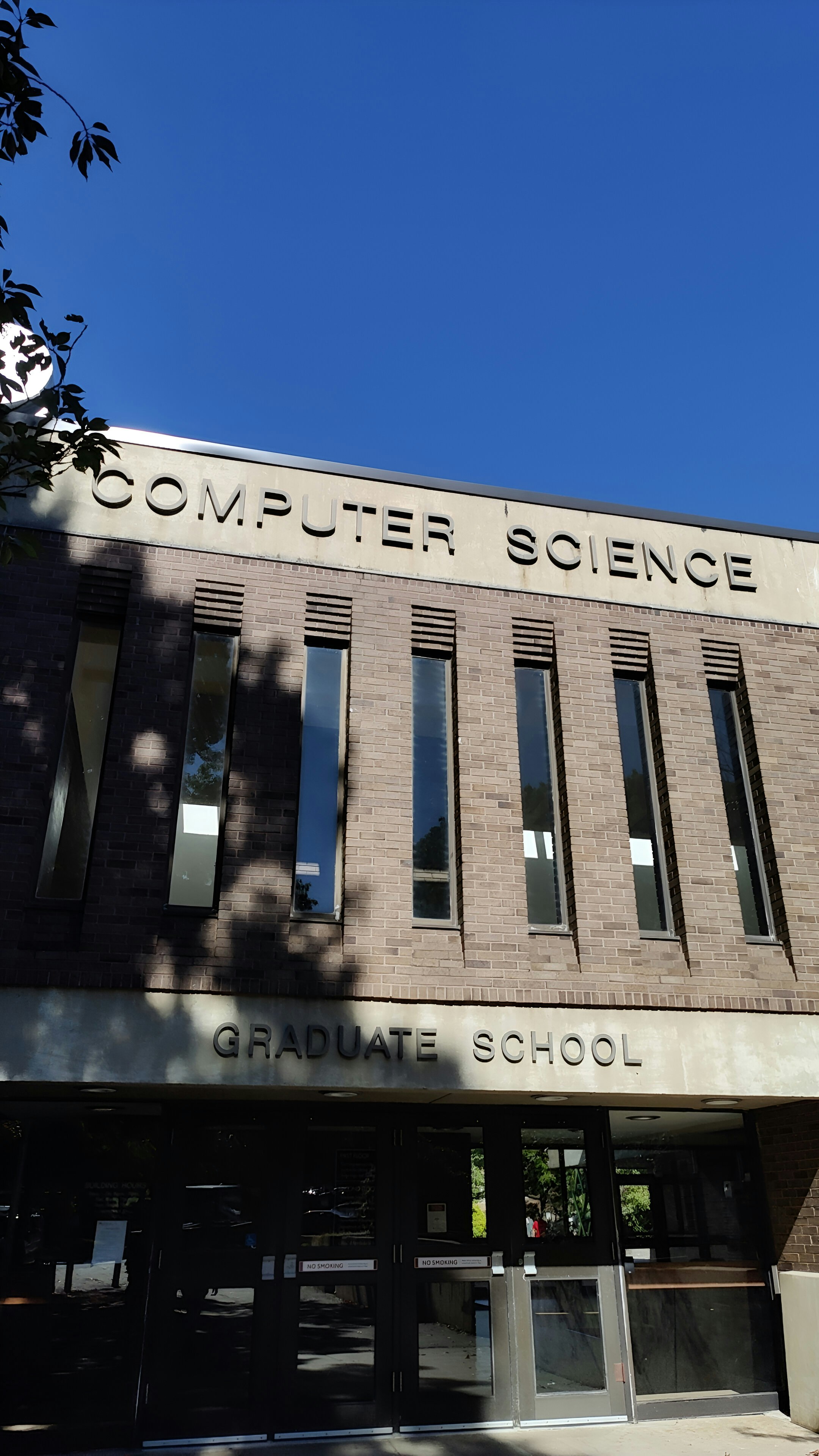
Computer Science (CS): This is arguably the most consistently popular STEM major. It provides a broad foundation in algorithms, data structures, programming languages, software development, and computer architecture. CS graduates are highly sought after in various industries, including software companies, technology firms, finance, healthcare, and research institutions. Specializations within CS include artificial intelligence, machine learning, cybersecurity, data science, and software engineering.
-
Software Engineering: While often considered a sub-discipline of computer science, software engineering focuses more specifically on the design, development, testing, and maintenance of software systems. It emphasizes engineering principles and project management skills relevant to building large-scale software applications.
-
Information Technology (IT): IT focuses on the practical application of computer systems and networks to solve business problems. IT professionals are involved in managing IT infrastructure, providing technical support, and ensuring the smooth operation of computer systems within organizations.
-
Data Science: This interdisciplinary field combines computer science, statistics, and domain expertise to extract knowledge and insights from large datasets. Data scientists are skilled in data analysis, machine learning, data visualization, and communication. The demand for data scientists has grown significantly in recent years due to the increasing volume of data generated by businesses and organizations.
- Cybersecurity: With the growing threat of cyberattacks, cybersecurity has become an increasingly important field. Cybersecurity majors learn how to protect computer systems and networks from unauthorized access, data breaches, and other cyber threats.
Engineering Disciplines:
-
Electrical Engineering (EE): Electrical engineering deals with the design, development, and testing of electrical devices and systems. Electrical engineers work on a wide range of applications, including power generation and distribution, telecommunications, electronics, and control systems.
-
Mechanical Engineering (ME): Mechanical engineering is a broad engineering discipline that focuses on the design, analysis, and manufacturing of mechanical systems. Mechanical engineers work on a wide range of products, including automobiles, aircraft, robots, and medical devices.
-
Civil Engineering (CE): Civil engineering deals with the design, construction, and maintenance of infrastructure projects, such as roads, bridges, buildings, and water systems. Civil engineers play a crucial role in ensuring the safety and sustainability of our built environment.
-
Chemical Engineering (ChE): Chemical engineering involves the application of chemistry, physics, and engineering principles to design and operate chemical processes. Chemical engineers work in a variety of industries, including chemicals, pharmaceuticals, energy, and food processing.
- Aerospace Engineering: Aerospace engineering focuses on the design, development, and testing of aircraft and spacecraft. Aerospace engineers work on a wide range of projects, including commercial airliners, military aircraft, satellites, and rockets.
Mathematics and Statistics:
-
Mathematics: A mathematics degree provides a strong foundation in logical reasoning, problem-solving, and analytical skills. Math majors can pursue careers in a variety of fields, including finance, actuarial science, data science, and education.
- Statistics: Statistics is the science of collecting, analyzing, and interpreting data. Statisticians work in a variety of fields, including healthcare, finance, marketing, and government.
Biological and Biomedical Sciences:
-
Biology: Biology is a broad field that encompasses the study of living organisms, including their structure, function, growth, evolution, and distribution. Biology majors can pursue careers in research, healthcare, environmental science, and education.
-
Biomedical Engineering (BME): Biomedical engineering combines engineering principles with biological and medical knowledge to develop new medical devices, therapies, and diagnostic tools. Biomedical engineers work in a variety of settings, including hospitals, research institutions, and medical device companies.
- Biochemistry: Biochemistry is the study of the chemical processes that occur within living organisms. Biochemists work in a variety of fields, including pharmaceuticals, biotechnology, and food science.
Other Notable STEM Majors:
-
Physics: Physics is the study of matter, energy, and their interactions. Physics majors can pursue careers in research, education, and engineering.
- Environmental Science: Environmental science is an interdisciplinary field that combines biology, chemistry, geology, and other sciences to study environmental problems and develop solutions. Environmental scientists work in a variety of settings, including government agencies, environmental consulting firms, and non-profit organizations.
Factors Influencing Popularity:
-
Job Market Demand: Majors that lead to high-demand, well-paying jobs tend to be more popular. This is a primary driver for the popularity of computer science, data science, and various engineering fields.
-
Salary Expectations: Students are often influenced by the potential earning power associated with a particular major.
-
Technological Advancements: Emerging technologies and trends can create new opportunities and increase the demand for specific skills, leading to increased interest in related majors. For example, the rise of artificial intelligence has fueled the popularity of computer science and data science.
-
Personal Interests: Students are more likely to pursue majors that align with their interests and passions.
-
Perceived Difficulty: Some students may be deterred from pursuing certain STEM majors due to their perceived difficulty.
- Available Resources: The availability of strong academic programs and research opportunities at universities can also influence a major’s popularity.
This content has been prepared by the Studentanswers editorial team for educational and informational purposes only. We recommend consulting a qualified professional before making any personal decisions.