How can I reduce stress during exam periods
Okay, so I’m REALLY struggling. Exams are coming up in like, two weeks, and I’m already feeling completely overwhelmed. I’m juggling four courses – History, Calculus, English Lit, and Biology. History and English are just mountains of reading, and Calculus and Biology…well, let’s just say equations and cellular processes aren’t exactly my forte.
I’m finding it hard to concentrate, I keep getting distracted by EVERYTHING, and I’m starting to have trouble sleeping. Plus, I feel guilty when I do take breaks because I feel like I should be studying. It’s a vicious cycle!
Specifically, I’m looking for practical tips, not just generic "eat healthy and sleep well" advice (although, yes, I know that’s important – I just need more specific strategies).
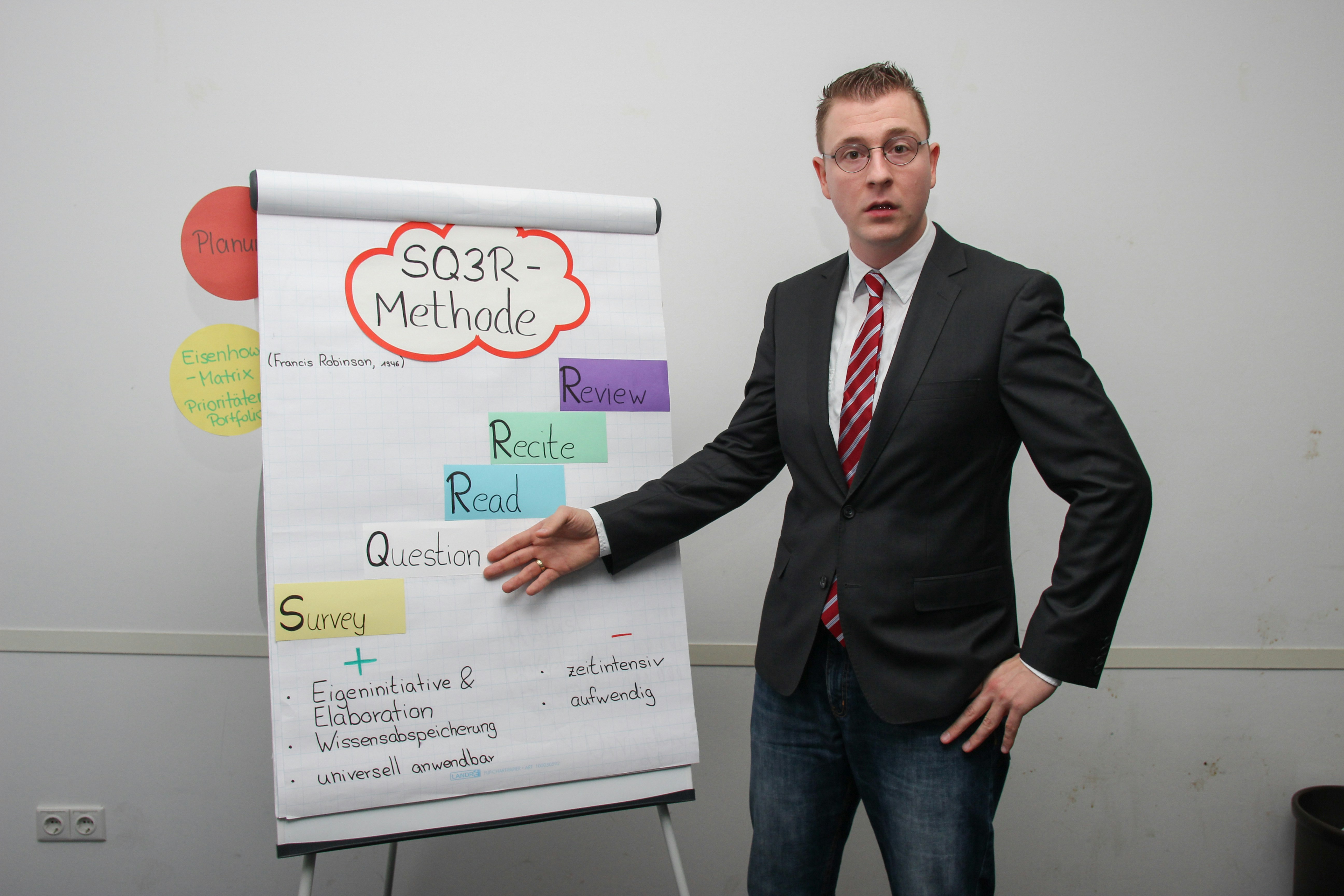
- How can I better organize my study time and prioritize subjects? I feel like I’m just randomly jumping between topics.
- What are some effective techniques for managing anxiety and panic when I feel overwhelmed? Deep breathing only helps so much when I’m staring at a calculus problem that makes no sense.
- How can I actually make myself take effective breaks without feeling guilty? What constitutes a ‘good’ break versus just procrastination?
- Are there any apps or websites that you guys have found helpful for studying or managing stress during exams?
- And finally, how do you deal with the pressure from family and friends who keep asking about your progress? My mom means well, but her constant questions are just making me more stressed!
Any advice, even little things that helped you, would be hugely appreciated. I’m desperate!
Answer
To effectively reduce stress during exam periods, consider a multi-faceted approach addressing your study habits, physical well-being, and mental state. Here’s a comprehensive guide:
1. Effective Study Strategies:
- Structured Study Schedule: Develop a realistic and detailed study schedule well in advance of the exam period. Break down large subjects into smaller, manageable topics. Allocate specific time slots for each subject, considering the difficulty level and your proficiency. Include buffer time for unexpected delays or challenging concepts. Share the schedule with someone to help with accountability.
- Prioritize and Plan: Identify the most important topics and prioritize them in your study schedule. Use past papers and syllabus guidelines to determine key areas. Break down large tasks into smaller, more achievable steps. This prevents feeling overwhelmed by the sheer volume of material.
- Active Recall and Spaced Repetition: Instead of passively re-reading notes, actively test yourself. Use flashcards, practice questions, and teach the material to someone else. Implement spaced repetition, revisiting topics at increasing intervals to strengthen memory retention.
- Study Environment: Create a dedicated study space that is quiet, well-lit, and free from distractions. Ensure you have all the necessary materials readily available. Consider using noise-canceling headphones or earplugs to minimize auditory distractions. Vary your study location if possible, as different environments can aid in memory recall.
- Regular Breaks: Schedule short, regular breaks every 50-60 minutes to avoid mental fatigue. Step away from your study area, stretch, walk around, or engage in a relaxing activity. Avoid using social media or watching videos during breaks, as these can be mentally stimulating and counterproductive.
- Sufficient Sleep: Aim for 7-9 hours of quality sleep each night. Sleep deprivation impairs cognitive function, memory consolidation, and overall well-being, exacerbating stress. Establish a consistent sleep schedule, even on weekends, to regulate your body’s natural sleep-wake cycle. Avoid caffeine and screen time close to bedtime.
- Seek Clarification: Don’t hesitate to ask for help when you’re struggling with a concept. Reach out to professors, teaching assistants, classmates, or tutors. Addressing knowledge gaps promptly can prevent frustration and boost confidence.
- Practice Under Exam Conditions: Simulate exam conditions by taking practice tests within the allocated time limit. This helps you become familiar with the format, identify areas for improvement, and manage your time effectively.
2. Physical Well-being:
- Balanced Diet: Maintain a healthy and balanced diet. Avoid processed foods, sugary drinks, and excessive caffeine. Focus on consuming whole foods, such as fruits, vegetables, lean protein, and whole grains. These provide sustained energy and essential nutrients.
- Hydration: Drink plenty of water throughout the day. Dehydration can lead to fatigue, headaches, and impaired cognitive function. Carry a water bottle with you and refill it regularly.
- Regular Exercise: Engage in regular physical activity, even if it’s just for 30 minutes a day. Exercise releases endorphins, which have mood-boosting and stress-reducing effects. Choose activities you enjoy, such as walking, jogging, swimming, or dancing.
- Limit Caffeine and Alcohol: Reduce your intake of caffeine and alcohol, as these can disrupt sleep patterns and exacerbate anxiety. If you do consume caffeine, do so in moderation and avoid it close to bedtime.
3. Mental and Emotional Well-being:
- Mindfulness and Meditation: Practice mindfulness and meditation techniques to calm your mind and reduce anxiety. Focus on your breath, observe your thoughts and feelings without judgment, and cultivate a sense of presence. Numerous apps and online resources offer guided meditations.
- Relaxation Techniques: Learn and practice relaxation techniques, such as deep breathing exercises, progressive muscle relaxation, or visualization. These techniques can help you calm your nervous system and reduce physical tension.
- Positive Self-Talk: Challenge negative thoughts and replace them with positive affirmations. Remind yourself of your strengths, accomplishments, and ability to succeed.
- Time Management Skills: Learn effective time management techniques to prioritize tasks, avoid procrastination, and manage your workload efficiently.
- Social Support: Connect with friends, family, or support groups to share your feelings and experiences. Talking to others can provide emotional support and reduce feelings of isolation.
- Engage in Hobbies: Take time to engage in activities you enjoy, such as reading, listening to music, or spending time in nature. These activities can provide a welcome distraction from studying and help you recharge.
- Avoid Comparison: Refrain from comparing yourself to others. Everyone learns at their own pace, and focusing on your own progress is more productive than dwelling on others’ achievements.
- Professional Help: If you’re experiencing significant stress, anxiety, or depression, seek professional help from a therapist or counselor. They can provide you with coping strategies and support to manage your mental health.
- Breaks from Social Media: Limit your exposure to social media, as it can contribute to feelings of anxiety and inadequacy. Take breaks from social media and focus on real-life interactions.
- Accept Imperfection: Strive for excellence, but accept that you may not be able to achieve perfection. Focus on doing your best and learn from any mistakes.
- Prioritize Self-Care: Schedule regular self-care activities, such as taking a bath, reading a book, or listening to music. Make time for activities that nourish your mind, body, and soul.
- Gratitude: Practice gratitude by focusing on the positive aspects of your life. Keep a gratitude journal and write down things you are thankful for each day.
By implementing these strategies, you can effectively manage stress during exam periods and improve your overall well-being, leading to better academic performance and a more positive experience.
This content has been prepared by the Studentanswers editorial team for educational and informational purposes only. We recommend consulting a qualified professional before making any personal decisions.