What are some relaxation techniques for better sleep?
I’m having a really hard time falling asleep lately. I toss and turn for hours, and even when I finally do drift off, I wake up frequently throughout the night. I think it’s because I’m so stressed out from work and just general life stuff. I need to find ways to relax before I even get into bed, and maybe even in bed if I wake up in the middle of the night.
So, what are some relaxation techniques that actually work for helping people fall asleep and stay asleep? I’m open to anything! Meditation? Breathing exercises? Maybe something involving warm milk? (Seriously, tell me if that actually works!) Bonus points if you can explain how to do the technique. Thanks in advance!
Answer
Relaxation techniques can be highly effective in promoting better sleep by calming the mind, relaxing the body, and reducing the physiological arousal that often interferes with falling and staying asleep. These techniques address the common sleep disruptors like stress, anxiety, and racing thoughts. Here are some widely recognized and practiced relaxation techniques:
1. Progressive Muscle Relaxation (PMR):
This technique involves systematically tensing and then releasing different muscle groups in the body. The process helps individuals become more aware of physical tension and how to release it.
- How it works: Begin by finding a comfortable position, either sitting or lying down. Start with your toes, tensing them tightly for about 5-10 seconds. Then, consciously release the tension, focusing on the sensation of relaxation as the muscles loosen. Move progressively through other muscle groups, such as the calves, thighs, buttocks, abdomen, chest, arms, hands, shoulders, neck, and face.
- Benefits: PMR can reduce overall muscle tension, alleviate anxiety, and promote a sense of calmness. Regular practice can enhance body awareness and improve the ability to relax on demand.
2. Deep Breathing Exercises:
Controlled, deep breathing can activate the parasympathetic nervous system, often referred to as the "rest and digest" system, which counteracts the effects of the stress response.
- Types of Deep Breathing:
- Diaphragmatic Breathing (Belly Breathing): Focus on breathing deeply from the diaphragm, allowing the abdomen to expand with each inhale.
- 4-7-8 Breathing: Inhale quietly through the nose for a count of 4, hold your breath for a count of 7, and exhale slowly through the mouth for a count of 8.
- Alternate Nostril Breathing (Nadi Shodhana): Use your fingers to alternately close one nostril while inhaling and exhaling through the other.
- Benefits: Deep breathing exercises lower heart rate, reduce blood pressure, and induce a state of relaxation. They can be practiced anywhere, anytime, making them a convenient tool for managing stress and promoting sleep.
3. Guided Imagery:
This technique involves using your imagination to create vivid mental images of peaceful and calming scenes.
- How it works: Close your eyes and imagine yourself in a serene environment, such as a beach, forest, or mountain meadow. Engage all your senses, visualizing the sights, sounds, smells, tastes, and textures of the scene. You can find pre-recorded guided imagery scripts or create your own.
- Benefits: Guided imagery helps to distract the mind from worries and anxieties, promoting relaxation and a sense of well-being. It can reduce stress hormones and improve sleep quality.
4. Mindfulness Meditation:
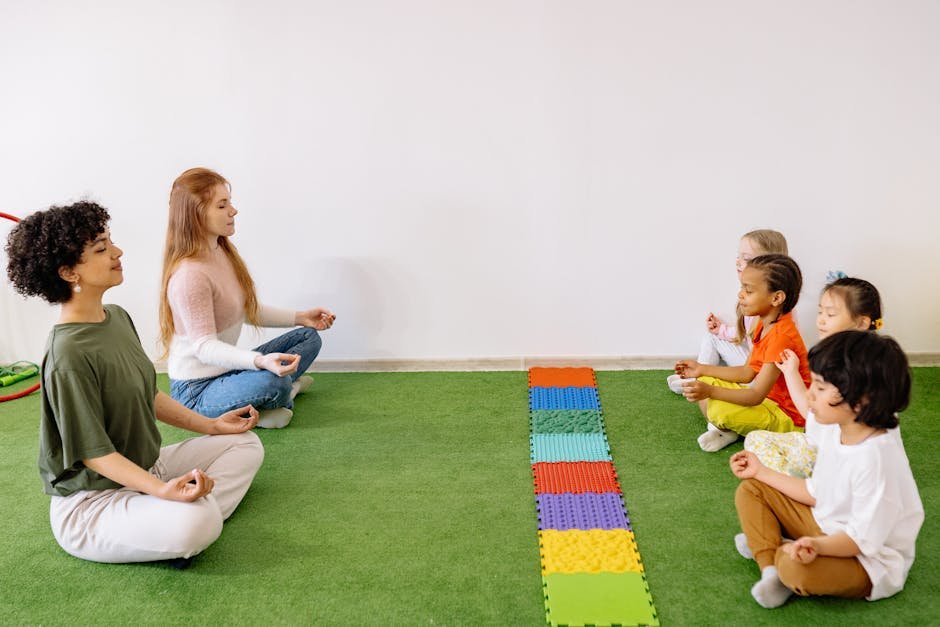
Mindfulness involves paying attention to the present moment without judgment. This practice can help to reduce racing thoughts and cultivate a sense of inner peace.
- How it works: Find a quiet place and sit comfortably. Focus your attention on your breath, noticing the sensation of each inhale and exhale. When your mind wanders, gently redirect your attention back to your breath. You can also focus on other sensations, such as sounds or body sensations.
- Benefits: Mindfulness meditation can reduce stress, anxiety, and depression. It can also improve sleep quality by reducing rumination and promoting a state of relaxation.
5. Autogenic Training:
This technique uses self-suggestions to induce relaxation. It involves focusing on specific physical sensations, such as warmth and heaviness in the limbs.
- How it works: Lie down in a comfortable position. Begin by repeating phrases to yourself, such as "My right arm is heavy," "My left leg is warm," or "My breathing is calm and regular." Focus on the sensations associated with each phrase.
- Benefits: Autogenic training can reduce heart rate, blood pressure, and muscle tension. It can also improve sleep quality and reduce anxiety.
6. Body Scan Meditation:
This practice involves bringing awareness to different parts of the body, noticing any sensations without judgment.
- How it works: Lie down in a comfortable position. Start by focusing your attention on your toes, noticing any sensations such as tingling, warmth, or pressure. Gradually move your attention up through your body, paying attention to each part in turn.
- Benefits: Body scan meditation can improve body awareness, reduce muscle tension, and promote relaxation. It can also help to reduce anxiety and improve sleep quality.
7. Yoga and Tai Chi:
These practices combine physical postures, breathing exercises, and meditation.
- How they work: Gentle yoga or Tai Chi sequences can help to stretch and relax the muscles, calm the mind, and promote a sense of well-being.
- Benefits: Yoga and Tai Chi can reduce stress, improve sleep quality, and increase energy levels.
8. Aromatherapy:
Certain essential oils, such as lavender, chamomile, and sandalwood, have calming properties.
- How it works: Diffuse essential oils in your bedroom, add a few drops to a warm bath, or apply diluted essential oils to your skin (after performing a patch test).
- Benefits: Aromatherapy can promote relaxation, reduce anxiety, and improve sleep quality.
Important Considerations:
- Consistency is Key: The effectiveness of relaxation techniques increases with regular practice. Aim to practice these techniques daily, even when you are not experiencing sleep problems.
- Find What Works Best: Experiment with different techniques to find the ones that you find most effective and enjoyable.
- Create a Relaxing Bedtime Routine: Incorporate relaxation techniques into a consistent bedtime routine. This can help to signal to your body that it is time to sleep.
- Consult with a Professional: If you have chronic sleep problems or underlying medical conditions, consult with a healthcare professional or sleep specialist. They can help you to identify the underlying causes of your sleep problems and recommend appropriate treatment options.
- Minimize Stimulants: Avoid caffeine and alcohol close to bedtime, as they can interfere with sleep.
- Optimize Sleep Environment: Ensure that your bedroom is dark, quiet, and cool.
- Limit Screen Time: Avoid using electronic devices (phones, tablets, computers) for at least an hour before bedtime, as the blue light emitted from these devices can interfere with sleep.
By incorporating these relaxation techniques into your daily routine and addressing other lifestyle factors that can affect sleep, you can improve your sleep quality and overall well-being.
This content has been prepared by the Studentanswers editorial team for educational and informational purposes only. We recommend consulting a qualified professional before making any personal decisions.