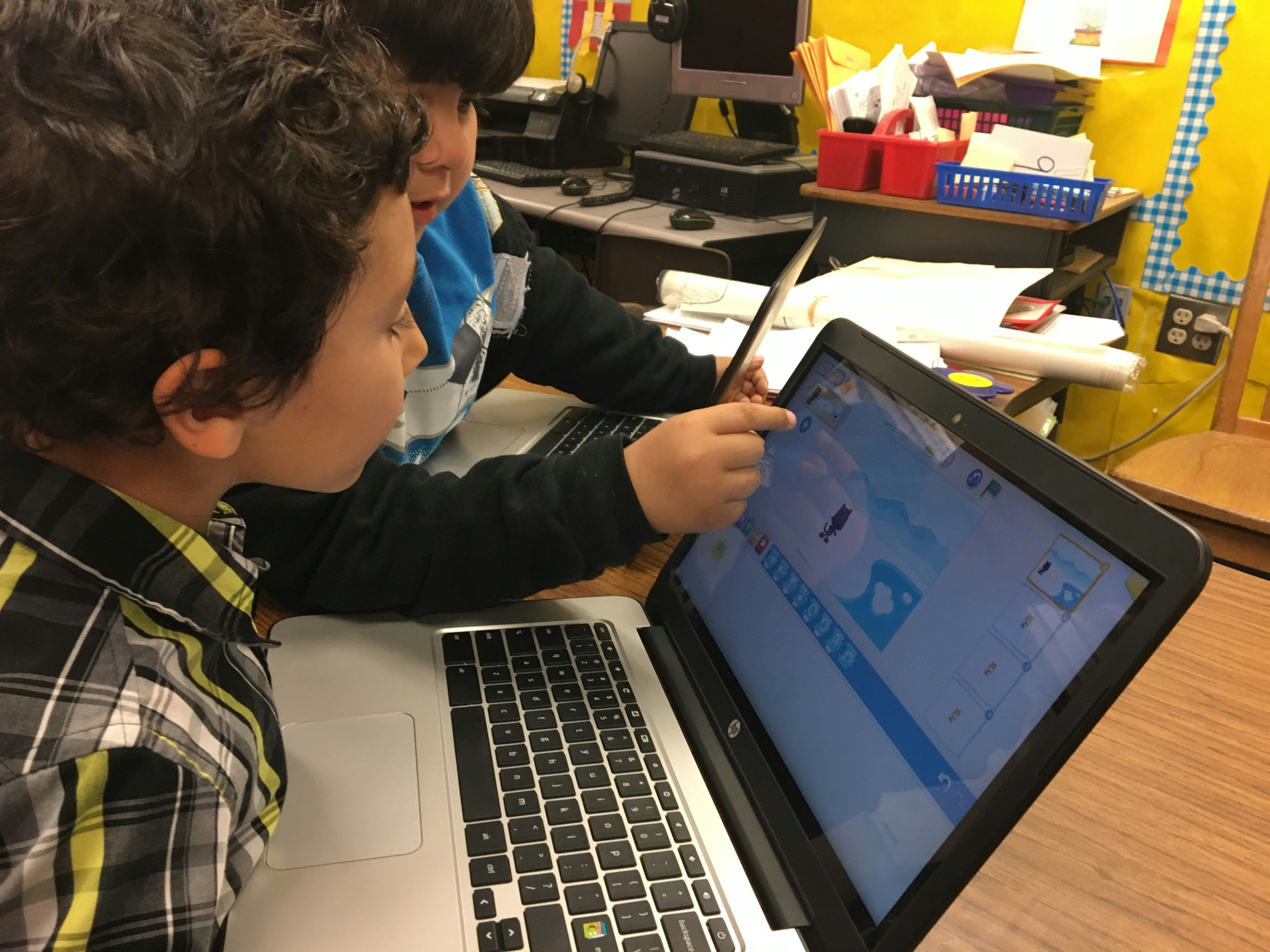
What are the early signs of learning difficulties in children
My daughter, Lily, just turned four and is about to start pre-school in the fall. I’m really excited for her, but also a little nervous. I know all kids develop at different paces, but I’m worried about missing potential early signs of learning difficulties. I just want to be proactive and make sure she gets the support she needs if anything comes up.
Specifically, I’m thinking about things like dyslexia, dysgraphia, or ADHD, but I don’t even really know where to start looking for signs. Are there specific things I should be watching for in her language development, her ability to focus, or even her fine motor skills?
She does sometimes struggle with rhyming words and seems to get easily frustrated when trying to draw shapes. Is that normal for her age, or should I be concerned? What other milestones should I be comparing her to at this age?
I’m really just looking for some guidance on what to look out for so I can talk to her pre-school teachers and pediatrician if I see any red flags. Thanks in advance for any advice!
Answer
Early signs of learning difficulties in children can manifest in various ways and often differ depending on the specific difficulty. Here’s a breakdown across common areas:
General Signs (Applicable Across Learning Difficulties):
- Delayed developmental milestones: These can include delays in speech, motor skills (crawling, walking), and social skills compared to age-related norms. While individual children develop at their own pace, significant and persistent delays warrant investigation.
- Difficulty following multi-step instructions: Children may struggle to remember and execute a series of directions.
- Poor attention span and distractibility: This goes beyond typical childhood energy. It involves a consistent inability to focus on tasks, frequent shifting between activities, and difficulty filtering out background noise or visual stimuli.
- Difficulty with organization: Struggles with organizing belongings, schoolwork, or thoughts can be an early indicator. This may present as a perpetually messy desk, lost assignments, or difficulty planning and sequencing tasks.
- Avoidance of schoolwork or reading: A child may express a strong dislike for school, homework, or reading activities, often accompanied by frustration or emotional outbursts when faced with these tasks.
- Difficulties with memory: Problems remembering information, such as names, dates, or facts learned in class, can be a sign. This might involve difficulty recalling information shortly after it’s presented (short-term memory) or retrieving information learned in the past (long-term memory).
- Frustration and low self-esteem: Academic struggles can lead to frustration, anxiety, and a decreased sense of self-worth, especially when a child perceives themselves as "not as smart" as their peers. They might become withdrawn, easily discouraged, or exhibit behavioral problems.
- Difficulties with social skills: Some learning difficulties can impact social interaction. A child might struggle to understand social cues, interpret body language, or navigate peer relationships.
Signs Related to Specific Learning Difficulties:
Dyslexia (Reading Difficulty):
- Difficulty with phonological awareness: This involves struggles with recognizing and manipulating the sounds of language. Examples include difficulty rhyming, segmenting words into sounds, or blending sounds together to form words.
- Difficulty decoding words: Struggles to sound out unfamiliar words, even after being taught phonics rules. This often involves letter-sound correspondence difficulties.
- Slow and labored reading: Reading is effortful and requires significant concentration, leading to slow reading speed and poor reading fluency.
- Difficulty with reading comprehension: Even if a child can decode the words, they might struggle to understand the meaning of what they’ve read.
- Reversals of letters or numbers: While common in early writing, persistent reversals (e.g., b/d, p/q) beyond the early elementary grades can be a red flag.
- Family history of reading difficulties: Dyslexia has a strong genetic component.
Dysgraphia (Writing Difficulty):
- Difficulty with handwriting: Illegible handwriting, inconsistent letter formation, incorrect spacing, and poor pencil grip are common.
- Difficulty organizing thoughts on paper: Struggles to structure sentences, paragraphs, or essays in a logical and coherent manner.
- Difficulties with spelling: Frequent spelling errors, even with common words.
- Trouble with grammar and punctuation: Consistent errors in grammar, punctuation, and sentence structure.
- Slow writing speed: Writing is a slow and laborious process.
- Avoidance of writing tasks: Child avoids or protests writing assignments due to frustration.
Dyscalculia (Math Difficulty):
- Difficulty understanding number concepts: Struggles with the meaning of numbers, such as quantity, place value, and number relationships.
- Difficulty with math facts: Trouble memorizing basic addition, subtraction, multiplication, and division facts.
- Difficulty with math operations: Makes frequent errors when performing calculations, such as addition, subtraction, multiplication, and division.
- Difficulty with problem-solving: Struggles to understand and solve word problems.
- Difficulty with spatial reasoning: Problems with visualizing shapes, understanding spatial relationships, and interpreting graphs and charts.
- Difficulty with time: Struggles to tell time, estimate time, or understand the concept of time.
- Difficulty with money: Problems with counting money, making change, or understanding financial concepts.
Auditory Processing Disorder (APD):
- Difficulty understanding speech in noisy environments: Struggles to hear and understand what is being said when there is background noise.
- Difficulty following spoken directions: Has trouble remembering and executing verbal instructions, especially if they are complex or multi-step.
- Difficulty distinguishing between similar-sounding words: Confuses words that sound alike, such as "cat" and "hat" or "pen" and "pin."
- Difficulty with phonics: Struggles to connect sounds to letters and decode words.
- Appears to not be listening: May frequently ask "what?" or appear to be daydreaming during conversations.
- Difficulty with auditory memory: Has trouble remembering information presented orally.
Visual Processing Disorder (VPD):
- Difficulty with visual discrimination: Struggles to distinguish between similar shapes, letters, or objects.
- Difficulty with visual memory: Has trouble remembering what they have seen.
- Difficulty with spatial relationships: Problems with understanding the relationships between objects in space.
- Difficulty with visual-motor integration: Struggles with tasks that require coordinating visual information with motor skills, such as copying from the board or drawing.
- Light sensitivity: May be sensitive to bright lights or glare.
- Eye strain: May experience eye strain or headaches after reading or working on visually demanding tasks.
Important Considerations:
- These are just potential signs, not definitive diagnoses. A professional evaluation is necessary to determine if a child has a learning difficulty.
- Signs can overlap. Children may exhibit signs of multiple learning difficulties.
- Severity varies. The impact of a learning difficulty can range from mild to severe.
- Early intervention is crucial. Identifying and addressing learning difficulties early can significantly improve a child’s academic outcomes and overall well-being.
If you observe several of these signs consistently in a child, it’s essential to consult with professionals, such as teachers, school psychologists, pediatricians, or educational specialists, to discuss your concerns and pursue appropriate evaluation and support.
This content has been prepared by the Studentanswers editorial team for educational and informational purposes only. We recommend consulting a qualified professional before making any personal decisions.