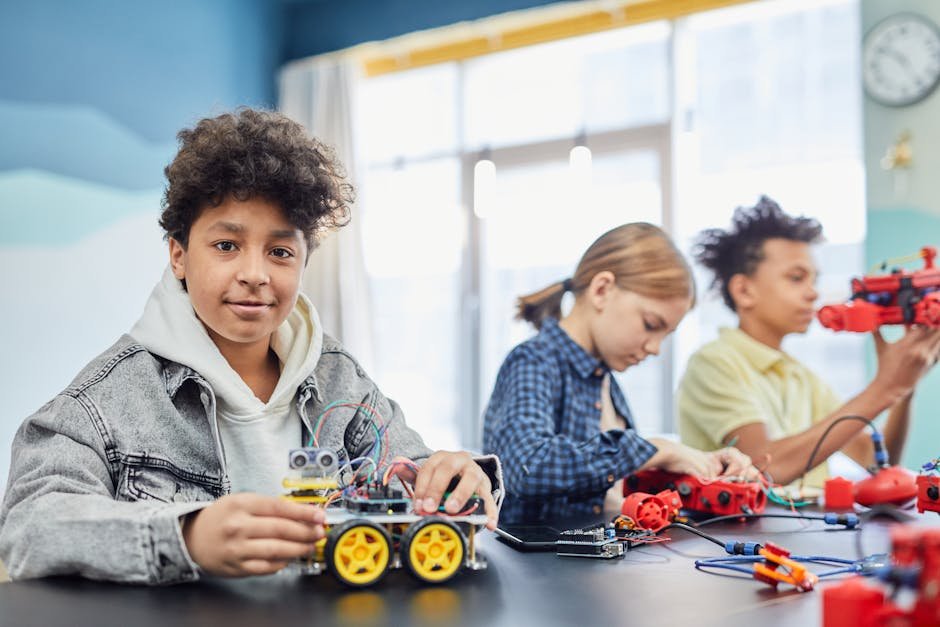
Are leadership and teamwork skills essential for future career success
Okay, so I’ve been hearing a lot about how important leadership and teamwork skills are, like, everywhere. From career advisors at school to articles I read online, and even my parents keep bringing it up. I’m starting to feel like I have to be a super-leader and amazing team player to even get an entry-level job these days.
But is it really that crucial? I mean, I’m more of an independent worker, and I don’t really enjoy being the one "in charge". I’d rather just focus on doing my own thing and doing it well. Does that mean I’m doomed?
Also, specifically, I’m thinking about a career in data science. Is being a charismatic leader really that important for analyzing data and building models? Sure, I get that you might need to collaborate sometimes, but is it like, mandatory that I become a natural leader to succeed in this field?
And what kind of teamwork are we even talking about? Is it just being able to get along with people, or is it more about coordinating large projects and motivating others? The articles I read use such broad terms, I’m not sure what skills I should be actively trying to develop.
Basically, I want to know, realistically, how essential leadership and teamwork skills are for securing a good career in the future, especially in a more technical field like data science. Are they nice-to-haves, or dealbreakers? What level of proficiency should I be aiming for?
Answer
Yes, leadership and teamwork skills are undeniably essential for future career success. Their importance stems from the evolving nature of work, the increasing complexity of projects, and the demands of a globalized and interconnected world. Here’s a detailed explanation of why these skills are so crucial:
Leadership Skills:
- Adaptability and Innovation: The future workplace will be characterized by constant change and technological advancements. Leaders need to be adaptable, able to navigate ambiguity, and foster a culture of innovation within their teams. They must encourage experimentation, embrace new technologies, and adapt strategies to stay ahead of the curve.
- Strategic Thinking and Vision: Leaders are responsible for setting a clear vision and developing strategies to achieve organizational goals. This requires strategic thinking, the ability to analyze complex situations, identify opportunities and threats, and make informed decisions that align with the overall objectives.
- Communication and Influence: Effective communication is at the heart of leadership. Leaders must be able to articulate their vision clearly, inspire and motivate their teams, and build consensus around common goals. They must also be able to influence stakeholders, negotiate effectively, and build strong relationships both internally and externally. This includes active listening skills and the ability to provide constructive feedback.
- Decision-Making and Problem-Solving: Leaders are often faced with difficult decisions and complex problems. They need to be able to analyze data, assess risks, and make timely and effective decisions. They should also be able to empower their teams to solve problems independently and encourage a culture of continuous improvement.
- Emotional Intelligence: Emotional intelligence (EQ) is the ability to understand and manage one’s own emotions and the emotions of others. Leaders with high EQ are better able to build strong relationships, motivate their teams, resolve conflicts, and create a positive work environment. This includes self-awareness, self-regulation, empathy, and social skills.
- Delegation and Empowerment: Effective leaders know how to delegate tasks and empower their team members to take ownership of their work. This not only frees up the leader’s time but also fosters a sense of ownership and accountability within the team. Delegating appropriately develops the skills of team members, preparing them for future leadership roles.
- Ethics and Integrity: Leaders set the tone for the entire organization. They must demonstrate the highest ethical standards and act with integrity in all their dealings. This builds trust and credibility, which is essential for long-term success.
- Mentorship and Development: Leaders play a crucial role in developing the next generation of leaders. They should be able to mentor and coach their team members, providing them with the guidance and support they need to reach their full potential. This includes identifying talent, providing opportunities for growth, and offering constructive feedback.
Teamwork Skills:
- Collaboration and Communication: Teamwork relies heavily on effective collaboration and communication. Individuals must be able to share ideas, listen actively to others, and work together to achieve common goals. This includes both verbal and written communication, as well as the ability to use technology to collaborate effectively.
- Problem-Solving and Conflict Resolution: Teams often encounter challenges and conflicts. Team members need to be able to work together to identify problems, generate solutions, and resolve conflicts constructively. This requires a willingness to compromise, negotiate, and find mutually agreeable solutions.
- Adaptability and Flexibility: The workplace is constantly evolving, and teams need to be adaptable and flexible to meet changing demands. This includes being willing to take on new tasks, learn new skills, and adjust to new situations.
- Respect and Inclusivity: Successful teams are built on a foundation of respect and inclusivity. Team members must value diversity, treat each other with respect, and create a welcoming environment where everyone feels comfortable sharing their ideas.
- Shared Responsibility and Accountability: In a team environment, everyone is responsible for the success of the project. Team members need to be accountable for their own contributions and willing to support each other to achieve common goals.
- Active Listening and Empathy: Understanding the perspectives and needs of other team members is critical for effective collaboration. Active listening and empathy enable team members to build trust, resolve conflicts, and work together more effectively.
- Time Management and Organization: Efficient teamwork requires individuals to manage their time effectively and stay organized. This ensures that tasks are completed on time and that the team as a whole stays on track.
- Constructive Feedback and Support: Providing and receiving constructive feedback is essential for continuous improvement in a team setting. Team members should be able to offer feedback in a supportive and respectful manner, and be open to receiving feedback from others.
Why These Skills Are Essential for Future Career Success:
- Increased Complexity of Work: The problems businesses face are increasingly complex, requiring diverse teams of individuals with different skills and perspectives to solve them.
- Globalized Workforce: The rise of globalization means that individuals are increasingly working with teams across different countries and cultures. This requires strong communication, collaboration, and cultural sensitivity skills.
- Technological Advancements: Technological advancements are transforming the way we work, requiring individuals to be adaptable, learn new skills, and collaborate effectively with both humans and machines.
- Emphasis on Innovation: Companies are increasingly focused on innovation to stay competitive. This requires individuals to be creative, problem-solve collaboratively, and take initiative.
- Project-Based Work: Many companies are moving towards project-based work, which requires individuals to be able to quickly form teams, work together effectively, and deliver results on time and within budget.
- Enhanced Productivity and Efficiency: Teams that possess strong leadership and teamwork skills are more productive and efficient, leading to better results and increased profitability for organizations.
- Improved Employee Morale and Retention: A positive and collaborative work environment fostered by strong leadership and teamwork skills leads to higher employee morale and reduced turnover.
- Adaptability to Change: The rapid pace of change requires individuals to be adaptable and resilient. Strong leadership and teamwork skills enable individuals to navigate change effectively and thrive in dynamic environments.
In conclusion, leadership and teamwork skills are not just desirable, they are essential for navigating the complexities of the modern and future workplace. They drive innovation, improve productivity, and foster a positive and collaborative work environment, ultimately leading to greater career success. These skills are applicable across all industries and roles and are increasingly valued by employers. Investing in developing these skills is a crucial step towards securing a successful and fulfilling career.
This content has been prepared by the Studentanswers editorial team for educational and informational purposes only. We recommend consulting a qualified professional before making any personal decisions.