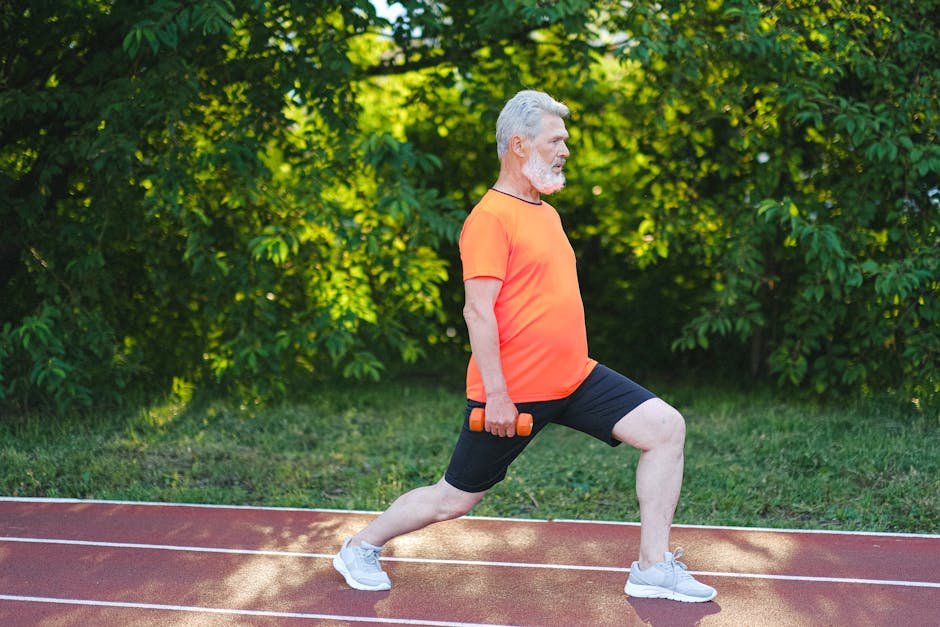
How does physical activity affect memory and information processing in students
Okay, so I’m a university student and I’m drowning in coursework. I’m constantly trying to find ways to improve my focus and recall information for exams. I keep hearing about how exercise is good for you, but how good? Specifically, how does physical activity affect memory and information processing?
I’m not talking about just general well-being making me feel better. I want to know the nitty-gritty: Does regular exercise actually lead to better grades because I can remember more information? Does it speed up my processing speed when I’m taking a test? What kind of physical activity is most beneficial – is it better to hit the gym for weights, go for a run, or even just walk more during the day? Is there an optimal amount of activity?
Also, I’m interested in the difference between immediate effects and long-term effects. If I go for a jog right before studying, will that help me learn the material better that night? Or is it more about consistent activity over weeks or months that leads to lasting cognitive improvements?
Finally, are there any specific types of memory or information processing that are more impacted by physical activity than others? For example, does it help with rote memorization, understanding complex concepts, or problem-solving? I really want to understand the science behind this so I can actually use this information to improve my academic performance. Give me the details!
Answer
Physical activity exerts a multifaceted influence on memory and information processing in students, impacting various cognitive domains through a complex interplay of physiological and neurological mechanisms. Here’s a detailed breakdown:
I. Physiological Mechanisms:
-
Increased Cerebral Blood Flow: Physical activity elevates heart rate and blood pressure, resulting in enhanced cerebral blood flow. This increased blood supply delivers more oxygen and glucose, the brain’s primary energy sources, to active brain regions. This enhanced energy supply supports neuronal function and metabolic processes crucial for memory consolidation and cognitive processing.
-
Neurotransmitter Release: Exercise stimulates the release of several neurotransmitters that play key roles in cognition:
- Brain-Derived Neurotrophic Factor (BDNF): Often referred to as "Miracle-Gro" for the brain, BDNF promotes neurogenesis (the formation of new neurons) in the hippocampus, a brain region critical for memory formation. It also strengthens synaptic connections between existing neurons, enhancing synaptic plasticity, which is the brain’s ability to adapt and learn. Furthermore, BDNF protects neurons from damage and promotes their survival.
- Dopamine: Involved in motivation, reward, and attention, dopamine release during exercise can improve focus and enhance the encoding of information. It helps in filtering out irrelevant stimuli and prioritizing relevant information for processing.
- Norepinephrine: This neurotransmitter increases alertness, vigilance, and attention. It also plays a role in memory consolidation, particularly for emotionally salient events. The release of norepinephrine during exercise can improve the ability to recall information.
- Serotonin: While primarily known for its role in mood regulation, serotonin also influences cognitive functions such as impulse control and cognitive flexibility.
-
Reduced Inflammation: Physical activity has anti-inflammatory effects throughout the body, including the brain. Chronic inflammation can impair cognitive function by disrupting neuronal signaling and damaging brain tissue. Exercise helps to mitigate these effects, creating a more conducive environment for optimal brain function.
- Improved Cardiovascular Health: Regular physical activity improves cardiovascular health, reducing the risk of conditions such as hypertension and atherosclerosis, which can negatively impact cerebral blood flow and cognitive function. Maintaining healthy blood vessels ensures efficient delivery of oxygen and nutrients to the brain.
II. Impact on Specific Cognitive Functions:
-
Working Memory: Working memory, the ability to hold and manipulate information in mind for a short period, is crucial for many academic tasks. Studies have shown that physical activity, particularly aerobic exercise, can improve working memory capacity and efficiency. The increased cerebral blood flow and neurotransmitter release associated with exercise may enhance the neural circuits underlying working memory.
-
Long-Term Memory: Exercise positively influences long-term memory consolidation, the process by which newly acquired information is stabilized and stored for later retrieval. The increase in BDNF levels, specifically in the hippocampus, plays a crucial role in this process. Exercise also seems to enhance the encoding of new information, making it easier to remember later.
-
Attention and Executive Functions: Physical activity improves attention span, focus, and the ability to inhibit distractions. These enhancements are related to improved executive functions, which include planning, organization, problem-solving, and cognitive flexibility. Dopamine and norepinephrine release, along with improved cerebral blood flow to the prefrontal cortex (the brain region responsible for executive functions), contribute to these improvements.
-
Cognitive Flexibility: Cognitive flexibility, the ability to switch between tasks or mental sets, is also enhanced by physical activity. This is important for adapting to new information and solving complex problems. Studies suggest that exercise can improve the efficiency of neural networks involved in cognitive control, leading to greater flexibility.
- Processing Speed: Some studies suggest that regular physical activity can improve cognitive processing speed, the speed at which information is processed by the brain. This can lead to faster reaction times and improved performance on cognitive tasks.
III. Types of Physical Activity and Intensity:
-
Aerobic Exercise: Activities like running, swimming, cycling, and brisk walking are particularly beneficial for cognitive function due to their significant impact on cardiovascular health and cerebral blood flow.
-
Resistance Training: Strength training can also have positive effects on cognition, potentially through mechanisms related to muscle-brain interactions and the release of growth factors.
-
Mind-Body Practices: Activities like yoga and Tai Chi combine physical movement with mindfulness and relaxation techniques. These practices can reduce stress and improve focus, which can indirectly benefit cognitive function.
- Intensity: Moderate-intensity exercise appears to be most beneficial for cognitive function. While high-intensity exercise can also have positive effects, it may also be associated with increased stress and fatigue, which can negatively impact cognitive performance in some individuals.
IV. Timing and Duration:
-
Acute Effects: Even a single bout of exercise can have immediate, albeit temporary, effects on cognitive function. These acute effects may include improved attention, focus, and working memory.
-
Chronic Effects: Regular physical activity over a longer period leads to more sustained and significant improvements in cognitive function. These chronic effects are likely due to structural and functional changes in the brain.
- Timing: Engaging in physical activity before or during learning can enhance encoding and memory consolidation. Taking breaks for physical activity during study sessions can also improve focus and reduce mental fatigue.
V. Considerations for Students:
-
Incorporating Physical Activity: Students should aim to incorporate regular physical activity into their daily routines. This can include walking or cycling to school, participating in sports or recreational activities, or simply taking breaks to move around during study sessions.
-
Individualization: The type and intensity of physical activity should be tailored to individual preferences, fitness levels, and academic schedules.
- Reducing Sedentary Behavior: It is also important to reduce sedentary behavior, such as prolonged sitting, which can negatively impact cognitive function. Taking regular breaks to stand up and move around can help to counteract the negative effects of sedentary behavior.
In summary, physical activity profoundly influences memory and information processing in students by enhancing cerebral blood flow, modulating neurotransmitter release, reducing inflammation, and promoting neuroplasticity. By incorporating regular physical activity into their lifestyles, students can potentially improve their cognitive performance, academic achievement, and overall well-being.
This content has been prepared by the Studentanswers editorial team for educational and informational purposes only. We recommend consulting a qualified professional before making any personal decisions.