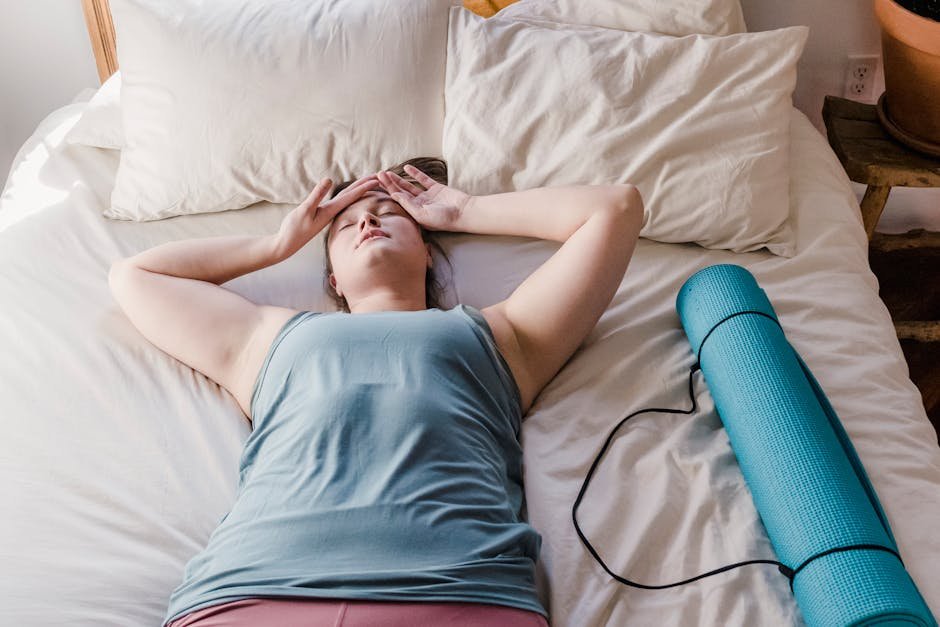
How does exercise affect sleep quality in students
Okay, so I’m a college student, and I’m pulling my hair out. My sleep is terrible. I’m constantly exhausted, and I’m pretty sure it’s affecting my grades. I keep hearing that exercise is good for sleep, but I’m already stressed and time-crunched.
I’m wondering specifically:
-
What kind of exercise is best? Is it better to do intense workouts, or is something more low-impact like yoga or walking better? What time of day is ideal? I can’t really work out late at night, but early morning is also brutal.
-
How much exercise is enough? I don’t have hours to spend at the gym. What’s the minimum amount of exercise that’ll actually improve my sleep?
-
Does it matter if I’m already stressed? I’m under a lot of academic pressure, so I’m worried exercise might just add to the stress and make my sleep even worse.
-
Are there any downsides to exercising for sleep? Like, could I be so sore the next day that I can’t focus in class?
- Are there any specific studies done on college students and exercise/sleep? I’d like to see some actual evidence, not just generic "exercise is good for you" advice. I’m particularly interested in research on exercise impacting academic performance through sleep.
Basically, I’m looking for practical advice on how to use exercise to improve my sleep and, ultimately, my academic performance, given the constraints of being a stressed-out college student.
Answer
Exercise can significantly influence sleep quality in students, with effects varying based on the type, intensity, and timing of the exercise, as well as individual factors. Here’s a detailed look at how exercise affects sleep quality in this population:
Positive Impacts of Exercise on Sleep:
-
Reduced Sleep Latency: Exercise can decrease the amount of time it takes to fall asleep (sleep latency). Physical activity helps to expend energy and create a sense of fatigue, making it easier to transition into sleep.
-
Increased Sleep Duration: Regular exercise often leads to an increase in the total amount of time spent sleeping. This is particularly beneficial for students who may be sleep-deprived due to academic demands.
-
Improved Sleep Efficiency: Exercise can enhance sleep efficiency, which is the ratio of time spent asleep to time spent in bed. Higher sleep efficiency means less time tossing and turning and more time actually sleeping.
-
Deepened Sleep: Some studies suggest that exercise, especially moderate-intensity aerobic exercise, can increase the amount of slow-wave sleep (SWS), also known as deep sleep. Deep sleep is crucial for physical restoration and cognitive function.
-
Reduced Anxiety and Stress: Exercise is a well-known stress reliever. By reducing anxiety and stress levels, exercise can indirectly improve sleep quality. Many students experience stress related to academics, social life, and future planning, which can interfere with sleep. Exercise provides a healthy outlet for these stressors.
-
Regulation of Circadian Rhythm: Regular exercise can help to regulate the body’s natural sleep-wake cycle (circadian rhythm). Exposure to sunlight during outdoor exercise can further reinforce this rhythm. A well-regulated circadian rhythm promotes more consistent and predictable sleep patterns.
- Decreased Symptoms of Insomnia: For students experiencing insomnia symptoms, exercise can be a helpful non-pharmacological intervention. It can reduce the severity of insomnia symptoms, leading to better overall sleep quality.
Negative Impacts of Exercise on Sleep:
-
Exercise Timing: The timing of exercise can be critical. Exercising too close to bedtime (e.g., within 1-2 hours) can sometimes interfere with sleep. The stimulating effects of exercise, such as increased heart rate and body temperature, may make it harder to fall asleep. However, the impact of this varies from person to person. Some may find exercise before bed helps them fall asleep.
-
Exercise Intensity: Very high-intensity exercise, especially when performed close to bedtime, can have a disruptive effect on sleep. The increased arousal and physiological stress may make it difficult to relax and fall asleep.
-
Overtraining: Excessive or intense exercise without adequate rest and recovery can lead to overtraining syndrome. Overtraining can disrupt sleep patterns, causing insomnia or restless sleep.
-
Muscle Soreness: Vigorous exercise can cause muscle soreness, which can disrupt sleep. The discomfort may make it difficult to find a comfortable sleeping position or lead to awakenings during the night.
- Individual Variability: The effects of exercise on sleep quality can vary significantly from student to student. Factors such as age, fitness level, pre-existing sleep disorders, and individual sensitivity to exercise can all influence the outcome.
Types of Exercise and Sleep:
-
Aerobic Exercise: Moderate-intensity aerobic exercise, such as brisk walking, jogging, swimming, or cycling, is generally considered beneficial for sleep.
-
Resistance Training: Resistance training (weightlifting) can also improve sleep quality, particularly when performed regularly.
- Yoga and Stretching: These activities can promote relaxation and reduce stress, which can be helpful for improving sleep. They are often recommended as a bedtime routine.
Recommendations for Students:
-
Consistency: Aim for regular exercise, but avoid overtraining.
-
Timing: Experiment with different exercise times to find what works best for you. Avoid intense workouts close to bedtime if they interfere with your sleep.
-
Type: Choose activities you enjoy and that fit your fitness level.
-
Listen to Your Body: Pay attention to how your body responds to exercise and adjust your routine accordingly.
-
Hydration: Drink plenty of water throughout the day, especially after exercise.
-
Balanced Diet: Eat a healthy and balanced diet to support your energy levels and sleep.
-
Sleep Hygiene: Practice good sleep hygiene habits, such as maintaining a regular sleep schedule, creating a relaxing bedtime routine, and optimizing your sleep environment.
- Consult a Professional: If you have persistent sleep problems, consult a healthcare professional or sleep specialist.
In summary, exercise generally has a positive impact on sleep quality in students. However, it is important to consider the timing, intensity, and type of exercise, as well as individual factors, to optimize the benefits for sleep.
This content has been prepared by the Studentanswers editorial team for educational and informational purposes only. We recommend consulting a qualified professional before making any personal decisions.