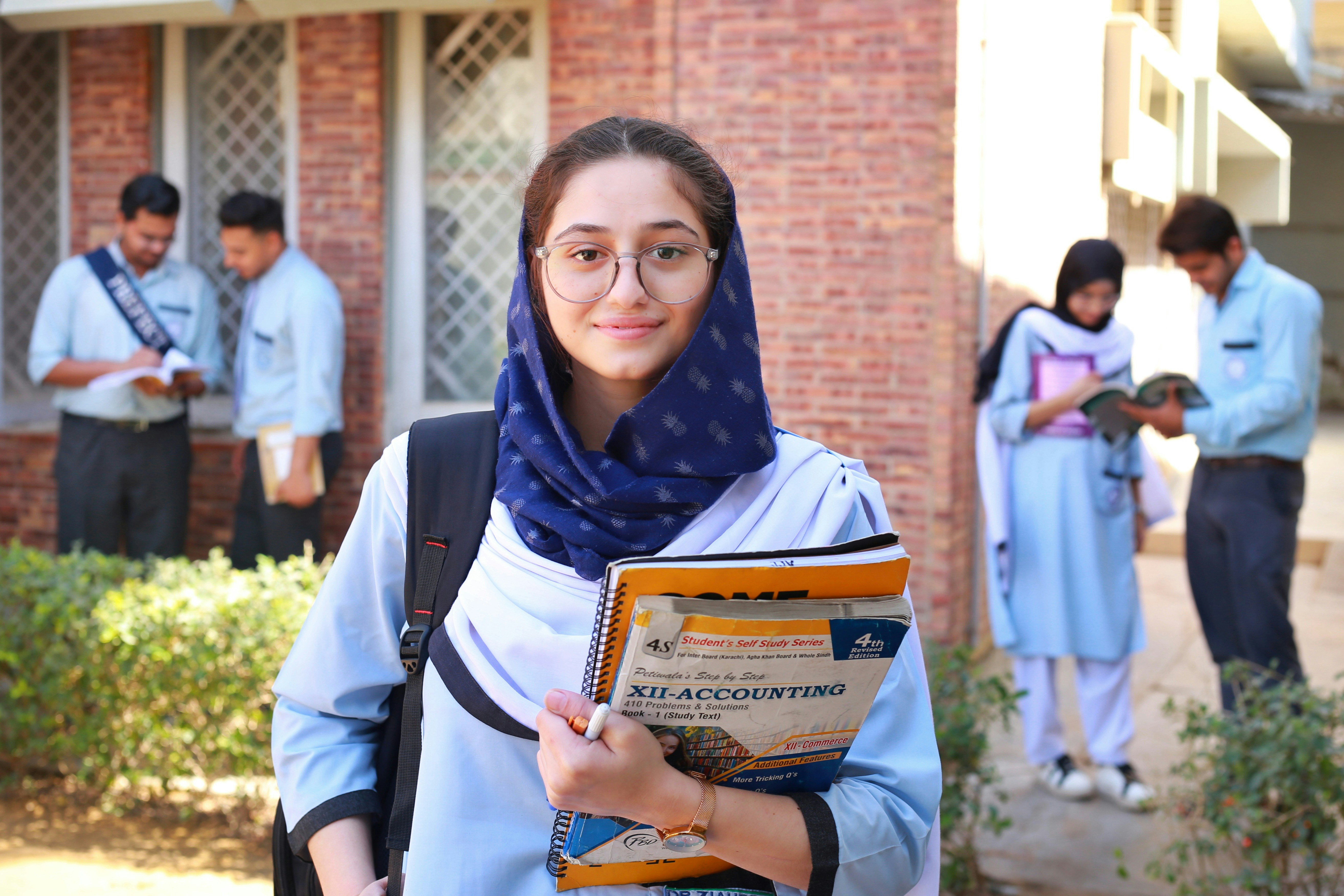
How can a teacher create an inclusive classroom environment
Okay, so I’m a new teacher, fresh out of college, and honestly feeling a little overwhelmed. Everyone talks about creating an "inclusive classroom," but what does that really look like in practice? I have a really diverse group of students this year – different learning styles, cultural backgrounds, some with IEPs, and a few who are still learning English.
I want to make sure all my students feel welcome, respected, and supported. I don’t want anyone to feel left out or like they can’t participate. I guess I’m looking for practical strategies and concrete examples.
Specifically, I’m wondering about things like:
- How can I differentiate instruction effectively to meet the needs of diverse learners without singling anyone out?
- What are some strategies for fostering a sense of community and belonging in the classroom?
- How can I create a classroom culture that celebrates diversity and challenges biases?
- What are some common pitfalls to avoid when trying to be inclusive?
- How do I address insensitive comments or behaviors from students in a way that is both educational and supportive?
I really want to get this right, and I appreciate any advice or resources anyone can offer! Thanks in advance!
Answer
To create an inclusive classroom environment, a teacher can implement strategies across various domains, encompassing curriculum design, instructional practices, classroom management, and fostering a supportive community. The goal is to ensure that all students, regardless of their background, abilities, or learning styles, feel valued, respected, and have equal opportunities to succeed.
I. Curriculum and Instruction:
- Diverse Representation in Materials: Critically evaluate and select curriculum materials that represent a wide range of cultures, ethnicities, genders, abilities, sexual orientations, and socioeconomic backgrounds. This includes textbooks, literature, images, videos, and examples used in lessons. Avoid tokenism and strive for authentic and nuanced portrayals.
- Universal Design for Learning (UDL): Implement UDL principles to design instruction that is accessible to all learners. This involves providing:
- Multiple Means of Representation: Present information in various formats (visual, auditory, kinesthetic) to cater to different learning styles and needs. Use visuals, graphic organizers, real-life examples, and technology to explain concepts.
- Multiple Means of Action and Expression: Allow students to demonstrate their understanding in different ways. Offer choices in assignments (e.g., writing a paper, creating a presentation, building a model) and assessment methods.
- Multiple Means of Engagement: Foster student interest and motivation by providing choice, relevance, and opportunities for collaboration. Connect learning to students’ lives and interests.
- Differentiated Instruction: Tailor instruction to meet the individual needs of students. This can involve:
- Flexible Grouping: Vary group sizes and compositions based on learning needs and objectives. Use whole-class instruction, small groups, pairs, and individual work.
- Tiered Assignments: Design assignments at different levels of difficulty to challenge students at their appropriate level.
- Learning Centers: Create designated areas in the classroom where students can work on specific skills or concepts at their own pace.
- Individualized Learning Plans (ILPs): Develop personalized plans for students with specific learning needs, outlining goals, strategies, and accommodations. Collaborate with special education staff and parents in developing and implementing ILPs.
- Culturally Responsive Teaching: Acknowledge and value students’ cultural backgrounds, experiences, and perspectives. This involves:
- Incorporating students’ cultures into lessons: Use examples, case studies, and activities that relate to students’ cultural backgrounds.
- Building relationships with students and families: Learn about students’ lives outside of school and connect with their families.
- Addressing cultural biases and stereotypes: Explicitly discuss issues of diversity, equity, and inclusion, and challenge stereotypes.
- Inquiry-Based Learning: Promote student-led investigations and projects. This approach allows students to explore topics that are relevant to their interests and backgrounds, fostering engagement and ownership of learning.
- Scaffolding: Provide temporary support to help students learn new skills or concepts. Gradually reduce the support as students become more proficient. Scaffolding can include providing graphic organizers, sentence starters, or step-by-step instructions.
II. Classroom Management and Environment:
- Establish Clear Expectations and Rules: Co-create classroom rules with students, emphasizing respect, responsibility, and inclusivity. Post the rules prominently and consistently enforce them.
- Positive Reinforcement: Focus on praising positive behaviors and effort. Use specific and genuine praise to encourage students.
- Restorative Practices: Implement restorative practices to address conflict and build relationships. This involves facilitating conversations between students who have been harmed and those who have caused harm, focusing on repairing relationships and making amends.
- Safe and Welcoming Physical Space: Arrange the classroom to promote interaction and collaboration. Ensure that the space is accessible to all students, including those with disabilities. Decorate the classroom with diverse images and materials that reflect the students’ backgrounds.
- Address Bias and Discrimination: Respond promptly and effectively to any instances of bias, discrimination, or bullying. Create a zero-tolerance policy for such behaviors and provide clear consequences. Use teachable moments to discuss issues of diversity, equity, and inclusion.
- Promote a Growth Mindset: Encourage students to believe that their abilities can be developed through effort and learning. Praise effort and persistence, rather than just innate talent.
- Build a Sense of Community: Create opportunities for students to get to know each other and build relationships. Use icebreakers, team-building activities, and class discussions to foster a sense of belonging.
- Encourage Student Voice: Create opportunities for students to share their thoughts, ideas, and perspectives. Use class meetings, surveys, and feedback forms to solicit student input.
III. Building Relationships and Communication:
- Get to Know Your Students: Take the time to learn about each student’s individual strengths, interests, needs, and background.
- Show Empathy and Understanding: Be sensitive to students’ experiences and challenges. Listen to their concerns and offer support.
- Communicate Effectively: Use clear and concise language. Provide regular feedback to students and parents. Be accessible and responsive to questions and concerns.
- Collaborate with Families: Build strong relationships with families and involve them in their child’s education. Communicate regularly with parents and provide opportunities for them to participate in classroom activities.
- Collaborate with Support Staff: Work closely with special education teachers, counselors, and other support staff to meet the needs of all students.
- Be a Role Model: Demonstrate inclusive behaviors and attitudes in your own interactions with students and colleagues.
IV. Ongoing Professional Development and Reflection:
- Seek Out Training: Participate in professional development opportunities focused on diversity, equity, inclusion, and culturally responsive teaching.
- Reflect on Your Practice: Regularly reflect on your own biases and assumptions. Seek feedback from colleagues and students on your teaching practices.
- Stay Informed: Stay up-to-date on current research and best practices in the field of inclusive education.
By consistently implementing these strategies, teachers can create a classroom environment where all students feel valued, respected, and empowered to reach their full potential. The process is ongoing and requires continuous effort and adaptation.
This content has been prepared by the Studentanswers editorial team for educational and informational purposes only. We recommend consulting a qualified professional before making any personal decisions.