What activities can parents do with their children to promote early learning
Okay, so I’m a new parent and I’m really keen on giving my little one the best possible start in life. I hear so much about early learning being crucial, but honestly, I’m a bit overwhelmed! I want to do more than just stick them in front of a TV. I’m talking about activities I can do with them, things that are engaging, fun, and actually help them develop.
I’m thinking about activities that cover different areas, like language development, fine motor skills, maybe even some early math concepts without making it feel like a lesson. My child is currently about 18 months old. Budget isn’t a huge issue, but ideally, I’m looking for things that are relatively inexpensive or use materials we probably already have around the house. Are there any specific recommendations you have for things we can do regularly? And how do I know if what I’m doing is actually helping?
Answer
Parents can engage in a wide variety of activities with their children to promote early learning, covering cognitive, social-emotional, language, and physical development. Here are some detailed examples:
Language and Literacy Development:
- Reading Aloud: Reading aloud exposes children to new vocabulary, sentence structures, and narrative patterns. Choose a variety of books with engaging illustrations and different genres. Ask questions about the story, characters, and plot. Encourage the child to predict what will happen next. Re-read favorite books to reinforce learning.
- Storytelling: Make up stories together, taking turns adding details. Use props or act out the stories. This helps develop imagination, sequencing skills, and oral language abilities.
- Singing Songs and Rhymes: Sing nursery rhymes, songs with actions, and silly songs. This builds phonological awareness, rhythm, and memory skills. Point out rhyming words.
- Talking and Conversing: Engage in frequent conversations with your child. Ask open-ended questions that require more than a yes or no answer. Describe your surroundings and activities. Listen attentively to what your child has to say.
- Playing Word Games: Play games like "I Spy," rhyming games, and word association games. This builds vocabulary, listening skills, and critical thinking abilities.
- Writing and Drawing: Provide opportunities for children to draw, scribble, and write. Even scribbles are important precursors to writing. Encourage them to label their drawings or write simple words. Provide a variety of writing tools, such as crayons, markers, and pencils.
- Creating a Print-Rich Environment: Label objects around the house with words. Provide books, magazines, and newspapers. Expose children to a variety of printed materials.
Mathematical Thinking:
- Counting: Count everyday objects, such as fingers, toes, toys, and stairs. Count forwards and backwards.
- Sorting and Classifying: Sort objects by color, shape, size, or type. Classify items into groups. This develops logical thinking and problem-solving skills.
- Measuring: Use measuring cups and spoons while cooking. Measure the height of family members. Use a ruler to measure objects around the house. This introduces the concept of measurement.
- Shape Recognition: Identify different shapes in the environment. Play shape sorting games. Draw shapes together.
- Pattern Recognition: Create patterns using objects or drawings. Ask children to identify and extend patterns.
- Playing Board Games and Card Games: Choose games that involve counting, matching, and strategy. These games develop mathematical thinking and problem-solving skills.
Science and Exploration:
- Nature Walks: Explore the outdoors, observing plants, animals, and insects. Collect leaves, rocks, and other natural objects. Discuss the different seasons.
- Simple Experiments: Conduct simple science experiments at home, such as making a volcano, growing plants, or exploring the properties of water.
- Cooking and Baking: Cooking and baking provide opportunities to learn about measurement, chemical reactions, and nutrition.
- Visiting Museums and Zoos: Visit museums, zoos, and aquariums to learn about different cultures, animals, and environments.
- Asking Questions and Encouraging Curiosity: Encourage children to ask questions and explore their surroundings. Help them find answers to their questions through books, the internet, or experiments.
Social-Emotional Development:
- Playing Games with Rules: Play games that involve following rules, taking turns, and cooperating with others. This helps develop social skills and emotional regulation.
- Role-Playing: Engage in role-playing activities, such as playing house, doctor, or teacher. This helps children develop empathy, communication skills, and problem-solving abilities.
- Talking About Feelings: Talk about different emotions and how to express them in healthy ways. Help children identify and label their own feelings.
- Reading Books About Emotions: Read books that explore different emotions and how to cope with them.
- Modeling Positive Behavior: Model positive social skills, such as sharing, taking turns, and resolving conflicts peacefully.
- Providing Opportunities for Social Interaction: Arrange playdates with other children. Encourage children to participate in group activities.
Physical Development:
- Gross Motor Activities: Encourage children to run, jump, skip, climb, and throw balls. Provide opportunities for outdoor play.
- Fine Motor Activities: Engage in activities that develop fine motor skills, such as drawing, coloring, cutting, and building with blocks.
- Dancing and Movement: Dance to music, encouraging children to move their bodies in different ways. This develops coordination and rhythm.
- Playing with Playdough or Clay: Playing with playdough or clay helps develop fine motor skills and creativity.
- Building with Blocks: Building with blocks helps develop spatial reasoning, problem-solving skills, and creativity.
Other Important Considerations:
- Make Learning Fun: Learning should be enjoyable for children. Choose activities that are engaging and age-appropriate.
- Follow Your Child’s Interests: Pay attention to your child’s interests and provide opportunities for them to explore those interests.
- Be Patient and Supportive: Children learn at different paces. Be patient and supportive, and celebrate their successes.
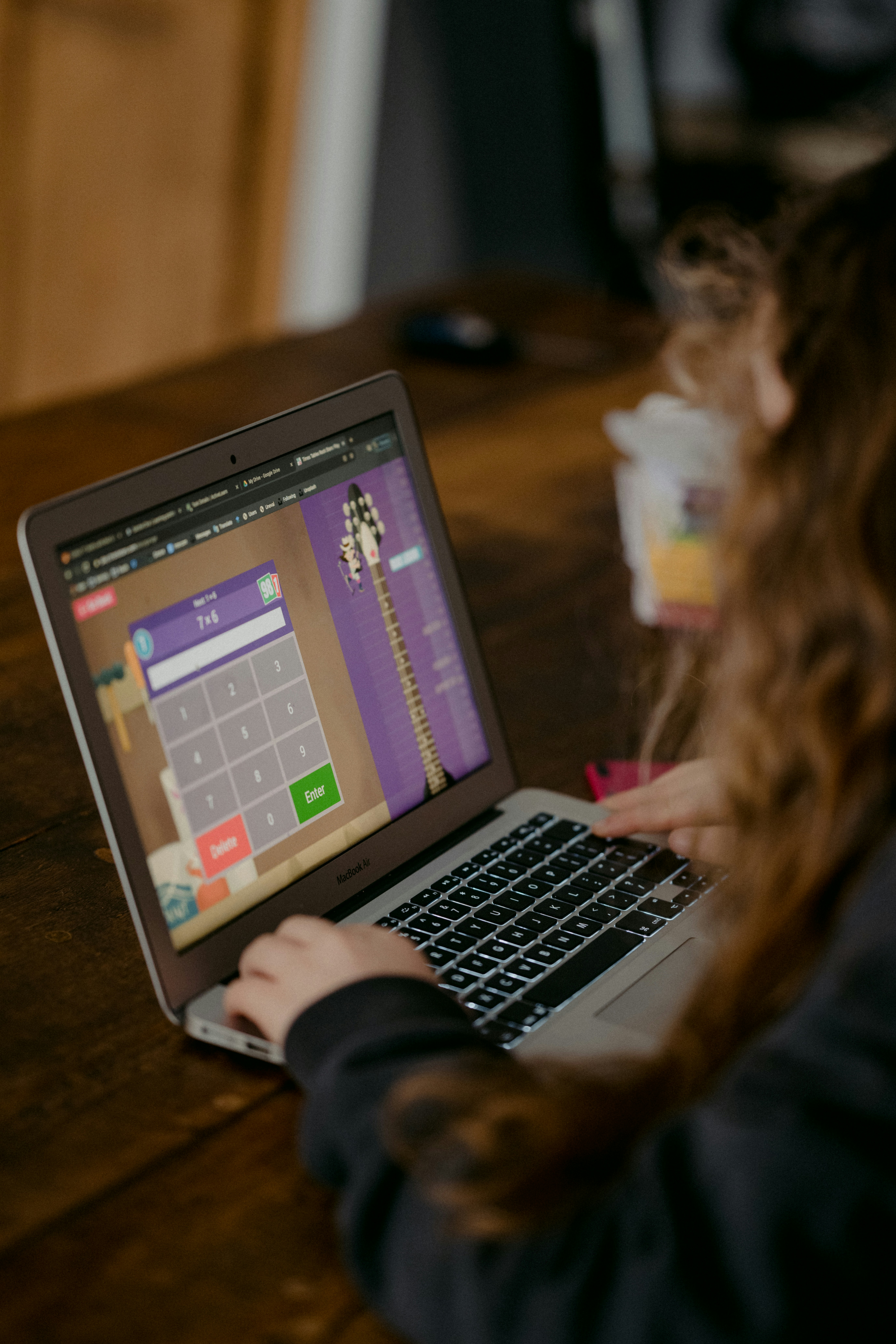
- Limit Screen Time: Excessive screen time can interfere with early learning. Limit screen time and encourage other activities.
- Create a Positive and Stimulating Environment: Provide a home environment that is rich in books, toys, and other learning materials.
- Establish Routines and Structure: Routines and structure can help children feel safe and secure, which can promote learning.
- Communicate with Your Child’s Teachers: Stay informed about your child’s progress and work together with teachers to support their learning.
- Get Involved in Your Child’s School: Participate in school events and volunteer in the classroom.
- Take Care of Yourself: Parents who are well-rested and healthy are better able to support their children’s learning.
This content has been prepared by the Studentanswers editorial team for educational and informational purposes only. We recommend consulting a qualified professional before making any personal decisions.