How does play based learning support physical development
Okay, so I know play-based learning is all about kids learning through games and activities and that it’s supposed to be beneficial overall. My question is, how exactly does it help with physical development? I mean, obviously running around and playing tag is physical, but I’m wondering about specifics.
Like, what types of physical skills are actually being developed? Are we talking about gross motor skills like running and jumping? What about fine motor skills, like using scissors or building with blocks? How do different types of play activities contribute to different physical skills?
Also, is play-based learning enough for proper physical development, or do kids still need structured physical activity like organized sports or specific exercises? I’m just trying to understand the full picture and whether it’s really as effective as everyone says it is. What are some concrete examples of play-based activities and the physical benefits they provide?
Answer
Play-based learning provides numerous opportunities for physical development in children. It fosters the development of both gross motor skills (large movements involving the whole body) and fine motor skills (smaller, more precise movements using hands and fingers). Here’s a detailed breakdown of how different types of play contribute:
Gross Motor Skills Development:
- Active Play/Outdoor Play: This is perhaps the most obvious area for gross motor development. Activities like running, jumping, climbing, skipping, hopping, and playing games like tag directly enhance coordination, balance, agility, and overall body strength. Climbing structures, slides, swings, and open spaces encourage children to test their physical limits and develop spatial awareness. Playing with balls (throwing, catching, kicking) improves hand-eye and foot-eye coordination. Using ride-on toys like bikes or scooters enhances balance and coordination.
- Dramatic Play/Role-Playing: Even within the context of dramatic play, children often engage in physical actions that contribute to gross motor skills. They might pretend to be animals and move like them (crawling, waddling, galloping), act out scenarios that involve walking, running, or dancing, or construct forts and dens, which involves lifting, carrying, and arranging materials.
- Construction Play (Large Blocks): Building with large blocks or other construction materials requires children to lift, carry, stack, and balance objects. This strengthens their muscles, improves coordination, and develops spatial reasoning. They learn about weight distribution and stability as they experiment with different constructions.
- Water Play/Sand Play: While these are often associated with sensory experiences, they also involve physical actions that support gross motor development. Children may carry buckets of water or sand, dig holes, build sandcastles, and use tools to manipulate the materials. These activities require physical effort and coordination.
- Music and Movement: Activities like dancing, singing action songs, and playing musical instruments (like drums or shakers) encourage children to move their bodies in different ways. This develops rhythm, coordination, and body awareness.
Fine Motor Skills Development:
- Creative Play (Drawing, Painting, Sculpting): Activities involving crayons, markers, paintbrushes, clay, or playdough are excellent for developing fine motor skills. These activities require children to use their fingers and hands to grip, manipulate, and control the tools, which strengthens their hand muscles and improves hand-eye coordination. Cutting with scissors is also a valuable fine motor activity.
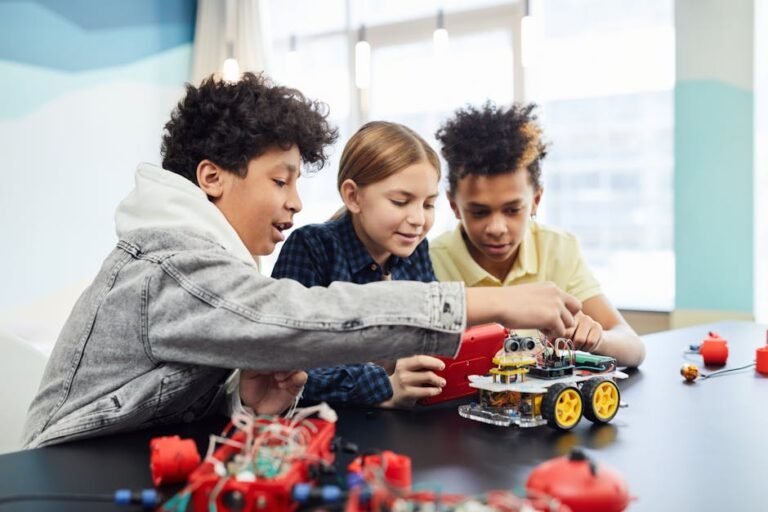
- Construction Play (Small Blocks, Lego): Working with smaller construction materials like Lego bricks, small blocks, or interlocking toys requires precise finger movements. Children must grasp, manipulate, and connect the pieces, which strengthens their finger muscles and improves dexterity.
- Manipulative Play (Puzzles, Beads, Lacing): Activities like puzzles, threading beads, lacing cards, and using tongs or tweezers require children to use their fingers and hands to manipulate small objects. These activities develop fine motor control, hand-eye coordination, and problem-solving skills.
- Sensory Play (Playdough, Sand, Water): Although sensory play contributes to gross motor skills, it also enhances fine motor abilities. Squeezing playdough, pouring water, and sifting sand require children to use their fingers and hands in various ways, strengthening their muscles and improving dexterity.
- Dramatic Play (Dressing Up, Using Props): Activities like buttoning clothes, zipping zippers, using utensils (pretend or real), and manipulating small props (like toy cars or dolls) all contribute to fine motor development.
Overall Benefits:
Play-based learning provides a natural and engaging context for children to develop physical skills. It encourages them to be active, experiment with movement, and explore their physical abilities in a safe and supportive environment. This type of learning:
- Promotes active engagement: Children are more likely to be physically active when they are engaged in play that is meaningful and enjoyable to them.
- Encourages experimentation and risk-taking: Play allows children to experiment with different movements and activities without fear of failure. This helps them to develop confidence in their physical abilities.
- Supports social interaction: Many play activities involve interaction with other children, which can promote cooperation, communication, and social skills.
- Enhances cognitive development: Physical activity has been shown to have a positive impact on cognitive development, including attention, memory, and problem-solving skills.
- Improves overall health and well-being: Regular physical activity is essential for children’s physical and mental health.
By providing a rich and varied play environment, educators can support children’s physical development in a holistic and meaningful way, allowing them to develop the skills and confidence they need to thrive.
This content has been prepared by the Studentanswers editorial team for educational and informational purposes only. We recommend consulting a qualified professional before making any personal decisions.

![What are the job prospects for certified teachers in [Country Name]?](https://studentanswers.org/wp-content/uploads/2025/10/fifu-2025-12-17-dce46de3-768x512.jpeg)