Understanding Monthly Payments on a $30,000 Student Loan
Factors Influencing Monthly Payments
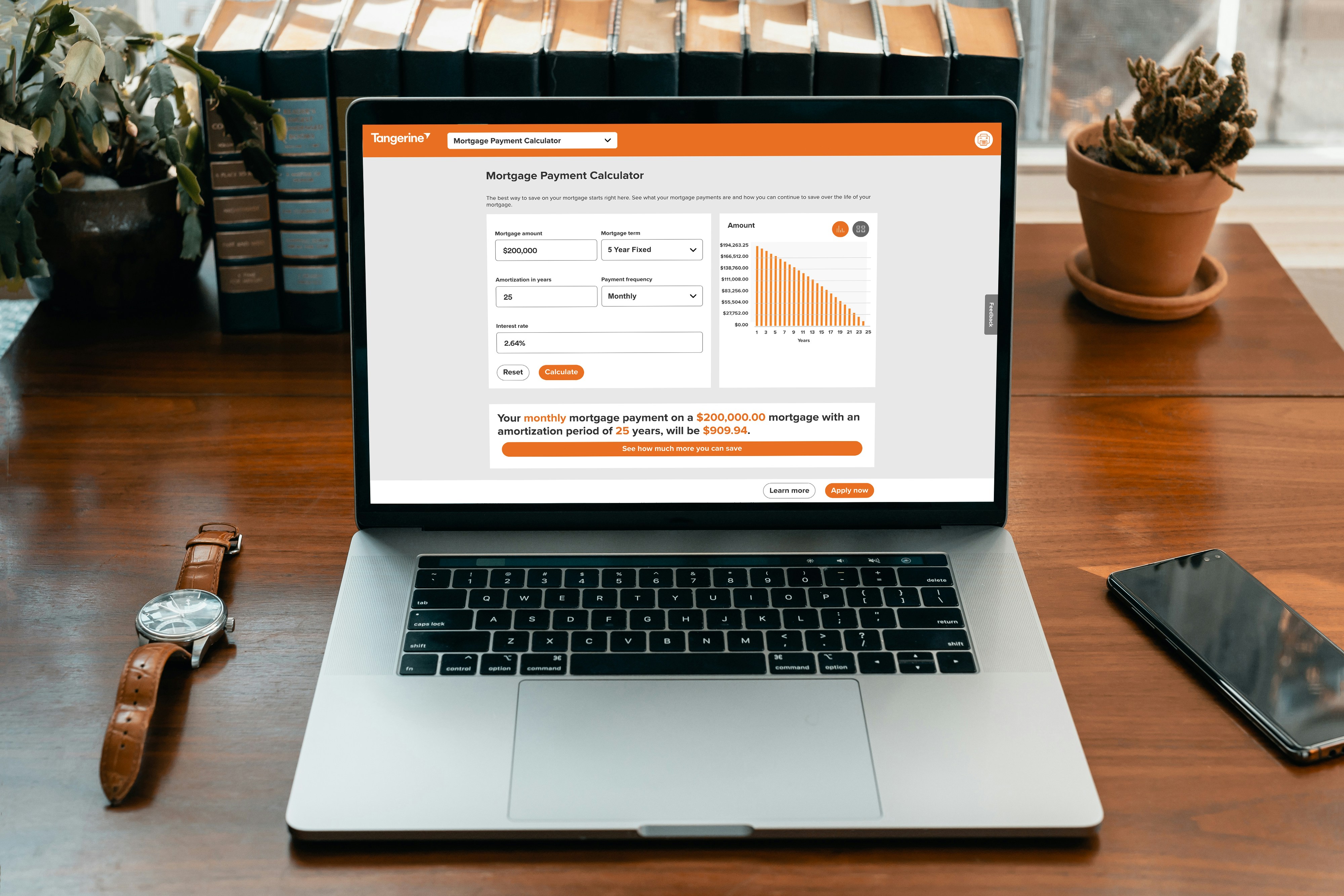
When considering a $30,000 student loan, several key factors will influence the determination of monthly payment amounts. One of the most significant factors is the interest rate applied to the loan. Typically, higher interest rates lead to increased monthly payments. For instance, on a 10-year repayment plan, a loan with a 5% interest rate results in an estimated monthly payment of approximately $318. Conversely, if the interest rate rises to 16.49%, the monthly payment can escalate to around $512, emphasizing the critical role that interest rates play in financial planning for students.
Another important element is the loan term, which refers to the duration over which the loan must be repaid. A standard term for federal student loans is 10 years, but borrowers may choose shorter or longer terms based on their financial situations. For instance, opting for a shorter term, such as five years, could yield higher monthly payments, while extending the loan term can reduce those payments but often results in incurring more interest over the life of the loan.
Additionally, the choice of repayment plan significantly impacts monthly financial obligations. Federal student loans offer various repayment options, including income-driven repayment plans and graduated repayment plans. Income-driven plans adjust monthly payments based on a borrower’s income and family size and may provide initial payments lower than those based on a fixed repayment plan. Graduated repayment plans start with lower payments that gradually increase over time, providing some flexibility to borrowers in their early career stages. Overall, understanding these variables is crucial for anyone looking to manage a $30,000 student loan effectively, as they directly affect not only the monthly payment amounts but also the long-term financial commitments involved.
Monthly Payment Estimates Based on Interest Rates
Understanding the monthly payments associated with a $30,000 student loan is crucial for borrowers planning their financial future. One of the key factors influencing these payments is the interest rate applied to the loan. For standard loans, the interest rate can vary significantly, which in turn affects the overall cost of borrowing.
Considering a typical 10-year repayment plan, a $30,000 student loan with a 5% interest rate results in a monthly payment of approximately $318. This scenario exemplifies how a moderate interest rate can yield manageable payment amounts, making budgeting easier for students transitioning to the workforce.
Conversely, if the interest rate increases to 16.49%, which is on the higher end of the spectrum, the monthly payment rises to about $512. This substantial increase emphasizes the importance of securing a favorable interest rate when taking out a loan. It is also important to note that various repayment plans can lead to different monthly payment amounts, regardless of the interest rate. For instance, income-driven repayment plans allow borrowers to pay a percentage of their income, which can initially lower monthly payments but may extend the repayment term significantly.
The choice of loan term also plays a vital role in determining monthly payments. For shorter terms, such as five years, the estimated monthly payment could be around $700 or higher, while extending the term beyond 10 years typically decreases the monthly obligations. Borrowers should weigh the potential impact of these factors carefully, as a lower payment may initially seem advantageous but might result in higher overall costs due to accumulated interest over time.
Repayment Plans: Options for Borrowers
When it comes to repaying a $30,000 student loan, borrowers have several options to consider, each with its own unique features, advantages, and disadvantages. Understanding these repayment plans can help borrowers choose the best strategy for their financial circumstances.
The standard repayment plan is the most common choice. For a $30,000 student loan, the typical loan term is 10 years, with fixed monthly payments. Depending on the interest rate, a $30,000 student loan’s monthly payment can range from approximately $300 to over $700. For instance, if the interest rate is set at 5%, the payment is around $318 per month. However, if the interest rate is higher, say at 16.49%, the monthly payment may increase to about $512, underscoring how critical the interest rate is in determining the final cost.
Another option is income-driven repayment plans, which are designed to help borrowers manage their payments based on income and family size. These plans often start with lower payments, which can be beneficial for those who are just starting their careers or earning a lower salary. By calculating monthly payments as a percentage of discretionary income, borrowers may find that their payments are more manageable. However, this approach may extend the loan term, leading to more interest accrued over time.
Graduated repayment plans are also available, where payments start lower and increase every two years. This option may appeal to those who anticipate their income will rise significantly over time. While this can make initial payments more affordable, it may ultimately lead to higher total payments over the life of the loan.
When evaluating these plans, it is essential for borrowers to consider their own financial situations, career trajectories, and long-term goals, ensuring that they choose a repayment option that offers both short-term relief and long-term viability.
Conclusion: Making Informed Financial Decisions
Understanding how much a $30,000 student loan per month can cost is crucial for prospective borrowers. The monthly payment on such a loan can vary significantly based on several factors, including interest rates, loan terms, and the chosen repayment plan. For instance, a traditional 10-year repayment plan at a 5% interest rate results in estimated monthly payments of about $318. Conversely, if the interest rate is higher, say 16.49%, the monthly payment could rise to around $512.
It is also important for borrowers to consider alternatives that may affect their monthly payment amounts. Income-driven repayment plans, for example, are designed to adjust a borrower’s monthly payment according to their income level, potentially lowering the initial payments significantly. Similarly, graduated repayment plans can provide an option for those expecting their income to increase over time.
Given these varying factors, it is essential for individuals to conduct thorough research and calculations to estimate their specific financial obligations accurately. This includes evaluating the implications of different loan terms, understanding how interest rates can impact monthly payments, and exploring various repayment options available to them. Borrowers should also seek out financial education resources and, if necessary, professional advice to navigate their choices effectively.
By grasping the elements that influence the monthly payment on a $30,000 student loan, borrowers can make more informed financial decisions. This understanding can empower them to select a repayment plan that aligns with their financial situation, ultimately leading to a more manageable repayment experience. The importance of being well-informed in today’s lending landscape cannot be overstated, as it can pave the way for financial stability in the future.
This content has been prepared by the Studentanswers editorial team for educational and informational purposes only. We recommend consulting a qualified professional before making any personal decisions.