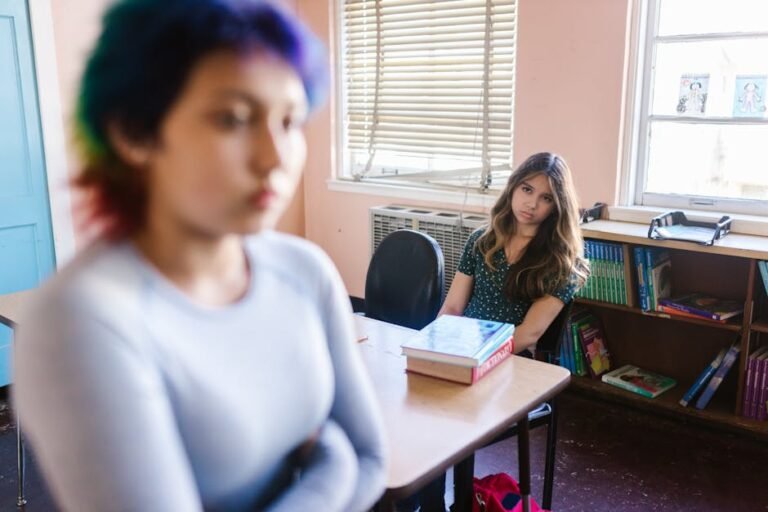
The 5 C’s of Teaching: Enhancing the Learning Experience

Introduction to the 5 C’s in Education
The concept of the 5 C’s in teaching encompasses collaboration, communication, creativity, and critical and computational thinking. This framework aims to enhance learning experiences by shifting away from traditional educational methodologies that often rely on a one-size-fits-all lesson plan. Educators have historically designed lessons that cater to the entire class as a group, which may limit the ability to address each student’s unique learning style and needs.
In an evolving educational landscape, it is increasingly recognized that varying instructional methods that foster the 5 C’s can significantly improve engagement and understanding among learners. By employing these principles, educators can create a more inclusive environment that values each student’s input and promotes active participation. For instance, collaboration encourages students to work together on projects, thereby allowing them to learn from their peers while building teamwork skills. Similarly, communication fosters an open dialogue between students and teachers, facilitating feedback and improving overall comprehension of the material.
Creativity serves as a crucial component of the 5 C’s, as it encourages students to think outside the box and explore innovative solutions to problems. In the same vein, critical thinking challenges learners to analyze information rigorously and make informed decisions. Finally, computational thinking adds a layer of analytical skills, promoting problem-solving abilities that are essential in a technology-driven world.
Integrating these five elements into teaching practices enables educators to nurture a dynamic learning environment that is adaptable to individual differences. Through this approach, the question “what are the 5 C’s of teaching?” becomes not just an inquiry but a guiding principle for effective educational practices. As we delve deeper into each of these components, it becomes clear how they collectively contribute to elevating the educational experience for all students.
Collaboration: Building Cooperative Learning Environments
Collaboration is an essential component of the learning process, particularly in the context of what are the 5 C’s of teaching? By fostering cooperative learning environments, educators not only enhance academic achievement but also cultivate vital social skills among students. Through collaborative projects, students share diverse perspectives, which broadens their understanding of the subject matter and promotes critical and computational thinking.
One effective strategy for encouraging collaboration is the implementation of group-based assignments. In these setups, students are tasked with working together to solve a problem or complete a project. This approach requires them to communicate effectively, delegate responsibilities, and negotiate differing viewpoints, thereby sharpening their interpersonal skills. Educators can further facilitate collaboration by establishing clear guidelines and roles within the group to ensure that all students are actively participating and engaged.
Peer learning also serves as a significant facet of collaboration. When students collaborate, they not only learn from the instructor but also from each other. For instance, in a science class, students might work in pairs to conduct experiments, making observations, and sharing insights. This peer interaction encourages them to articulate their thoughts and understand concepts from various angles, resulting in a more profound grasp of the material.
Real-life examples abound in successful collaborative learning experiences. In a history class, for instance, students could research different aspects of a historical event in small groups and later present their findings to the class. This method enables students to view historical narratives holistically and appreciate the complexities involved. Moreover, it instills a sense of responsibility and accountability as each group relies on its members to contribute effectively to the collective output.
In sum, incorporating collaboration into the educational framework significantly enhances students’ learning experiences by promoting teamwork, social engagement, and a deeper understanding of content, aligning closely with the principles of what are the 5 C’s of teaching?
Communication: Engaging Students Effectively
Communication plays a pivotal role in the educational process, serving as the foundation for effective teaching and learning. Educators who prioritize communication help create a supportive atmosphere that enhances student engagement and participation. By employing various communication techniques, teachers can foster an environment where students feel encouraged to express their ideas, questions, and concerns.
One fundamental aspect of effective communication in the classroom is active listening. This technique involves attentively hearing what students say, validating their thoughts, and responding appropriately. When educators model active listening, they not only show respect for their students’ opinions but also encourage them to be more vocal and engaged in class discussions. This reciprocal exchange strengthens the teacher-student relationship and builds a foundation for mutual understanding, ultimately enhancing the learning process.
Open dialogue is another crucial communication strategy that promotes student engagement. By encouraging open and honest conversations, educators empower students to share their thoughts and perspectives. Creating a safe space for dialogue allows learners to feel comfortable discussing their ideas, which can lead to collaborative problem-solving and innovative thinking. The inclusion of various viewpoints enriches class discussions and stimulates critical thinking, which aligns with the overarching goals of the 5 C’s of teaching.
Constructive feedback is essential for fostering a successful learning environment. When educators provide timely and specific feedback, students can grasp their areas of strength and improvement. This type of communication not only motivates learners to enhance their skills but also builds a culture of continuous growth and development. By focusing on these communication strategies, teachers can effectively engage students, creating a richer educational experience that prepares them not only academically but also personally for future challenges.
Creativity and Critical Thinking: Cultivating Innovative Minds
In the contemporary educational landscape, creativity and critical thinking are increasingly recognized as vital components of effective learning. These skills not only enable students to solve problems and generate innovative ideas but also prepare them to navigate complex challenges in their future endeavors. When educators integrate creativity and critical thinking into their curriculums, they foster an environment where students can explore concepts deeply, encouraging a mindset geared toward exploration and inquiry.
One effective strategy for promoting creativity lies in project-based learning, where students engage in hands-on, collaborative tasks that require them to think outside traditional boundaries. By working on projects that demand innovative solutions, students develop their problem-solving capabilities while also honing their ability to communicate effectively with peers. This approach not only enhances engagement but also nurtures a sense of ownership over their learning experiences.
Critical thinking can be fostered through activities that challenge students to analyze, evaluate, and synthesize information. Educators can incorporate debates, case studies, and Socratic questioning into their lesson plans to stimulate higher-order thinking. By encouraging students to assess various angles of a topic and defend their viewpoints, teachers can help develop the analytical skills necessary for effective decision-making.
Integrating both creativity and critical thinking aligns with the concept of the 5 C’s of teaching. Rather than delivering a uniform lesson plan, educators should embrace the diversity of their classrooms, tailoring instruction to accommodate varied learning styles. This personalized approach not only acknowledges individual student strengths but also equips them for the future. In challenging the norm, these educational strategies lay the groundwork for a generation that is prepared to innovate and adapt in an ever-evolving global landscape.
This content has been prepared by the Studentanswers editorial team for educational and informational purposes only. We recommend consulting a qualified professional before making any personal decisions.