Exploring the Four Key Components of Learning: Kolb’s Experiential Learning Cycle
Understanding Kolb’s Experiential Learning Cycle
Kolb’s Experiential Learning Cycle is a foundational concept in educational psychology, emphasizing the notion that learning is an ongoing process that transforms experiences into meaningful knowledge. Developed by David Kolb in the 1980s, this approach posits that effective learning occurs through a cyclical experience involving four key components: concrete experience, reflective observation, abstract conceptualization, and active experimentation.
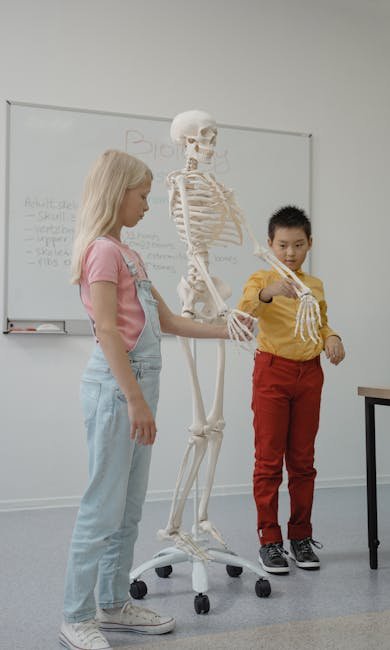
The first component, concrete experience, involves actively participating in an experience. This could take many forms, such as engaging in a new project, attending a workshop, or participating in a discussion. It highlights the importance of being engaged in real-world activities that stimulate personal involvement and emotional investment, setting the stage for deeper understanding and retention of knowledge.
The second component, reflective observation, emphasizes the necessity of reflecting on the experiences. Learners observe and interpret their experiences, analyzing what happened, the methods used, and the outcomes achieved. This reflective practice is crucial, as it allows individuals to make sense of their experiences, draw insights, and consider different viewpoints, thus enriching the learning process.
Next is abstract conceptualization, where learners formulate concepts and theories based on their reflections. This stage involves the synthesis of thoughts into actionable frameworks or theories, allowing learners to generalize their experiences to broader contexts. This conceptual understanding is paramount in fostering critical thinking and deeper analysis of learned material.
Finally, active experimentation takes place, where learners apply their newly acquired concepts to real-world scenarios. This hands-on application not only reinforces learning but also promotes further experimentation and exploration. By engaging in active experimentation, learners can test their assumptions, learn from failures, and refine their approaches.
Understanding Kolb’s Experiential Learning Cycle provides insightful perspectives on what are the four key components of learning, aiding educators and learners alike in recognizing the diversity of learning styles and the dynamic nature of the educational process.
Concrete Experience: The Starting Point of Learning
The first component of Kolb’s experiential learning cycle is concrete experience, which serves as the foundation of the learning process. This stage emphasizes the importance of engaging directly with the material, providing learners with firsthand experiences that are critical for effective learning. Concrete experiences can take many forms, including hands-on activities, real-life simulations, field trips, and interactive exercises, all designed to immerse learners in the subject matter.
Concrete experiences facilitate a sensory engagement with the learning material, allowing individuals to gain insight through active participation rather than passive observation. For instance, in a science education context, students might conduct experiments to observe chemical reactions directly, thereby reinforcing theoretical concepts introduced in the classroom. Similarly, in vocational training, apprentices may learn a trade by performing tasks under the guidance of experienced professionals, which enhances comprehension and retention of skills.
In addition, concrete experiences can foster emotional connections to the learning material. Engaging in real-world tasks not only promotes cognitive understanding but can also evoke feelings that create a lasting impression. For example, volunteering in a community service project can provide learners with a deeper appreciation of societal issues, thereby enriching their learning journey. These experiences also allow for the alignment of practical skills with theoretical knowledge, generating a comprehensive learning experience that resonates more effectively with learners.
Ultimately, the significance of concrete experience in the learning cycle cannot be overstated. As the starting point of learning, real-life activities and hands-on experiences not only energize the learning process but also encourage learners to engage critically with the material. Through this vital first component, learners are prepared to reflect on their experiences, leading to deeper understanding and assimilation of knowledge in subsequent stages of Kolb’s cycle.
Reflective Observation: Gaining Insights from Experience
Reflective observation is the second stage of Kolb’s experiential learning cycle, and it plays a pivotal role in the learning process. This component emphasizes the necessity of stepping back and observing one’s experiences systematically. Engaging in reflective observation allows learners to contemplate their past actions, interactions, and reactions, which can lead to a deeper understanding of the learning process. By examining these experiences critically, individuals can identify patterns and trends that may shape their future behaviors and decisions.
This stage encourages learners to engage with their thoughts and feelings regarding an experience. Various reflective techniques can aid in this process, such as journaling, where individuals can document their thoughts immediately following an experience. This technique not only captures the emotions felt during the experience but also provides a platform for further analysis over time. Group discussions represent another effective method for fostering reflective observation. By sharing experiences with peers, learners gain diverse perspectives, which can enrich their understanding and challenge their assumptions.
Additionally, reflective observation is a catalyst for critical thinking. As learners focus on their experiences, they are prompted to ask questions that delve into the finer details of their actions and decision-making processes. This self-inquiry fosters a habit of thoughtfulness and consideration which is essential for informed and deliberate future actions. By regularly incorporating reflective practices into their learning habits, individuals can enhance their ability to analyze situations and develop critical insights. In the context of Kolb’s experiential learning cycle, reflective observation not only refines existing knowledge but also sets the groundwork for subsequent stages, including abstract conceptualization and active experimentation, thereby creating a comprehensive learning framework.
Abstract Conceptualization and Active Experimentation: Bridging Theory and Practice
In the context of Kolb’s experiential learning cycle, the final two components, abstract conceptualization and active experimentation, represent critical stages where learners refine their understanding and apply newly acquired knowledge in practical settings. Abstract conceptualization refers to the process of creating theories and generalizations based on the experiences encountered during the earlier stages of the learning cycle. This involves analyzing information, integrating experiences, and forming concepts that can be applied in various contexts. Learners engage in critical thinking and reflection to develop a set of principles or models that serve as a framework for understanding future experiences.
The process of abstract conceptualization allows individuals to step back and evaluate what they have learned, fostering a deeper comprehension of the subject matter. By synthesizing observations and experiences, learners can construct robust theoretical frameworks that inform their actions and decisions. This theoretical base is essential as it empowers learners to navigate complex problems and adapt strategies effectively.
Following abstract conceptualization, active experimentation induces a practical application of theories previously developed. During this stage, learners take the insights and concepts they have generated and test them in real-world situations. This hands-on engagement reinforces learning and encourages the pursuit of further knowledge. Through active experimentation, individuals can assess the validity of their theories, leading to a cycle of continued enhancement. The iterative process of testing and refining concepts not only solidifies understanding but also promotes personal growth and confidence in one’s capabilities.
The relationship between abstract conceptualization and active experimentation exemplifies the dynamic nature of learning. By continuously revisiting and refining concepts through practical application, learners can achieve a higher level of expertise and adaptability. Thus, understanding what the four key components of learning are serves as a foundation for fostering effective learning strategies in both personal and professional contexts.
This content has been prepared by the Studentanswers editorial team for educational and informational purposes only. We recommend consulting a qualified professional before making any personal decisions.