Exploring the 4 Frames of Learning: A Guide to Child-Centered Education
Introduction to the 4 Frames of Learning
The 4 Frames of Learning serve as a cornerstone in the landscape of early childhood education, designed to foster holistic development in young learners. These frames—belonging and contributing, self-regulation and well-being, demonstrating literacy and mathematics behaviours, and problem solving and innovating—offer a comprehensive framework that encapsulates the diverse dimensions of a child’s learning journey. Each frame plays a vital role in enriching the educational experience, engaging children through different avenues of exploration and understanding.
Belonging and contributing emphasizes the importance of social interaction and community involvement. By experiencing a sense of belonging, children cultivate strong social skills and learn the value of collaboration. This frame encourages children to connect with their peers, fostering relationships that are essential for emotional and social development.
Self-regulation and well-being focus on the emotional and psychological aspects of learning. It emphasizes the significance of self-awareness and emotional control, allowing children to manage their feelings and actions effectively. By developing strategies for self-regulation, children enhance their overall well-being and become more resilient, which is critical for their long-term success.
Demonstrating literacy and mathematics behaviours highlights the acquisition of essential skills that form the foundation of academic learning. This frame guides children in exploring language and mathematical concepts through various engaging activities, reinforcing the idea that literacy and numeracy can be experienced in a playful manner.
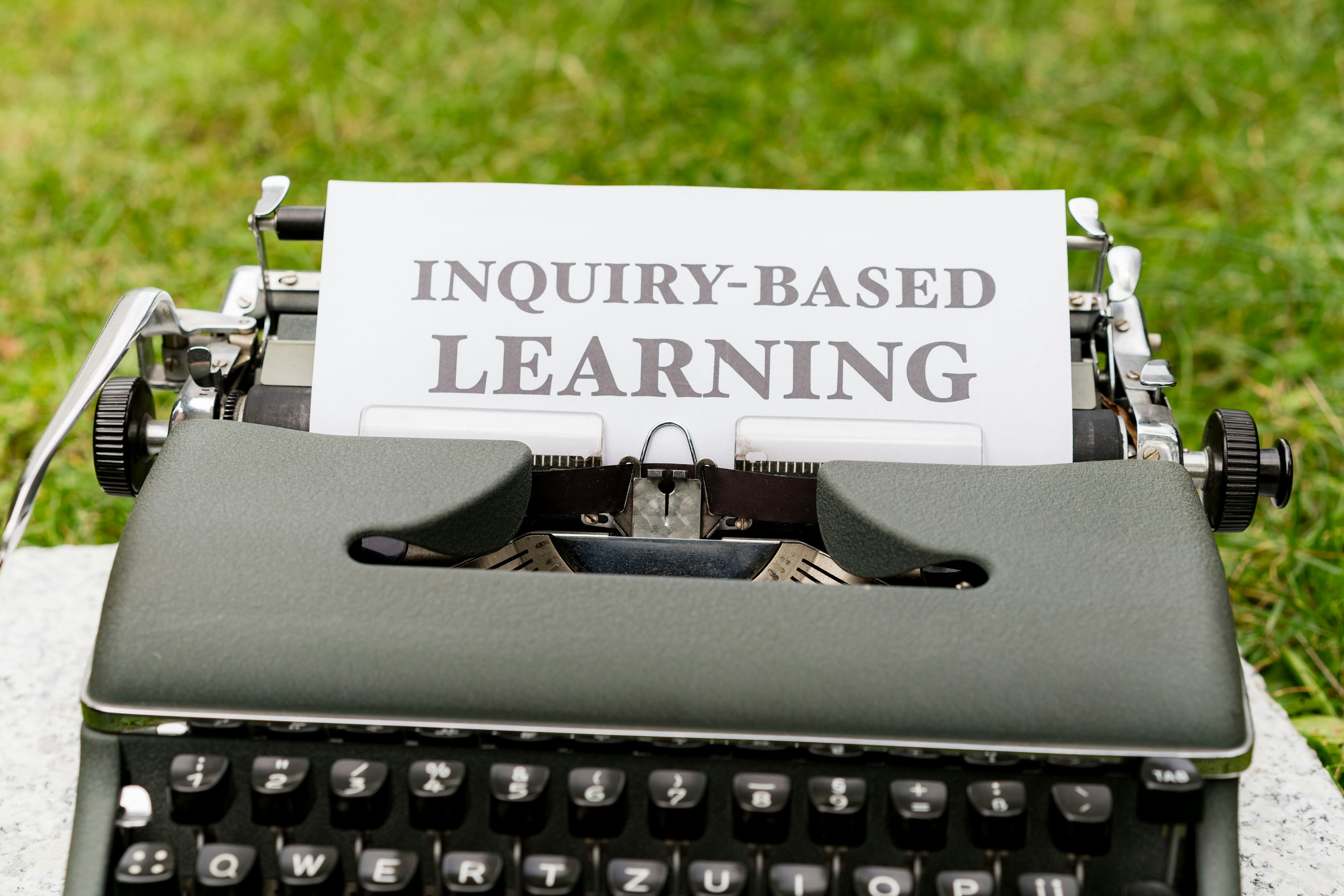
Lastly, problem solving and innovating encourage creative thinking and the ability to navigate challenges. Children are motivated to explore solutions and develop new ideas, nurturing their curiosity through inquiry-based learning.
These four frames of learning are interconnected, providing multiple entry points for children to learn through play and inquiry. By integrating these frames, educators can create a rich, supportive environment that not only enhances learning outcomes but also promotes a lifelong love of learning.
Belonging and Contributing
The first of the four frames of learning, belonging and contributing, is essential for the development of a harmonious and inclusive educational environment. This frame addresses the significance of fostering a sense of community among children, allowing them to feel valued and recognized within their learning context. When children feel they belong, they are more likely to engage actively in group activities, thereby enhancing their social skills and emotional intelligence.
Creating an inclusive learning environment is paramount for nurturing belonging and contributing. Educators can implement various strategies to achieve this. One effective approach is the incorporation of collaborative projects that require input from all children, thus promoting teamwork. These projects not only empower children to share their ideas and perspectives but also enable them to develop problem-solving skills as they navigate challenges together. By encouraging collaboration, children learn the importance of respecting diverse viewpoints, which is vital for their personal development and for community cohesion.
Additionally, educators can create opportunities for children to take on roles that highlight their unique strengths within group settings. Assigning roles based on individual interests or talents helps instill a sense of contribution and ownership over their learning process. Furthermore, celebrating each child’s contributions reinforces their self-worth and strengthens their identity within the group. Recognizing achievements, no matter how small, fosters an environment where children are motivated to participate actively and share openly.
The implications of belonging and contributing extend beyond social dynamics. Enhanced emotional intelligence develops as children learn to appreciate the feelings and perspectives of their peers. This understanding nurtures empathy, a critical life skill that will benefit them in their future interactions. Ultimately, the interconnectedness of the frames—belonging and contributing, self-regulation and well-being, demonstrating literacy and mathematics behaviours, and problem solving and innovating—underscores the holistic approach to learning through play and inquiry.
Self-Regulation and Well-Being
Self-regulation represents a crucial facet of child development, encompassing a range of skills that enable children to manage their emotions, behaviors, and thoughts. The importance of teaching children self-regulation skills cannot be overstated, as it directly influences their overall well-being and learning capabilities. When children learn to regulate their emotions, they become better equipped to navigate social interactions, face challenges, and approach learning tasks with a positive outlook. This foundational skill allows for healthier relationships with peers and adults, ultimately fostering a conducive learning environment.
The relationship between self-regulation and well-being is reciprocal; as children develop effective self-regulation skills, they experience enhanced emotional and physical health. They learn to cope with stress, delay gratification, and set realistic goals, which contributes to their overall psychological resilience. Moreover, when children possess strong self-regulatory skills, they demonstrate improved academic performance and engagement in school activities, leading to a more enriching educational experience.
Educators play a pivotal role in supporting children’s self-regulation and well-being. Practical strategies for fostering these skills include establishing a supportive classroom atmosphere that encourages emotional expression and validation. Implementing routines and consistent expectations can provide children with a sense of stability, enabling them to understand and manage their responses to various situations. Additionally, engaging children in mindfulness practices and reflective activities promotes self-awareness, helping them identify their feelings and make thoughtful decisions.
Creating a well-regulated environment is essential; carefully structured spaces and routines facilitate opportunities for self-regulation to flourish. This holistic approach not only nurtures children’s emotional and behavioral management skills but also contributes to their overall learning journey, aligning with the interconnectedness of the frames – belonging and contributing, self-regulation and well-being, demonstrating literacy and mathematics behaviors, and problem solving and innovating. Fostering self-regulation ultimately opens multiple entry points for children to learn through play and inquiry, enhancing their educational experiences.
Demonstrating Literacy and Mathematics Behaviours, and Problem Solving and Innovating
The frames of learning are essential tools in understanding how children engage with literacy and mathematics. Demonstrating literacy and mathematics behaviours emphasizes the importance of both skills as foundational components in a child’s educational journey. Children engage with a variety of literacy experiences, from storytelling to reading comprehension, allowing them to build vocabulary and understand context. Mathematical behaviours further develop through engaging in counting, measuring, and recognizing patterns. These experiences not only enhance foundational skills but also instill in children a confidence that empowers them to explore more complex concepts.
When considering problem solving and innovating, children are encouraged to approach challenges creatively. This frame nurtures critical thinking skills, as children are invited to explore various solutions to real-world problems. For instance, through playful activities like building a bridge with blocks or designing a new game, children practice critical analysis and logical reasoning. These actions lead to a deeper understanding of mathematics and the application of literacy in context.
The interconnectedness of these frames allows for multiple entry points for children to learn through play and inquiry. For example, a child might read a story (demonstrating literacy) about how to cook a simple recipe and then be tasked with measuring ingredients (demonstrating mathematics). Following this, they could innovate by creating a new recipe or changing one step in the cooking process, thereby integrating problem-solving skills. Such interactions not only lead to a richer understanding of literacy and mathematics but also equip children with the necessary skills to adapt to future learning challenges.
By fostering these behaviours within a play-based context, educators can effectively support children’s readiness and enthusiasm for learning. The synergy between these frames encourages children to express themselves through literacy, tackle mathematical challenges, and innovate through systematic problem-solving.
This content has been prepared by the Studentanswers editorial team for educational and informational purposes only. We recommend consulting a qualified professional before making any personal decisions.