The Basics of Learning: A Foundation for Growth and Development
Understanding the Fundamentals of Learning
Learning is a multifaceted process that involves acquiring new knowledge, skills, and attitudes, which are essential for both survival and personal development. At its core, what are the basics of learning? This question directs us to explore foundational knowledge that serves as a cornerstone for more complex topics. Basic learning involves developing key capabilities such as literacy and numeracy. Literacy refers to the competency in reading and writing, while numeracy pertains to the ability to understand and apply mathematical concepts. These skills are not merely academic; they are vital in navigating everyday tasks and challenges.
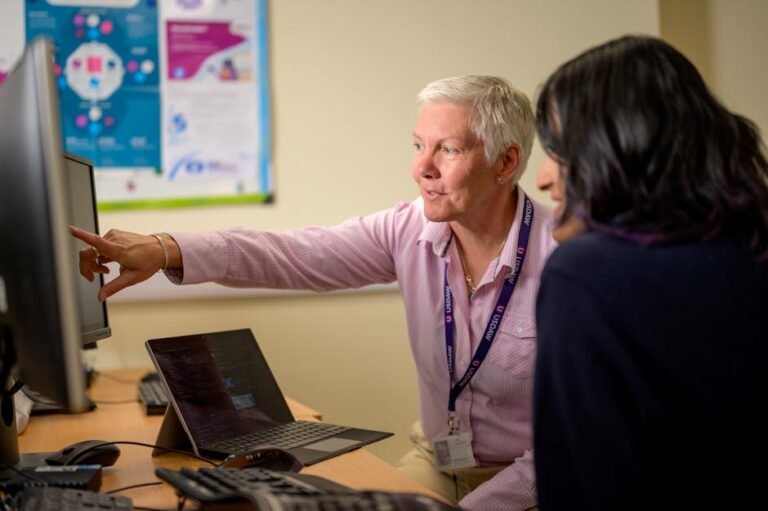
The significance of learning extends beyond basic skills. It encompasses a broader spectrum of knowledge that includes problem-solving abilities and critical thinking. This foundational learning enhances an individual’s capacity to adapt to new situations, thereby ensuring continued growth and development. Furthermore, learning occurs through various methods—formal, informal, and non-formal—allowing individuals to expand their horizons in diverse environments. Formal education, such as schooling, tends to follow a structured curriculum, while informal learning takes place in everyday contexts, such as through social interactions or personal experiences.
Another crucial aspect of understanding learning fundamentals is its dynamic nature. Learning is not a static endeavor; it is continuous and evolves as individuals encounter new information and experiences. This adaptability is essential in today’s rapidly changing world, where the ability to learn and relearn is paramount. Developing a growth mindset—an understanding that abilities can be cultivated through effort and perseverance—further supports this ongoing learning process. In summary, the basics of learning provide the groundwork for successful personal and professional development, ensuring individuals are well-equipped to navigate the complexities of life.
Foundational Skills: Literacy and Numeracy
What are the basics of learning? At the core of basic learning lie foundational skills, particularly literacy and numeracy. These skills are not merely academic requirements; they are essential for personal and professional development. Literacy, defined as the ability to read and write, enables individuals to communicate effectively, understand information, and engage with the world around them. Numeracy, on the other hand, pertains to the ability to use mathematics in everyday situations, facilitating problem-solving and decision-making.
These foundational skills serve as the building blocks for acquiring more complex knowledge and are integral to what are the basics of learning. For instance, literacy allows individuals to access a wealth of information across various subjects, fostering an environment conducive to continuous learning. Likewise, numeracy skills are critical in contexts ranging from budgeting personal finances to interpreting data in professional settings. Together, literacy and numeracy create a strong foundation that enhances one’s capability to navigate daily challenges effectively.
Moreover, basic learning involves acquiring these essential skills in various ways. Formal education systems provide structured learning environments where literacy and numeracy are systematically taught. Informal learning occurs through everyday experiences, such as engaging with books, interacting with peers, or using technology. Non-formal methods, such as community workshops or online courses, also play a vital role in skill acquisition. This diverse array of learning pathways underscores the dynamic process of acquiring new information and the importance of literacy and numeracy as a foundation for further academic growth.
In conclusion, the significance of foundational skills like literacy and numeracy cannot be overstated. They are crucial not just for academic success, but also for informed decision-making and personal empowerment in an increasingly complex world.
Diverse Learning Methods: Formal, Informal, and Non-formal
Learning is a multifaceted process that can take place through various approaches, each with its own characteristics, advantages, and applicability. The three primary categories of learning methods are formal, informal, and non-formal education. Understanding these methods is crucial for answering the question: what are the basics of learning?
Formal education typically occurs in structured environments, such as schools and universities, where learners are guided by a curriculum. This method focuses on acquiring foundational knowledge in subjects like literacy, numeracy, and problem-solving through a systematic approach. The advantages of formal education include standardized assessments and qualifications recognized by various institutions and employers. However, it may not cater to all learning styles, which is crucial to consider in the context of basic learning that involves developing foundational skills necessary for personal growth.
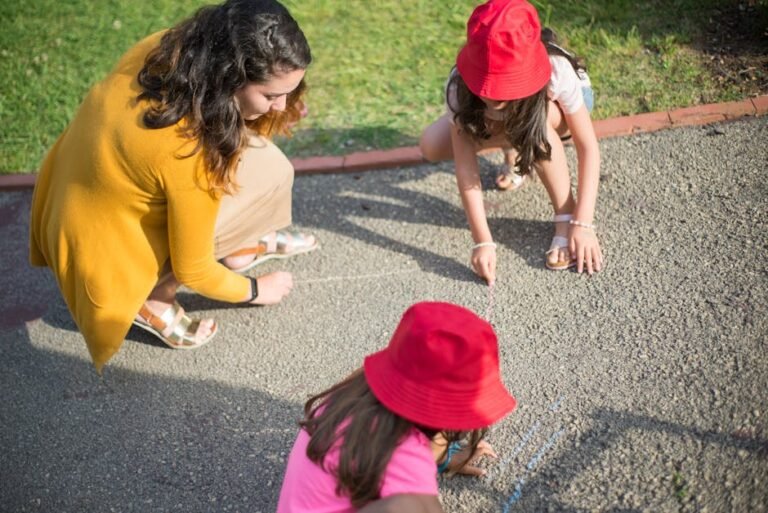
Informal learning, on the other hand, is characterized by its spontaneous nature and can occur anywhere and anytime outside a traditional classroom setting. It involves self-directed exploration and experiences, such as reading a book, gardening, or engaging in social interactions. This method allows learners to assimilate knowledge at their own pace and fosters a sense of independence. Informal learning supports the development of practical skills and can significantly enhance literacy and numeracy, laying the groundwork for more complex learning endeavors.
Non-formal education resides between the two other methods. It includes organized activities that occur outside traditional schooling but are structured, such as community education programs, workshops, and vocational training. These settings are often tailored to meet specific community needs and allow for skill acquisition in a more flexible environment. The diverse learning methods emphasize the importance of adaptability in education, ensuring that different learners can choose the approach that best suits their needs and learning goals. By understanding these varied methods, educators can better facilitate the learning process, ensuring that foundational knowledge is effectively acquired and built upon.
The Dynamic Process of Continuous Learning
Learning is inherently a dynamic process that persists throughout an individual’s life. Understanding what are the basics of learning involves recognizing that it is not limited to formal education settings. Instead, learning is a continuous journey where individuals acquire new skills, knowledge, and experiences that contribute to their personal and professional development. This notion emphasizes the importance of fostering a growth mindset, enabling individuals to embrace the opportunities presented by new challenges.
The process of basic learning involves acquiring foundational knowledge, skills, and attitudes necessary for survival and ongoing development. It encompasses literacy and numeracy, which are critical components of effective learning. The ability to read, write, and utilize mathematics is fundamental not only for academic success but also for navigating everyday life. These basic learning skills serve as the building blocks for more complex topics and disciplines, highlighting the necessity of establishing a strong educational foundation.
In an era characterized by rapid technological advancements and an abundance of information, access to learning resources has never been more prevalent. Online platforms, educational apps, and digital libraries provide learning opportunities that were once unimaginable. Individuals can explore subjects of interest, engage with interactive content, and access diverse perspectives that enrich their knowledge base. This accessibility encourages the continuous pursuit of learning and supports the acquisition of new skills necessary for adapting to an ever-evolving world.
Moreover, adaptability is a vital trait in today’s society. The ability to adjust to new information, technologies, and methodologies greatly enhances one’s capacity for effective learning. Through practices such as self-reflection, collaboration, and seeking feedback, individuals can cultivate their adaptive skills. In a world where change is constant, embracing the concept of continuous learning becomes essential for maintaining relevance and achieving personal growth.
This content has been prepared by the Studentanswers editorial team for educational and informational purposes only. We recommend consulting a qualified professional before making any personal decisions.