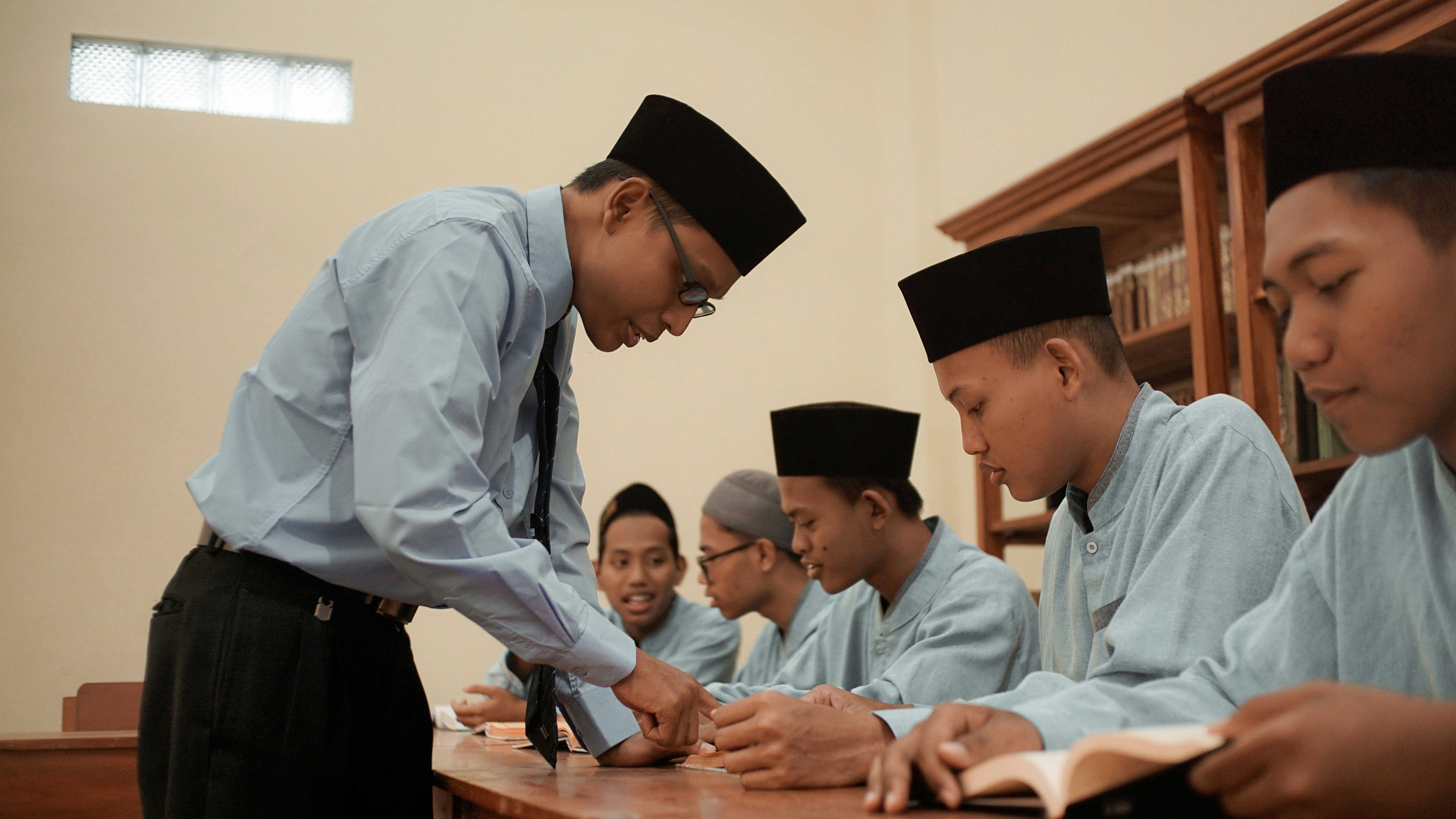
The 5 P’s of Teaching: Key Traits of a Great Teacher
Introduction to the 5 P’s of Teaching
The hallmark of an effective educator often lies in their ability to embody certain key traits that foster a productive learning environment. These traits, collectively known as the 5 P’s of teaching, encompass personality, presence, preparation, passion, and professionalism. Each of these characteristics plays a vital role in shaping how educators connect with their students and impact their academic journeys.
The first of the 5 P’s, personality, refers to the unique attributes that define a teacher’s individual character. A compelling personality can help educators build rapport with students and create a welcoming atmosphere, thereby facilitating open communication and engagement. A teacher’s personality can significantly influence the classroom dynamics, encouraging students to participate actively in their learning process.
Presence, the second P, is equally crucial. It encompasses not just physical presence in the classroom, but also the emotional and intellectual engagement a teacher brings. An effective teacher commands attention and demonstrates an authentic connection with the subject matter and the students. This kind of presence makes a lasting impression and motivates students to be more involved in their education.
Preparation is the third P and involves the careful planning and organization that teachers undertake to ensure effective instruction. A well-prepared educator not only demonstrates mastery of the subject but also possesses the ability to adapt lessons to meet diverse learning needs. This element of planning is critical for maintaining an orderly and productive classroom environment.
The fourth P, passion, is about the enthusiasm and commitment that an educator has towards their subject and teaching. Passionate teachers inspire students, igniting a love for learning that can have a lifelong impact. Lastly, professionalism—the fifth P—refers to the ethical and responsible conduct expected from educators. It encompasses their commitment to continuous improvement and adherence to the standards of the teaching profession.
Collectively, these 5 P’s of teaching represent an integrated framework that guides educators toward becoming more effective and inspiring in their roles.
Personality: The Heart of Teaching
At the core of effective teaching lies the central trait of personality. A teacher’s personality is pivotal in cultivating an engaging and supportive classroom atmosphere. Attributes such as empathy, approachability, and enthusiasm play a fundamental role in fostering strong student-teacher relationships. When educators exude warmth and understanding, they create a nurturing environment where students feel valued and safe to express themselves.
Empathy allows educators to connect with their students on a deeper level, enabling them to understand diverse perspectives and challenges faced by learners. This understanding is essential for building trust and encouraging open communication. Students are more motivated to engage in classroom activities when they believe their teachers genuinely care about their well-being and academic development. Moreover, approachable teachers encourage students to seek guidance, ultimately enabling a collaborative learning experience.
Enthusiasm in teaching is equally important. A teacher who demonstrates passion for the subject matter inspires students to develop a genuine interest in learning. Enthusiastic educators often employ interactive teaching methods that stimulate student involvement. These techniques may include group discussions, hands-on activities, and creative projects, which are conducive to deeper understanding and retention of knowledge. When students see their teachers excited about what they are teaching, it ignites a similar desire to learn and thrive academically.
Effective communication skills further enhance a teacher’s personality. Clarity, patience, and active listening contribute vastly to how students perceive their educators. By employing varying communication techniques, teachers can adapt their style to suit the diverse needs of their students. This flexibility not only reinforces the personal connection but also encourages an atmosphere of respect and collaboration.
In conclusion, the importance of personality in teaching cannot be overstated. It significantly influences student engagement, motivation, and the overall learning environment, establishing a foundation for effective education. Understanding the essence of what are the 5 P’s of teaching, particularly the significance of personality, will equip educators to create a more impactful educational experience.
Presence: Captivating and Engaging Students
The concept of presence is a critical component in the realm of education, profoundly influencing the dynamics of the classroom. A teacher’s ability to create a strong physical and emotional presence can significantly affect students’ engagement and learning experiences. Presence encompasses the energy and attentiveness a teacher brings to the classroom, which in turn encourages active participation and a more immersive learning environment.
To effectively engage students, maintaining strong eye contact is paramount. When teachers look directly at students, it fosters a connection that communicates interest and responsiveness. This practice not only enhances students’ focus but also encourages them to be more willing to participate in discussions and activities. Additionally, the use of positive body language can further amplify this presence. Gestures that convey enthusiasm, such as animated hand movements or open postures, can enhance the teaching experience and stimulate greater student involvement.
Moreover, a teacher’s vocal energy plays a significant role in captivating students. Varying tone, volume, and pace not only keeps students attentive but also assists in conveying passion for the subject matter. When educators exhibit a high level of energy, it inspires students to mirror that enthusiasm, creating a collaborative learning environment where ideas can flourish.
Being present in the moment is also crucial; this means minimizing distractions and showing full attention to students’ needs. This mindfulness fosters an atmosphere of respect and encourages students to actively engage with the material and each other. By creating a space where students feel valued and understood, the teacher facilitates an interactive and supportive learning experience.
In conclusion, the presence of a teacher encapsulates much more than merely occupying space in the classroom; it fundamentally shapes the learning environment. By employing strategies to enhance eye contact, body language, vocal energy, and mindfulness, teachers can harness their presence to invite student engagement and facilitate a deeper understanding of the material. Through these efforts, educators exemplify the essential teaching quality defined within the 5 P’s of teaching.
Preparation, Passion, and Professionalism: The Foundation of Teaching Success
Preparation is a pivotal aspect of effective teaching. It encompasses lesson planning, curriculum development, and the organization of resources necessary for facilitating student learning. A well-prepared teacher can anticipate potential challenges within the classroom and devise strategies to overcome them, thereby creating a more conducive learning environment. This level of foresight not only enhances the overall learning experience but also fosters student engagement and success. Students are more likely to thrive when lessons are thoughtfully structured and delivered with clarity. Therefore, preparation is fundamental in ensuring that educators are equipped to provide comprehensive instruction.
Passion plays an equally crucial role in the realm of education. A teacher’s enthusiasm for the subject matter can significantly influence student motivation and engagement. When instructors demonstrate genuine interest and excitement about the topics being taught, students are more likely to mirror this passion, resulting in a dynamic and invigorating classroom atmosphere. Passionate educators inspire curiosity and a love for learning, which can lead to long-lasting educational outcomes. The energy and creativity that passion brings can transform ordinary lessons into memorable learning experiences that resonate with students far beyond the classroom.
Lastly, professionalism is a cornerstone of successful teaching practices. Educators have a responsibility to uphold ethical standards, engage in continuous professional development, and model appropriate behavior for their students. This not only enhances the credibility of the teaching profession but also sets a positive example for students to follow. Professionalism includes being punctual, prepared, and respectful, fostering an environment where students feel valued and supported. Furthermore, it encourages teachers to seek out opportunities for growth, ensuring that their teaching methods evolve in line with new educational research and pedagogical advancements.
In conclusion, the integration of preparation, passion, and professionalism forms the backbone of effective teaching. Collectively, these elements create an environment where students can thrive academically and personally, showcasing what are the 5 p’s of teaching? through their commitment to delivering remarkable educational experiences.
This content has been prepared by the Studentanswers editorial team for educational and informational purposes only. We recommend consulting a qualified professional before making any personal decisions.