The 4 VARK Categories: How Do You Learn Best?
Introduction to the VARK Model
The VARK model is an influential framework developed to categorize the different ways in which individuals prefer to learn. It identifies four primary styles: visual, auditory, read/write, and kinesthetic, which provide insight into how people process information most effectively. Understanding what are the 4 categories of learning is essential for educators and learners alike, as it fosters tailored teaching strategies that align with these preferences, thus enhancing overall educational experiences.
Visual learners, for example, absorb information best when presented through diagrams, charts, maps, and other graphical representations. They benefit from seeing relationships between concepts visually, which helps them retain information more effectively. On the other hand, auditory learners thrive in environments where they can hear information being presented. Discussions, lectures, and audio recordings serve as their primary tools for effective learning.
Read/write learners engage deeply with text. They learn efficiently by reading and writing, often making detailed notes and summarizing information in written form. This style emphasizes the importance of language and written words as a medium for learning. Finally, kinesthetic learners take a hands-on approach. They prefer to learn through doing, experimenting, and experiencing concepts in a practical manner, which can often yield a deeper understanding of the material.
It is noteworthy that while most individuals employ a blend of these styles, typically one style tends to dominate, influencing their learning preferences. Recognizing and understanding these four common types of learning are crucial not just for academic settings but also for personal development and professional growth. By adapting learning strategies to accommodate these styles, both learners and educators can create more effective and engaging educational environments.
Visual Learners: Learning by Seeing
Visual learners are individuals who comprehend and retain information more effectively through visual means. They prefer graphical representations of data, such as diagrams, charts, maps, and other visual aids. This characteristic makes them particularly well-suited for subjects where visual representation of information can greatly enhance understanding. In classrooms, the four common types of learning are recognized, with visual learning being a key component of the VARK model. Given that visual learners thrive on seeing information, their learning preferences align with materials that incorporate vivid imagery or color coding.
When teaching visual learners, utilizing tools such as infographics, mind maps, and presentation software can significantly boost their engagement and comprehension. Examples of effective study strategies for these learners include creating flashcards, using color-coded notes, and employing graphic organizers that help to layout information visually. They tend to favor materials that are well-designed and aesthetically pleasing, as these elements can facilitate better memory retention and understanding of complex topics.
To better engage and accommodate visual learners, educators can incorporate technology-enhanced resources, such as interactive whiteboards, online video presentations, and educational software that incorporates visual stimuli. Additionally, offering opportunities for group projects that involve poster presentations or collaborative visuals can allow visual learners to express their understanding in a manner that resonates with them.
Most individuals exhibit a mix of learning styles; however, visual learners often demonstrate a predominant inclination towards visual modalities. By recognizing the characteristics and preferences of these learners, educators and instructional designers can foster an enriching educational environment that addresses the needs of diverse learning styles while clarifying what are the 4 categories of learning.
Auditory Learners: Learning by Hearing
Auditory learners represent one of the four common types of learning, which are visual, auditory, read/write, and kinesthetic, collectively known as the VARK model. These individuals primarily absorb information through listening and speaking. They tend to retain and comprehend material better when it is conveyed in an auditory format. Effective strategies for auditory learners include participation in discussions, listening to lectures, and utilizing audio resources such as podcasts and music.
To maximize their learning potential, auditory learners can employ various techniques. For instance, they might benefit from reading aloud, as verbalizing information helps cement it in memory. Additionally, engaging in group discussions or study groups can facilitate their understanding of concepts through conversation. Utilizing mnemonic devices and repetition through auditory methods—such as recording notes and listening to them—can also enhance retention.
Educators play a crucial role in supporting auditory learners by fostering an engaging auditory learning environment. To create such an environment, teachers can incorporate multimedia resources into their lessons, such as videos with sound, group activities that encourage dialogue, and opportunities for students to present information verbally. By utilizing various methods, including storytelling or debates, educators can cater to the preferences of auditory learners significantly.
Understanding what are the 4 categories of learning allows for a better approach to personalized education. It is crucial for both learners and teachers to recognize that while most individuals may exhibit a combination of these styles, one modality often dominates. Thus, providing diverse and adaptable teaching methods can lead to a more effective framework for auditory learners, helping them achieve their educational goals successfully.
Kinesthetic Learners: Learning by Doing
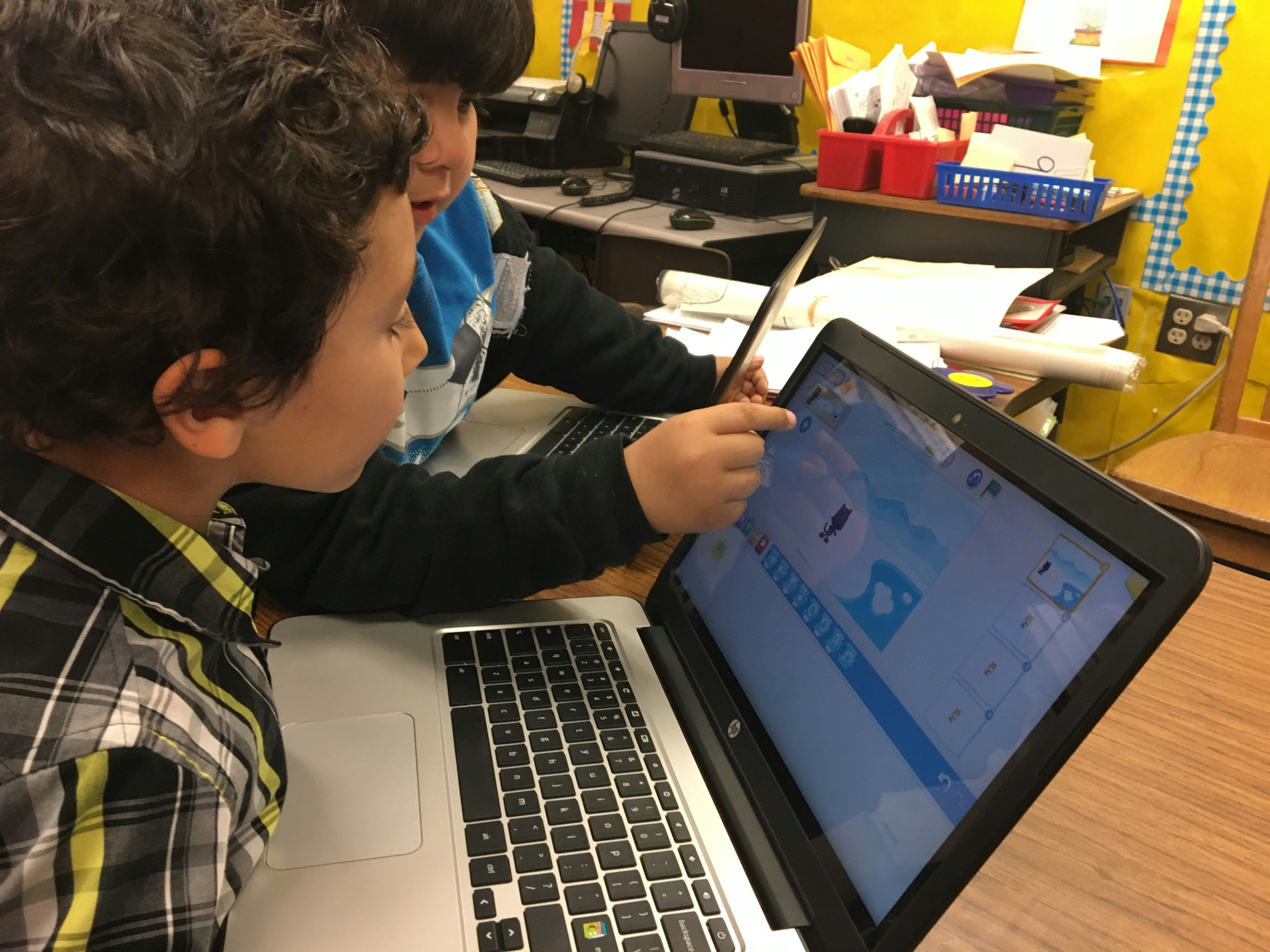
Kinesthetic learners represent one of the four categories of learning outlined in the VARK model, which encompasses visual, auditory, read/write, and kinesthetic styles. These individuals thrive when they can engage with material through movement and hands-on experiences. Notably, kinesthetic learners often demonstrate a heightened need for physical activity and tactile interactions, reflecting a natural inclination towards learning through doing.
Characteristics of kinesthetic learners include a preference for active engagement in their educational activities. For instance, they may find it challenging to sit still for extended periods or focus solely on traditional lectures. Instead, their learning style is enhanced through activities like role-playing, simulations, or any other physical activities that encourage direct involvement with the subject matter. This approach not only aids in retaining information but also fosters a deeper understanding of complex concepts.
To effectively accommodate kinesthetic learners in educational settings, teachers can implement several strategies. One proven method is to incorporate hands-on projects, allowing students to explore concepts through practical application. For example, science experiments or building models can significantly enhance the learning experience for kinesthetic learners. Additionally, integrating movement into lessons—such as through interactive games or collaborative group activities—can further engage these students.
Another effective approach is to utilize real-world problem-solving scenarios that demand active participation. Encouraging students to simulate situations relevant to the lesson can help them connect theoretical knowledge to practical use. In this context, kinesthetic learners not only absorb information but also develop essential problem-solving skills. By recognizing the distinct needs of kinesthetic learners, educators can create an inclusive learning environment that promotes success across all categories of learning.
This content has been prepared by the Studentanswers editorial team for educational and informational purposes only. We recommend consulting a qualified professional before making any personal decisions.