
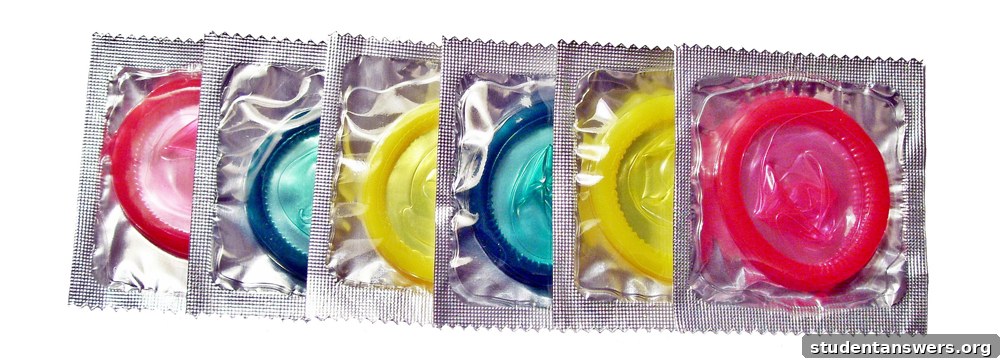
Navigating your sexual health can sometimes feel overwhelming. It’s perfectly normal to have questions you feel you should know the answer to but don’t. That’s why we’ve created this comprehensive guide to address some of the most frequently asked questions about safe sex, contraception, and overall sexual wellness. Knowledge is the first step toward making empowered and healthy choices.
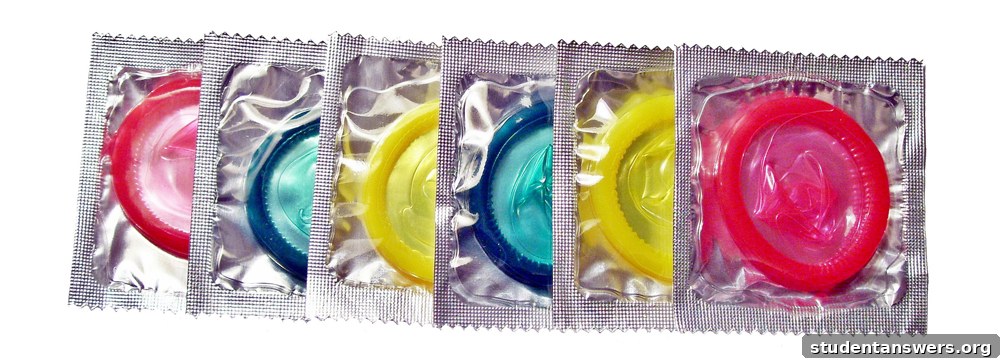
What Are the Most Effective and Safest Forms of Contraception?
When it comes to preventing pregnancy, you have a wide array of options, many of which boast an effectiveness rate of over 99% when used correctly. Choosing the right one depends on your lifestyle, health, and personal preferences. It’s helpful to categorize them to understand how they work.
Long-Acting Reversible Contraceptives (LARCs)
LARCs are often called “get it and forget it” methods because they work for several years after being fitted by a healthcare professional. They are among the most effective forms of birth control because they remove the chance of human error, like forgetting to take a pill.
- Intrauterine Device (IUD): A small, T-shaped device inserted into the uterus. The hormonal IUD (like Mirena or Kyleena) releases progestogen and can last for 3-8 years. The copper IUD is non-hormonal and can last for up to 10 years. Both are over 99% effective.
- Contraceptive Implant: A tiny, flexible rod inserted under the skin of your upper arm. It releases progestogen to prevent ovulation and is over 99% effective for up to 3 years.
- Contraceptive Injection: An injection of progestogen given by a nurse or doctor every 8 or 13 weeks. It’s also more than 99% effective.
Hormonal Methods
These methods use hormones to prevent pregnancy, primarily by stopping ovulation. They require consistent and correct use to be effective.
- The Combined Pill: Contains estrogen and progestogen. It must be taken daily to be 99% effective with perfect use. With typical use (accounting for missed pills), its effectiveness is closer to 91%.
- The Progestogen-Only Pill (Mini-Pill): Contains only progestogen and must be taken around the same time each day. Its effectiveness is similar to the combined pill.
- The Contraceptive Patch: A small patch worn on the skin that’s changed weekly. It’s over 99% effective with perfect use.
- The Vaginal Ring: A small, flexible ring placed inside the vagina for three weeks at a time. It’s also over 99% effective with perfect use.
Permanent Contraception
For individuals who are certain they do not want children in the future, permanent methods offer a nearly foolproof solution.
- Female Sterilisation (Tubal Ligation): A surgical procedure to block or seal the fallopian tubes. It’s more than 99% effective.
- Male Sterilisation (Vasectomy): A minor surgical procedure to block the tubes that carry sperm. It’s nearly 100% effective, though in very rare cases (about 1 in 2,000), the tubes can rejoin.
Can a Woman Get Pregnant at Any Point in Her Menstrual Cycle?
While a woman’s fertility peaks during a specific window each month, it is technically possible to get pregnant from unprotected sex on any day of the menstrual cycle. This is a crucial fact to understand for pregnancy prevention.
A woman is most fertile during ovulation, which is when an ovary releases an egg. This typically happens about 12 to 14 days before her next period begins. The egg survives for only 12-24 hours, but sperm can survive inside the female reproductive tract for up to five, and sometimes even seven, days. This means that having sex in the days leading up to ovulation can still result in pregnancy.
Because menstrual cycles can vary in length from month to month and ovulation can sometimes be unpredictable, relying on timing as a form of contraception is risky. Using a reliable form of birth control consistently is the only way to effectively prevent unintended pregnancy.
Where Can I Find My Nearest STI Clinic?
Getting tested for sexually transmitted infections (STIs) is a vital part of being sexually active. Many STIs have no immediate symptoms, so you could have one and pass it on without ever knowing. Finding a clinic is easier than you think.
The NHS Choices website has a dedicated search tool to help you locate your nearest sexual health or GUM (Genitourinary Medicine) clinic. These clinics offer free, confidential, and non-judgmental advice, testing, and treatment.
As Klaus Erling Johansen, a GUM Specialist Nurse at CNWL, advises: ‘It couldn’t be easier to get yourself checked out so there’s no need to take the risk of passing on an infection. Anyone who is sexually active should be tested regularly. Some infections don’t show up in symptoms, especially in men – but they can still be passed on, and can often be much more serious for women.’
What Are Femidoms (Internal Condoms) Used For?
The internal condom, sometimes known by the brand name Femidom, is a form of barrier contraception controlled by the receptive partner. It’s a soft, pouch-like device made of nitrile (a synthetic, latex-free rubber) that is inserted into the vagina before sex. It has a flexible ring at each end—one to hold it in place inside the vagina and a larger one that stays outside, covering the vulva.
Like external (male) condoms, they are a barrier method that prevents both pregnancy and the transmission of STIs. When used correctly, they are about 95% effective against pregnancy. They are a great alternative for people with latex allergies and can be inserted hours before intercourse, allowing for more spontaneity.
Is It Safe to Use Lube with Condoms?
Absolutely! In fact, using lubricant with condoms is highly recommended. Lube reduces friction during sex, which not only increases pleasure and comfort but also significantly decreases the risk of a condom breaking or tearing. However, it is critically important to use the right kind of lube.
There are three main types of lubricant: water-based, silicone-based, and oil-based. You should only use water-based or silicone-based lubricants with latex condoms. Oil-based lubricants—such as petroleum jelly, baby oil, massage oil, or even some lotions—can degrade the latex, causing microscopic holes or causing the condom to break completely. This drastically increases the risk of both pregnancy and STIs. Always check the bottle to ensure the lube is “condom-safe” or “latex-compatible.”
Do Thinner Condoms Break More Easily Than Regular Condoms?
This is a common myth, but the answer is no. Condoms from reputable and trusted manufacturers, regardless of their thickness, must pass rigorous electronic testing and safety standards before they can be sold. A “thin” or “ultra-thin” condom is designed to be just as strong and durable as a standard one.
Condom breakage is most often caused by user error, not by the condom itself. Common reasons for breakage include:
- Using an expired condom.
- Storing it in a hot place (like a wallet or car glovebox).
- Opening the wrapper with teeth or sharp objects.
- Using an oil-based lubricant.
- Not leaving a small space at the tip for semen.
Many people prefer thinner condoms because they allow for greater sensation and a more natural feel during sex, without compromising on safety.
Will Taking the Pill Decrease My Sex Drive?
The relationship between hormonal contraception and libido (sex drive) is complex and varies greatly from person to person. While a small number of women report a decreased sex drive when taking the pill, there is no large-scale scientific research that definitively proves this connection for the majority of users.
In fact, many women find the opposite to be true. The security and peace of mind that comes from being protected against an unplanned pregnancy can reduce anxiety around sex, thereby increasing their libido. For those who do experience a dip in their sex drive after starting the pill, these side effects often lessen or disappear after a few months as their body adjusts to the hormones. If you are concerned about a persistent low sex drive, speak with your doctor. There are dozens of different pill formulations, and switching to one with a different hormonal balance might solve the issue.