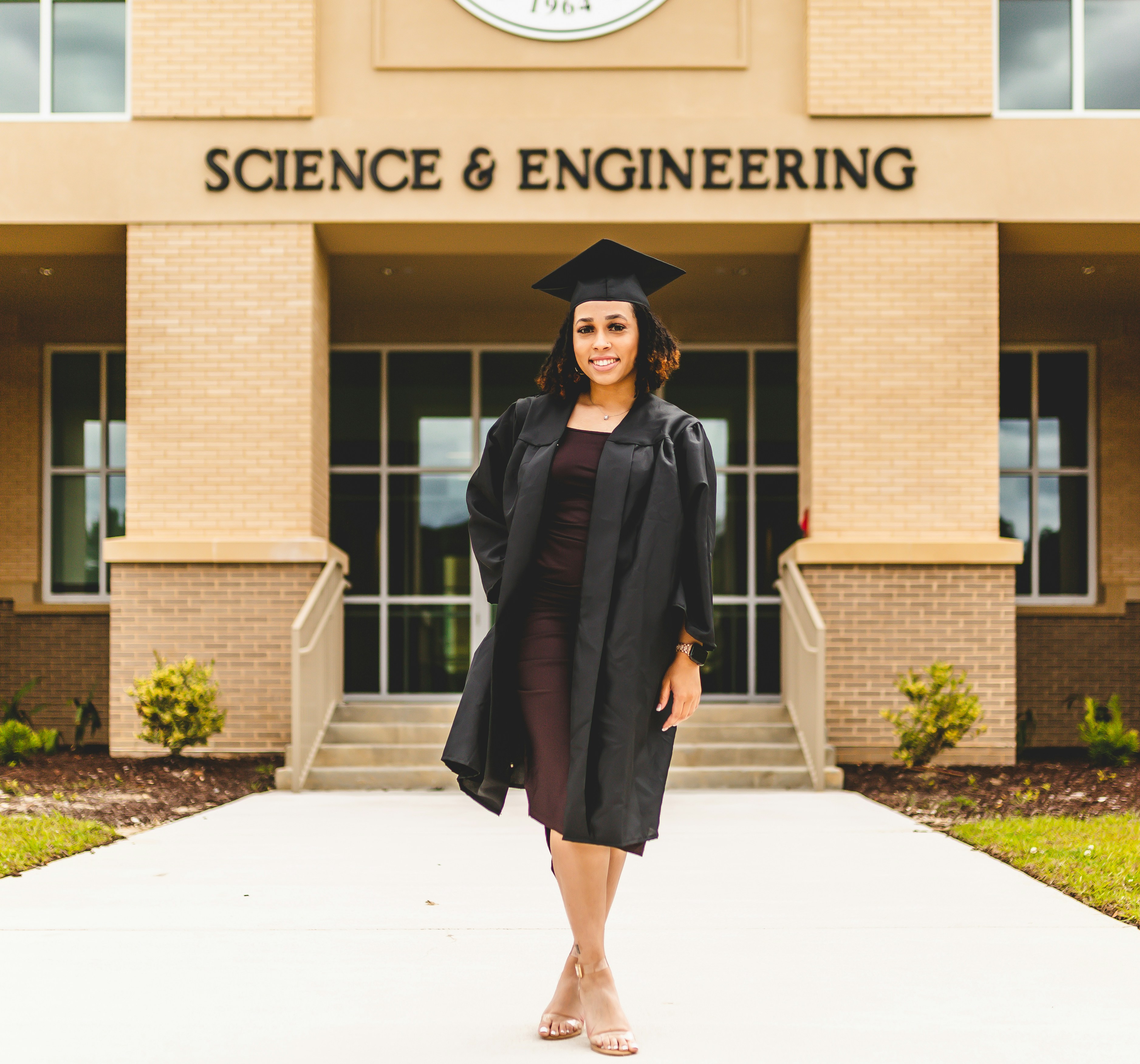
Is 40 Too Late to Get a PhD? Exploring the Possibilities of Pursuing a Doctorate Later in Life
Understanding the Landscape of PhD Programs
PhD programs are advanced academic pathways that require significant dedication, time, and intellectual engagement. Generally structured to involve both rigorous coursework and independent research, these programs are designed to empower students with critical thinking skills, specialized knowledge, and the ability to contribute original insights to their field. The journey typically lasts anywhere from three to seven years, depending on the discipline and the institution’s specific requirements. Students are expected to navigate a variety of assessments, including comprehensive exams and the completion of a dissertation, which is a major piece of scholarly work that reflects their research capabilities.
Across different academic fields, PhD programs can exhibit significant diversity in their structures, expectations, and focus areas. For instance, programs in the humanities may prioritize extensive reading and writing, while those in the sciences often emphasize empirical research and statistical analyses. This variability allows for an accommodating environment for students from various academic backgrounds and life stages. If you’re in your forties (or beyond) and wondering whether it’s too late to start a PhD, the landscape of these programs could potentially align with your unique experiences and expertise.
In recent years, there has been an upward trend in the enrollment of mature students pursuing doctoral degrees. Institutions are increasingly recognizing that life experience can be an asset, enriching the academic environment through diverse perspectives. This cultural shift underscores the notion that age should not be a barrier to scholarly aspirations. In fact, many mature students bring with them valuable professional experiences, critical insights, and a heightened sense of purpose that can propel their research endeavors. Thus, rather than viewing age as a hindrance, consider your background as a valuable asset in your journey towards achieving a PhD.
Advantages of Pursuing a PhD in Your 40s
Pursuing a PhD later in life, particularly in one’s 40s, offers several unique advantages that can significantly enhance the academic experience. One of the primary benefits stems from the wealth of real-world experience that older students bring to their studies. By this stage in life, many individuals have amassed valuable skills and knowledge from their professional careers, which can enrich their research and discussions. This practical insight enables them to approach academic challenges with a more nuanced perspective, often leading to innovative solutions and ideas.
Furthermore, individuals in their 40s typically possess enhanced communication skills. Over the years, they have honed their ability to articulate thoughts and engage in meaningful dialogue, attributes that are crucial in the academic setting. These skills foster productive collaborations with peers and facilitate more effective mentorship relationships with advisors. Consequently, the potential to develop a deeper understanding of complex topics becomes more achievable, aiding in the overall success of one’s PhD journey.
Another significant advantage is the maturity that older students exhibit. This maturity often translates into greater resilience, patience, and a more focused approach to challenges. Such qualities enhance personal development during the arduous process of earning a doctorate. Additionally, the ability to manage time effectively is often more refined in older students, who have typically learned to balance various commitments across professional and personal domains.
Moreover, pursuing a PhD at this stage opens up networking opportunities. Older students can leverage their existing professional networks and experiences, facilitating valuable connections within academia. These relationships can lead to meaningful contributions to their fields, making the endeavor not just attainable but also immensely rewarding. Thus, if you’re in your forties and wondering whether it’s too late to get a PhD, rest assured that the advantages you bring to the table are substantial and often transformative.
Overcoming Common Challenges Faced by Older Students
Pursuing a PhD later in life, particularly when one is in their forties, can seem daunting due to several challenges that older students often encounter. Balancing personal responsibilities with academic demands is a significant hurdle. Many individuals over 40 are likely to have established careers, family obligations, and other personal commitments that require their time and attention. This makes it crucial to evaluate one’s schedule and prioritize effectively. Creating a structured timetable that allocates specific time slots for study, research, and personal life can greatly enhance balance and reduce stress.
Financial considerations are another critical concern for those wondering, “is 40 too late to get a PhD?” Tuition fees, living expenses, and potential lost income are substantial factors to consider. However, several financial aid options are available. Scholarships, grants, and assistantships specifically designated for non-traditional students can alleviate some of the financial burdens. It is advisable to research programs that offer financial resources tailored for students in your situation, ensuring that economics do not become a deterrent to education.
Moreover, the fear of re-entering an academic environment after a significant gap can be psychologically challenging. Older students may feel out of place among younger peers or worry about their ability to adapt to modern academic demands. However, this experience can serve as an advantage; older students often bring valuable life experiences, strong time management skills, and a different perspective that can enrich classroom discussions. Actively seeking out support systems, such as study groups, academic mentorship, or counseling services, can foster a sense of community and ease the transition back into academia.
In conclusion, while there are challenges when pursuing a PhD later in life, understanding and addressing these obstacles through effective planning and resource utilization can lead to a fulfilling and successful educational journey.
Success Stories of PhD Graduates in Their 40s and Beyond
The narrative surrounding doctoral studies often emphasizes age as a determining factor for success. However, numerous individuals have demonstrated that embarking on a PhD journey later in life can be both achievable and enriching. For many, their forties serve as a backdrop for significant personal and professional milestones, making it an ideal time to pursue advanced education. These pathfinders exemplify that age is not a barrier but rather an asset in the academic landscape.
Take, for example, Dr. Sarah Jenkins, who began her PhD at the age of 45 after a successful career in education. Driven by her passion for literacy development among underserved populations, she leveraged her extensive teaching experience to inform her research. Her dissertation explored innovative teaching methodologies, ultimately contributing valuable insights to the field. Dr. Jenkins shares that her age and experiences not only enriched her academic work but also empowered her to mentor younger students through challenges they may face.
Similarly, Dr. Mark Thompson, a former corporate professional, entered doctoral studies when he was 48. Mark was motivated by a desire to shift his career toward academia and research. His real-world experiences provided him with a unique perspective that enhanced his research on organizational behavior. He often emphasizes the importance of life experience in understanding complex theories and methodologies, showcasing how he integrated practical scenarios into his academic work.
These stories reflect a broader trend where individuals, regardless of age, are making significant contributions to academia. Graduates emphasizing their unique life experiences often find that their insights can lead to original research that effectually addresses real-world issues. They prove that if you’re in your forties (or beyond) and wondering whether it’s too late to get a PhD, it is indeed not. It might just be the perfect time to embark on such a transformative journey.
This content has been prepared by the Studentanswers editorial team for educational and informational purposes only. We recommend consulting a qualified professional before making any personal decisions.