

Ranking the Best Language Learning Apps for 2023

Embarking on the journey to learn a new language is an exciting but often challenging endeavor. Anyone who has tried knows that achieving fluency is far from a simple, straightforward process. It requires dedication, consistency, and the right set of tools.
Fortunately, in our digital age, we are equipped with far more resources than previous generations, who were largely limited to textbooks and direct human interaction. Today, a vast ocean of language learning tools is at our fingertips. It seems a new app launches almost every week, each promising a revolutionary method or a shortcut to mastering a new tongue.
However, it’s crucial to remember that no app, regardless of its sophistication or price tag, can replace the fundamental need for consistent study and active practice. While technology can certainly make your learning more efficient, engaging, and even fun, there is no magic substitute for putting in the hours.
That being said, the right language learning app can be a powerful ally on your path to fluency. These tools can help build vocabulary, explain grammar, and even connect you with native speakers. But not all apps are created equal. They cater to different learning styles, goals, and budgets.
To help you navigate this crowded landscape, we’ve compiled a comprehensive guide to six of the best language learning apps available today. Whether you’re a complete beginner looking to build a foundation, an intermediate learner needing to expand your vocabulary, or an advanced student seeking real-world conversation practice, this list has an option for you.
1. Duolingo: The Gamified Gateway to Language Learning
Overview: The world’s most popular language app, offering a free, game-like introduction to a massive variety of languages.
Price: Free (with advertisements). Super Duolingo is available for $6.99/month to remove ads and unlock features like unlimited “hearts” and personalized practice sessions.
Platforms: Android, iOS, Web
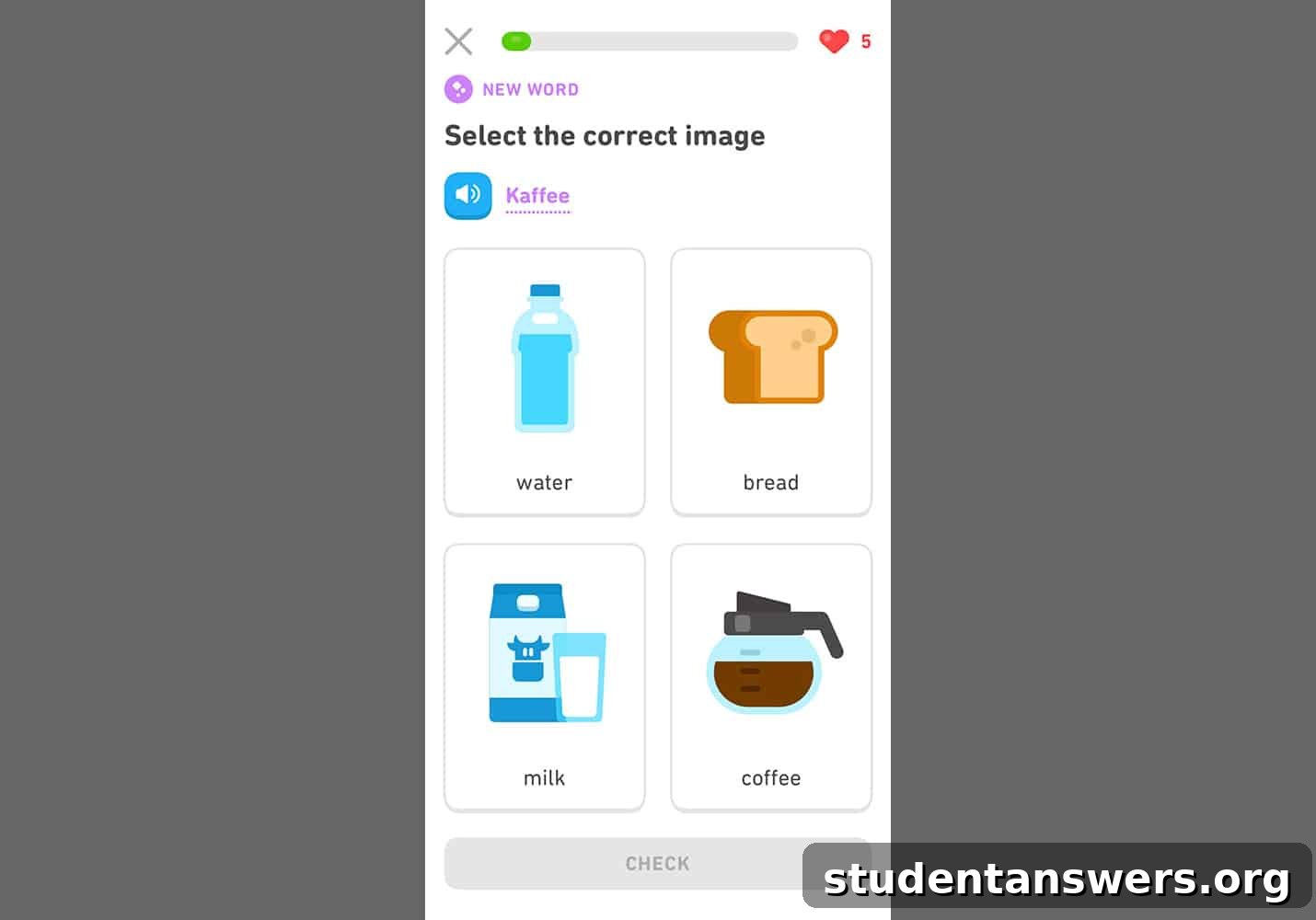
If you’ve ever expressed even a passing interest in learning a new language, you’ve almost certainly heard of Duolingo. Since its launch in 2011, its friendly green owl mascot has become synonymous with accessible language education.
Duolingo’s primary strength lies in its sheer accessibility. It offers more comprehensive learning content for free than almost any other platform. Its curriculum is broken down into bite-sized lessons that integrate listening exercises, vocabulary drills, basic grammar explanations, and even speaking practice using voice recognition. The gamified approach, complete with streaks, leaderboards, and experience points (XP), makes learning feel less like a chore and more like a fun daily challenge.
Another major draw is its unparalleled selection of languages. For English speakers, Duolingo currently offers courses in:
- Arabic
- Czech
- Danish
- Dutch
- Esperanto
- Finnish
- French
- German
- Greek
- Haitian Creole
- Hawaiian
- Hebrew
- High Valyrian
- Hindi
- Hungarian
- Indonesian
- Irish
- Italian
- Japanese
- Klingon
- Korean
- Latin
- Mandarin Chinese
- Navajo
- Norwegian
- Polish
- Portuguese
- Romanian
- Russian
- Scottish Gaelic
- Spanish
- Swahili
- Swedish
- Turkish
- Ukrainian
- Vietnamese
- Welsh
- Yiddish
What truly sets Duolingo apart is its inclusion of languages you simply won’t find on other major platforms. This includes endangered languages like Navajo, classical languages like Latin, and even fictional languages from popular culture like Klingon (Star Trek) and High Valyrian (Game of Thrones). If your target language is on this list, Duolingo is an unbeatable starting point.
The main criticism of Duolingo is its heavy reliance on translation-based exercises, even at higher levels. The app frequently asks you to translate sentences to and from your native language, which can become a crutch and hinder your ability to start “thinking” directly in your target language. Despite this, for absolute beginners who need a structured, engaging, and free introduction, Duolingo remains a top-tier choice.
2. Lingvist: Master Vocabulary with Smart Technology
Overview: A highly efficient, data-driven app designed to rapidly build your functional vocabulary using spaced repetition.
Price: $9.99 / month, with a 14-day free trial available.
Platforms: Android, iOS, Web
Many traditional language courses get bogged down in complex grammar rules from the very beginning. While grammar is essential for fluency, vocabulary is the true cornerstone of communication. Without words, you can’t express ideas, even if you know the rules to structure them. With a decent vocabulary, you can make yourself understood, even if your grammar is imperfect.
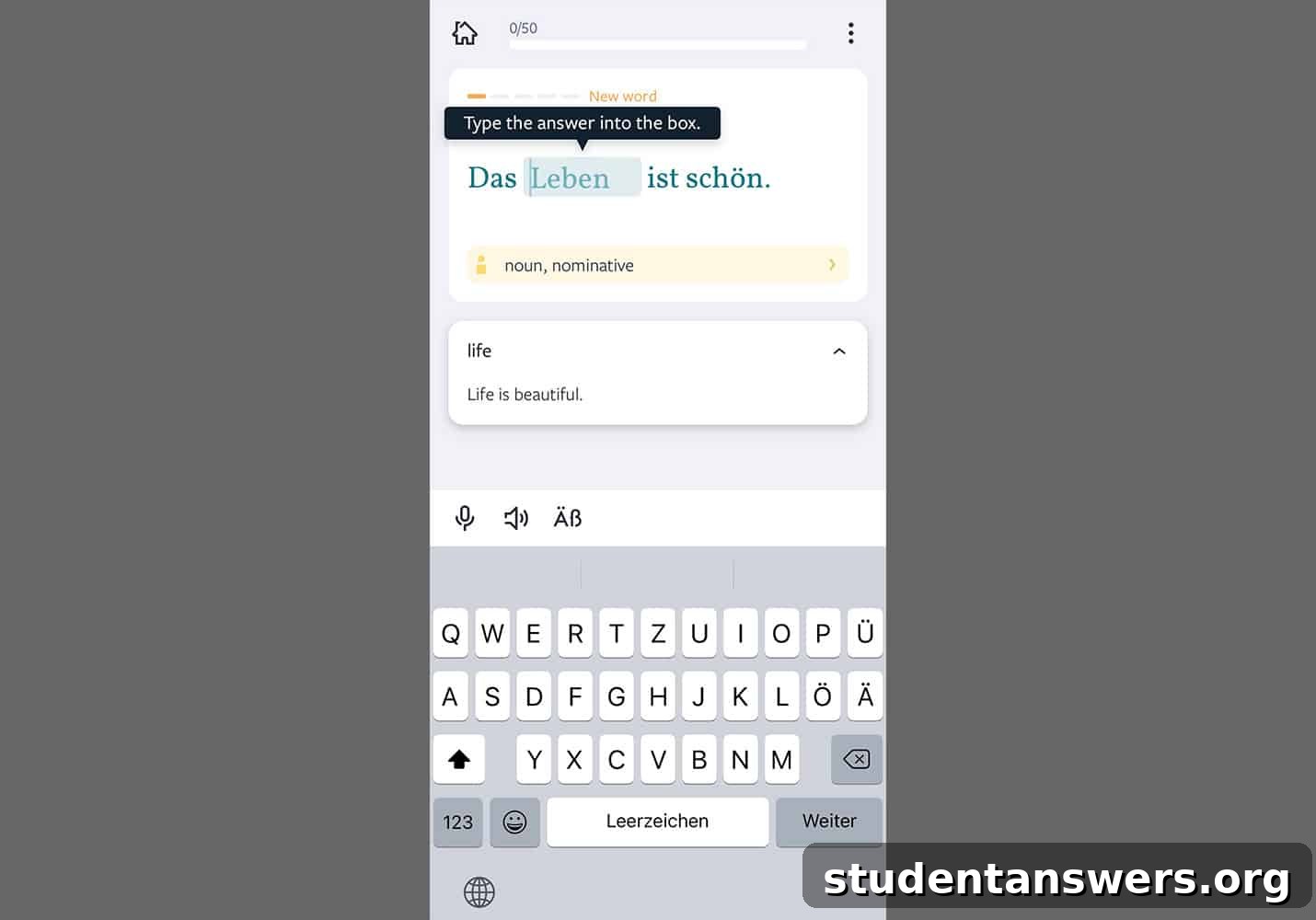
Lingvist is built on this very principle. Its core mission is to teach you the most useful vocabulary as quickly as possible. The app uses a statistical analysis of real-world texts to identify and teach you the most frequently used words in your target language first. The stated goal is to equip you with the vocabulary needed to handle “80% of everyday scenarios,” ensuring your study time is spent on words you will actually encounter and use.
The engine behind Lingvist’s effectiveness is its use of a spaced repetition system (SRS). This is an algorithm-based learning technique that presents you with a word for review at the precise moment you are about to forget it. This method is scientifically proven to be the most efficient way to transfer information into your long-term memory.
The app continuously adapts to your performance, focusing on words you struggle with while spending less time on vocabulary you’ve already mastered. This personalized approach feels familiar to anyone who has used a powerful flashcard app like Anki, but with a sleeker interface and a pre-built, high-frequency word list.
The primary drawback of Lingvist is its limited language selection. Currently, the platform supports:
- Dutch
- French
- German
- Italian
- Portuguese
- Russian
- Spanish (Castilian & Latin American)
If you are learning one of these major European languages and want a hyper-efficient tool for vocabulary acquisition, Lingvist is an outstanding choice. Learners of other languages, however, will need to look elsewhere.
3. Fluent Forever: Build a Foundation in Pronunciation and Thinking
Overview: A unique, method-driven app that prioritizes pronunciation and helps you learn to think in your target language by avoiding translation.
Price: $9.99 / month after a 14-day free trial. Live coaching is also offered for an additional fee in select languages.
Platforms: Android, iOS
If your goal is not just to be understood but to sound like a native speaker, then mastering pronunciation is non-negotiable. Excellent pronunciation not only makes you easier to understand but also dramatically improves your listening comprehension, as you become attuned to the true sounds of the language.
The Fluent Forever app is built around this core idea. Based on the methodology developed by polyglot Gabriel Wyner in his book of the same name, Fluent Forever, the app starts by teaching you the sounds and spelling rules of your target language. Only after you’ve built this foundational understanding do you move on to learning vocabulary and grammar.
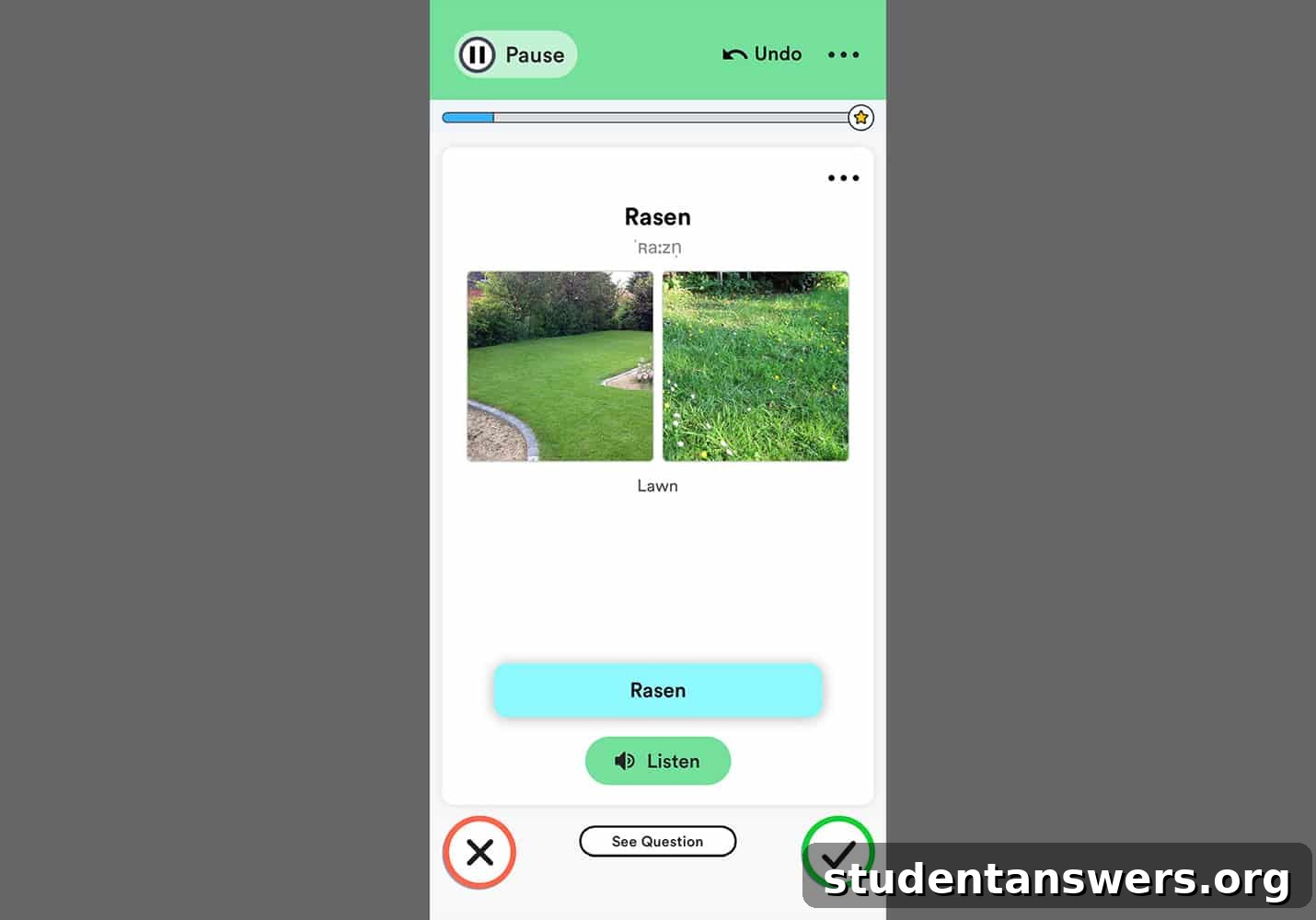
Its most distinctive feature is its strict avoidance of translation. Instead of matching foreign words to English words, you create your own personalized, picture-based flashcards. By connecting new words to images and personal memories rather than to your native tongue, you begin to build a network of connections directly within the new language. This is a powerful technique for learning to think in your target language.
Like Lingvist, Fluent Forever also uses a frequency-based list to teach you the most common words first, maximizing the efficiency of your vocabulary learning. The entire system is powered by a sophisticated spaced repetition algorithm to ensure long-term retention.
Fluent Forever currently supports the following languages:
- Dutch
- French
- German
- Italian
- Japanese
- Korean
- Mandarin Chinese
- Portuguese (Brazilian)
- Russian
- Spanish (Latin American & Castilian)
For learners who want to go beyond the basics, Fluent Forever also offers live coaching with certified teachers. This premium service provides personalized instruction to complement the app-based learning, although it is currently only available for a few of the most popular languages.
4. iTalki: Your Global Classroom for 1-on-1 Tutoring
Overview: A massive online marketplace connecting language learners with thousands of tutors for personalized, one-on-one video lessons.
Price: Varies widely, as each teacher sets their own hourly rate (typically from $5 to $80+ per hour).
Platforms: Android, iOS, Web
While self-study apps are invaluable, there comes a point in every learner’s journey where direct interaction with a human speaker is essential for progress. Historically, private language tutoring was prohibitively expensive and geographically limited. Thanks to platforms like iTalki, that is no longer the case.
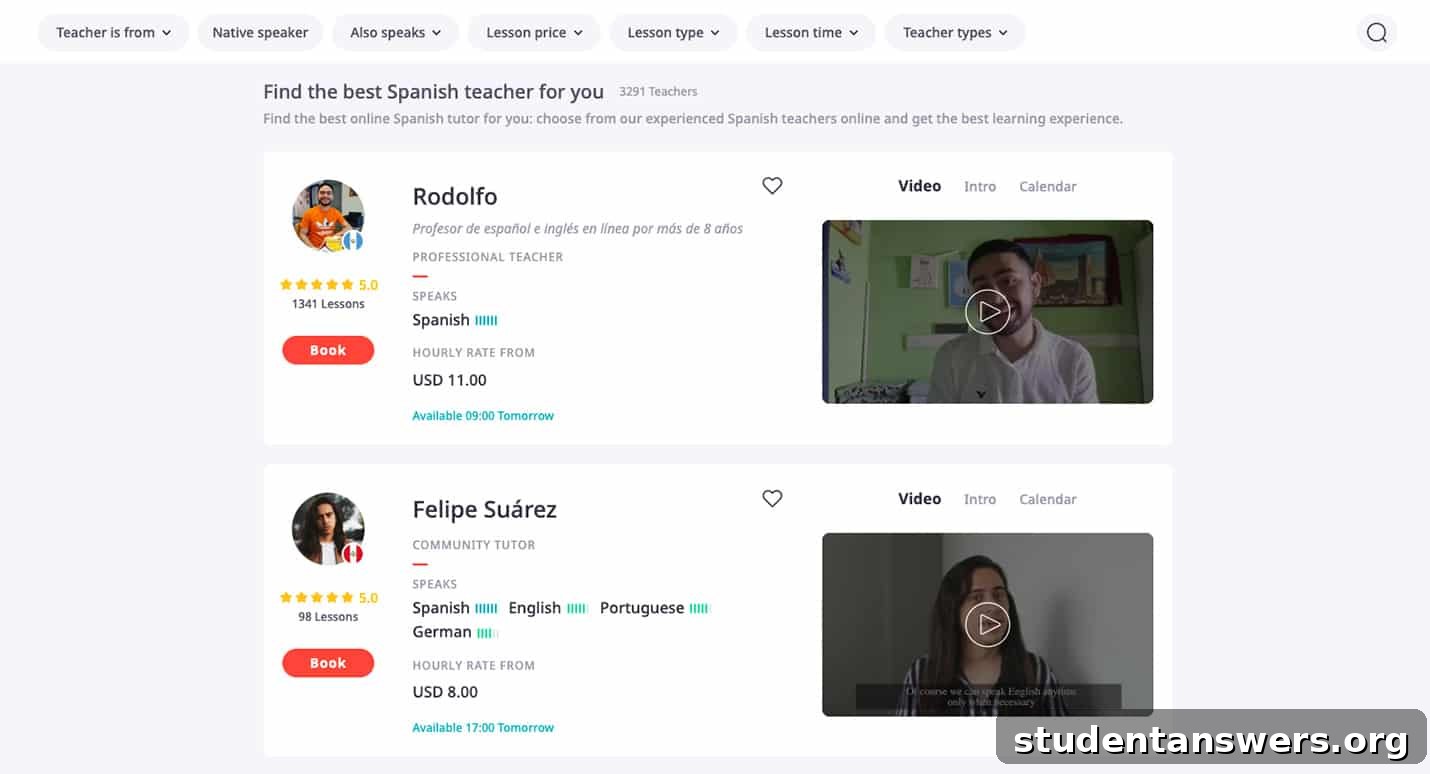
iTalki itself is not a learning course; it’s a platform that facilitates connections. It allows you to find, schedule, and pay for lessons with language teachers from around the world. The teachers on the platform fall into two categories: “Community Tutors,” who are often native speakers excellent for informal conversation practice, and “Professional Teachers,” who have formal teaching credentials and can provide structured, curriculum-based lessons.
Finding the right teacher is simple. You can filter the extensive database by the language you’re learning, the price you’re willing to pay, teacher availability, and even the teacher’s country of origin for specific dialects. Most tutors offer discounted 30-minute trial lessons, allowing you to get a feel for their teaching style before committing to a full lesson package.
Pricing on iTalki is incredibly flexible. Because each teacher sets their own rate, you can find options for nearly any budget. The global nature of the platform means that differences in the cost of living can make tutors from certain countries more affordable. The platform claims to offer instruction in over 150 languages, from global giants like Spanish and Mandarin to lesser-known languages like Irish Gaelic or Aramaic. For anyone serious about developing conversational fluency, iTalki is an indispensable resource.
5. HiNative: Get Your Language Questions Answered by Native Speakers
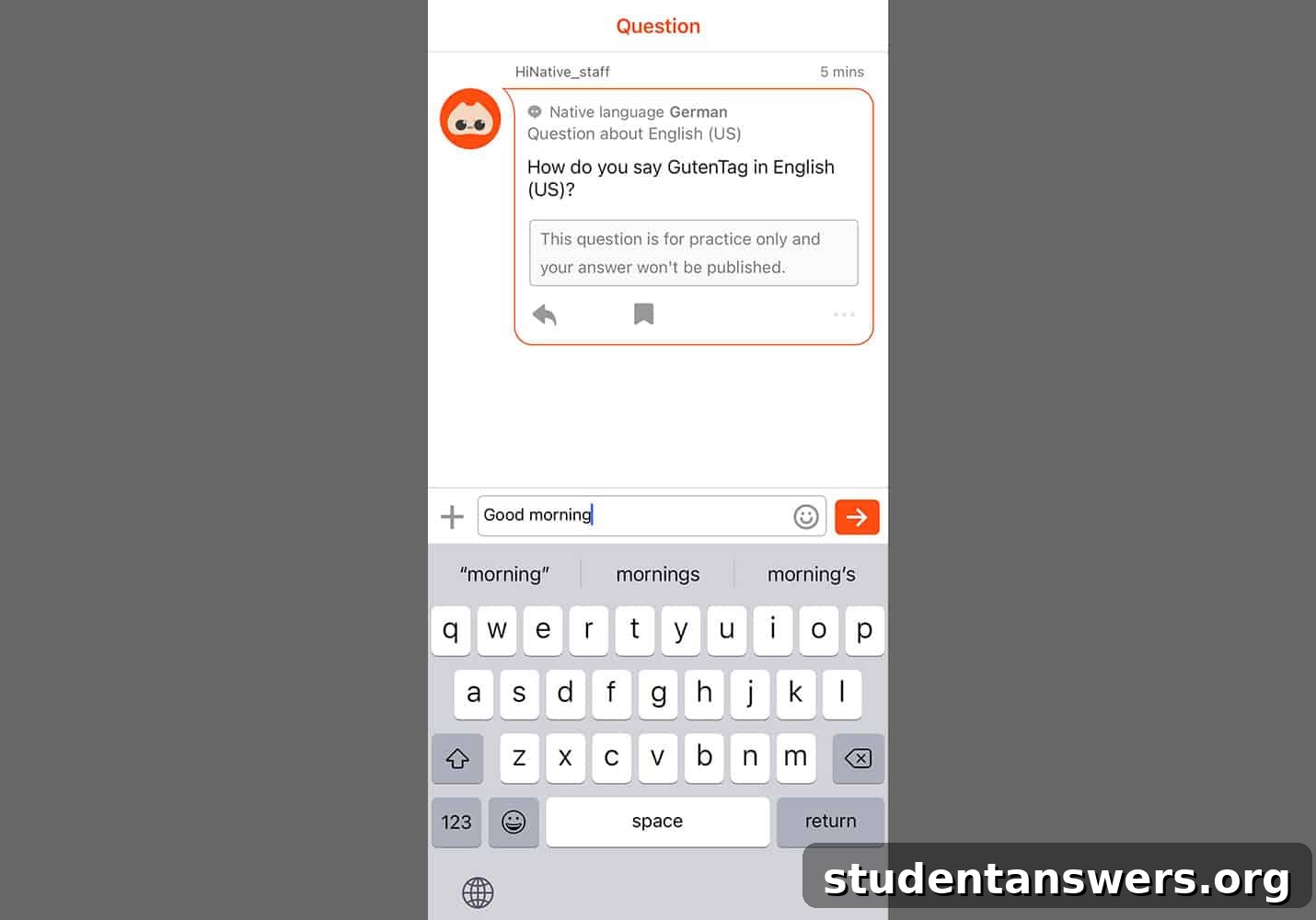
Overview: A global Q&A community where you can ask native speakers specific questions about their language and culture.
Price: Free with limited features. A premium subscription ($4.49/month) removes ads, allows you to search past questions, and provides unlimited playback of audio answers.
Platforms: Android, iOS, Web
Structured apps like Duolingo or Fluent Forever are excellent for building a foundational knowledge of a language. But eventually, you’ll encounter questions they simply can’t answer. “What’s the difference between these two similar-sounding words?” “Does this sentence sound natural?” “What’s the slang for this?”
For these nuanced, real-world questions, HiNative is the perfect tool. It’s a community-driven platform that connects learners with native speakers. You can post a question about a language you’re learning, and native speakers from around the world will provide answers. For example, you can get clarification on a tricky slang term you heard in a movie—the kind of information rarely found in a textbook.
The platform uses pre-set question templates to make it easy to ask about definitions, sentence naturalness, or pronunciation. You can even record yourself speaking and ask native speakers to critique your accent. Most of these features are available for free. In the spirit of community, it’s encouraged that you also take time to answer questions from others who are learning your native language. HiNative supports over 110 languages, making it a vibrant hub of linguistic exchange.
6. WaniKani: Conquer Japanese Kanji and Vocabulary
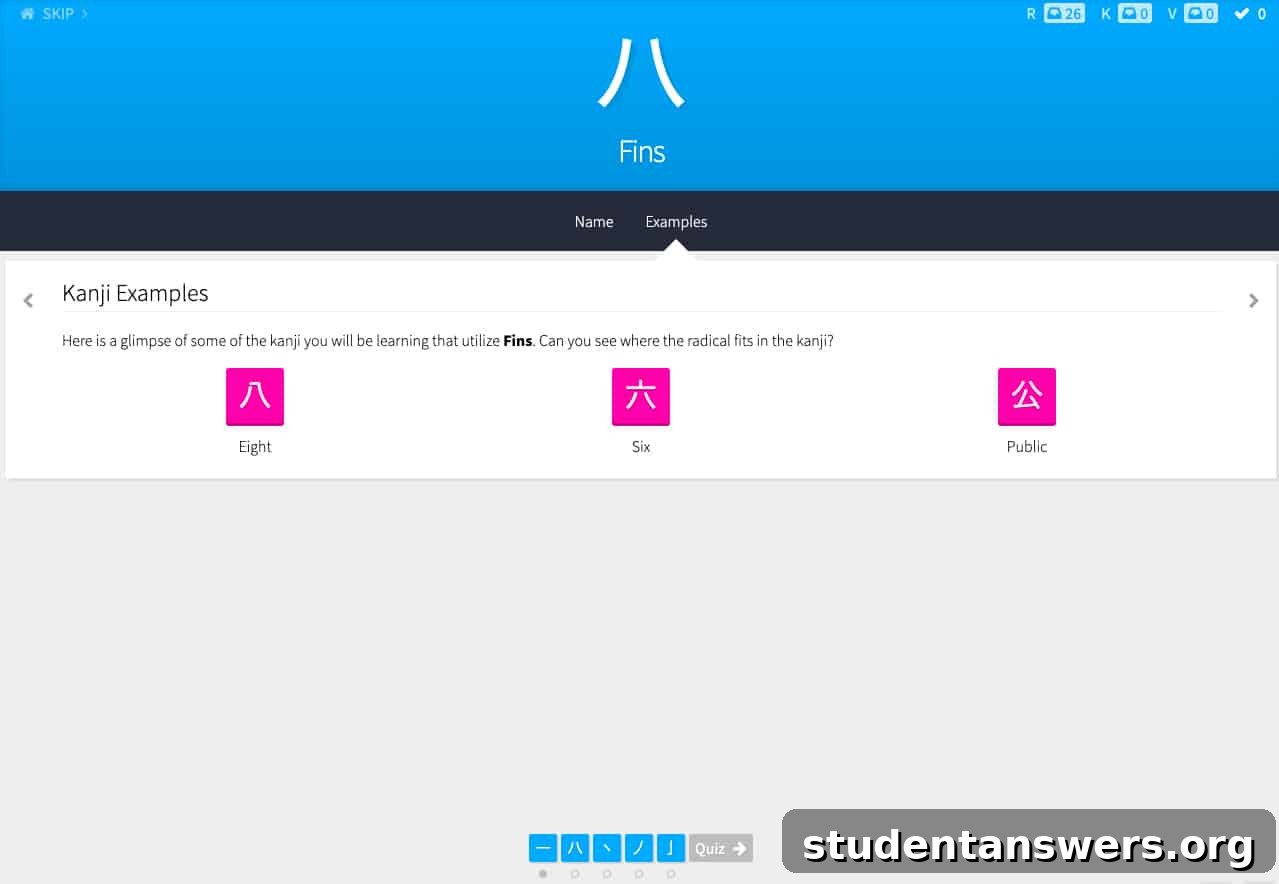
Overview: A highly specialized and effective web app designed specifically to teach you how to read Japanese kanji.
Price: $9 / month, or a one-time payment of $299 for a lifetime subscription.
Platforms: Web (with numerous third-party mobile apps available)
This final recommendation is for a specific audience: students of the Japanese language. One of the greatest hurdles for learners of Japanese is mastering its complex writing system, particularly the thousands of logographic characters known as kanji. WaniKani is a tool designed to solve this exact problem.
WaniKani employs a powerful combination of mnemonics and a strict spaced repetition system (SRS) to systematically teach you over 2,000 common kanji and 6,000 associated vocabulary words. It breaks down complex characters into simpler components called radicals, giving you memorable and often humorous stories to link them together. This method makes the daunting task of memorizing kanji feel manageable and even enjoyable.
The first three levels of the program are completely free, with no time limits, allowing you to thoroughly test the system before committing to a subscription. It is important to note that WaniKani is exclusively a reading tool; it does not teach grammar or speaking. For those aspects of Japanese, it should be paired with other resources like a textbook, Duolingo (especially its Stories feature), or an iTalki tutor.
Language Learning Apps Are Only the Beginning
The applications featured on this list represent some of the most effective and innovative tools available to language learners today. They can provide structure, motivation, and access to a world of knowledge and practice opportunities.
However, an app alone will never be enough to achieve true fluency. The ultimate goal is to use the language in the real world. Once you move past the beginner stages, immerse yourself. Listen to music, watch movies, read books, and most importantly, find opportunities to speak with real people. Combine the power of these digital tools with active, consistent practice, and you’ll be well on your way to mastering a new language.
Happy language learning!
Image Credits: multinational flag