

How to Become a Virtual Assistant: The Ultimate 2024 Guide
The professional world has undergone a dramatic transformation in recent years. Concepts once considered radical, like full-time remote work and virtual meetings, have become standard operating procedure. This digital revolution has paved the way for a host of new, internet-based careers, empowering more people than ever to launch their own businesses and redefine their work-life balance.
Among the most prominent roles to emerge from this new landscape is the virtual assistant (VA). Virtual assistants are skilled, independent professionals who provide administrative, technical, or creative assistance to clients remotely. From busy executives to thriving small businesses, VAs are the secret weapon that helps companies streamline operations and achieve their goals.
If the idea of launching your own flexible, home-based business excites you, then becoming a virtual assistant might be the perfect path. However, navigating the vast amount of online information can be overwhelming. Where do you even begin? How do you turn your existing skills into a profitable enterprise?
To demystify the process, we’ve compiled a comprehensive guide inspired by the insights of seasoned professionals in the field. This article will walk you through everything you need to know, from defining your services and finding your first client to setting your rates and scaling your business for long-term success.
What Is a Virtual Assistant? A Comprehensive Definition
At its core, a virtual assistant is a self-employed professional who offers a range of services to businesses from a remote location. Think of a VA as a remote team member who handles tasks that a business owner either doesn’t have time for, doesn’t have the skills for, or simply prefers to outsource. The scope of work is incredibly diverse and can be tailored to your unique skillset.
Common virtual assistant job duties include:
- Administrative Support: Managing email inboxes, scheduling appointments and meetings, and organizing digital files.
- Customer Service: Responding to customer inquiries via email or social media.
- Data Entry: Inputting and organizing information into spreadsheets and databases.
- Social Media Management: Creating content, scheduling posts, and engaging with followers across platforms like Instagram, Facebook, and LinkedIn.
- Travel Coordination: Booking flights, hotels, and creating detailed travel itineraries.
This list barely scratches the surface. Experienced VAs with specialized skills can offer high-value services such as creating and managing digital marketing campaigns, podcast production, bookkeeping, website maintenance, and complex project management. Essentially, if a task can be performed digitally, there’s a business somewhere willing to hire a VA to handle it.
Three Compelling Reasons to Launch Your VA Business
Now that you have a clearer picture of the role, let’s explore why becoming a virtual assistant is such an attractive career choice for so many.
1. Unmatched Location Independence
Are you tired of the daily commute and the confines of a traditional office? As a virtual assistant, your office is wherever you have a stable internet connection. This unparalleled location flexibility allows you to work from a comfortable home office, a vibrant coffee shop, a collaborative coworking space, or even while traveling the world. The freedom to design your work environment is one of the most significant perks of the VA lifestyle.
2. Ultimate Schedule Flexibility
Beyond choosing where you work, being a VA gives you immense control over when you work. While some clients may require availability during specific business hours for meetings or real-time tasks, much of the work is asynchronous. This means you can structure your workday around your life, not the other way around. You can batch similar tasks, work during your most productive hours, and achieve a healthier work-life integration than a standard 9-to-5 job often allows.
3. Monetize Skills You Already Possess
One of the biggest barriers to starting a new career is the perceived need for extensive training or new qualifications. The beauty of becoming a VA is that you can launch your business using skills you already use daily. If you’re organized, a good communicator, and proficient with basic online tools, you have the foundation for a successful VA business. Tasks like managing an email inbox or updating a Facebook page are second nature to many, yet they are highly valuable services for busy entrepreneurs.
How to Become a Virtual Assistant in 4 Actionable Steps
Feeling inspired to start your journey? Let’s break down the process into four manageable steps to get your virtual assistant business up and running.
Step 1: Decide What Services You’ll Offer
While you don’t need highly specialized skills to begin, you do need a clear and defined service menu. A well-defined list of offerings helps you communicate your value to potential clients and attract the right kind of work. Start by taking inventory of your current skills. What are you good at? What tasks do you enjoy?
Your initial services can be straightforward: email management, social media scheduling, data entry, and calendar management are all excellent starting points. However, don’t overlook your unique strengths. Do you have experience with a specific software like Canva or Mailchimp? Are you a great writer or researcher? These specialized skills can become premium offerings that allow you to charge higher rates from the outset.
Step 2: Create a Professional Online Presence
Once you know what you’re selling, you need a place for clients to find you. As a “virtual” professional, a polished online presence is non-negotiable. It’s your digital storefront and your first impression.
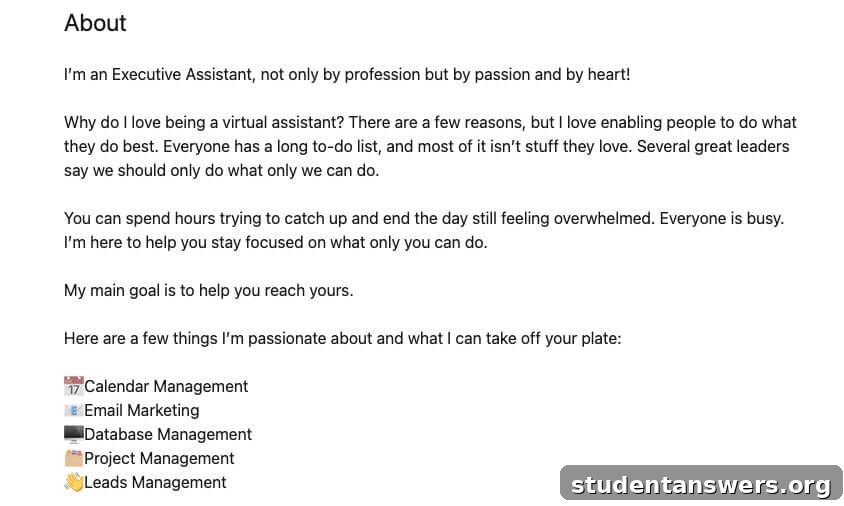
Start by creating a business page on Facebook. This serves as a simple hub where you can list your services, share valuable content, and engage with potential clients. Next, optimize your LinkedIn profile. Many business owners and executives use LinkedIn to find skilled professionals. Your profile should clearly state that you are a virtual assistant, detail your services in the “About” section, and highlight relevant experience.
Finally, consider creating a simple professional website. It doesn’t need to be complex; a one-page site that introduces you, outlines your services, and provides a clear way to contact you is more than enough to start. A website legitimizes your business and gives potential clients a dedicated space to learn more about how you can help them.
Step 3: Find Your First Clients
This is often the most daunting step, but with a strategic approach, it’s entirely achievable. Instead of relying on crowded job boards, focus on direct outreach and networking.
Join Facebook groups and other online communities where your ideal clients hang out. If you want to work with small business owners, join entrepreneurship groups. If you’re targeting authors, find writing communities. The key is to provide value first. Participate in discussions, answer questions, and offer helpful advice. When you establish yourself as a helpful member of the community, people will be much more receptive when you mention your services.
Don’t underestimate the power of a well-crafted cold email. Research businesses or individuals you’d love to work with and send them a personalized message. Explain the specific value you could bring to their organization. This direct approach cuts through the noise of job boards and shows initiative.
Step 4: Grow and Scale Your Business
Once you’ve secured your first few clients and have a steady stream of income, it’s time to think about the future. You might be content with a handful of clients as a side hustle, which is a fantastic goal. However, if you want to turn your VA work into a full-time career, you’ll need a growth strategy.
In the beginning, growth might simply mean taking on more clients. But eventually, you’ll run out of hours in the day. The next level involves increasing your value. As you gain experience, you’ll learn new skills and become more efficient. This is the time to raise your rates. You can also transition from hourly pricing to project-based or monthly retainer packages, which provide more predictable income. Specializing in a specific niche (like a VA for podcasters or e-commerce stores) can also establish you as an expert and command higher fees.
Virtual Assistant Frequently Asked Questions
Here are answers to some of the most common questions aspiring VAs have.
How long does it take to become a VA?
Unlike traditional careers that require years of schooling, you can launch your VA business relatively quickly. With focused effort on defining your services and marketing, many new VAs are able to land their first client within a few weeks. Building a full-time income will take more time and consistency, but the barrier to entry is low.
What skills and education are essential for success?
You don’t need a specific degree to become a successful VA. The most crucial skills are soft skills: excellent communication, strong organization, reliability, and being a proactive self-starter. You must be resourceful and comfortable finding answers on your own. While technical skills in specific software can allow you to charge more, they can always be learned as you go. Focus on what you can offer now and commit to continuous learning.
Do I need prior experience to be hired as a VA?
Absolutely not. Many successful VAs, start with zero direct experience. The key is to reframe your existing experience. A background in customer service, teaching, or administration has equipped you with highly transferable organizational and communication skills. You may choose to set your initial rates a bit lower to build your portfolio, but your past experiences are far more valuable than you think.
How can I stand out in a client interview?
Preparation is everything. Before any interview, thoroughly research the client’s business. Understand their mission, their products or services, and their recent activities on social media or their blog. Come to the conversation prepared with ideas. Instead of just saying you can manage social media, you could say, “I noticed you’re not using Instagram Reels to promote your services. I have some ideas for short-form videos we could create.” This proactive approach shows that you’re not just looking for a job; you’re looking to be a valuable partner in their success.
How much do virtual assistants actually make?
Income for virtual assistants can vary widely. According to industry data, new VAs typically charge between $20 and $40 per hour. Your rate will depend on your skill level, the services you offer, and the types of clients you work with. As you gain experience and specialize, you can significantly increase your rates to $50, $75, or even over $100 per hour for highly technical or in-demand skills. Many full-time VAs build six-figure businesses by moving to value-based pricing models and building small teams.
Begin Your Virtual Assistant Journey Today
Starting a business as a virtual assistant is an accessible and rewarding path for anyone seeking more flexibility and control over their career. It requires dedication and a willingness to learn, but the fundamental skills are likely ones you already possess. If you’re ready to leave the traditional 9-to-5 behind and build a career on your own terms, the world of virtual assistance is waiting for you.
Image Credits: man working at laptop