
How to Make the Best Pancakes from Scratch: A Simple, Foolproof Recipe
There’s a simple, undeniable joy in a warm stack of freshly made pancakes. Whether they’re kicking off a lazy weekend morning, serving as a comforting weeknight dinner, or celebrating a special occasion, homemade pancakes are a timeless classic that brings everyone to the table. While many people think of them only for Pancake Day (Shrove Tuesday), we believe any day is a perfect day for pancakes.
Forget the boxed mixes that sit in the back of your pantry. Making delicious pancakes from scratch is incredibly easy, requires just a handful of basic ingredients, and delivers a taste and texture that pre-made mixes simply can’t match. This guide will walk you through a simple, foolproof recipe for classic, thin-style pancakes—often likened to British pancakes or French crêpes. We’ll provide clear, step-by-step instructions, essential tips for getting them perfect every time, and plenty of inspiration for delicious toppings.
Why This Is the Ultimate Easy Pancake Recipe
In a world filled with countless pancake recipes—from thick, fluffy American-style to intricate, multi-layered creations—why should this one be your go-to? The answer lies in its beautiful simplicity and versatility.
- It’s Foolproof: This recipe is designed for everyone, from seasoned home cooks to complete beginners. The instructions are straightforward, and the process is forgiving.
- Minimal Ingredients: You likely have everything you need in your kitchen right now: flour, eggs, milk, and butter. No need for a special trip to the store.
- Incredibly Versatile: This recipe creates a perfect canvas for any topping you can imagine. Its delicate flavor complements both sweet and savory combinations, making it suitable for breakfast, lunch, or dessert.
- Perfect Texture: The result is a wonderfully light and tender pancake with slightly crisp, lacy edges. It’s sturdy enough to be rolled or folded around your favorite fillings but delicate enough to melt in your mouth.
Essential Ingredients for Perfect Pancakes
The magic of this recipe is in its simplicity. Each ingredient plays a crucial role in creating the final texture and flavor. Here’s what you’ll need and why it’s important.
The Shopping List:
- 110g Plain Flour: Also known as all-purpose flour, this is the structural foundation of your pancakes. If you only have self-raising flour, you can use it, but the pancakes may be slightly thicker and puffier. For the classic thin style, plain flour is best.
- A Pinch of Salt: Never underestimate the power of a small amount of salt. It doesn’t make the pancakes salty; instead, it enhances all the other flavors, particularly the richness of the eggs and butter.
- 2 Large Eggs: Eggs are the binding agent that holds the batter together. They also contribute to the rich flavor and tender texture of the finished pancakes.
- 200ml Milk mixed with 75ml Water: The liquid component thins the batter to the correct consistency. Using a combination of milk and water creates a lighter, more delicate pancake than using milk alone. For a richer, creamier pancake, you can use all milk.
- 50g Butter, melted: Butter is a triple-threat in this recipe. Some is mixed into the batter for flavor and tenderness, while the rest is used for greasing the pan, which prevents sticking and helps create those delicious, crispy edges.
Kitchen Equipment You’ll Need
You don’t need any fancy gadgets to whip up a batch of perfect pancakes. Here is the basic equipment that will make the process smooth and easy.
- Large Mixing Bowl: To comfortably mix your batter without making a mess.
- Sieve: Sifting the flour is a key step to ensure a lump-free batter.
- Weighing Scales & Measuring Jug: Baking is a science! Accurate measurements are crucial for getting the consistency of the batter just right.
- Whisk or Fork: A whisk is ideal for incorporating air and creating a smooth batter, but a fork will absolutely work in a pinch.
- Frying Pan: A good quality non-stick frying pan is your best friend for making pancakes. It ensures an even heat distribution and makes flipping a breeze. A crepe pan is a great option if you have one.
- Spatula or Turner: For those who prefer a safe and secure method for flipping their pancakes.
This recipe makes approximately 12 medium-sized pancakes.
Step-by-Step Guide to Making Perfect Pancakes
Follow these detailed steps to create a flawless batch of homemade pancakes. The key is to work methodically and not rush the process.
- Prepare the Dry Ingredients: Place your sieve over the large mixing bowl and measure the 110g of plain flour and the pinch of salt into it. Sifting from a slight height helps to aerate the flour, which contributes to a lighter pancake.
- Create the Well and Add Eggs: Use a spoon to make a small indentation or “well” in the center of the sifted flour. Crack the 2 eggs directly into this well. This technique helps you to incorporate the wet and dry ingredients more gradually and evenly.
- Begin Whisking the Batter: Start whisking the eggs in the center, gradually pulling in the flour from the sides. As the mixture starts to thicken, it’s time to add your liquid.
- Gradually Add the Liquid: Slowly pour in a small amount of the milk and water mixture while continuing to whisk. The secret to a smooth, lump-free batter is to add the liquid gradually. Continue adding the liquid in small splashes, whisking continuously until it’s all incorporated and the batter is smooth. It should have the consistency of single cream—thin enough to pour easily but not watery.
- Incorporate the Melted Butter: Melt the 50g of butter in your frying pan over a low heat or in the microwave. Add about two tablespoons of the melted butter directly into the batter and whisk it in. This adds flavor and helps prevent the pancakes from sticking. Keep the remaining butter nearby for greasing the pan.
- Heat the Pan: Place your frying pan over a medium-high heat and let it get hot. To test if it’s ready, you can drop a tiny bit of batter in—it should sizzle immediately. Once hot, turn the heat down to medium. Use a piece of kitchen paper to wipe a little of the remaining melted butter around the base of the pan.
- Cook the First Side: Pour or ladle a small amount of batter into the center of the hot pan—just enough to form a thin layer. Immediately tilt the pan in a circular motion to spread the batter evenly across the bottom. Cook for about 30-60 seconds, or until you see the edges start to lift and turn golden brown and small bubbles appear on the surface.
- Time to Flip: This is the fun part! You can either slide a spatula carefully under the pancake and flip it over, or you can try the classic wrist-flick method. If you’re new to this, a spatula is the safer bet!
- Cook the Second Side: The second side will cook much faster, usually in just 20-30 seconds. Once it’s lightly golden, slide the pancake out of the pan onto a warm plate.
- Repeat and Serve: Wipe the pan with a little more butter and repeat the process with the remaining batter. To keep the pancakes warm while you cook the whole batch, you can stack them on a plate with pieces of baking parchment in between and keep them in a low-heat oven. Serve immediately with your favorite toppings.
Expert Tips for Pancake Perfection
Want to elevate your pancake game? Keep these professional tips in mind.
- Rest Your Batter: For the most tender pancakes, let your batter rest for 15-30 minutes after mixing. This allows the gluten in the flour to relax, resulting in a softer texture.
- Don’t Overmix: Whisk the batter only until it is smooth and the ingredients are just combined. Overmixing can develop the gluten too much, leading to tough or rubbery pancakes.
- Control the Heat: The first pancake is often a test. If it browns too quickly, your pan is too hot. If it takes too long to cook, the pan is too cool. Adjust the heat accordingly to achieve a consistent golden-brown color.
- Use Butter for Each Pancake: For the best flavor and non-stick performance, quickly wipe the pan with a small amount of butter before pouring the batter for each new pancake.
Classic and Creative Pancake Topping Ideas
The pancake is just the beginning! The real magic happens with the toppings. Here are some ideas to get you started, from timeless classics to more adventurous pairings.
Sweet Toppings:
- The Classic: A simple squeeze of fresh lemon juice and a sprinkle of caster sugar is a timeless and delicious combination.
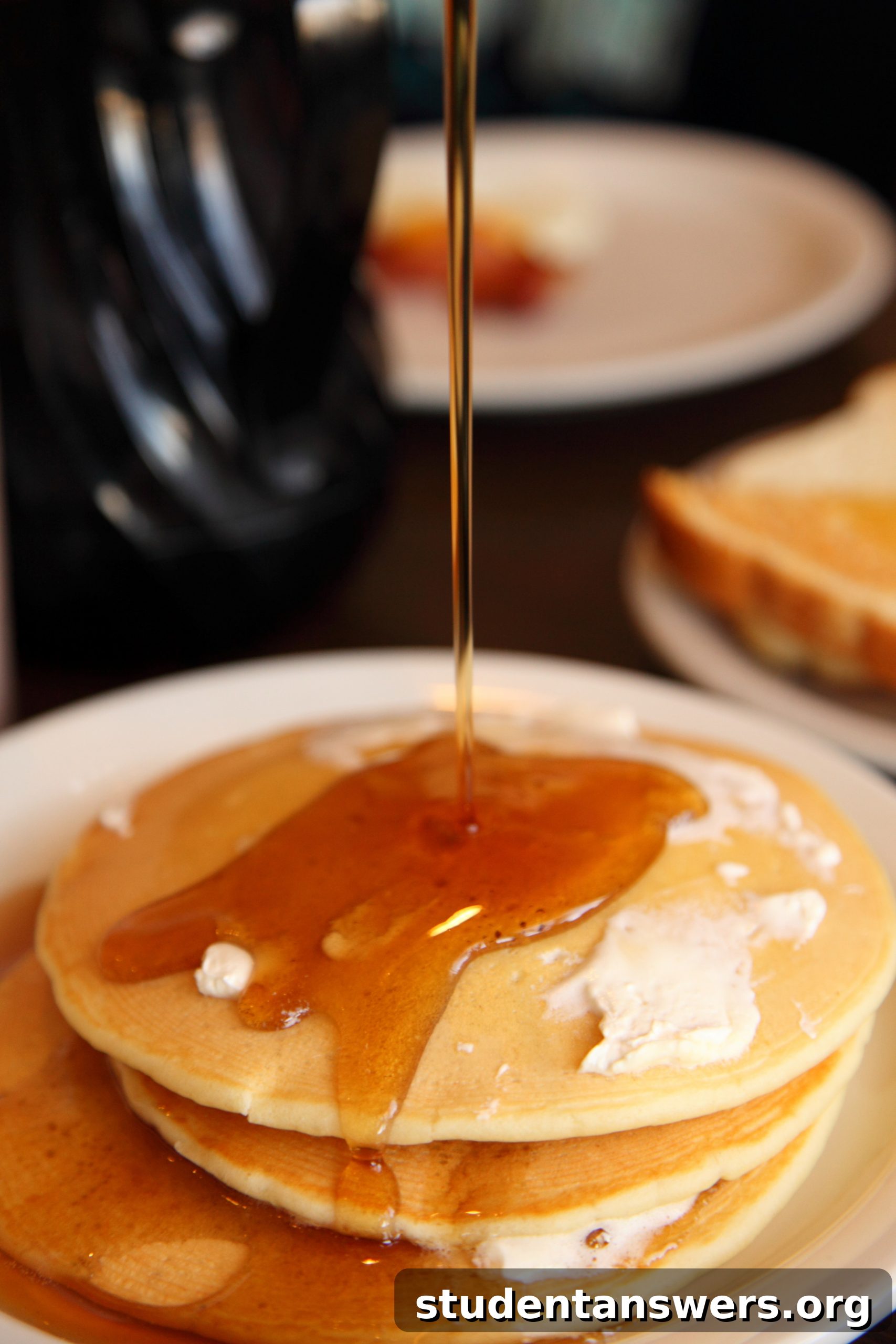
- Maple Syrup & Butter: The quintessential breakfast pairing, especially with a side of crispy bacon.
- Chocolate & Banana: Spread warm Nutella over the pancake and top with sliced bananas for a decadent treat.
- Fresh Berries & Cream: A handful of fresh strawberries, raspberries, or blueberries with a dollop of whipped cream or Greek yogurt.
- Caramelized Apples: Sauté sliced apples in butter and brown sugar with a pinch of cinnamon until soft and caramelized.
Savory Toppings:
- Ham & Cheese: Sprinkle grated cheese (like cheddar or Gruyère) over the pancake in the pan, top with a slice of ham, and fold.
- Spinach & Mushroom: Sautéed garlic mushrooms and wilted spinach with a touch of cream cheese or feta.
- Smoked Salmon & Cream Cheese: A sophisticated option with a smear of cream cheese, flakes of smoked salmon, a sprinkle of fresh dill, and a squeeze of lemon.
Now you have the ultimate guide to creating perfect homemade pancakes every single time. This simple recipe is a fantastic starting point for endless culinary creativity. So, grab your whisk, heat your pan, and get ready to enjoy a delicious stack of pancakes made right in your own kitchen.