

Effortless Homemade Bread Loaf
The Ultimate Guide to Baking Your First Loaf of Perfect Homemade Bread
There’s nothing quite like the aroma of freshly baked bread wafting through your home. It’s a warm, comforting scent that store-bought loaves simply can’t replicate. While grabbing a pre-sliced bag from the supermarket shelf is convenient, the satisfaction and superior taste of baking your own bread from scratch are truly unmatched. Forget those plastic-wrapped loaves that have been sitting for days; with our simple and foolproof bread recipe, you can create a delicious, crusty, and soft artisan-style loaf in your own kitchen. You might think bread making is a complex art reserved for professional bakers, but we’re here to show you just how easy and rewarding it can be. This guide is designed for absolute beginners, taking you through every step of the process with clear instructions and helpful tips.
Why You Should Start Baking Your Own Bread Today
Before we dive into the flour and yeast, let’s explore a few reasons why embracing the craft of home baking is a fantastic idea. It’s more than just about producing food; it’s a wholesome experience.
- Unbeatable Flavor and Texture: The difference between a homemade loaf and a mass-produced one is night and day. Imagine a warm slice with a crispy, golden crust that gives way to a soft, fluffy, and airy interior. The flavor is richer, more complex, and utterly delicious.
- You Control the Ingredients: When you bake your own bread, you are the master of your recipe. You know exactly what goes into it—no unpronounceable preservatives, artificial softeners, or excessive amounts of sugar and salt. You can choose high-quality flour, pure olive oil, and create a truly wholesome product for yourself and your family.
- It’s Incredibly Cost-Effective: A bag of flour, a packet of yeast, and some salt are remarkably inexpensive. With these basic staples, you can produce multiple loaves of bread for a fraction of the cost of a single artisan loaf from a bakery.
- A Relaxing and Therapeutic Process: The act of kneading dough can be surprisingly meditative. The rhythmic pushing and folding is a great way to de-stress, focus your mind, and work out any tension. It’s a hands-on craft that connects you to the food you eat in a very fundamental way.
Essential Ingredients for Your Perfect White Loaf
The beauty of a classic white loaf lies in its simplicity. You only need a handful of basic ingredients, but understanding the role each one plays is key to a successful bake. We recommend using a kitchen scale for accuracy, as baking is a science!
The Shopping List:
- 550g Strong White Bread Flour: This is the most important ingredient. Bread flour has a higher protein content than all-purpose flour. This protein forms gluten when mixed with water, which gives the bread its structure, chewiness, and ability to rise. Don’t substitute this if you want a classic, airy loaf.
- 7g Sachet of Fast-Action Dried Yeast: This is the magic ingredient that makes your bread rise. Fast-action (or instant) yeast can be mixed directly with the dry ingredients, making it very beginner-friendly. Always check the expiration date, as old yeast won’t be active.
- 2 tsp Salt: Salt does more than just add flavor. It also plays a crucial role in controlling the yeast’s activity, preventing it from rising too quickly, and strengthening the gluten structure.
- 350ml Lukewarm Water: The temperature of the water is vital. It should feel comfortably warm to the touch, like a baby’s bath (around 105-115°F or 40-46°C). If it’s too hot, it will kill the yeast; if it’s too cold, the yeast will be sluggish and won’t activate properly.
- 2 tbsp Olive Oil: A little bit of fat enriches the dough, resulting in a softer crumb and a more flavorful loaf. It also helps to keep the bread fresh for longer. You’ll need a little extra for greasing the bowl.
- 1 Egg (for the egg wash): This is optional but highly recommended. Brushing the top of the loaf with a beaten egg before baking gives it a beautiful, shiny, golden-brown finish.
Step-by-Step Instructions: From Dough to Delicious Loaf
Follow these detailed steps carefully, and you’ll be on your way to baking success. We’ve broken the process down to make it easy to follow.
- Step 1: Combine the Dry Ingredients
In a large mixing bowl, add your 550g of strong white bread flour. Then, add the 7g sachet of fast-action yeast to one side of the bowl and the 2 tsp of salt to the other side. This small separation prevents the salt from directly killing the yeast before it has a chance to mix with the other ingredients. Give everything a quick stir with a fork or a whisk to combine. - Step 2: Add the Wet Ingredients and Form the Dough
Make a well in the center of your flour mixture. Pour in the 2 tbsp of olive oil and most of the 350ml of lukewarm water. Keep a little water back, as you may not need it all. Using one hand (keep the other one clean for adding more flour or water!), begin to mix the ingredients together. Work from the center outwards, incorporating the flour until a shaggy, slightly sticky dough forms. If it feels too dry, add the remaining water. If it feels overly wet, you can add a little more flour, one tablespoon at a time. - Step 3: Knead Your Dough to Perfection
Lightly flour a clean work surface and tip your dough onto it. Now for the fun part: kneading! Knead the dough for about 10-15 minutes. The technique is a rhythmic push-fold-turn motion. Push the dough away from you with the heel of your hand, fold it back over on itself, and give it a quarter turn. Repeat. This process develops the gluten, which is essential for a light and airy texture. You’ll know the dough is ready when it transforms from a sticky mess into a smooth, elastic, and springy ball. A good test is the “windowpane test”: stretch a small piece of dough between your fingers. If you can stretch it thin enough to see light through it without it tearing, the gluten is perfectly developed. - Step 4: The First Rise (Proofing)
Clean and lightly oil the large mixing bowl you used earlier. Place your beautifully kneaded dough ball into the bowl and turn it over once to coat it lightly in oil. This prevents a skin from forming. Cover the bowl with cling film or a clean, damp tea towel. Leave it in a warm, draft-free place to rise for about 1 to 1.5 hours, or until it has doubled in size. A good spot is in an oven that is turned off but has the light on. - Step 5: Knock Back and Shape the Loaf
Once the dough has doubled, it’s time to “knock it back.” Tip the dough back onto your floured surface and gently press down on it with your fist to push the large air bubbles out. This process helps to create a more even texture in the final loaf. Now, mould the dough into your desired shape. A classic “rugby ball” or oval shape (a batard) is a great choice for a free-form loaf. - Step 6: The Second Rise (Proving)
Place your shaped loaf onto a baking tray lined with parchment paper. Cover it loosely with a clean tea towel or oiled cling film and leave it to prove in a warm place for another hour, or until it has visibly puffed up and feels airy to the touch. During this time, preheat your oven to 200°C (180°C Fan / Gas Mark 7). - Step 7: Prepare for Baking
Once the second rise is complete, it’s time for the finishing touches. Beat the egg in a small bowl and gently brush it all over the surface of the dough. This will give your bread that professional, shiny crust. If you like, you can dust the top with a little extra flour. Using a very sharp knife or a razor blade, make a few decisive slashes across the top of the loaf, about half an inch deep. This isn’t just for looks; it allows the steam to escape and controls where the bread expands in the oven. - Step 8: Bake to Golden Perfection
Place the baking tray in the center of your preheated oven. Bake for 35 to 45 minutes. The loaf is done when it’s a deep golden-brown all over and sounds hollow when you lift it up and tap the bottom firmly. - Step 9: The Crucial Cooling Stage
This might be the hardest step! You must resist the temptation to slice into the hot bread immediately. Transfer the loaf to a wire rack and let it cool completely. The bread is still technically cooking and setting its internal structure as it cools. Slicing it too early can result in a gummy texture. Patience will be rewarded!
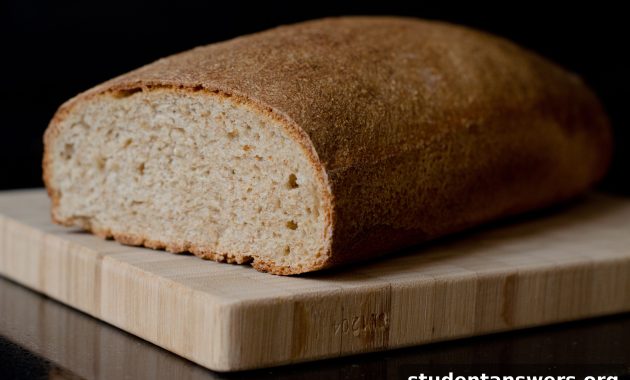
And there you have it! A stunning, delicious, and deeply satisfying loaf of homemade bread, made entirely by you. Slice it up, slather it with butter, and enjoy the fruits of your labor. Happy baking!