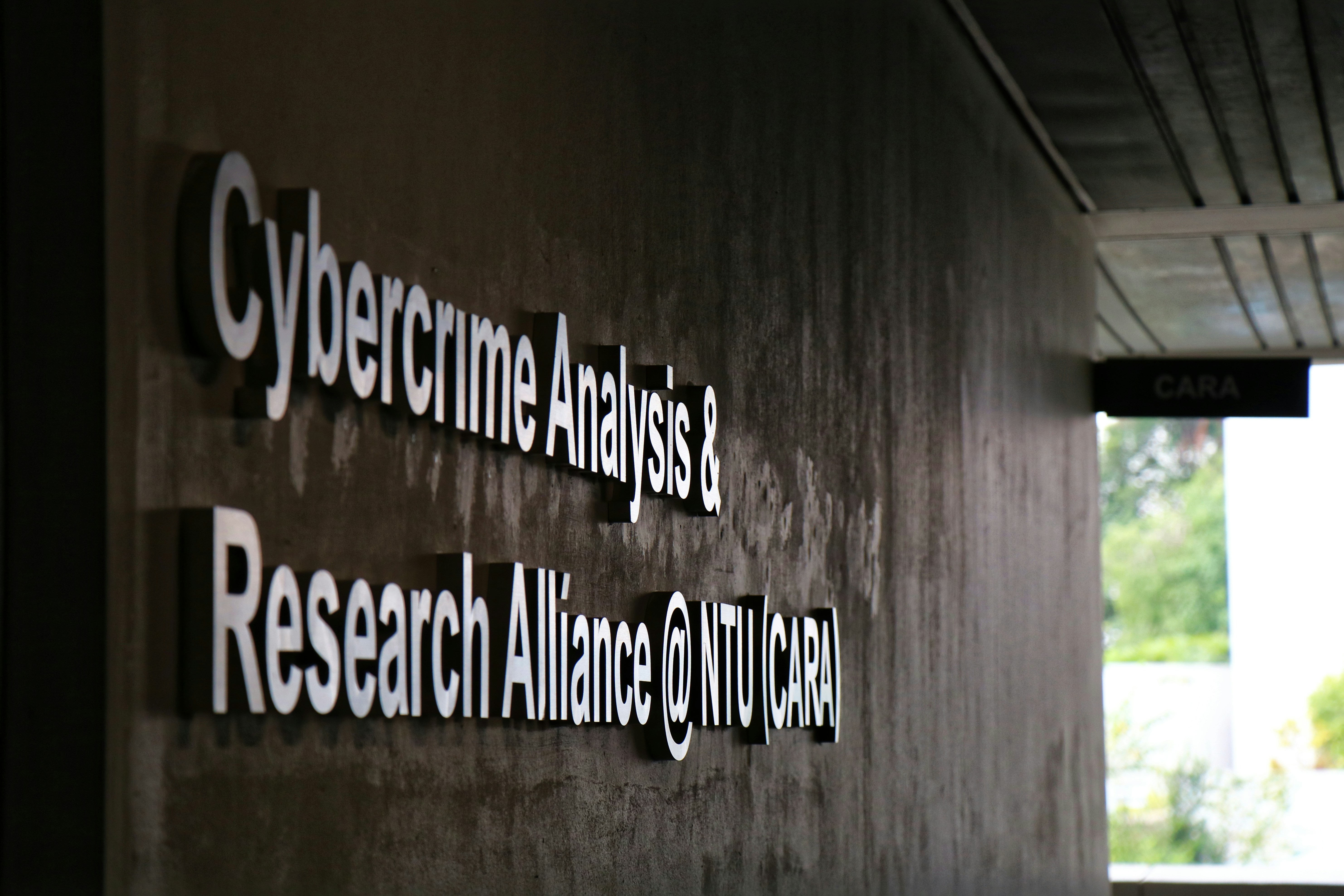
Boosting Employability: The Importance of Cybersecurity Certification in the Tech Industry
The Growing Demand for Cybersecurity Professionals
In today’s tech landscape, the demand for cybersecurity professionals is surging, evidenced by notable statistics reflecting job growth in this field. According to the Bureau of Labor Statistics, employment in information security is projected to grow by 35% from 2021 to 2031, significantly faster than the average for all occupations. This anticipated growth demonstrates the critical need for skilled individuals prepared to tackle the challenges posed by increasing cyber threats. As businesses continue to navigate a digital transformation, prioritizing security has never been more paramount, emphasizing the necessity for expert personnel who are well-versed in protective measures.
As the volume and sophistication of cyber threats escalate, organizations are increasingly investing in advanced cybersecurity infrastructures. With the rise of ransomware attacks, phishing threats, and data breaches making headlines, companies recognize the urgency of comprehensive security frameworks to safeguard sensitive information. Consequently, there is a heightened focus on hiring professionals equipped with the latest knowledge and skills to manage these risks effectively.
Contributing to this urgent need is the skills gap prevalent in the workforce. Many organizations are struggling to find qualified candidates with the requisite training and expertise needed to fill cybersecurity roles. Cybersecurity certifications have emerged as a vital component for job seekers aiming to enhance their qualifications in this rapidly evolving environment. These certifications not only demonstrate a commitment to the field but also signify to employers that candidates possess up-to-date knowledge of current security practices and technologies.
Moreover, the trend of pairing cybersecurity certification with online degree studies has gained traction. Universities are recognizing these credentials as strong preparation for advanced coursework, enabling aspiring professionals to bridge the gap between theoretical knowledge and practical application. Such programs are vital in ensuring that graduates are fully equipped to meet the demands of an ever-expanding technological landscape.
Cybersecurity Certifications: Understanding Their Value
In today’s rapidly evolving tech landscape, cybersecurity certifications have emerged as invaluable assets for individuals aspiring to enhance their careers. These certifications are designed to impart specialized knowledge and skills necessary for protecting information systems and networks from cyber threats. With a variety of certifications available, ranging from entry-level to advanced, candidates can choose a path that aligns with their career goals and current expertise. Entry-level certifications, such as CompTIA Security+ and Certified Ethical Hacker (CEH), provide foundational knowledge for individuals new to the field. In contrast, advanced certifications, such as Certified Information Systems Security Professional (CISSP), are aimed at seasoned professionals seeking to deepen their understanding of complex security frameworks.
Acquiring a cybersecurity certification boosts employability in a growing tech industry by demonstrating a commitment to the field and showcasing a candidate’s skill set to potential employers. The rigorous standards upheld by these certification programs are recognized across the industry, providing a competitive edge in the job market. Organizations often seek professionals who have undergone formal training and gained certification, as it indicates a level of expertise and dedication. Furthermore, many universities have integrated these certifications into their curricula, allowing students to pursue them alongside their degree studies. This pairing not only enhances knowledge but also ensures that graduates possess both theoretical foundation and practical skills.
As the demand for cybersecurity professionals continues to soar, obtaining relevant certifications becomes crucial for anyone looking to establish a strong professional profile. These credentials not only validate an individual’s expertise but also signal to employers that they are well-prepared to tackle the challenges posed by an increasingly digital world. By committing to ongoing education and certification, professionals can remain competitive and resilient in a dynamic landscape, ultimately paving the way for career advancement and success.
Pairing Certifications with Online Degree Studies
In the rapidly evolving field of technology, the integration of cybersecurity certifications with online degree studies has become increasingly popular. This trend reflects a robust understanding of the practical skills required in today’s job market, where theoretical knowledge alone may not suffice. Cybersecurity certifications serve as a specialized credential that enhances an academic degree, allowing individuals to bolster their employability in a growing tech industry.
The combination of certifications with online degree programs offers several advantages. Firstly, it allows students to bridge the gap between theoretical concepts learned in the classroom and real-world applications. By engaging in certification courses, learners can gain hands-on experience with industry-standard tools and practices, making them more attractive candidates to prospective employers. Moreover, universities often recognize these credentials as strong preparation for advanced coursework, providing a solid foundation for academic and professional growth.
Additionally, various institutions now offer programs that facilitate the pursuit of both certifications and degree studies simultaneously. These programs are designed to create a seamless transition from education to employment, often equipping students with the required expertise in cybersecurity alongside a comprehensive understanding of broader technological concepts. As the tech landscape continues to evolve, continuous learning becomes essential, and online programs play a pivotal role in this process. Students benefit from the flexibility that online education provides, allowing them to balance work, study, and certification pursuits effectively.
In conclusion, combining cybersecurity certifications with online degree studies is an effective strategy for individuals looking to enhance their marketability in a competitive job market. The synergy of theoretical and practical learning prepares graduates for the challenges of a dynamic tech environment, enabling them to adapt and thrive in their careers.
Recognition by Universities and Employers
In the realm of technology, the significance of a cybersecurity certification cannot be understated, particularly as it pertains to its recognition by both educational institutions and potential employers. Many universities have begun to acknowledge the value of these credentials, viewing them as crucial preparation for advanced coursework. The growing tech industry requires a skilled workforce adept in cybersecurity practices, and certifications serve as a strong indicator of preparedness for students entering this field.
Educational partnerships between universities and industry leaders are increasingly common, facilitating a smoother transition from academic learning to practical application. Such collaborations ensure that cybersecurity programs align with current industry standards, thus equipping students with relevant skills. As a result, those holding cybersecurity certifications often find themselves at an advantage when applying for graduate programs and internships. Universities recognize that these certifications provide a solid foundation for students, preparing them to tackle more complex topics and challenges within their degree studies.
Furthermore, employers are increasingly incorporating cybersecurity certifications into their hiring criteria. Companies searching for qualified candidates in the tech industry appreciate the dedication and expertise demonstrated by individuals who have pursued these credentials. Testimonials from hiring managers often highlight that a cybersecurity certification boosts employability, making candidates stand out in a competitive job market. Employers regard these certifications as indicative of a candidate’s commitment to their professional growth and understanding of crucial cybersecurity principles.
As the demand for cybersecurity professionals escalates, the importance of these certifications is likely to grow even further. Employers and universities alike are recognizing that candidates with cybersecurity credentials possess skills that are vital for success in advanced tech roles. This trend underscores the strong connection between formal education, industry recognition, and the overall employability of graduates in a rapidly evolving workforce.
This content has been prepared by the Studentanswers editorial team for educational and informational purposes only. We recommend consulting a qualified professional before making any personal decisions.