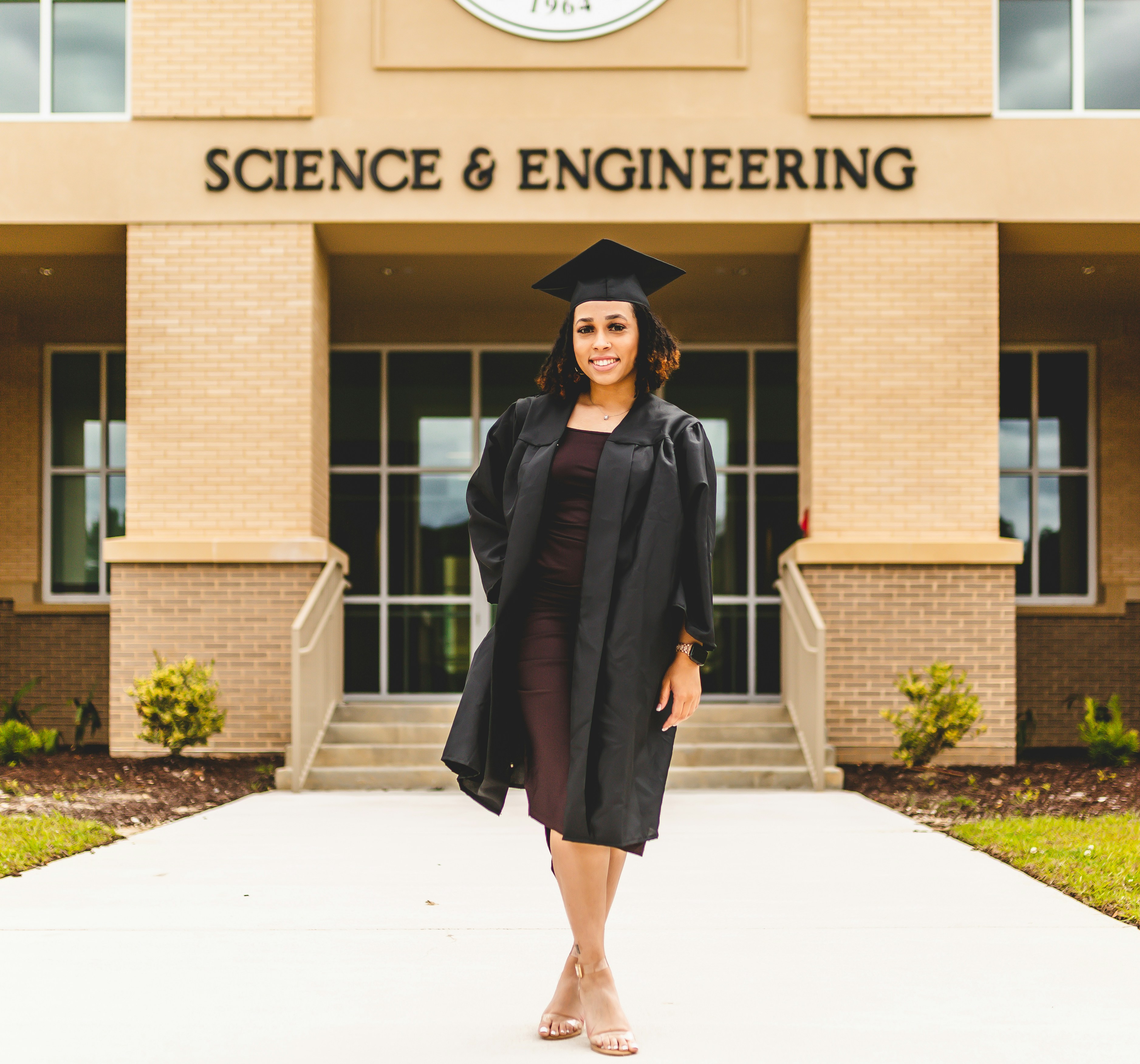
The Global Classroom: Why Tech and Engineering Students are Opting for International Studies
The Rise of International Education in STEM
In recent years, an increasing number of tech and engineering students have made the significant decision to study abroad. This evolving trend not only reflects the growing globalization of education but also highlights a shift towards an enhanced STEM (Science, Technology, Engineering, and Mathematics) education. As university admissions committees look for well-rounded candidates, those with international exposure often stand out, demonstrating not just academic prowess but also adaptability and a broader worldview.
Studying in a foreign country offers tech and engineering students a unique opportunity to immerse themselves in diverse learning environments. These experiences facilitate cultural exchange, allowing students to learn from various perspectives and methodologies that may not be available in their home institutions. Such exposure is instrumental in developing critical thinking skills, which are paramount in the fast-paced tech industry. Additionally, international education fosters personal growth, as students navigate the challenges of living and studying in a new country, ultimately enhancing their independence and resilience.
Moreover, tech and engineering students increasingly choose to study abroad because of the abundant opportunities for networking and collaboration. Engaging with peers and faculty from different backgrounds can lead to innovative ideas, research collaborations, and potential job placements. This international network is invaluable in today’s interconnected job market, where employers are increasingly seeking candidates who possess not only technical skills but also a global perspective.
Furthermore, the enhancement of STEM skills is greatly influenced by the advanced technological resources and cutting-edge research facilities that many foreign institutions offer. This, combined with the ability to learn from esteemed professors and industry professionals, prepares students to meet the dynamic demands of the global workforce. As a result, tech and engineering students are encouraged to broaden their horizons by considering education abroad as a vital step in their academic and professional journeys.
The Importance of a Global Perspective in STEM Fields
The rapid advancements in technology and engineering are deeply intertwined with the concepts of globalization and international collaboration. As industries evolve, tech and engineering students increasingly choose to study abroad, recognizing that such experiences are imperative for building a robust understanding of diverse markets and practices. This global exposure enhances their STEM education by introducing them to a variety of cultural contexts and methodological approaches, preparing them for the complexities of the modern workforce.
Globalization has fundamentally transformed the way businesses operate. Companies now operate on an international scale, requiring professionals who possess both technical expertise and an appreciation for cultural nuances. Being well-versed in international practices allows tech and engineering students to approach problems with a broader perspective, fostering innovative solutions. Moreover, students who study abroad develop essential soft skills, such as adaptability and communication, which are crucial when collaborating with diverse teams. These attributes are often pivotal for success in multinational corporations.
University admissions committees are increasingly recognizing the value of applicants who exhibit an international perspective. Candidates with study abroad experiences demonstrate a willingness to embrace new challenges and a commitment to personal growth. Such qualities align well with the contemporary educational ethos that seeks to cultivate globally minded individuals who can contribute meaningfully to society. Ultimately, the experiences gained through studying in foreign educational environments play a crucial role in shaping students as forward-thinking professionals equipped to navigate the complexities of international markets.
In conclusion, the significance of a global perspective in STEM fields cannot be overstated. Tech and engineering students benefit immensely from international studies, which not only enrich their academic journeys but also enhance their employability in an interconnected world. As globalization continues to redefine these sectors, the importance of understanding global contexts and practices will remain a decisive factor for career success.
Benefits of Studying Abroad for Tech and Engineering Students
The choice to study abroad presents a myriad of benefits for tech and engineering students, enhancing both their academic and personal lives. One of the most significant advantages is the improvement of problem-solving skills. Engaging with international peers allows students to confront and navigate a variety of challenges that may not be prevalent in their home countries. This exposure not only broadens their mindset but also instills innovative thinking, which is crucial in the rapidly evolving fields of technology and engineering.
Additionally, studying abroad exposes students to diverse methodologies and practices relevant to their field. Different educational institutions often have varied approaches toward teaching STEM disciplines. By experiencing these assorted methods, students are able to adapt their learning styles and incorporate new techniques into their own work. This adaptability is vital in today’s global workforce, where engineers and tech professionals are frequently required to collaborate with teams from varied backgrounds and expertise.
Furthermore, the international experience enriches students’ global awareness. As tech and engineering students increasingly choose to study abroad, they not only immerse themselves in different languages and cultures but also understand broader economic and social contexts. This comprehensive view is highly regarded by university admissions committees, as applicants with international perspectives are often seen as more versatile and better equipped to tackle global challenges in their fields.
In essence, the multifaceted benefits of studying abroad culminate in a well-rounded STEM education, preparing students to excel in their professional endeavors. The combination of enhanced problem-solving skills, new methodologies, and a deeper understanding of global contexts contributes significantly to their academic development and career prospects. Such experiences can prove invaluable as they progress in their tech or engineering careers.
Enhancing Language and Communication Skills
In today’s globalized world, the ability to communicate effectively across language barriers is an indispensable skill, particularly for tech and engineering students. As these individuals seek to advance their careers, many are discovering that studying abroad is a valuable opportunity to enhance their language and communication skills. This experience not only contributes to their personal growth but also strengthens their STEM education and global awareness, which are highly regarded by university admissions committees.
When tech and engineering students study in another country, they are often immersed in a new language and culture. This immersion provides a unique context for learning, allowing them to practice and refine their language skills in real-life situations. Whether it’s participating in group projects, attending lectures, or engaging in everyday conversations, students have ample opportunities to enhance their proficiency. As they navigate these experiences, they develop the ability to articulate complex technical concepts in another language, which is invaluable in today’s interconnected workforce.
Moreover, effective communication in engineering and technology is not limited to language proficiency alone. It also encompasses understanding cultural nuances, fostering collaboration among diverse teams, and adapting to various communication styles. As tech and engineering students increasingly choose to study abroad, they gain insights into different perspectives that enrich their understanding of global challenges and technological advancements. Such exposure prepares them to contribute more meaningfully to international projects, where teamwork and collaboration are crucial.
In conclusion, the imperative for tech and engineering students to enhance their language and communication skills is becoming increasingly clear. By choosing to study abroad, they not only improve their linguistic capabilities but also develop a broader understanding of how to work effectively in diverse teams, thus becoming well-rounded professionals equipped for the demands of the global marketplace.
Cultural Adaptability: A Crucial Skill for Future Engineers
In an increasingly interconnected world, cultural adaptability has emerged as a vital skill for tech and engineering students. As these students are faced with complex global challenges, the ability to navigate diverse cultural landscapes is indispensable. When tech and engineering students increasingly choose to study abroad, they immerse themselves in new environments that cultivate this essential quality. Exposure to various cultures provides an invaluable perspective, allowing students to understand and appreciate different viewpoints, customs, and working styles.
Cultural adaptability enhances collaboration and fosters innovation, key components in the modern workforce. In diverse teams, individuals bring unique experiences and ideas that contribute to problem-solving and creative development. By learning how to work with people from different cultural backgrounds, students strengthen their STEM education and develop a global awareness that is highly regarded by university admissions committees. Employers alike seek out candidates who possess this international perspective, recognizing that such adaptability often leads to more effective teamwork and the generation of innovative solutions.
Furthermore, navigating unfamiliar cultural contexts helps students build resilience and flexibility, traits that are increasingly sought after in the engineering and tech industries. As future engineers grapple with projects that may span various countries and cultures, the ability to adapt quickly is crucial for success. Those who have studied abroad often find themselves more prepared to tackle global challenges, as their experiences enrich their understanding of both technical processes and interpersonal dynamics.
In conclusion, the importance of cultural adaptability in the education of tech and engineering students cannot be overstated. The exposure gained from international study strengthens their capabilities to thrive in a diverse workforce, ultimately making them more effective professionals in their respective fields.
Success Stories: Alumni Experiences of Studying Abroad
As tech and engineering students increasingly choose to study abroad, many alumni have shared their transformative experiences that not only shaped their careers but also enriched their personal development. These narratives provide compelling evidence of the significant benefits international education offers. For instance, Maria Gonzalez, a recent graduate in computer engineering, pursued her degree in Germany. She recounts how immersing herself in a diverse academic environment enhanced her problem-solving skills and broadened her technical knowledge. Maria emphasizes that being exposed to different methodologies and perspectives allowed her to think creatively, making her a more effective engineer.
Similarly, Thomas Lee, who studied electrical engineering in Canada, found that international experiences equipped him with essential soft skills. He participated in cross-cultural projects that forced him to communicate and collaborate with peers from various backgrounds. This exposure not only improved his technical abilities but also made him more adaptable in a globalized workforce, an aspect he highlights as crucial in today’s tech-driven industries. According to Thomas, university admissions committees value applicants with international perspectives, which enhanced his appeal to future employers.
Another inspiring example is that of Aisha Patel, who engaged in a semester-long internship in Sweden while studying software development. This opportunity significantly boosted her confidence and professional network, resulting in a full-time job offer from the company she interned with. Aisha states that studying abroad did not just provide her with technical expertise; it also created a broader global awareness that she proved invaluable in her career trajectory.
These success stories from tech and engineering students illustrate how studying abroad contributes to personal and professional growth, enhancing their qualifications in an increasingly competitive job market. The experiences shared demonstrate the long-term benefits of an international education and inspire prospective students to consider pursuing similar paths.
University Admissions: The Value of International Experience
In today’s increasingly interconnected world, university admissions committees recognize the immense value of international experiences for prospective students, particularly those pursuing careers in STEM fields. Tech and engineering students increasingly choose to study abroad, benefiting from enhanced educational opportunities and diverse cultural exposure. This trend is not only beneficial for personal growth but is also a pivotal element that admissions committees consider in the evaluation of applicants.
Study abroad programs allow students to engage with global perspectives that can significantly enrich their academic understanding. Such experiences demonstrate a student’s initiative, adaptability, and commitment to their education. An increased global awareness positions these applicants as potential leaders in technology and engineering sectors that often require collaboration across borders. By immersing themselves in different educational systems and cultures, students gain unique insights into global challenges, which can inform their future work in STEM disciplines.
Moreover, students who have studied abroad often exhibit enhanced problem-solving skills and creativity. Exposure to various teaching methodologies and practical applications of technology equips these candidates with a well-rounded education. Admissions committees understand that applicants with international experiences are likely to bring diverse perspectives to the classroom, positively impacting their peers and the overall learning environment.
This emphasis on international exposure not only enhances a student’s academic profile but also demonstrates resilience and the ability to thrive in challenging situations. Universities are increasingly looking for students who show a dedication to personal growth and the ability to navigate complex global landscapes. The competitive edge that comes with international experience underscores its critical role in the admissions process, especially for tech and engineering students whose fields are at the forefront of innovation and collaboration.
Programs and Opportunities for International Study
For tech and engineering students, the landscape of international education is rich with diverse programs and opportunities that cater specifically to their academic and professional aspirations. Numerous universities around the world offer exchange programs that allow students to spend a semester or an entire academic year abroad. These programs facilitate a seamless transition from one institution to another, enabling students to continue their studies while benefitting from the unique curriculums offered internationally.
In addition to exchange programs, various scholarships are available to support students financially during their international studies. Many institutions provide funding specifically aimed at tech and engineering students, encouraging them to broaden their horizons through global learning experiences. Organizations, both governmental and non-governmental, also offer scholarships designed to offset the costs associated with living and studying abroad. These financial resources are invaluable, given the substantial investment required for such endeavors.
Moreover, partnerships between universities globally create additional opportunities for students. Collaborative programs often feature joint degrees or specific courses tailored to prepare students for the global workforce. Such partnerships enhance the educational experience by allowing students to engage with different teaching methodologies and cultural perspectives, which are significant in the STEM fields. These opportunities not only strengthen their academic foundation but also foster a deeper understanding of global challenges and innovations within the tech and engineering sectors.
Furthermore, programs such as internships or co-op placements abroad provide practical experience in international settings, allowing students to apply their theoretical knowledge in real-world scenarios. Overall, as tech and engineering students increasingly choose to study abroad, they gain a competitive edge in the job market, with enhanced skills and a broader viewpoint that university admissions committees find appealing. The integration of international studies into their education represents a strategic investment in their future career development.
Conclusion: Embracing the Future of STEM Education
As the landscape of education evolves, it is evident that tech and engineering students increasingly choose to study abroad, a trend that presents numerous benefits. The experiences gained through international study not only enhance technical skills but also contribute significantly to the development of a global perspective. This exposure is vital in the field of STEM, where collaboration across borders is a common practice. Students who immerse themselves in different cultures and educational systems are often better equipped to address the complexities of modern technological challenges.
Moreover, such international experiences strengthen the STEM education that tech and engineering students receive, benefiting their critical thinking, problem-solving skills, and adaptability. As industries lean toward globalization, the demand for professionals who can navigate different cultural contexts grows. Consequently, university admissions committees are increasingly valuing applicants who bring an international perspective to their studies and potential contributions to the workforce. These candidates typically demonstrate a unique blend of technical expertise and cultural competence, qualities that are essential in our interconnected world.
In light of these considerations, it becomes clear that tech and engineering students should view studying abroad not merely as an option but as an invaluable asset that can significantly shape their educational trajectory and career prospects. In essence, by embracing international study opportunities, students do not just enhance their academic credentials but also position themselves advantageously in a competitive job market. The future of STEM education is inherently global, and those who engage with it will likely find themselves at the forefront of innovation, ready to meet the challenges of tomorrow.
This content has been prepared by the Studentanswers editorial team for educational and informational purposes only. We recommend consulting a qualified professional before making any personal decisions.