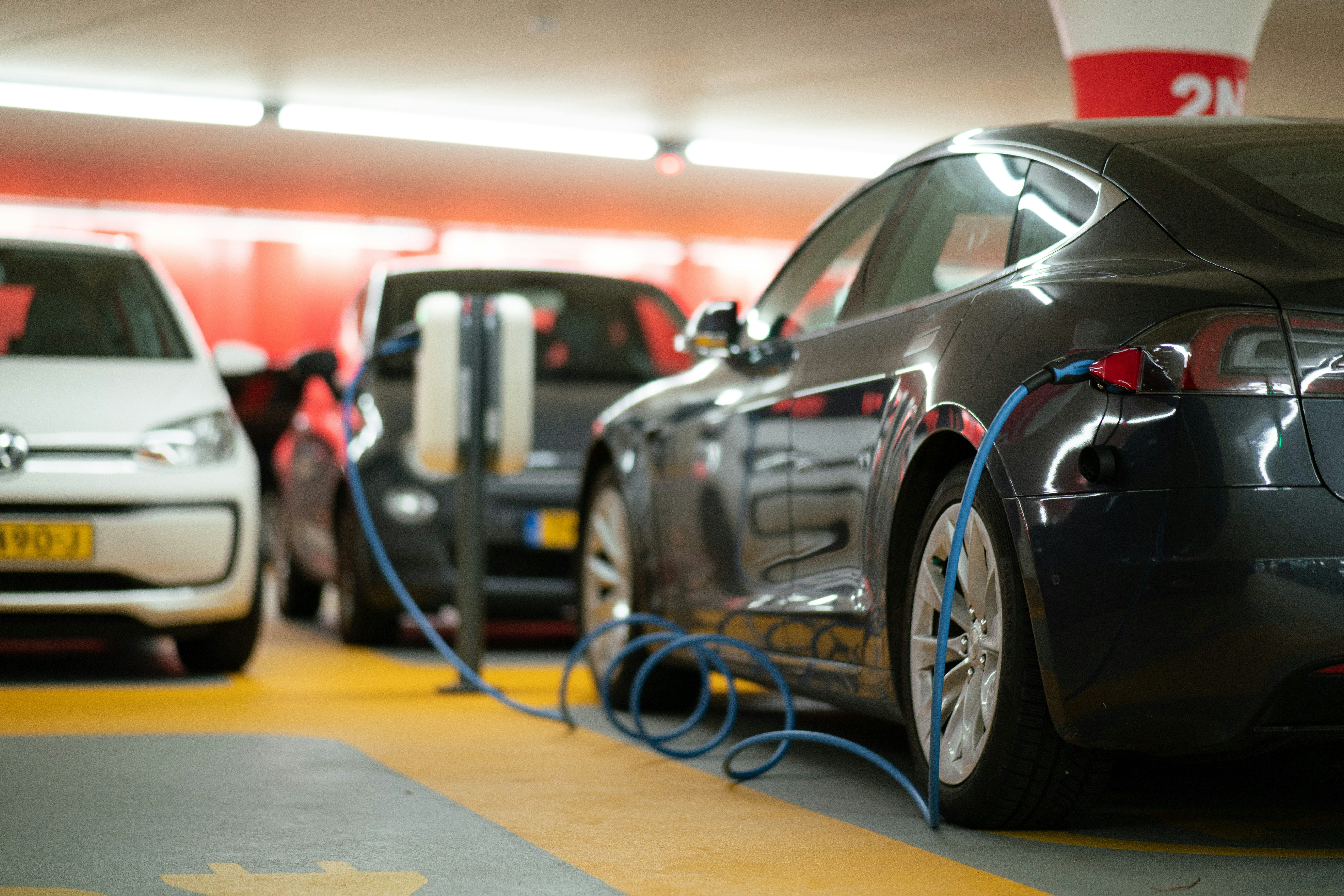
The Positive Impact of Electric Vehicles on Carbon Emissions and Fuel Dependency
Introduction to Electric Vehicles
Electric vehicles (EVs) represent a significant shift in the automotive landscape, marked by their reliance on electricity as the primary source of power rather than gasoline or diesel. Unlike traditional internal combustion engine vehicles, which emit greenhouse gases and contribute to environmental degradation, EVs operate using one or more electric motors, powered by rechargeable batteries. This fundamental difference not only affects vehicle performance but also has far-reaching implications for carbon emissions and fuel dependency.
As the global climate crisis continues to gain attention, the transition to electric vehicles is becoming increasingly relevant. In recent years, advancements in technology have made EVs more attractive to consumers. Modern electric vehicles boast longer ranges, quicker charging times, and enhanced performance, all of which contribute to their growing market appeal. Major automakers are responding to this demand by investing heavily in better batteries and charging networks, which further facilitates the adoption of EVs across various regions.
The increasing popularity of electric vehicles is evident worldwide, with many governments supporting this transition through incentives and policies. These measures aim to promote the use of EVs, which are associated with reduced carbon emissions and lower fuel dependency. Research indicates that as more individuals and organizations adopt electric vehicles, significant reductions in pollution and reliance on fossil fuels can be achieved. With the rise of sustainable transportation options, the automotive industry is undergoing a transformation that prioritizes environmental stewardship and energy independence.
This introduction sets the stage for a deeper exploration of the positive effects of electric vehicles on carbon emissions and fuel dependency. The following sections will delve into the various benefits of EV adoption, highlighting how this shift is pivotal in creating a sustainable future.
Environmental Impact of Electric Vehicles
Electric vehicles (EVs) play a crucial role in addressing climate change, primarily through their potential to reduce carbon emissions and dependency on fossil fuels. When considering the lifecycle emissions of electric vehicles compared to traditional gasoline or diesel-powered cars, it becomes evident that EVs offer significant environmental benefits. The manufacturing process of EVs does generate more emissions due to the production of batteries; however, these emissions are offset during the operational phase, where electric vehicles are generally more efficient. Studies indicate that, over their lifespan, electric vehicles reduce carbon emissions significantly when powered by renewable energy sources.
The operational stage of EVs is where the most substantial advantages arise. Unlike fossil fuel vehicles, electric vehicles produce zero tailpipe emissions, which leads to improved air quality, especially in urban areas plagued by pollution. Moreover, as the electricity grid increasingly incorporates renewable energy sources, the carbon footprint associated with charging EVs continues to diminish. This gradual transition not only helps in reducing greenhouse gases but also highlights the need for automakers to invest in better batteries and charging networks to make EVs more accessible and sustainable.
Additionally, the positive impact of electric vehicle adoption extends beyond just carbon emissions; it also plays a pivotal role in addressing global warming. By decreasing reliance on traditional fossil fuels, countries can enhance their energy security and bolster their economies by reducing fuel dependency. The increasing availability of EVs and expanding charging infrastructure signals a shift towards a more sustainable future, underscoring the responsibility of consumers, businesses, and policymakers to support this transition. As electric vehicle adoption is rapidly increasing worldwide, both individuals and societies can experience the myriad benefits associated with this innovative technology.
Reducing Fuel Dependency
Electric vehicles (EVs) have rapidly gained traction as a viable mode of transportation, driven predominantly by the increasing awareness of environmental issues and the need to reduce carbon emissions and fuel dependency. The transition from traditional gasoline and diesel vehicles to electric alternatives marks a significant shift in the automotive landscape, one that holds the promise of promoting energy independence and enhancing national security.
By adopting electric vehicles, consumers directly contribute to a decrease in fossil fuel consumption. This reduction is particularly vital as it reduces reliance on imported oil, ultimately paving the way for greater energy independence. As more people switch to EVs, the demand for gasoline and diesel diminishes, encouraging a gradual decline in the fossil fuel market. Consequently, this shift has the potential to also drive down fossil fuel prices, benefiting the economy at large.
The transition to electric vehicles is complemented by an increase in automakers’ investments in better batteries and charging networks. These advancements facilitate longer travel ranges and more accessible charging options, addressing one of the primary concerns surrounding the adoption of electric vehicles. As the infrastructure for EV charging expands, the appeal of electric vehicles becomes even more pronounced, making this eco-friendly choice more accessible to the general public.
Additionally, transitioning towards electric vehicles aligns with the broader movement towards renewable energy sources. Many EV owners are capitalizing on the opportunity to power their vehicles using renewable energy such as solar power. This creates a virtuous cycle, wherein electric vehicles reduce carbon emissions, while the energy that powers them also moves away from fossil fuels toward more sustainable options.
As the adoption of electric vehicles continues to expand globally, the collective impact will strengthen our ability to mitigate climate change and enhance our energy security. With ongoing innovations in battery technology and charging infrastructure, the future unequivocally points toward a more sustainable and less fuel-dependent transportation landscape.
Advancements in Battery Technology
The automotive industry is undergoing a significant transformation driven by the growing adoption of electric vehicles. A key factor in this shift is the substantial investments automakers are making in improving battery technology. Enhanced energy density has become a focal point, enabling electric vehicles to travel longer distances on a single charge. This not only enhances the convenience for users but also plays a crucial role in reducing carbon emissions associated with vehicle use. As vehicles become more efficient, their reliance on fossil fuels diminishes, contributing to greater sustainability.
Charging times are another area where advancements are yielding benefits. Automakers are focusing on developing fast-charging solutions that allow drivers to spend less time waiting for their vehicles to charge. As these technologies improve, the practicality of electric vehicles increases, thereby encouraging wider adoption and further lowering fuel dependency. Consequently, more consumers are willing to transition from traditional gas-powered vehicles to electric alternatives, thus promoting a greener transportation ecosystem.
Longevity is also a key aspect of battery development. Modern batteries are being designed to last longer, which not only enhances the performance of electric vehicles but also addresses concerns related to resource consumption and waste management. The emphasis on eco-friendliness in battery production is paramount, with automakers striving to utilize sustainable materials and processes. This approach not only minimizes environmental impact but also resonates with consumers who value ecological responsibility.
In summary, the ongoing advancements in battery technology are pivotal in shaping the future of electric vehicles. These improvements significantly contribute to electric vehicles’ ability to reduce carbon emissions and fuel dependency, while simultaneously making them a more appealing option for consumers. As the race to enhance battery performance continues, the positive implications for the automotive landscape and the environment are profound.
Expansion of Charging Networks
The surge in electric vehicles (EVs) adoption is significantly influenced by the development of charging infrastructure. The expansion of charging networks has become a vital component in ensuring that electric vehicles reduce carbon emissions and fuel dependency effectively. With more drivers making the switch to EVs, the availability of charging stations has never been more crucial, enabling easier access and convenience for users.
Charging stations fall into several categories, each contributing differently to the overall charging ecosystem. Fast chargers are designed to minimize downtime, providing a swift power boost for drivers on the go. These stations can charge a vehicle to 80% capacity in just 30 minutes, making long-distance travel more feasible for electric vehicle users. Additionally, home charging units allow owners to charge their vehicles overnight, offering a convenient solution that removes the barriers some drivers may face regarding charging access.
Governments and the private sector play essential roles in the growth of charging infrastructure. Many governments around the world have introduced incentives, subsidies, and regulations to encourage the installation of more public charging stations. For example, some cities prioritize the implementation of charging networks in urban areas, while others focus on highway corridors to facilitate long-distance EV travel. Private enterprises are also investing heavily in charging solutions, often collaborating with municipalities to develop extensive networks that can accommodate the increasing prevalence of electric vehicles.
Accessibility to charging stations directly impacts public perception and acceptance of electric vehicles. As charging infrastructure continues to expand and the number of available stations increases, it enhances the practicality of EVs for daily use and travel. This growing accessibility will likely lead to a higher rate of adoption worldwide, further benefiting the environment by reducing carbon emissions and fuel dependency. Moreover, automakers invest in better batteries and charging networks, allowing for improvements in battery performance and charging speeds, driving this transition even further.
Global Adoption Trends of Electric Vehicles
The adoption of electric vehicles (EVs) has been on a rapid upward trajectory across the globe, reflecting a significant shift in consumer preferences and governmental policies aimed at reducing carbon emissions and fuel dependency. According to recent statistics from the International Energy Agency (IEA), the global sales of electric cars reached a record of approximately 10 million units in 2022, marking a 55% increase compared to the previous year. This surge in demand has led to EVs now comprising over 14% of the total vehicle market share, a noteworthy improvement from just 4% in 2020.
Countries are experiencing varying levels of market penetration, largely influenced by regional policies and incentives. For instance, Norway has emerged as a leader in electric vehicle adoption, with EVs accounting for over 64% of new car sales in 2022, primarily due to substantial government incentives, tax exemptions, and a robust charging infrastructure. In contrast, markets like the United States and China, while still significant players, are experiencing growth at different paces; China remains the largest market for electric cars, with a total of 6.5 million sales, facilitated by policies such as subsidies for consumers and investments in charging networks.
Several factors contribute to the increasing adoption of electric vehicles worldwide. Primarily, heightened consumer awareness of climate change issues has prompted many to consider the environmental impact of their transportation choices. Additionally, automakers invest in better batteries and charging networks, which enhance the convenience and efficiency of owning an electric vehicle. Furthermore, stricter emissions regulations and renewed commitments to sustainability underscore a collective global effort to transition to cleaner transportation methods. This confluence of public and private sector initiatives supports the growing trend of EV adoption and the broader objectives of reducing carbon emissions and fuel dependency.
Challenges Facing Electric Vehicle Adoption
While electric vehicles (EVs) present significant opportunities for reducing carbon emissions and fuel dependency, several challenges continue to impede their widespread adoption. One of the most frequently cited issues is range anxiety, which refers to the fear that a vehicle will run out of charge before reaching its destination. This concern can be particularly pronounced in regions lacking a comprehensive charging infrastructure. To mitigate this, automakers invest in better batteries and charging networks, which promise to enhance the driving range and convenience for consumers.
The initial cost of electric vehicles also remains a barrier for many potential buyers. Although prices have been decreasing due to advancements in technology and increasing production efficiencies, EVs can still be more expensive than their gasoline-powered counterparts. Government incentives and subsidies can play a crucial role in offsetting this cost, making EVs more accessible. Additionally, the total cost of ownership often favors EVs in the long run, as they typically have lower operating and maintenance costs.
Another challenge is charge time, as filling an electric vehicle’s battery can take significantly longer than refueling a traditional car. Innovations such as fast-charging stations are essential in addressing this issue, allowing for quicker turnaround times and greater usability. It’s also worth noting that the environmental impact of battery production and disposal cannot be overlooked. The extraction of raw materials and battery recycling raise legitimate concerns regarding sustainability. However, strides are being made to create greener battery technologies and enhance recycling processes.
In conclusion, while there are notable challenges facing electric vehicle adoption, ongoing advancements and investments in infrastructure and technology hold promise for overcoming these hurdles, thereby facilitating the transition to more sustainable transportation solutions.
Case Studies of Successful EV Implementations
Several cities and countries have set remarkable examples of how electric vehicles (EVs) can significantly reduce carbon emissions and fuel dependency through effective policies and strategic planning. One notable case is Norway, where government incentives, such as tax exemptions and access to bus lanes, have led to a dramatic increase in EV adoption. Currently, nearly 54% of new car sales in Norway are electric, showcasing how a supportive regulatory framework can foster sustainable transportation solutions. The success of EVs in Norway demonstrates the impact of comprehensive governmental policies on consumer behavior and market dynamics.
Another pertinent example is the city of Shenzhen in China, which transformed its entire public bus fleet to electric vehicles. This initiative not only reduced the carbon emissions associated with public transport but also provided cleaner air for its residents. The key to Shenzhen’s success lay in its commitment to investing in better batteries and charging networks, enabling a seamless transition to electric transport. The substantial reduction in local emissions has underscored the effectiveness of fully electrifying public transit systems.
In the United States, California has been a frontrunner in EV promotion, prioritizing clean energy initiatives and infrastructure development. A notable program is the California Clean Vehicle Rebate Project, which has incentivized residents to purchase electric vehicles. As a result, California has seen a consistent increase in EV adoption, reflecting the profound effect that financial incentives and education can have on consumer choices. The state’s proactive measures have resulted in reduced air pollution and a shift towards sustainable energy.
These case studies illustrate how strategic investments in electric vehicle infrastructure, complemented by supportive policies, can facilitate the rapid adoption of EVs globally. They highlight the importance of learning from successful implementations to guide future initiatives aimed at achieving sustainability goals and promoting a low-carbon future.
Conclusion and Future Outlook
Electric vehicles (EVs) represent a significant advancement in the quest to reduce carbon emissions and fuel dependency. Throughout this blog post, we have explored various aspects of how electrification can transform the transportation landscape. With growing awareness regarding environmental sustainability, there is an increasing urgency to transition from traditional combustion engines to electric vehicles that produce zero tailpipe emissions, thus minimizing air pollution and contributing to improved public health.
The automotive industry is witnessing rapid shifts as automakers invest in better batteries and charging networks, enhancing the overall EV experience. This focus on innovation not only improves the driving range and efficiency of electric vehicles but also fosters the development of more sustainable energy solutions. As such, the infrastructure around EV charging is being bolstered, which will undoubtedly catalyze the adoption of electric vehicles. Currently, EV adoption is rapidly increasing worldwide, driven by the desire for greener alternatives to fossil fuel-powered transportation.
Looking to the future, the market for electric vehicles is poised for significant growth. Technological advancements, such as solid-state batteries and integrated smart grids, will likely play pivotal roles in revolutionizing how we approach personal and commercial transportation. This innovation will not only enhance the performance of electric vehicles but also support the overall ecosystem necessary for energy independence. With favorable government policies and a shift in consumer preferences towards sustainable options, we can expect a robust expansion of the electric vehicle sector in the coming years.
As the global community continues to grapple with climate change and energy challenges, the positive impact of electric vehicles on carbon emissions reduction and fuel dependency will be increasingly vital in shaping a sustainable future. The transition towards electric mobility is not merely a trend but a fundamental shift that carries the promise of lasting benefits for both the environment and society at large.
This content has been prepared by the Studentanswers editorial team for educational and informational purposes only. We recommend consulting a qualified professional before making any personal decisions.
