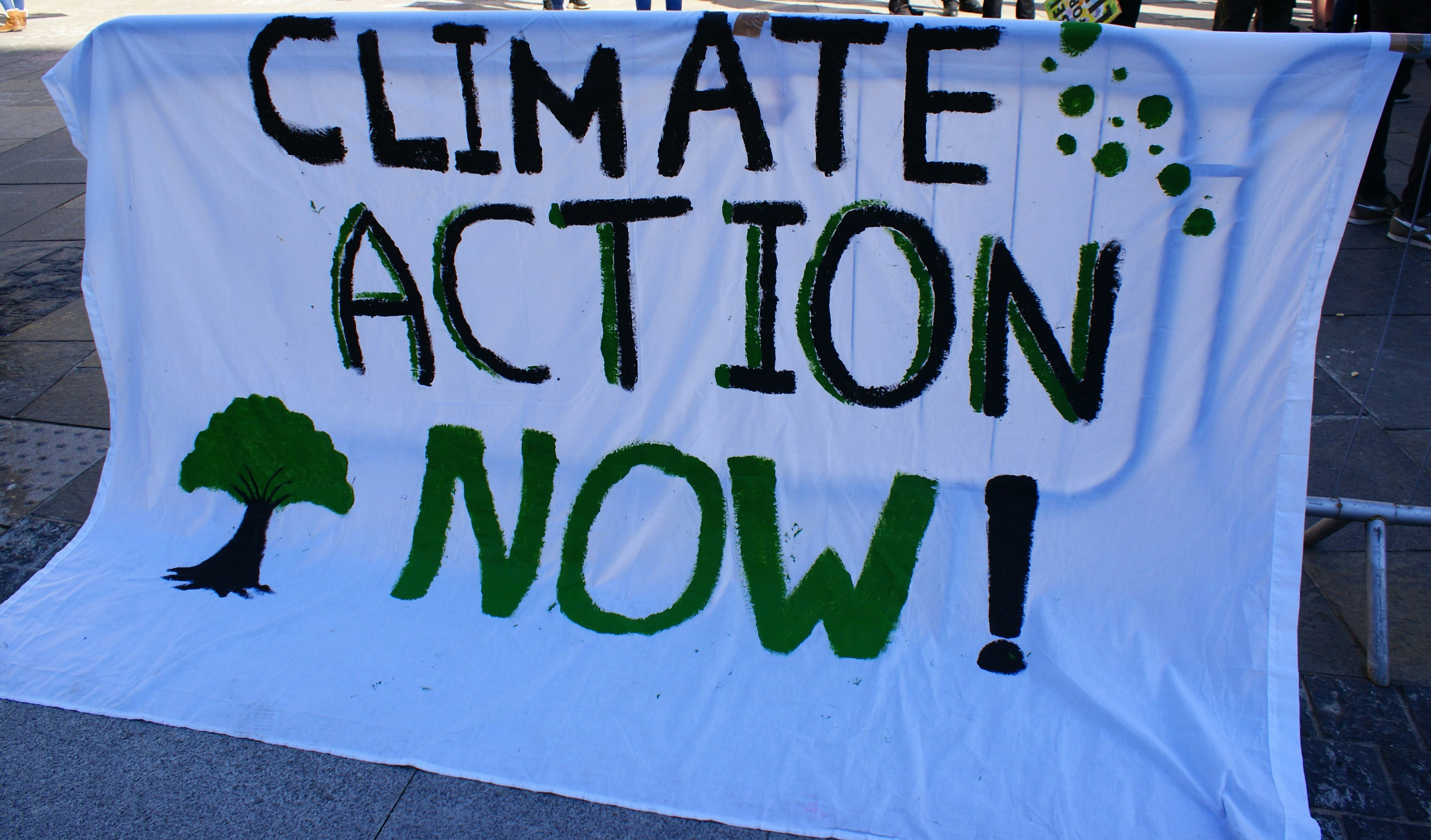
The Urgency of Climate Action: Protecting Ecosystems from Global Warming
Understanding Global Warming and Its Impact
Global warming refers to the long-term rise in Earth’s average surface temperature due primarily to human-induced emissions of greenhouse gases. These gases, such as carbon dioxide, methane, and nitrous oxide, originate from burning fossil fuels, deforestation, and various industrial activities. The increasing concentration of these gases traps heat in the atmosphere, leading to a gradual yet significant warming effect. While often used interchangeably with climate change, global warming specifically addresses the temperature increases, whereas climate change encompasses a broader range of changes in climate patterns, including shifts in precipitation and extreme weather events.
The implications of global warming threaten ecosystems around the world and create a cascading effect on biodiversity. As temperatures rise, many species are forced to adapt, migrate, or face extinction. For instance, polar habitats are experiencing unprecedented changes, endangering species like polar bears and seals, while coral reefs are suffering from bleaching events due to warmer waters. Such disruptions in ecosystems can lead to challenges in food chains and ecological balance, ultimately harming not just wildlife but also human communities reliant on these natural resources.
The urgency to understand global warming stems from its widespread effects on the climate system as a whole. Increased temperatures contribute to the melting of ice caps, rising sea levels, and altered weather patterns, which pose imminent risks for populations, particularly in vulnerable regions. This intersection of environmental degradation and socio-economic instability emphasizes that climate action is critical for future generations. Scientists urge governments to reduce emissions, highlighting the need for immediate and concerted efforts to mitigate the worst impacts of global warming. Only by addressing this pressing issue can we hope to protect global ecosystems and ensure a sustainable future.
Threats to Ecosystems Worldwide
Global warming threatens ecosystems around the world by introducing dramatic changes to temperature, precipitation, and weather patterns. This shift places significant pressure on diverse environments such as coral reefs, polar regions, rainforests, and wetlands. Each of these ecosystems contributes uniquely to global biodiversity and ecological balance, yet they face mounting challenges exacerbated by climate change.
Coral reefs, often called the “rainforests of the sea,” are extremely sensitive to water temperature fluctuations. As ocean temperatures rise, coral bleaching occurs, which disrupts the entire marine habitat. This not only impacts the coral’s health but also the myriad of species that depend on reefs for shelter and sustenance. Scientists urge governments to reduce emissions that contribute to ocean warming, recognizing the essential role these ecosystems play in supporting marine biodiversity.
In polar regions, the impact of global warming is profound. Melting ice caps lead to habitat loss for species such as polar bears and seals. Furthermore, the loss of ice affects global sea levels and alters marine currents, creating a ripple effect that can disrupt ecosystems far from the poles. The urgency for climate action becomes critical here, as the survival of these species is at stake, and their decline can serve as an indicator of broader environmental disruption.
Rainforests, which are vital carbon sinks, are also adversely affected by climate change. Changes in precipitation patterns can lead to droughts or floods that threaten this rich biodiversity. Moreover, increased temperatures can facilitate the spread of invasive species, putting native flora and fauna at risk. Wetlands, another crucial ecosystem, face similar threats, as elevated temperatures and altered rainfall patterns can lead to increased salinity levels and habitat destruction.
The interconnectedness of these ecosystems highlights the urgency of global warming and the critical need for comprehensive climate action. By understanding the vulnerabilities of each ecosystem, society can better mobilize efforts to protect them and ensure a healthier planet for future generations.
The Role of Scientists in Addressing Global Warming
Scientists play a pivotal role in understanding the complexities of global warming, which threatens ecosystems around the world. Through rigorous research and sophisticated methodologies, they gather essential data that informs governments and policymakers. This information is critical to developing effective strategies aimed at mitigating climate change. Advanced techniques such as satellite imagery, climate modeling, and field studies enable researchers to analyze the impacts of rising temperatures on various ecosystems. These studies are foundational for illustrating the tangible effects of global warming on biodiversity and natural habitats.
Modeling future scenarios is another crucial aspect of scientific inquiry. Researchers utilize climate models to project potential outcomes of current trends, helping to forecast future environmental conditions under different emissions scenarios. Such predictive analyses assist policymakers in understanding the urgency needed for climate action. As scientists have observed, without decisive measures to reduce emissions, the repercussions of global warming will escalate, affecting resources and species far and wide.
The importance of peer-reviewed research cannot be overstated. The scientific community relies on rigorous standards that ensure the reliability and accuracy of findings. Studies published in reputable journals provide policymakers with credible evidence for formulating climate legislation and initiatives. Moreover, ongoing research enhances the understanding of climate dynamics and adaption mechanisms that can safeguard vulnerable ecosystems.
In light of these challenges, scientists are advocating for immediate responses to global warming through coordinated climate action. They emphasize that addressing climate change is not merely an environmental issue but a pivotal concern for future generations. To protect ecosystems and maintain biodiversity, active collaboration between scientists, governments, and institutions is paramount in creating sustainable solutions. The call to action is clear, and the need for scientific guidance in these efforts is essential to safeguarding the planet.
Government Responsibility in Reducing Emissions
The role of governments in addressing the issue of global warming threatens ecosystems around the world is pivotal. As significant contributors to greenhouse gas emissions, governments are uniquely positioned to implement and enforce policies that can mitigate these detrimental effects. An essential piece of international collaboration aimed at tackling climate change is the Paris Agreement, which sets a framework for countries to commit to reducing their carbon footprints and transition towards sustainable practices. This agreement demonstrates the collective acknowledgment of the existential threat posed by rising global temperatures and the urgent need for climate action for future generations.
Many countries have developed national strategies that align with the goals set forth in the Paris Agreement, showcasing varying approaches to emissions reduction. For example, some nations have pledged to achieve carbon neutrality by mid-century, while others emphasize transitioning to renewable energy sources to reduce reliance on fossil fuels. Through policies such as carbon pricing, tax incentives for clean energy, and stringent regulations on industrial emissions, governments can effectively guide their economies towards lower emissions. The commitment to reducing greenhouse gases aligns with a broader understanding of how climate action is critical for safeguarding ecosystems and enhancing public health.
Furthermore, legislative action serves as a cornerstone for creating a sustainable future. Effective laws not only facilitate the reduction of emissions but also provide the necessary funding for innovative projects aimed at conservation and restoration of natural ecosystems. Investments in green technology and infrastructure can foster economic development while simultaneously protecting the environment. As governments embrace their responsibility in combating climate change, it becomes increasingly evident that reducing emissions is not merely an environmental imperative but also a socioeconomic opportunity for enhanced global resilience against climate challenges.
The Economic Implications of Climate Inaction
The consequences of failing to address climate change are increasingly manifesting in significant economic ramifications. As global warming threatens ecosystems around the world, the degradation of natural resources leads to economic instability. Natural disasters—aggravated by climate change—have resulted in a staggering financial burden on affected regions. The National Oceanic and Atmospheric Administration (NOAA) noted that in just 2021, the United States experienced over $100 billion in damages due to climate-related events.
<pmoreover, $140="" (wwf)="" 2030.="" a="" agriculture,="" also="" an="" and="" becomes="" biodiversity,="" businesses.="" but="" by="" climate="" consequences.="" costs="" could="" critically="" decline="" depletion="" direct="" disruption="" economic="" ecosystems,="" ecosystems.="" environmental="" escalates="" estimates="" evident="" fisheries,="" for="" fund="" global="" has="" health="" healthy="" in="" inaction="" including="" industries,="" instance,="" intricately="" is="" issue;="" it="" leads="" loss="" many="" merely="" natural="" not="" of="" on="" one.<pinvestments a="" act="" action="" action,="" adopt="" and="" approach="" as="" assertively="" associated="" businesses="" but="" can="" climate="" commitment="" communities="" compared="" considerable="" costs="" critical="" decrease="" disaster="" due="" emissions="" escape="" essential.="" expenses="" financial="" for="" future="" gas="" generations.
Individual Actions Against Global Warming
Global warming threatens ecosystems around the world, prompting a pressing need for individual actions to combat this challenge. Every person has the potential to make a difference by adopting more sustainable practices in their daily lives. One effective approach is to reduce energy consumption. Individuals can begin by replacing traditional light bulbs with energy-efficient LED options, which not only consume less power but also have a longer lifespan. Simple measures, such as turning off lights and unplugging electronics when not in use, can further decrease energy waste.
Supporting renewable energy initiatives also plays a crucial role in mitigating the effects of climate change. Individuals can choose to power their homes with renewable energy sources, such as solar or wind energy, either through direct installation of solar panels or by opting for energy providers that prioritize these sustainable options. This transition not only reduces carbon emissions but also encourages governments to invest more in renewable infrastructure.
Another significant way individuals can contribute is by advocating for sustainable policies at local and national levels. Engaging in community initiatives, attending town hall meetings, and contacting representatives can amplify the urgency surrounding climate action, thereby reinforcing the idea that proactive measures are vital for protecting ecosystems. Personal stories, such as those of local conservation projects or successful community-driven recycling campaigns, can inspire others to take similar actions within their neighborhoods.
Finally, adopting simpler lifestyle changes, such as reducing meat consumption, utilizing public transportation, or embracing cycling, can greatly decrease one’s carbon footprint. When individuals actively participate in these eco-friendly practices, they not only contribute to the fight against global warming but also inspire those around them to do the same. Every action counts, illustrating that climate action is critical for future generations.
Success Stories in Climate Action
Across the globe, various initiatives underscore the positive impact of climate action in combating the detrimental effects of global warming. Numerous cities have demonstrated significant success in reducing their emissions, showcasing the potential for transformative change. For example, Copenhagen has emerged as a leader in sustainability, aiming to become the world’s first carbon-neutral city by 2025. Through comprehensive policies promoting cycling, renewable energy investments, and energy-efficient buildings, the city has successfully reduced its CO2 emissions by over 40% since 2005.
Furthermore, innovative technological advancements in green energy are propelling the transition toward low-carbon economies. A global leader in this effort is Germany, which has invested heavily in solar and wind energy. The country’s Energiewende (energy transition) strategy has not only increased the share of renewables in electricity generation to approximately 50%, but it has also driven down costs, making clean energy more accessible. This case illustrates how adopting sustainable technologies can have a far-reaching effect not only on emissions but also on economic growth and job creation.
In addition to governmental efforts, grassroots movements have played a crucial role in addressing climate change. One noteworthy example is the Fridays for Future movement initiated by young climate activist Greta Thunberg. This grassroots campaign has mobilized millions worldwide, emphasizing that climate action is critical for future generations. By raising awareness and encouraging dialogue, these movements have pressured policymakers to adopt more ambitious climate goals and actions.
The diverse successes seen across different regions and sectors serve as a motivating force in the fight against climate change. As global warming threatens ecosystems around the world, these examples illustrate that effective measures can be implemented, reinforcing the call for governments to reduce emissions. Together, these actions pave the way for a sustainable future, reminding us that every effort counts in addressing the climate crisis.
The Importance of Education and Awareness
As global warming threatens ecosystems around the world, the role of education and awareness becomes increasingly vital in addressing this urgent issue. Comprehensive educational programs, tailored for both children and adults, can foster a deeper understanding of the implications of climate change and the necessity for immediate action. Schools serve as a pivotal platform for informing the younger generation about the environmental challenges they will inherit, reinforcing the importance of sustainability practices and responsible citizenship.
Furthermore, community programs can significantly enhance public knowledge regarding the detrimental effects of global warming. Workshops, seminars, and local initiatives that encourage environmental stewardship can empower individuals to take local actions that contribute to global solutions. By engaging communities in discussions about climate science and adaptation strategies, participants are more likely to grasp the severity of the situation and participate actively in climate action. Scientists urge governments to reduce emissions through policy reforms; however, this change is contingent upon public support, which can only be cultivated through widespread education and awareness.
The media, too, plays a crucial role in disseminating information regarding climate change. Coverage of scientific findings and climate-related events can bring the realities of global warming to the forefront of public consciousness. When the media emphasizes the interconnectedness of human activities and their impact on ecosystems, citizens are more likely to feel a sense of responsibility and urgency to engage in environmental advocacy. Through clear and actionable communication, the public can be inspired to push for progressive policies and support initiatives aimed at mitigating global warming.
Ultimately, enhancing education and raising awareness on these issues are critical steps. An informed public is essential for rallying support for climate action, ensuring that future generations inherit a healthier planet. As we face the ever-looming threat of environmental collapse, commitment to education will equip communities with the knowledge they need to advocate effectively for necessary change.
Looking Towards the Future: The Next Generations
The implications of climate change extend far beyond the current inhabitants of our planet, posing significant threats to future generations. As global warming threatens ecosystems around the world, the urgency for effective climate action has never been more pronounced. Decisions made today will have cascading effects on biodiversity, natural resources, and overall ecosystem health. The potential loss of species, alteration of habitats, and declining ecosystem services could fundamentally reshape our environment, leaving future generations to cope with the consequences of our inaction.
It is imperative that the current generation acknowledges its role as stewards of the planet. By actively engaging in sustainable practices and advocating for systemic change, we can mitigate the adverse effects associated with climate change. Scientists urge governments to reduce emissions and implement policies that prioritize renewable energy sources, protect natural habitats, and promote conservation efforts. These actions are vital not only for addressing the immediate challenges we face but also for ensuring that essential resources such as clean air, water, and fertile land remain available for the next generations.
Furthermore, the responsibility of ensuring a livable planet for future inhabitants should be approached with a sense of urgency and commitment. The challenges posed by global warming call for innovative solutions, intergenerational collaborations, and inclusive engagement among various stakeholders. By fostering a culture of sustainability and prioritizing environmental education, the current generation can inspire future leaders to continue the fight against climate change. In doing so, we safeguard not just our ecosystems, but the very fabric of life on Earth for those who will come after us.
In conclusion, the need to address the impacts of global warming is critical for future generations. As we strive for a sustainable and balanced ecosystem, it is our duty to act decisively and responsibly, ensuring that our actions today reflect a commitment to preserving the planet for tomorrow.
This content has been prepared by the Studentanswers editorial team for educational and informational purposes only. We recommend consulting a qualified professional before making any personal decisions.
