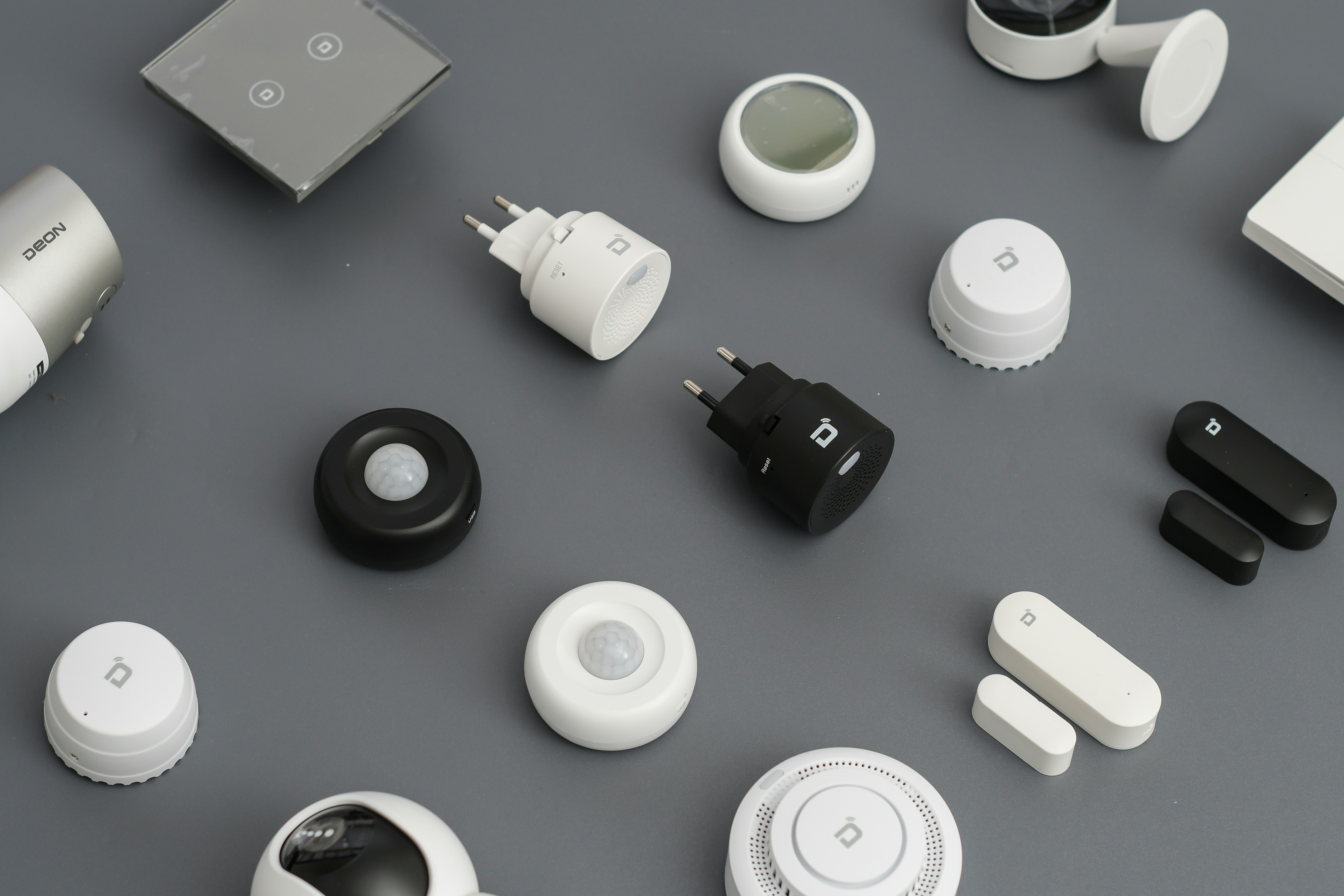
How Smart Home Devices Simplify Everyday Tasks and Enhance Living
Introduction to Smart Home Devices
Smart home devices refer to a range of interconnected gadgets designed to enhance convenience, security, and energy efficiency within a residential setting. By utilizing the Internet of Things (IoT) technology, these devices can communicate with one another, allowing users to control various aspects of their home through a central device, such as a smartphone or voice-activated assistant. The primary function of these smart devices is to automate and simplify everyday tasks, making daily routines not only more manageable but also more efficient.
The surge in popularity of smart home devices has been fueled by significant advancements in technology. As the capabilities of these devices evolve, their prices have become increasingly affordable for the average consumer. From smart thermostats that optimize energy use by learning user preferences, to security cameras that provide real-time monitoring and alerts, the versatility of these products has captured the interest of a wide audience. In recent years, the adoption of smart home devices has gained remarkable traction, leading to a growing marketplace that caters to various wants and needs.
The convenience afforded by smart home technology resonates particularly well in busy households, where the integration of smart devices can streamline numerous tasks. For instance, users can easily schedule their lighting to adjust automatically, monitor energy consumption through smart plugs, or utilize voice commands to manage appliances and devices within the home. This level of automation creates an environment in which daily tasks are simplified, enabling individuals and families to focus on more important aspects of their lives.
Understanding how smart home devices simplify everyday tasks, while simultaneously improving security, energy use, and comfort, is essential to grasping the significance of this technological shift. As more households embrace smart technology, the potential benefits become increasingly apparent, further encouraging widespread adoption across various demographics.
The Benefits of Smart Home Devices
Smart home devices simplify everyday tasks through enhanced convenience, security, energy efficiency, and overall comfort in modern living spaces. As technology continues to advance and become more affordable, the adoption of these devices has rapidly increased, allowing many households to enjoy their benefits.
One of the primary advantages of smart home technology is the convenience it provides. Homeowners can remotely control various aspects of their home, such as lighting, temperature, and appliances, through their smartphones or voice-activated virtual assistants. This level of control means that individuals can ensure their home is comfortable upon arrival, or turn off appliances that may have been left on, thus streamlining daily routines.
In addition to convenience, smart home devices significantly enhance security. Products such as smart locks, doorbell cameras, and motion detectors allow homeowners to monitor their property in real-time, receive alerts to unusual activity, and control access to their homes. This increased capability not only provides peace of mind but also acts as a deterrent against potential intruders.
Furthermore, energy efficiency is a major benefit of integrating smart home devices. Thermostats that learn user patterns and smart lighting systems that adjust to natural light can significantly reduce energy consumption. According to various studies, households utilizing these devices can lower their energy bills, contributing to long-term cost savings and environmental sustainability.
Lastly, comfort in a smart home is elevated through customizable environments. Homeowners can create specific settings for different times of the day or activities, ensuring their living space perfectly aligns with their lifestyle and preferences. The seamless integration of these devices not only enhances daily life but also establishes a modern and functional living environment.
In conclusion, the numerous benefits of smart home devices, including improved convenience, security, energy efficiency, and comfort, illustrate their growing importance in contemporary households as technology continues to expand and become more affordable.
Improved Security Features
In an era where safety is a paramount concern for homeowners, smart home devices simplify everyday tasks and significantly enhance overall security. Various innovations, such as surveillance cameras, smart locks, and alarm systems, play a crucial role in fostering a secure environment.
Surveillance cameras, equipped with high-definition video capabilities, allow homeowners to monitor their properties in real time. These devices often come with motion detection features that send alerts directly to users’ smartphones. This immediate access to footage enables homeowners to stay vigilant, even when they are away from home. Additionally, many of these cameras can be integrated into a larger security network, providing comprehensive coverage and peace of mind against potential threats.
Smart locks represent another significant advancement in home security. Unlike traditional locks, these devices can be controlled remotely through smartphones or tablets. Homeowners can grant access to guests without being physically present, allowing them to manage entry during unexpected circumstances. Furthermore, many smart locks provide keyless entry options, eliminating the need for physical keys, which often get lost or forgotten. Security features such as temporary codes enhance convenience while maintaining a high level of control over home access.
Alarm systems have also evolved with the introduction of smart technology. Modern alarm systems often integrate seamlessly with home automation setups, offering comprehensive solutions that can be activated or deactivated remotely. Alerts sent to users’ devices help in timely responses to potential breaches, while the ability to synchronize alarms with cameras and locks creates a multi-layered defense strategy.
Ultimately, as more individuals recognize the benefits of smart home devices in improving security, adoption grows as technology becomes more affordable. The combined capabilities of these devices not only simplify everyday tasks but also contribute significantly to a safer living environment.
Energy Efficiency and Smart Home Technology
Smart home devices simplify everyday tasks by enhancing energy efficiency, making them an appealing option for environmentally conscious homeowners. One of the most significant contributions of smart technology to energy management is through smart thermostats, which allow users to control their heating and cooling systems remotely. These devices learn the preferred temperatures of the residents and adjust automatically, which helps to reduce unnecessary energy consumption. When a home is unoccupied, the smart thermostat can lower the heating or cooling, ensuring that energy is not wasted while no one is there.
Moreover, energy monitoring systems provide real-time data on energy usage, enabling homeowners to identify which devices consume the most power. This information is invaluable in making informed decisions about energy consumption, allowing for adjustments that can lead to substantial cost savings. For instance, when homeowners notice that their washing machine or refrigerator is using more electricity than average, they can take action—whether that involves changing usage habits or considering energy-efficient alternatives.
The environmental benefits of adopting smart home technology cannot be overlooked. By optimizing energy use, these devices significantly reduce the carbon footprint of households. As more homeowners adopt smart home devices, the cumulative impact on energy consumption and greenhouse gas emissions can be considerable. This trend reflects a growing awareness of the need for sustainable living solutions, which are becoming increasingly accessible due to the declining costs of these technologies.
In conclusion, the integration of smart home devices into daily routines facilitates not only comfort and convenience, but also contributes to energy efficiency. As these technologies continue to evolve and become more affordable, homeowners have an excellent opportunity to enhance both their quality of life and environmental stewardship.
Increasing Comfort and Convenience
In recent years, the integration of smart home devices has played a significant role in improving comfort and convenience within households. Smart lighting solutions, for instance, allow homeowners to control their lighting remotely or automate it based on their daily routines. This capability not only enhances the ambiance of living spaces but also contributes to energy efficiency, as lights can be programmed to turn off when not in use or dimmed according to the time of day. By eliminating the need for manual adjustments, these smart devices simplify everyday tasks that many take for granted.
Voice-activated assistants further streamline daily activities by enabling users to manage their smart devices through natural speech. Whether it involves adjusting the thermostat, setting a timer for cooking, or playing music, these assistants cater to a variety of preferences, making life more accommodating to individual needs. For instance, a family may create custom routines for mornings or evenings, allowing everyone to prepare for the day seamlessly while ensuring that common tasks are handled without friction. This level of integration contributes substantially to enhancing overall comfort.
Furthermore, the adoption of automated routines exemplifies how smart home devices simplify everyday tasks. By programming devices to operate at specific times, individuals can enhance their daily efficiency, such as initiating coffee brewing in the morning or adjusting the heating temperature before returning home. The added predictability allows for a more relaxed lifestyle. As technology continues to evolve and become more affordable, more households are expected to embrace these innovations, providing an opportunity for an enhanced living experience. Ultimately, smart home devices are fundamentally transforming the way individuals engage with their homes, leading to improved comfort and streamlined convenience.
The Role of Affordability in Adoption
The emergence of smart home devices has fundamentally transformed the landscape of modern living, with affordability playing a crucial role in their adoption. Over the past few years, technological advancements have significantly reduced the costs associated with these devices, making them more accessible to a broader audience. As a result, a growing number of homeowners are now able to integrate smart technology into their daily routines, adopting devices that simplify everyday tasks and enhance their living environments.
The decrease in price points for smart home devices has accompanied an increase in variety and functionality. Products such as smart thermostats, security cameras, and voice-activated assistants are now available at various price ranges, catering to different budgets while offering the same innovative features. This democratization of technology has paved the way for more consumers to invest in solutions that improve security, optimize energy use, and enhance overall comfort in their homes.
Market trends indicate that the adoption of smart home devices is steadily rising, fueled by their decreasing costs. Reports highlight that an increasing number of mid-range and entry-level consumers are opting for these technologies. This shift is driven by the realization that smart devices not only save time and effort but also contribute to long-term savings on energy bills. Furthermore, as awareness of the benefits of home automation grows, more consumers are becoming inclined to try these devices.
In addition to affordability, other factors, such as increased consumer trust in technology and improved usability, have also contributed to the rise in adoption rates. As consumers become more familiar with smart home ecosystems, they are increasingly willing to invest in additional devices and solutions that enhance their lifestyles. The conjunction of affordability and usability signifies a favorable trend for the smart home industry, highlighting how these devices simplify everyday tasks while enriching the comfort of living spaces.
Common Smart Home Devices to Consider
As the adoption of smart home devices continues to grow due to advancements in technology and decreasing costs, individuals are increasingly turning to these innovative solutions to simplify everyday tasks. These devices not only enhance security but also improve energy efficiency and overall comfort in homes. Below are some popular smart home devices categorized by their functions, offering insights for those looking to integrate technology into their living spaces.
Security Devices
Smart security devices are among the most sought-after gadgets for enhancing home safety. Smart locks, for example, allow homeowners to secure their doors remotely, enabling keyless entry through smartphones. Surveillance cameras equipped with motion detection and real-time alerts can help monitor property locations, providing peace of mind whether at home or away. Additionally, video doorbells serve as a convenient way to verify who is at the door, further bolstering security efforts.
Energy-Saving Devices
Energy-saving smart home devices contribute significantly to reducing energy consumption and utility bills. Smart thermostats allow users to automate heating and cooling schedules, adjusting temperatures based on occupancy and preferences. Smart plugs and energy monitors can also track energy usage patterns, offering insights that encourage users to make more efficient choices. These devices play a crucial role in promoting sustainable living while enhancing comfort in the home.
Convenience Gadgets
To further simplify daily tasks, numerous convenience-oriented smart gadgets are available. Smart speakers, such as those with built-in virtual assistants, can manage other smart devices, play music, provide news updates, and even set reminders with voice commands. Robotic vacuum cleaners have gained popularity due to their ability to autonomously clean floors, allowing homeowners to focus on other priorities. These devices exemplify how smart home technology can not only enhance lifestyles but simplify everyday chores.
Future Trends in Smart Home Technology
The evolution of smart home devices is poised to dramatically transform everyday life, enhancing convenience and efficiency while simplifying everyday tasks. As advancements in artificial intelligence (AI) and the Internet of Things (IoT) continue to unfold, we can expect significant innovations that will further integrate our living environments with technology. This integration promises to elevate the capabilities of smart home devices beyond basic functionality, leading to more interconnected, intuitive systems.
One notable trend is the continued enhancement of machine learning algorithms within smart devices. These devices will begin to predict users’ needs based on their habits and routines. For instance, a smart thermostat could learn when inhabitants are typically home and adjust the temperature accordingly, optimizing energy use without compromising comfort. This proactive approach not only simplifies daily tasks but also improves energy efficiency—a key consideration for many households.
Another significant development will be the deeper integration of smart home technology with AI-driven virtual assistants. These advancements will allow for advanced automation scenarios where multiple devices seamlessly coordinate. Imagine a scenario where a smart lighting system adjusts based on natural light levels while also considering user preferences and schedules. Such systems will not only enhance user comfort but will also foster a more sustainable approach to energy consumption, as they adapt to real-time conditions.
As technology becomes more affordable, the adoption of smart home devices is anticipated to rise, making these innovations accessible to a broader audience. This democratization of technology may lead to more diverse applications and use cases, enhancing security and privacy measures, further improving the lifestyle of everyday users. The future of smart home devices is an exciting landscape where the potential for improved efficiency and comfort merges with a commitment to sustainable living.
Conclusion: Embracing the Smart Home Revolution
The integration of smart home devices into daily life represents a pivotal advancement in how we manage our living environments. As more households reach out for technology that not only simplifies everyday tasks but also enhances security and energy efficiency, the transformative impact of these devices becomes increasingly evident. Smart home devices simplify everyday tasks by automating mundane chores and providing greater control over household systems, thus promoting an efficient and comfortable lifestyle.
Moreover, the benefits of adopting these devices extend beyond convenience. By improving home security through features such as real-time monitoring and alarm systems, they provide peace of mind for families. Enhanced energy management capabilities allow users to monitor and adjust their energy consumption, contributing to cost savings and promoting a more sustainable lifestyle. The demand for energy-efficient solutions continues to grow, highlighting the importance of innovative technologies in addressing environmental concerns.
The trend towards smart homes is gaining momentum as the technology becomes more affordable and accessible. This shift indicates a societal change where convenience, security, and sustainability are paramount. Consumers are increasingly recognizing that investing in smart home devices is not merely a trend, but a valuable means of enhancing their quality of life. By making informed choices and adopting these advancements, individuals can enjoy a more streamlined, secure, and comfortable home environment.
Ultimately, embracing the smart home revolution is about allowing technology to work for us, simplifying our daily routines, and ensuring that our homes operate with greater efficiency. As more people acknowledge the myriad benefits that smart home devices offer, it is clear that this evolution will play a significant role in shaping our living spaces for years to come.
This content has been prepared by the Studentanswers editorial team for educational and informational purposes only. We recommend consulting a qualified professional before making any personal decisions.