

It’s a common misconception that some people are born organized while others are destined to live in a state of chaos. The truth is far more empowering: organization is not an innate personality trait, but a skill that can be learned and cultivated through consistent practice and intention.
While it’s true that some individuals may have a natural inclination towards order, anyone can become an organized person. The secret lies in adopting specific habits that streamline workflows, reduce mental clutter, and create a more efficient and less stressful life. But what exactly are these game-changing habits?
We’ve distilled the essence of organization into nine powerful principles. By integrating even a few of these habits into your daily routine, you’ll be well on your way to mastering the art of organization and reclaiming control over your time and space.
1. Externalize Your Brain: Why a Trusted System is Non-Negotiable
The human brain is a remarkable tool for problem-solving, creativity, and critical thinking. However, it is a notoriously poor filing cabinet. Relying on your memory to store every task, appointment, and important piece of information is a recipe for forgotten deadlines and missed opportunities. This is because your brain’s primary function is to process and generate ideas, not to serve as a passive storage device.
Highly organized people understand this limitation. Instead of burdening their minds with remembering everything, they offload this information into an external system they can trust completely. This frees up valuable mental bandwidth for more important cognitive tasks. A simple to-do list is a start, but a truly reliable system has a few key characteristics:
Data Security and Permanence
A trustworthy system protects your information from being lost. This immediately rules out relying solely on your brain, as memories can be fallible and fade over time. It also highlights the risk of using physical documents like sticky notes or single pieces of paper, which can be easily lost, damaged, or accidentally thrown away. Modern digital tools like Evernote, Notion, Google Drive, and Todoist are excellent examples of secure systems. They use cloud storage with built-in backups and redundancies, ensuring your data is safe even if your device fails.
Ubiquitous Access
Your system is only useful if you can access it when and where you need it. The most effective organizational tools are cloud-based, allowing you to access your notes, tasks, and files from any device with an internet connection—be it your laptop, tablet, or smartphone. This ensures that you can capture an idea on the go or check your schedule from anywhere, maintaining a seamless flow of information.
Intuitive Organization and Searchability
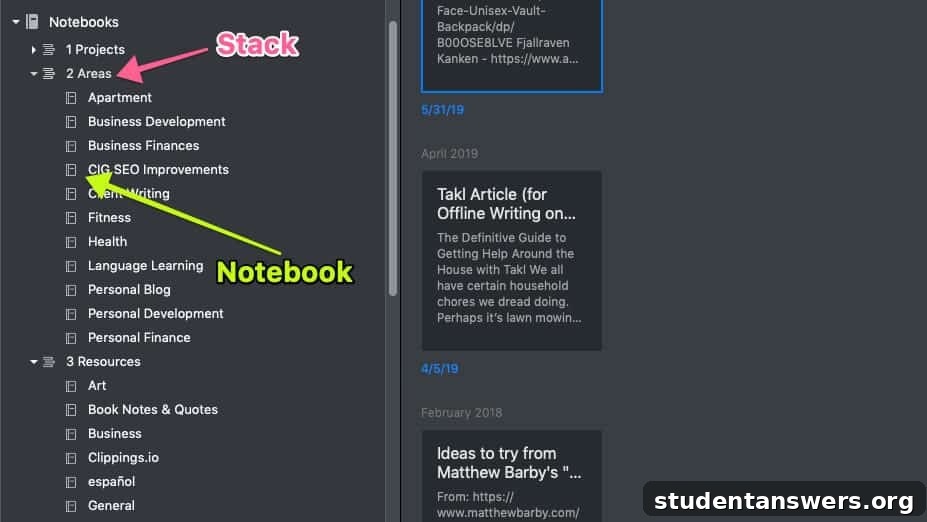
Simply dumping information into a digital vault isn’t enough. A great system allows for logical organization and rapid retrieval. For example, a tool like Notion or Evernote allows you to create nested hierarchies of notes, pages, and notebooks. This structured approach, combined with powerful search functionality, means you can find any piece of information in seconds using keywords, tags, or filters, eliminating the frustrating hunt for that one crucial detail.

2. The Power of a Label: Clarity Now, Sanity Later
Consider the mystery container of leftovers in your refrigerator. Is it two days old or two weeks old? Without a label, you’re forced to guess, risking either food poisoning or unnecessary waste. This simple example perfectly illustrates a core habit of organized individuals: they label everything.
Labeling is a small investment of time that pays huge dividends in the future. It removes ambiguity and eliminates the need to rely on your (again, fallible) memory. This principle applies to both the physical and digital worlds. By taking a few extra seconds to label something clearly, you provide your future self with the context needed to make quick, informed decisions.
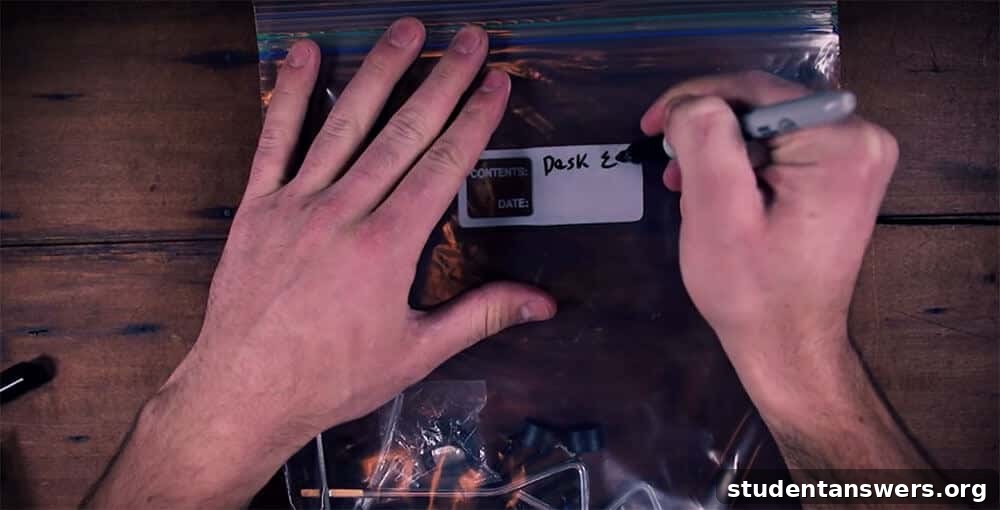
Here are some items that benefit immensely from clear labeling:
- Food Containers: Label with contents and the date it was made or opened.
- Storage Boxes: Clearly list the contents on the outside, especially when moving or storing seasonal items.
- Digital Files: Use a consistent naming convention (e.g., ProjectName_DocumentType_Date.pdf).
- Email Folders: Create specific folders to archive important correspondence by project or sender.
- Physical Binders and Folders: Use a label maker for a clean, easy-to-read system.
This habit transforms cluttered spaces into navigable systems, saving you countless minutes of searching and frustration down the line.
3. Cultivate Proactive Mindfulness: See Problems Before They Arrive
The fundamental difference between an organized and a disorganized person lies in their approach to time. Disorganized people are often in a reactive state, constantly putting out fires and dealing with emergencies as they arise. Organized people, in contrast, are proactive. They are constantly looking ahead, anticipating needs, and addressing potential issues before they escalate into urgent problems.
Think about these scenarios:
- The organized person reviews their calendar each morning to mentally prepare for the day’s appointments, while the disorganized person is caught off guard and rushes to meetings.
- The organized person breaks down a large project into smaller tasks and starts a week in advance, while the disorganized person pulls an all-nighter before the deadline.
- The organized person schedules a regular day for laundry, while the disorganized person waits until they have no clean clothes left.
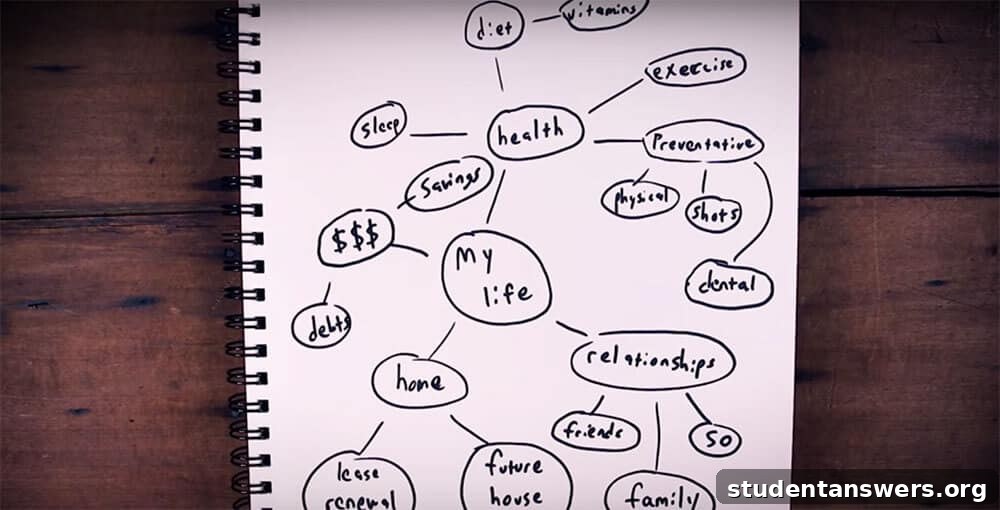
Developing this foresight requires practice. A great way to start is by conducting a weekly review. Every Sunday, take 20 minutes to look at your calendar and task list for the upcoming week. Identify key deadlines, appointments, and potential conflicts. This simple act of planning shifts your mindset from reactive to strategic, giving you a sense of control over your time.
4. Master Your Schedule with Time Buffering
If you have an appointment at 10:00 AM and the drive takes 30 minutes, when should you leave? The optimistic answer is 9:30 AM. The organized answer is closer to 9:15 AM. This is the practice of building in a time buffer.
Organized people operate on the realistic assumption that life is unpredictable. They know that traffic jams, unexpected roadblocks, or a last-minute search for keys can easily derail a perfectly timed schedule. By adding extra time to any time-sensitive activity, you create a cushion that absorbs unforeseen delays. This simple habit drastically reduces stress and ensures you consistently arrive on time and prepared.
To determine the right buffer, consider potential obstacles:
- Travel: Add 10-15 minutes for potential traffic, parking, or public transit delays.
- Meetings: Plan to arrive 5 minutes early to settle in, check your notes, and be ready to start on time.
- Deadlines: Aim to finish projects a day or two before they are actually due to allow time for review and unexpected revisions.
But what if nothing goes wrong and you arrive early? That buffer time isn’t wasted; it’s a gift. It becomes bonus time to answer an email, listen to a podcast, read a chapter of a book, or simply take a moment to breathe and center yourself before your next commitment.
5. Embrace Redundancy: The “Two is One, One is None” Philosophy
In high-stakes fields, the motto “Two is one, one is none” is a guiding principle. It means that relying on a single critical item is a risk; having a backup is a necessity. Organized people apply this philosophy to their everyday lives by creating redundancies for essential supplies and information.
Imagine your laptop charger dies the night before a major presentation is due. For a disorganized person, this is a catastrophe. For an organized person who keeps a spare charger in their bag, it’s a minor inconvenience. By identifying the critical tools in your life and work, you can preemptively solve problems before they happen.
This applies to both physical and digital items:
- Physical Items: Keep extra pens, batteries, printer ink, and a spare set of house keys. A backup phone charger in your car or office can be a lifesaver.
- Digital Information: This is where backups are crucial. Use a cloud service like Google Drive or Dropbox for automatic file syncing, and maintain a separate physical backup on an external hard drive for your most important data.
Creating these redundancies provides a safety net that protects your productivity and peace of mind from the inevitable mishaps of life.
6. Find Your Personal Organization Style: Ditch the Dogma
As you explore the world of productivity, you’ll encounter countless gurus who swear by a specific tool or methodology. They might insist that you must use a particular brand of notebook, a specific app, or a rigid filing system. While their advice may be well-intentioned, it’s essential to remember that there is no one-size-fits-all solution for organization.
The “best” system is the one that works for you—your brain, your lifestyle, and your specific needs. An organized person is not someone who blindly follows trends, but someone who experiments, evaluates, and curates a personalized toolkit that feels intuitive and sustainable.
Don’t be afraid to test different approaches. Try a digital task manager for a month, then switch to a paper-based bullet journal to see which one sticks. Maybe a complex app like Asana is overkill for your personal projects, and a simpler tool like Todoist is a better fit. The goal is to find tools and systems that reduce friction, not add to it. Be ruthless in discarding anything that doesn’t genuinely improve your workflow, no matter how popular it is.
7. Apply “Mise en Place” to Everything: Prepare Your Environment for Success
In professional kitchens, “mise en place” is a sacred concept. It’s a French term meaning “everything in its place.” Before a chef begins cooking, they ensure every ingredient is washed, chopped, and measured, and every tool is clean and within reach. This preparation ensures the cooking process is smooth, efficient, and free of interruptions.
Organized people apply this principle to all areas of life. They prepare their environment for success before they begin any task. This includes both setting up for the task and cleaning up afterward.
Before a focused work session, your “mise en place” might include:
- Plugging in your laptop and opening only the necessary tabs and applications.
- Having a glass of water and any necessary reference materials at your desk.
- Turning off phone notifications and closing your email to minimize distractions.
Equally important is the cleanup. Putting things back where they belong after you’re done is part of the process. This means washing dishes after a meal, filing papers after a meeting, and making your bed each morning. This “closing the loop” habit ensures that you always start your next task from a clean, organized baseline, reducing the mental energy required to get started.
8. Practice Intentional Ownership: Less Clutter, More Clarity
Every object you own requires a portion of your time and energy to store, maintain, and organize. The more things you have, the more of your life is dedicated to managing them. A key habit of organized people is being deliberate about what they allow into their lives and what they choose to keep.
This starts with mindful consumption. Before buying something, ask critical questions: “Do I truly need this?” and “Will this add genuine value or joy to my life?” Avoid impulse buys or purchases made to impress others. Instead, focus on acquiring items that are useful, durable, and meaningful.
This principle also extends to the items you already own. Clutter—both physical and digital—is a major source of stress and disorganization. Regularly schedule time to declutter your space. Go through your closet, your desk, and your digital files, and ask if each item still serves a purpose. If it doesn’t bring you utility or joy, it’s time to donate, recycle, or discard it. A clutter-free environment leads to a clutter-free mind.
9. Curate Your Commitments: The Power of the Deliberate “No”
Just as physical possessions create clutter, an excess of commitments creates “calendar clutter.” Your time and energy are your most valuable resources, and they are finite. Being organized isn’t about cramming as much as possible into your schedule; it’s about dedicating your time to the things that matter most.
Highly organized people are skilled at saying “no.” They carefully evaluate every request for their time and energy, weighing it against their priorities and goals. They understand that every time they say “yes” to one thing, they are implicitly saying “no” to something else—whether that’s time with family, a personal project, or simply rest.
During my freshman year of college, I overcommitted myself to five music groups, several clubs, and a full course load. The result was predictable: stress, burnout, and mediocre performance in everything I did. The following year, I cut back to only the activities I truly loved. My stress levels plummeted, my grades improved, and I had the free time to start a blog, which ultimately led to my career.
To keep your commitments in check, perform a regular audit of your schedule. Review your recurring meetings, subscriptions, and social obligations. If something is no longer aligned with your goals or bringing you joy, have the courage to let it go.
Organization Isn’t a Trait, It’s a Practice
Becoming an organized person is not an overnight transformation. It is the result of consciously choosing to adopt better habits, one day at a time. As you’ve seen, organization is simply a series of logical practices: using reliable systems, being proactive instead of reactive, and making intentional choices about your possessions and your time. Start by choosing one habit from this list and focusing on it for a few weeks. As it becomes second nature, add another. With time and consistency, you can build a life of clarity, efficiency, and calm.