Fintech Innovations: Simplifying Banking and Payments in the Digital Age
Introduction to Fintech Innovations
In recent years, the landscape of financial services has undergone a profound transformation, driven primarily by the rise of fintech innovations that simplify banking and payments. Fintech, or financial technology, encompasses a variety of technological advancements that streamline and enhance the way consumers engage with their finances. This paradigm shift is not only reshaping traditional banking practices but also redefining the relationship between consumers and financial institutions.
One of the key reasons fintech has gained immense traction is its ability to provide efficient, cost-effective solutions that cater to the needs of modern consumers. With growing reliance on technology, fintech innovations have facilitated faster, secure digital transactions that consumers have come to expect in today’s fast-paced world. For instance, mobile payment applications, peer-to-peer lending platforms, and digital wallets have emerged as preferred alternatives, offering convenience and accessibility that traditional banking methods often lack.
Moreover, this technological evolution has led to significant changes within financial institutions themselves. They are increasingly adopting fintech solutions to improve their operational efficiency, enhance customer experience, and reduce costs. The industry’s expansion is further fueled by the increasing trust in technology among consumers, as they become more comfortable with digital banking solutions. This trust is essential, as it allows users to engage more readily with the innovations that simplify their banking experiences.
As we explore the various facets of fintech innovations throughout this blog post, we aim to illustrate how the integration of technology within the finance sector enhances not only the consumer experience but also the overall effectiveness of financial services. The interplay between technology and finance continues to evolve, with each innovation contributing to a more streamlined and user-friendly banking environment.
The Rise of Digital Transactions
The financial landscape is undergoing a significant transformation, with fintech innovations simplifying banking and payments in unprecedented ways. As consumers increasingly embrace technology, traditional methods of payment, such as cash and checks, are witnessing a marked decline in usage. Recent statistics illustrate that over 70% of consumers now prefer digital payment methods, showcasing a clear shift towards electronic transactions. This trend is largely fueled by the convenience and speed that digital transactions provide. Consumers enjoy fast, secure digital transactions that allow for immediate payments without the physical exchange of cash.
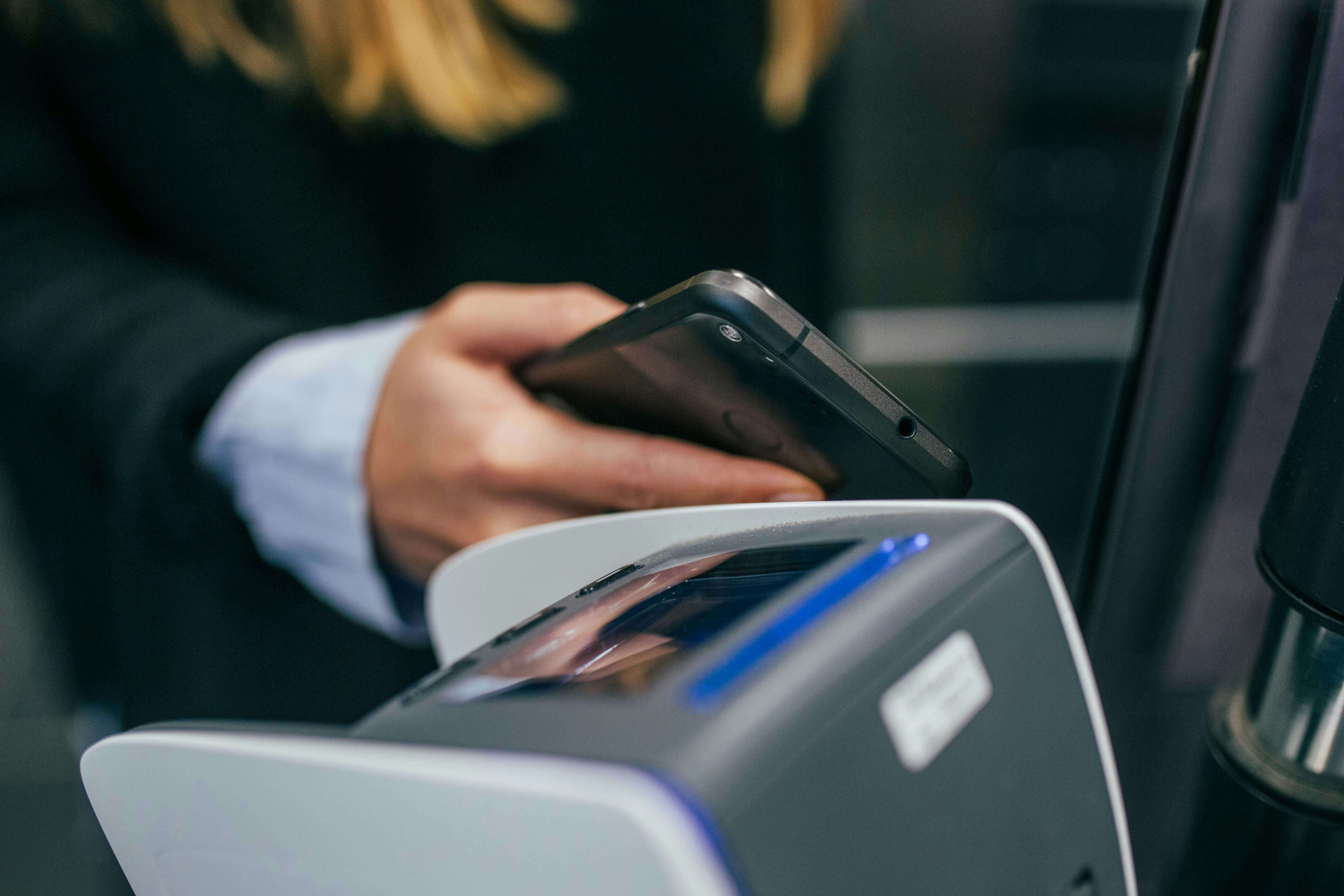
The appeal of digital payments is further amplified by the robust security measures that fintech companies implement. Advanced encryption techniques and multi-factor authentication help to safeguard users’ sensitive information, fostering an environment of trust in technology. As the industry expands, more individuals feel confident in leveraging these digital platforms for their financial needs. Furthermore, the COVID-19 pandemic has accelerated the transition to digital transactions, as social distancing mandates have necessitated safer payment alternatives. Contactless payments experienced an increase, drawing even more consumers to the ease of tapping their cards or using mobile payment applications.
The usage of mobile wallet applications continues to rise, providing consumers with a seamless payment solution that can be executed from their smartphones. In parallel, peer-to-peer payment services have gained popularity, allowing users to transfer funds quickly and efficiently among friends and relatives. Overall, the trend towards digital transactions marks a pivotal change in consumer behavior, influenced by both technological advancements and changing social norms. As trust in technology increases, the future promises even more fintech innovations designed to further simplify banking and payments, reinforcing the movement away from cash-centric practices.
Security Measures in Fintech
The rapid evolution of fintech innovations has transformed the landscape of banking and payments, creating a diverse range of digital financial services. However, with this transformation comes an increasing need for robust security measures to protect consumers’ financial information. Ensuring the security of digital transactions is paramount, as many consumers now prefer using online platforms for their banking needs. In this context, various technologies have emerged to bolster consumers’ confidence in digital financial services.
One of the primary instruments utilized in the fintech sector is encryption. Encryption secures sensitive data by converting it into a coded format that can only be deciphered by authorized parties. This measure is essential for safeguarding personal and financial information, preventing unauthorized access during transactions. Additionally, many fintech companies have adopted advanced encryption protocols, ensuring that consumers enjoy fast, secure digital transactions while putting their trust in technology.
Another notable security measure is biometric authentication, which uses unique physical characteristics, such as fingerprints or facial recognition, to verify a user’s identity. This method enhances security by making it exceedingly difficult for fraudsters to impersonate legitimate users. As fintech innovations simplify banking and payments, incorporating biometric authentication also streamlines the user experience, making it easier and quicker for consumers to access their financial services securely.
Moreover, the implementation of multi-factor authentication (MFA) has become a standard practice within the fintech industry. MFA requires users to provide two or more verification factors to gain access to their accounts, adding an additional layer of security. This practice effectively mitigates the risk of unauthorized transactions, reinforcing consumers’ trust in digital financial solutions. Consequently, the industry expands as trust in technology increases, enabling more individuals to embrace the benefits of fintech innovations.
Enhancing User Experience through Fintech
The advent of fintech innovations has significantly transformed the way banking and payments are approached in the digital age. One critical aspect of this transformation is the enhancement of user experience, which is paramount for consumers navigating financial services. Fintech companies have emerged with user-friendly interfaces that prioritize ease of use, enabling individuals – from tech-savvy millennials to hesitant seniors – to manage their finances without undue complexity.
Personalization is another key feature driven by fintech innovations. Consumers enjoy tailored services that cater to their unique financial situations and preferences. This could involve customized financial advice, spending insights, or targeted product recommendations, all of which become possible through advanced algorithms and data analytics. By leveraging user data effectively, fintech solutions enable banks to anticipate customer needs, creating a more responsive financial ecosystem. As consumers embrace these bespoke services, they derive greater value from their interactions with fintech platforms, fostering loyalty and satisfaction.
Additionally, robust customer support mechanisms play an essential role in enriching the overall banking experience for consumers. Fintech innovations streamline access to support through a variety of channels, including chatbots, live chat, and social media. These tools provide immediate assistance, addressing consumer inquiries and concerns in real-time. The availability of efficient support services not only enhances usability but also builds trust and confidence in fintech solutions, which is crucial as the industry expands. As trust in technology increases, consumers are likely to seek out digital financial platforms that offer a superior user experience.
Ultimately, as fintech innovations simplify banking and payments, the industry’s focus on enhancing user experience will be pivotal in shaping the future of financial transactions. Consumers will continue to benefit from fast, secure digital transactions that align with their expectations for convenience and reliability.
Mobile Banking: A Game Changer
Mobile banking has emerged as a crucial player in the financial services sector, reshaping consumer behavior and enhancing accessibility to banking services. With the rise of smartphones and fintech innovations, consumers now enjoy the convenience of managing their finances directly from their devices. This shift towards mobile-first solutions speaks particularly to millennials and younger generations, who prioritize speed and accessibility in their banking experiences.
Mobile banking apps have simplified banking and payments, allowing users to conduct seamless transactions—such as transferring funds, paying bills, and tracking expenditures—at any time and from anywhere. These platforms often provide a user-friendly interface, empowering consumers with enhanced control over their financial activities. Furthermore, features integrated within these apps, such as budgeting tools and real-time notifications, foster greater financial literacy and awareness.
The growing adoption of mobile banking can be largely attributed to its ability to deliver fast, secure digital transactions. As trust in technology increases, more consumers are inclined to utilize mobile banking services, recognizing their efficiency over traditional banking methods. The frequency of transactions conducted through mobile banking channels reflects a broader trend where convenience outweighs traditional banking routines. Additionally, the provision of biometric security measures—such as fingerprint recognition and facial scanning—ensures that users can conduct financial operations with confidence, knowing that their information is secure.
While mobile banking presents various advantages, it is essential to consider the challenges that come with it, such as digital security threats and the need for reliable internet access. However, the continuing evolution of fintech innovations promises to address these concerns, reinforcing the notion that mobile banking is not just an option but a vital component of modern financial life. As the industry expands, the ability to leverage technology for efficient banking experiences will only enhance consumer satisfaction and engagement.
Peer-to-Peer Payment Systems
In recent years, the emergence of peer-to-peer (P2P) payment systems has fundamentally transformed the landscape of financial transactions. Platforms such as Venmo, PayPal, and Cash App exemplify how fintech innovations simplify banking and payments, allowing users to transfer money seamlessly and instantly. These applications provide an alternative to traditional banking methods, significantly reducing the time and effort required to complete transactions.
Venmo, for instance, has gained popularity for its user-friendly interface and social features, enabling consumers to enjoy fast, secure digital transactions while sharing their payment activities with friends. This social aspect creates a sense of community, making transactions not only a financial exchange but a shared experience among users. Similarly, PayPal has established itself as a trusted platform for both personal and business transactions, offering an added layer of security, which encourages consumer confidence in digital commerce.
Meanwhile, Cash App caters specifically to the younger demographic, allowing for easy transfers as well as functionalities such as investing in stocks and Bitcoin. Each of these platforms illustrates how fintech innovations simplify banking and payments, catering to the evolving needs of consumers who prioritize convenience, speed, and security in their financial dealings.
As trust in technology increases, the P2P payments industry continues to expand, consequently broadening the options available for consumers seeking effortless transaction methods. The adaptability of these platforms to integrate additional features, such as bill splitting and payment requests, reflects their ongoing evolution in response to consumer demands. As a result, consumers now have multiple tools at their disposal that enhance their financial management capabilities in the digital age.
The Role of Blockchain in Fintech
Blockchain technology has emerged as a pivotal player in the fintech landscape, revolutionizing how financial services are delivered and operated. By facilitating a decentralized ledger system, blockchain ensures transparency, security, and efficiency in transactions, thereby addressing several long-standing issues within traditional banking systems. As consumers seek seamless experiences, fintech innovations simplify banking and payments through the effective application of blockchain technology.
One of the primary advantages of blockchain is its inherent security features. Each transaction is encrypted and linked to the previous one, creating an immutable chain of records. This characteristic minimizes the risk of fraud and unauthorized access, which is crucial as consumers enjoy fast, secure digital transactions. The trust in technology is further bolstered by the broad consensus protocol used in blockchain networks, ensuring that all parties can verify and authenticate transactions independently.
Additionally, the rise of cryptocurrencies has altered the conventional payment processing landscape. Financial institutions are beginning to embrace digital currencies, recognizing their potential to streamline operations and reduce costs. As blockchain facilitates cross-border transactions without intermediaries, it not only accelerates the payment process but also significantly lowers transaction fees. This shift signals a growing acceptance of cryptocurrencies that may challenge the foundations of traditional banking systems.
Another transformative aspect of blockchain within the fintech sector is the implementation of smart contracts. These self-executing contracts, coded to automatically enforce terms and conditions, enhance operational efficiency and further reduce the need for intermediaries. As smart contracts continue to gain traction, they are becoming essential instruments that promise to reshape the interaction between consumers and financial services.
In conclusion, the integration of blockchain technology in the fintech industry signifies a monumental shift towards a more transparent and efficient financial ecosystem. As trust in technology increases, these innovations are set to redefine banking and payments, benefiting both consumers and institutions alike.
The Expansion of Fintech and Consumer Trust
The rapid expansion of fintech has fundamentally transformed the landscape of banking and payments, leading to significant advancements in how consumers manage their finances. As fintech innovations simplify banking and payments, a growing number of individuals are recognizing the benefits of these digital financial solutions. This evolution often coincides with a dramatic increase in trust among consumers towards technology, particularly as they engage with tools designed to facilitate fast and secure digital transactions.
Recent surveys have indicated that as more consumers utilize fintech platforms, their comfort level with technology rises. A study conducted by a leading financial research firm revealed that over 70% of respondents felt more secure using fintech services than they did just five years ago. This increased confidence in fintech solutions is largely attributed to heightened awareness of data protection measures and advancements in encryption technology. As fintech companies continue to innovate, providing users with robust security features, consumers enjoy fast, secure digital transactions, further enhancing their trust.
The relationship between fintech growth and consumer acceptance is not merely anecdotal; it is backed by substantial evidence. Research indicates that individuals aged 18 to 34 are particularly receptive to adopting fintech services, often viewing them as essential tools in managing their financial lives. In contrast, older generations are also becoming increasingly comfortable with fintech, as ease of use and reliability have improved significantly in recent years. This shift indicates that as the industry expands, trust in technology becomes deeply embedded in consumer behavior.
Moreover, the continuous development of new and innovative solutions in the fintech sector has led consumers to embrace digital banking and payment solutions with greater enthusiasm. As barriers to entry diminish and awareness of alternative financial services increases, it can be anticipated that consumer trust will continue to strengthen, fostering further growth and innovation within the fintech industry.
The Future of Banking and Payments
As we move deeper into the digital age, the landscape of banking and payments is poised for transformative changes driven by fintech innovations. These advancements are not only simplifying financial transactions for consumers but also enhancing the overall experience with regard to safety, speed, and convenience. With ongoing developments in technology, banking is likely to become increasingly integrated into daily life, allowing consumers to enjoy fast, secure digital transactions effortlessly.
One noticeable trend is the rise of artificial intelligence and machine learning in financial services, which enables more personalized banking experiences. These technologies can analyze consumer behavior and preferences, leading to tailored product offerings and services that resonate with individual needs. Additionally, as the industry expands and trust in technology increases, more consumers will feel confident engaging in fully digital banking environments, facilitating an atmosphere where traditional banking institutions are challenged to innovate continuously to retain their customer base.
Blockchain technology is also expected to reshape the future of payments. By providing a transparent, decentralized ledger system, blockchain can enhance security and reduce fraud, providing consumers with further assurance in their digital transactions. Moreover, the growth of mobile payment solutions integrated into applications enables users to execute transactions seamlessly, bridging the gap between banking and everyday life.
Furthermore, collaborative platforms will emerge combining various financial services into cohesive ecosystems, whereby consumers can access everything from investments to insurance in one place. As fintech innovations lead to such integrated solutions, they will foster a comprehensive banking experience that simplifies management of finances. Ultimately, consumers can expect a future where technology-driven products refocus the banking industry, pushing for improved convenience, security, and efficacy in financial transactions.
This content has been prepared by the Studentanswers editorial team for educational and informational purposes only. We recommend consulting a qualified professional before making any personal decisions.