

In a digital world filled with platforms like Instagram, TikTok, and Twitter, adding another social network to your routine might seem like a chore. But what if one of these platforms was specifically designed to be your professional launchpad, a tool capable of unlocking internships, job offers, and a powerful network? That platform is LinkedIn, and for students, it’s an indispensable resource for building a successful career.
You might be familiar with LinkedIn as a place for professionals, but it’s so much more than a digital resume. It’s a dynamic space to showcase your skills, connect with industry leaders, and discover opportunities you won’t find anywhere else. This comprehensive guide will walk you through everything you need to know, from creating a standout student profile to networking like a pro and landing that dream opportunity.
Why a Strong LinkedIn Profile is Non-Negotiable for Students
It’s easy to dismiss LinkedIn as just another social media site, but for students on the cusp of their careers, it’s a powerful and strategic tool. Using it correctly can give you a significant advantage. Here are five key reasons why every student needs to be on LinkedIn today.
1. Craft Your Professional Digital Footprint
Like it or not, recruiters and hiring managers will search for you online. What do you want them to find? Your LinkedIn profile is your opportunity to control the narrative and present a polished, professional version of yourself. While a personal website is an excellent asset, a well-maintained LinkedIn profile is often the first professional result that appears in a Google search for your name. It serves as your digital handshake, offering a comprehensive look at your ambitions, skills, and experiences before you even step into an interview.
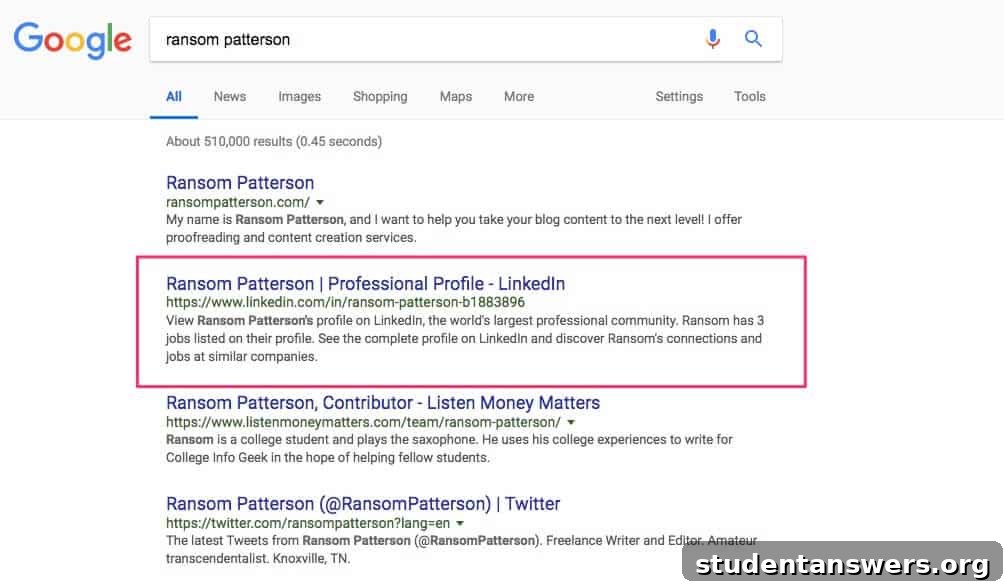
By building a strong profile, you ensure that potential employers see a candidate who is serious about their career, organized, and ready to engage on a professional level.
2. It’s Your Dynamic, Living Resume
A traditional paper resume is a static, one-page snapshot of your history. A LinkedIn profile, however, is a dynamic and interactive portfolio. It allows you to go into far more detail than a single sheet of paper ever could. You can add links to projects, upload presentations, feature articles you’ve written, and receive recommendations from professors and supervisors. While many employers still request a PDF resume, your LinkedIn profile provides the deeper context and proof of your abilities that can make you stand out from a stack of applicants.
3. The New Gateway to Job Applications
The job search landscape has changed. Many companies now use LinkedIn as a primary recruiting tool. Some even require applicants to apply directly through the platform using its “Easy Apply” feature. If you wait until you find the perfect internship to create your profile, you might miss the opportunity entirely. Having a polished, complete, and ready-to-go profile ensures you can act quickly when you find a role that excites you, positioning you as a proactive and prepared candidate.
4. Gain Insider Knowledge on Companies and Interviewers
LinkedIn isn’t just for being seen; it’s for seeing. You can use it as a powerful research tool to learn about companies that interest you. Follow their official pages to stay updated on news, product launches, and company culture. More importantly, you can look up the people who will be interviewing you. Learning about their career path, their role at the company, and any shared connections or interests can provide you with invaluable talking points for your interview. This level of preparation demonstrates genuine interest and initiative.
5. Unlock a Powerful, Hidden Network: Your Alumni
One of the most underutilized features for students on LinkedIn is its powerful alumni tool. Your college or university has a vast network of graduates working in virtually every industry imaginable. These alumni have a natural affinity for helping students from their alma mater. They can offer career advice, provide informational interviews, and even alert you to unlisted job openings. LinkedIn makes it incredibly easy to find and connect with these individuals, giving you access to a warm network that is predisposed to help you succeed.
A Step-by-Step Guide to Creating a Killer LinkedIn Profile for Students
Understanding why you need a profile is the first step. Now, let’s build one that gets you noticed. This section will guide you through creating a high-quality profile that impresses recruiters and opens doors.
1. Choose a Professional Profile Picture
Your photo is the very first impression you make. A missing or unprofessional picture can be an immediate red flag. You don’t need to hire a professional photographer, but your photo should be clear, well-lit, and professional.
- Dress Appropriately: Your attire should match the industry you’re targeting. If you’re aiming for finance, a suit or business-casual look is best. For tech or creative fields, a clean, smart-casual shirt may be more fitting. When in doubt, it’s better to be slightly overdressed.
- High-Quality Image: Ensure the photo is not blurry, grainy, or poorly lit. Your face should be clearly visible. Most modern smartphone cameras are more than capable of taking a great headshot.
- Simple Background: Stand in front of a neutral, uncluttered background. A plain wall or an outdoor setting where the background is out of focus works well.
- Smile: You want to appear approachable and confident. A genuine, warm smile goes a long way.
Many university career centers offer free headshot services for students. This is an excellent resource to take advantage of!
2. Craft a Compelling Intro Section
After your picture, the “intro” section at the top of your profile is what visitors see next. This includes your name, headline, and current position. Click the pencil icon next to your name to edit this crucial area.
Name: Use the name you go by professionally. It should be consistent with your resume and email signature.
Headline: This is arguably the most important 120 characters on your profile. Don’t just list your current part-time job title. Use it to broadcast who you are and what you’re looking for. Include keywords relevant to your desired field. Here are some great formulas for students:
- For Tech: “Aspiring Software Engineer | Computer Science Student at [University] | Proficient in Python, Java, & C++”
- For Marketing: “Marketing Student at [University] | Passionate about Digital Strategy & Social Media | Seeking Summer Marketing Internship”
- For Science: “Biology Major & Research Assistant at [University] | Focused on Molecular Biology | Pursuing a Career in Biotechnology”
Current Position and Education: Fill these out accurately. For your education, include your major, minor, and expected graduation date. It’s also a great place to list a high GPA (3.5 or above) and any relevant coursework.
3. Write a Powerful “About” Summary
The “About” section is your chance to tell your story. It’s where you can connect the dots between your experiences and your aspirations. Don’t skip this section, and don’t let LinkedIn’s auto-generated summary do the work for you. A great summary follows a simple three-paragraph structure:
- The Hook (Who You Are): Start by introducing yourself. Mention your year, major, and university. Most importantly, convey your passion and what drives you in your chosen field.
- The Proof (What You’ve Done): This is where you back up your passion with evidence. Briefly mention key skills, relevant projects, or internship experiences. Weave in important keywords that recruiters might search for. Quantify your accomplishments whenever possible (e.g., “managed a social media account and grew its following by 20% over three months”).
- The Future (What You Want): Conclude by stating your career goals. What kind of opportunities are you looking for? Invite people to connect with you. This shows you are forward-thinking and proactive.
Always write in the first person (“I,” “my”), keep paragraphs short for readability, and proofread meticulously for any typos or grammatical errors. Have a friend or a career advisor look it over.
4. Detail Your Experience
Many students worry they don’t have enough “experience.” Think broader. This section can include part-time jobs, internships (paid or unpaid), freelance work, and significant volunteer roles.
For each position, don’t just list your duties. Focus on your accomplishments. Use bullet points and start each one with a strong action verb. Use the STAR method (Situation, Task, Action, Result) as a guide. For example, instead of “Served customers coffee,” try “Delivered exceptional customer service in a fast-paced environment, serving up to 100 customers per hour and contributing to a 15% increase in positive online reviews.”
5. Showcase Your Skills
The Skills section is a quick way for recruiters to see if you have the qualifications they’re looking for. Add both hard skills (specific, teachable abilities like Python, Adobe Photoshop, or Spanish) and soft skills (interpersonal traits like Communication, Leadership, and Teamwork).
Pin your top three most important skills to the top of the list. When your connections endorse you for these skills, it adds a layer of social proof to your profile. Focus on skills that are directly relevant to the jobs you want.
6. Claim Your Custom URL
By default, your LinkedIn profile URL is a string of random numbers and letters. You can easily customize it to be more professional and memorable. A clean URL like `linkedin.com/in/yourname` looks much better on a resume or business card. You can edit this in your public profile settings. It’s a small detail that shows you’re thorough and professional.
Mastering the Art of Networking on LinkedIn
A great profile is just the beginning. The real power of LinkedIn comes from networking. Here’s how to build and leverage your connections effectively.
1. Personalize Every Connection Request
Never send a blank connection request. Always include a brief, personalized note. Remind the person how you know them or explain why you want to connect. A simple message can make all the difference.
- For Alumni: “Hi [Name], I’m a current student at [Your University] studying [Your Major]. I was so impressed by your career path at [Their Company] and would love to connect and learn from your experience. Go [Mascot]!”
- After a Career Fair: “Hi [Name], it was a pleasure speaking with you today at the [Event Name]. I particularly enjoyed our conversation about [Topic]. I’d like to connect to stay in touch.”
2. Ask for and Give Recommendations
Recommendations are written testimonials from people you’ve worked with. A glowing recommendation from a former supervisor, professor, or colleague can significantly boost your credibility. Don’t be shy about asking for them, but be strategic. Ask people who can speak to your specific skills and work ethic. A great way to get a recommendation is to give one first to a deserving colleague.
3. Engage with Content and Join Groups
Don’t just be a passive user. Follow companies you admire and industry leaders in your field. Like, comment, and share content that you find interesting. This activity shows up in your network’s feed and demonstrates your engagement and passion for your industry. Furthermore, join LinkedIn Groups related to your university, major, or career interests. These are excellent forums for asking questions, sharing knowledge, and connecting with a wider community of professionals.
Using LinkedIn to Land Your Dream Job or Internship
Your profile is built and your network is growing. Now it’s time to find opportunities.
1. Utilize the LinkedIn Jobs Board
The LinkedIn Jobs page is a powerful search engine. You can filter by location, experience level (make sure to use the “Internship” and “Entry-Level” filters), company, and more. Set up job alerts for specific keywords and locations so that new, relevant opportunities are delivered directly to your inbox. This proactive approach ensures you never miss a posting.
2. Connect with Recruiters and Employees
Found a job you love at a specific company? Use LinkedIn to find the company’s recruiters or people who work in the department you’re applying to. You can send a polite, concise message introducing yourself and expressing your strong interest in the role. This can get your application seen by a real person and move it to the top of the pile. This is how you tap into the hidden job market—opportunities that are never even publicly posted.
3. Follow Your Target Companies
Following the companies on your dream list keeps you informed about their culture, latest news, and new job postings. It also gives you material for your cover letter and interview, allowing you to speak intelligently about the company’s recent activities and demonstrate your genuine interest.
Your Career Starts Now
You now have a complete roadmap to transforming your LinkedIn profile from a blank slate into a powerful career-building machine. You understand how to craft a compelling profile, network with purpose, and strategically search for the opportunities that will define your future.
But knowledge is only potential power. The next step is action. Your future career won’t build itself. Log in, start optimizing your profile using these steps, and begin making those crucial connections. The time you invest today will pay dividends for years to come.