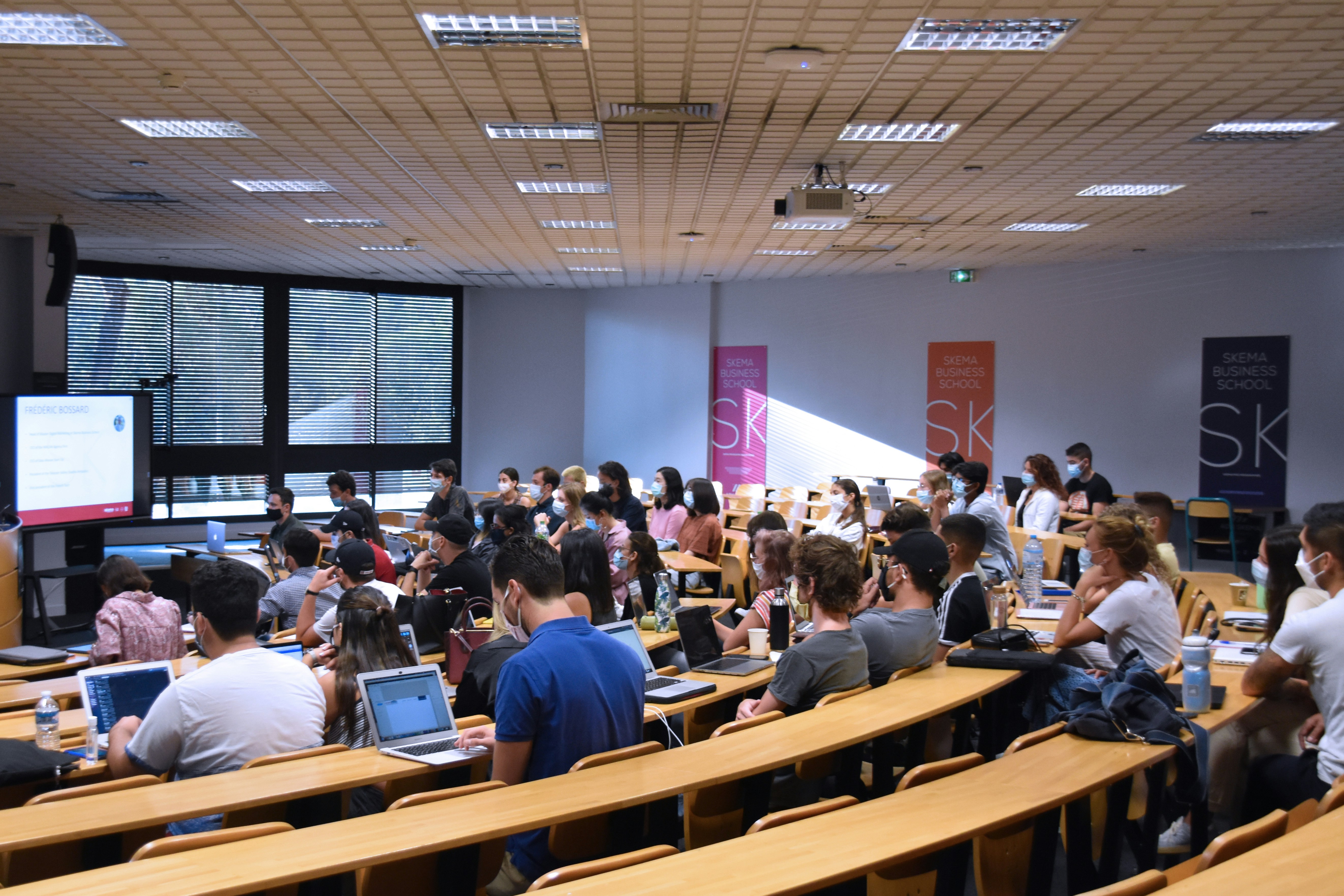
Navigating the Educational Landscape: Public vs. Private Universities
Introduction to the University System
The landscape of higher education is primarily populated by two types of institutions: public and private universities. Both serve distinct roles in shaping the academic environment and offer different experiences to students. Public universities are predominantly funded by state governments, with taxpayer contributions playing a major role in supporting their operations. This funding model often allows for lower tuition rates for residents of the state, creating an accessible pathway for many students seeking a college education. These institutions typically offer a broad range of programs, catering to large student populations, which fosters a diverse campus environment.
On the other hand, private universities rely mainly on tuition fees, donations, and endowments for their financial resources. As a result, they tend to charge higher tuition rates compared to public counterparts. However, many private institutions also provide substantial financial aid packages to attract a pool of talented students. These universities often emphasize smaller class sizes, which can lead to more personalized attention and a closer-knit academic community. Private universities may also have unique missions or affiliations, offering specialized programs that cater to specific student interests or career goals.
Historically, both public and private universities have evolved in response to societal needs and changing demographics. Public institutions often began with a mission to democratize education, prioritizing access for a larger segment of the population. In contrast, private universities have traditionally catered to specific groups, whether religious, ethnic, or political, offering tailored curriculums within their educational frameworks. Understanding these educational differences between public and private universities is essential for prospective students and their families. By reviewing the key characteristics of each type of institution, one can better navigate the higher education landscape and make informed choices about their academic futures.
Tuition Costs and Financial Aid
When considering the educational differences between public and private universities, one of the most significant factors is tuition costs. Public universities generally offer lower tuition rates compared to their private counterparts, primarily due to state funding subsidizing a portion of the students’ expenses. For in-state students, the cost can be considerably reduced; however, out-of-state students may still face substantial fees. Conversely, private universities typically have higher tuition costs, which are not influenced by state budgets and funding.
In addition to tuition, the financial aid landscape varies significantly between public and private institutions. Public universities often provide federal aid opportunities, state grants, and scholarships, which can make education more affordable for many students. These financial aids are crucial for students with diverse financial backgrounds, aiming to minimize the economic burden of higher education.
Private universities, while they usually possess higher tuition, also offer substantial financial aid packages. Many of these institutions have endowments that allow them to provide a variety of scholarships and grants. This financial assistance can lead to a reduction in the actual cost of attendance for some students, enabling a wider range of individuals to access these educational institutions. Furthermore, private universities may offer merit-based scholarships, catering to high-achieving students, which can aid in attracting top talent.
The dynamics of tuition costs and financial aid play a pivotal role in the accessibility and choice of universities for prospective students. The educational differences between public and private universities are influenced by these factors, allowing students to navigate their options by weighing financial implications alongside academic goals. Ultimately, as students assess their potential paths, understanding these economic variables is essential for making informed decisions regarding their higher education journey.
Class Sizes and Faculty-to-Student Ratios
One of the most notable educational differences between public and private universities pertains to class sizes and faculty-to-student ratios. Generally, private universities tend to boast smaller class sizes, which can significantly affect the learning environment. In many private institutions, the student-to-faculty ratio is designed to foster more intimate classroom settings, often averaging around 10 to 15 students per class. This setup allows for individualized attention from instructors, encouraging student participation and facilitating deeper discussions.
In contrast, public universities frequently experience larger class sizes, with some introductory courses enrolling hundreds of students. In these environments, faculty-to-student ratios can soar to 20 to 30 students for every instructor. This disparity can diminish opportunities for personalized interaction between students and professors, making it challenging for some learners to engage fully in the educational experience. Consequently, students in public universities may find themselves relying more heavily on teaching assistants, particularly for large lecture courses.
The impact of class sizes extends beyond mere numerical differences; it influences students’ overall experiences as well. In smaller classes, students are more likely to receive prompt feedback on their work, which fortifies their understanding of course material. Furthermore, faculty members in private institutions may tend to be more accessible for extra help, fostering supportive relationships that enhance educational outcomes. In public universities, while larger classes can sometimes lead to well-structured programs with extensive resources, they may also create barriers for students needing additional support and guidance.
In conclusion, the educational differences in class sizes and faculty-to-student ratios at public and private universities play a fundamental role in shaping the overall academic experiences. Understanding these factors can assist prospective students in making informed decisions about their academic futures.
Curriculum and Academic Freedom
The disparity in curriculum structures and academic freedom between public and private universities is a critical area of interest for students and educators alike. Public universities, typically funded by state governments, often have a broader array of programs due to their larger budgets and mandates to serve diverse populations. Consequently, they are more inclined to offer programs that cater to various fields of study, particularly in areas aligned with state workforce needs. This approach allows for high enrollment figures and the development of numerous interdisciplinary programs, ensuring students can pursue a wide spectrum of academic interests.
Conversely, private universities generally enjoy greater academic freedom. Funded primarily through tuition, private donations, and endowments, they can develop specialized programs and unique curricula that may not be influenced by state requirements. This autonomy allows private institutions to offer innovative programs and establish niche specializations that may lack availability in public universities. While this fosters an enriching academic environment catering to students’ specific interests, it may also lead to reduced program breadth compared to public institutions.
Another aspect worth considering is how institutional goals shape the educational experience. Public universities often prioritize accessibility and affordability, striving to provide quality education to a large number of students. As a result, they may have less flexibility in curricular innovations due to budget constraints and regulatory compliance. In contrast, private universities may focus on maximizing student engagement through tailored coursework, which can lead to more intensive academic experiences but may also result in higher tuition costs.
Ultimately, the educational differences between public and private universities regarding curriculum and academic freedom significantly influence students’ choices and experiences. Understanding these distinctions is essential for prospective students as they navigate their higher education options.
Campus Culture and Student Life
The campus culture and student life at public and private universities can differ considerably, influenced by factors such as the size of the institution, demographics, and available resources. Public universities often have diverse student populations, reflecting a broad array of backgrounds, cultures, and perspectives. This diversity can enrich the student experience by fostering a dynamic environment for social interaction and collaboration. Public universities typically offer a wide variety of student organizations and activities, catering to various interests, which helps students to connect with peers and engage in campus life.
In contrast, private universities may exhibit a more intimate setting, where smaller class sizes facilitate closer relationships between students and faculty. This environment can cultivate a strong sense of community, allowing students to nurture friendships and form networks more easily. While private institutions may also provide diverse experiences, their student bodies can sometimes be more homogeneous, depending on factors like admissions criteria and financial capabilities. Nevertheless, private universities often emphasize alignment with specific values or beliefs, creating a unique cultural framework that shapes the overall student experience.
Both public and private institutions provide essential resources to support student life, including academic advising, counseling services, and extracurricular activities. Public universities may boast larger facilities and more extensive offerings due to their funding, while private universities often focus resources on creating exclusive programs or opportunities that enhance student engagement. Social activities play a crucial role in developing a vibrant campus culture, with events ranging from sports games and art festivals at public universities to more intimate gatherings, such as discussions or guest lectures, often found at private institutions.
Ultimately, the educational differences between public and private universities extend beyond academics to encompass the nuances of campus culture and student life. The unique attributes of each institution create contrasting yet enriching environments that influence engagement and community building among students.
Reputation and Networking Opportunities
The educational differences between public and private universities extend significantly beyond tuition fees and academic programs; they also encompass reputation and networking opportunities, which play a critical role in shaping students’ career trajectories. Public universities are often viewed as more accessible and diverse, frequently boasting higher enrollment numbers. Their reputation is supported by long-standing histories and large alumni networks that span various industries. These established connections can facilitate vital networking opportunities for students, providing them with pathways into a broad range of careers.
Conversely, private universities typically emphasize personalized education and may cultivate a more focused network among students and alumni. This smaller community can foster closer relationships between students and faculty, potentially leading to unique internship and job placement opportunities. The reputation of private institutions often hinges on selectivity, which can create a perception of prestige in certain fields. This reputation may enhance the networking potential for graduates, aligning them with influential industry leaders and specialized alumni groups.
Both public and private universities offer distinct advantages in terms of networking and industry connections, but the effectiveness of these resources is strongly influenced by a student’s engagement level. Participation in alumni events, internships, and career fairs can significantly enhance the networking experience regardless of the university type. Additionally, students should be aware that industry connections often vary by major or focus, and potential employers might view educational credentials differently based on their own experiences or biases. Therefore, while evaluating educational differences between public and private universities, prospective students must discern how these schools align with their career aspirations and networking needs.
Support Services and Resources
The landscape of educational differences between public and private universities becomes particularly pronounced when examining the support services and resources available to students. Both types of institutions aim to provide a supportive environment, facilitating academic success and personal development, yet their approaches often differ significantly.
Public universities typically have larger student populations, which can sometimes result in a more impersonal experience regarding student support services. However, many public institutions have developed extensive networks, including academic advising, career services, and mental health resources, to cater to diverse student needs. These universities often benefit from larger funding pools, which can enhance facilities such as libraries, laboratories, and counseling centers. For instance, public universities might offer specialized academic support through tutoring centers and writing workshops, targeting a broad range of academic disciplines.
In contrast, private universities often prioritize personalized attention and a close-knit community atmosphere. With smaller student-to-faculty ratios, these institutions may provide more individualized academic advising and tailored mental health services. A private university may invest heavily in resources such as faculty mentoring programs and holistic wellness initiatives, creating a supportive framework for academic and emotional health. Extracurricular support is also prominent; private universities frequently emphasize community engagement and leadership development through well-structured organizations and service opportunities.
Ultimately, the choice between public and private universities will depend largely on specific student needs and desired support structures. While public universities may offer diverse resources to a larger number of students, private institutions tend to facilitate a more personalized connection, reflecting distinct educational differences between public and private universities in their support systems.
Diversity and Inclusion Efforts
Diversity and inclusion are critical components within the educational landscape, particularly when examining the educational differences between public and private universities. Both types of institutions recognize the significance of fostering an inclusive environment that supports students from diverse backgrounds. However, their approaches, policies, and programs can vary markedly.
Public universities often embrace their commitment to diversity through comprehensive policies that align with state and federal regulations. They typically have dedicated offices of diversity that implement various initiatives aimed at promoting equity among students. These initiatives may include targeted recruitment efforts to attract underrepresented groups, retention programs designed to support minority students, and regular training for faculty and staff on cultural competency. Additionally, many public universities allocate funding for multicultural centers and student organizations that celebrate diverse cultures, thereby creating an inclusive community for all students.
Conversely, private universities may also implement robust diversity and inclusion programs, but these efforts are often driven by their unique institutional missions and values. Many private institutions emphasize small class sizes and personalized education, which can allow for deeper connections and tailored support for a diverse student body. Some private universities establish scholarships aimed specifically at underrepresented students, while others develop partnerships with local communities to promote educational access. Furthermore, religious affiliations of some private universities can shape their diversity initiatives, potentially emphasizing different aspects of inclusion based on their specific beliefs and values.
Overall, while both public and private universities strive to enhance diversity and inclusion within their campuses, the strategies and commitments manifested can differ significantly. Understanding these educational differences between public and private universities is essential for prospective students as they consider where their values and goals align best in pursuit of higher education.
Conclusion: Choosing the Right Fit for You
As students contemplate their higher education options, understanding the educational differences between public and private universities becomes paramount. Throughout this discussion, we have highlighted several key aspects that differentiate these two types of institutions, including cost, class sizes, resources, and overall educational philosophies. Each factor plays a significant role in shaping a student’s academic experience and future opportunities.
Public universities often provide a more affordable option for many students, especially those who are residents of the state where the institution is located. These institutions tend to house larger student populations, which can foster a rich diversity of views and experiences. However, the large class sizes might limit personalized attention from faculty. Conversely, private universities generally offer smaller class sizes, which can lead to a more individualized educational experience. This environment often fosters closer relationships between students and professors, potentially leading to enhanced mentorship opportunities.
Beyond institutional characteristics, individual educational priorities must also be assessed. Prospective students should reflect on their learning preferences, career aspirations, and even social environments. Gathering insights from current students, alumni, and faculty can shed light on the campus culture and available resources. Additionally, exploring academic programs, extracurricular activities, and support systems at each institution will help in making a well-informed decision. Students might find that the differences between public and private universities influence not only their academic journey but also their personal growth.
Ultimately, choosing the right university is a personal journey. By carefully weighing the educational differences between public and private universities in relation to their individual needs and long-term goals, students can select the institution that aligns most closely with their aspirations. The right fit can set the stage for a successful and fulfilling higher education experience.
This content has been prepared by the Studentanswers editorial team for educational and informational purposes only. We recommend consulting a qualified professional before making any personal decisions.