
Quitting Video Games for 30 Days: A Life-Changing Experiment in Digital Minimalism
I have always loved video games. From the countless hours spent exploring fantastical worlds to the thrill of competitive multiplayer, gaming has been a significant part of my life. If I were to calculate the time invested, especially in series like Pokémon, it would likely amount to several months. I don’t regret a single moment of it; those experiences were filled with joy, challenge, and wonder.
However, over the last couple of years, I began to notice a shift in my relationship with this beloved hobby. The simple fun was being overshadowed by something less healthy. Two unsettling trends emerged that made me realize I needed to press pause, not on a game, but on gaming itself. This led me to a month-long hiatus, an experiment that yielded far more profound insights than I ever anticipated.
Recognizing the Unhealthy Cycle: When a Hobby Becomes a Crutch
The first and most significant issue was my growing reliance on video games as a coping mechanism. Whenever I felt discouraged, stressed, or unhappy with other areas of my life, I would retreat into a digital world. It was a reliable escape, a place where I had control, and my achievements were clearly defined and rewarded. If a project at work was failing, I could succeed in a virtual quest. If I felt socially anxious, I could interact on my own terms online.
The problem with this form of escapism is its temporary nature. Unlike other activities that can build genuine self-esteem—like learning a new skill, exercising, or connecting with loved ones—video games offered a fleeting distraction. They would numb the negative feelings for a few hours, but once the console was turned off, I was dropped right back where I started, with my real-world problems still waiting, now accompanied by a sense of wasted time. My self-esteem wasn’t improving; it was merely being sedated.
The second trend was equally troubling. My gaming backlog had transformed from a library of exciting possibilities into a daunting to-do list. I felt an obligation to play through every game in a series before starting the newest installment. I remember wanting to play the newly released Kingdom Hearts III, but the thought of the unplayed prequels weighed on me. My solution? I planned to force myself through 40 to 60 hours of gameplay in just a few weeks, not for fun, but to check a box. The joy had been replaced by a sense of duty. It was at that moment of realization—that my hobby had become a chore—that I knew I had to make a change.
The 30-Day Gaming Detox: Setting the Rules and Facing the Void
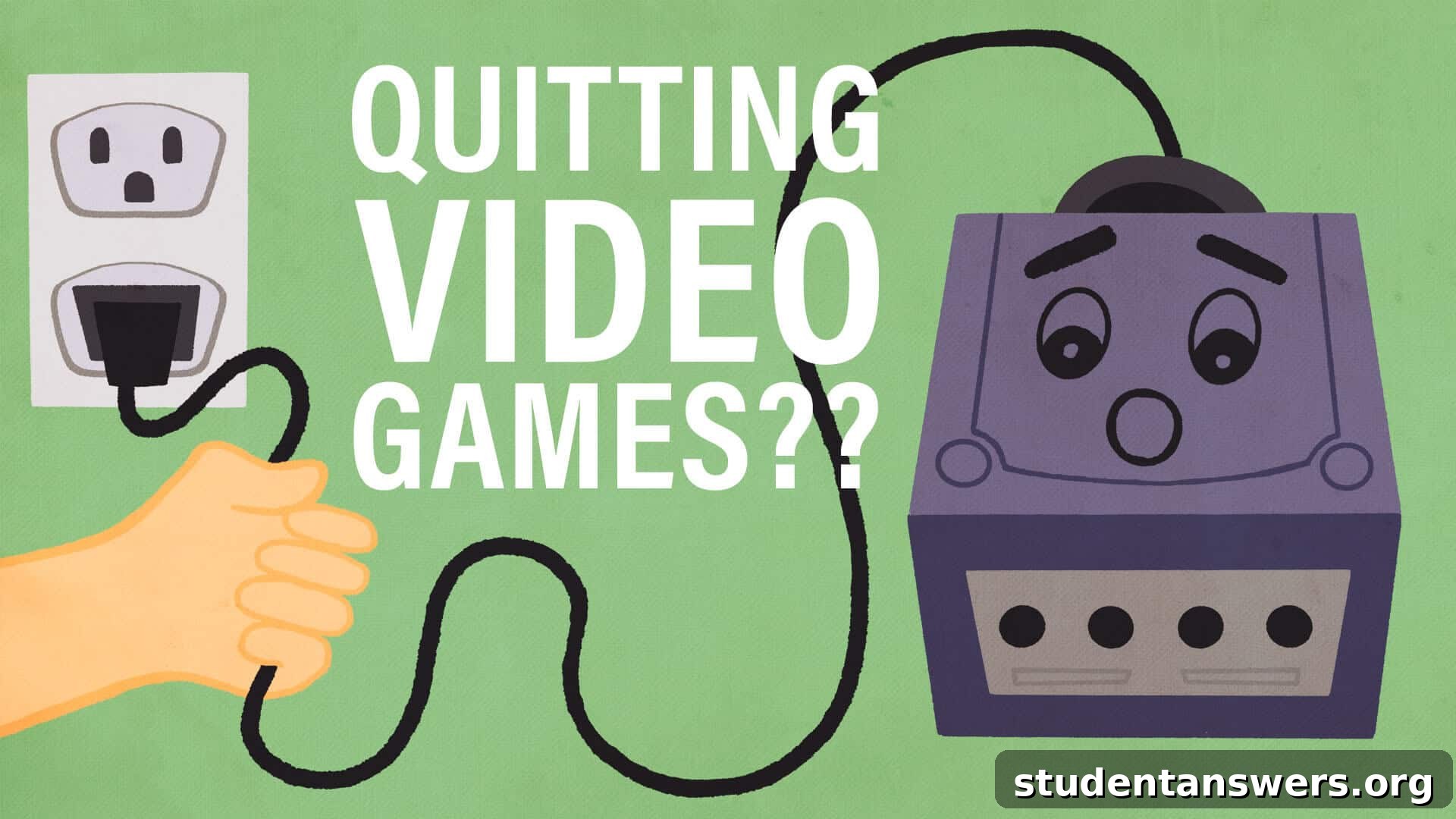
I decided to embark on a complete hiatus from video games for 30 days. This wasn’t my first attempt, but this time I was more determined. The goal wasn’t to quit forever but to reset my relationship with gaming and break the habitual cycle I had fallen into. I uninstalled the games from my computer, put my controllers in a drawer, and mentally prepared for the challenge.
The first few days were the hardest. The muscle memory was strong; my evenings felt empty and unstructured. The urge to just log on for a “quick game” was immense. This initial period of boredom was a stark reminder of how much of my free time was automatically allocated to gaming without a second thought. I had to consciously find other ways to fill the void, which turned out to be the most transformative part of the entire experiment.
The Surprising Benefits of a Digital Hiatus
As the days turned into weeks, I started noticing significant positive changes in my life. The benefits extended far beyond simply having more free time; they touched my productivity, mental clarity, and overall well-being.
1. Reclaiming Time and Boosting Productivity
The most immediate and obvious benefit was the sheer amount of time I got back. An evening gaming session could easily consume three to four hours. Suddenly, I had this block of time to reinvest. I started tackling tasks I had been putting off for months. I organized my workspace, caught up on emails, and dedicated more focused time to personal projects. Instead of feeling drained at the end of the day, I felt accomplished, which created a positive feedback loop that motivated me even more.
2. Rediscovering Old Passions and Finding New Hobbies
With gaming off the table, I had to explore other avenues for entertainment and relaxation. I picked up a book, Children of Time by Adrian Tchaikovsky, and was immediately engrossed. Reading, once a cherished hobby, had been pushed aside for years. I also started taking long walks outside, simply enjoying the fresh air and the chance to clear my head. This break forced me to diversify my leisure activities, reminding me that fulfillment can be found in many places, not just on a screen. I explored new recipes, listened to podcasts and audiobooks like Greg McKeown’s Essentialism, and reconnected with my love for writing.
3. Improved Mental Clarity and Focus
Constant engagement with the high-stimulus environment of video games can leave your brain feeling cluttered. Taking a break felt like a mental decluttering. Without the constant stream of notifications, objectives, and digital noise, my mind felt calmer and more focused. I found it easier to concentrate on a single task, whether it was reading a chapter of a book or having a meaningful conversation. This newfound mental clarity reduced my overall stress levels and helped me feel more present in my daily life.
4. A Healthier, More Intentional Relationship with Gaming
After the 30-day hiatus ended, I approached gaming with a completely new perspective. I did play the new Kingdom Hearts, but it was a conscious choice, not a compulsion. I no longer felt the need to play every single day or to treat my game library like a list of chores. Some days I play, and many days I don’t. The break had successfully severed the link between gaming and coping. It was once again just a hobby—one of many—that I could enjoy in moderation and on my own terms.
The Broader Lesson: Breaking Habits That No Longer Serve You
Ultimately, this experiment was about more than just video games. It was a powerful demonstration of how much of our lives are governed by habit. We often perform activities on autopilot without stopping to question if they are truly serving our best interests. Whether your habit is endlessly scrolling through social media, binge-watching TV shows, or even something seemingly productive, it’s crucial to periodically assess its impact on your life.
Breaking a deeply ingrained habit, even for a short period, can be incredibly revealing. It forces you to become more intentional with your time and energy. It opens up space for new experiences, personal growth, and a more balanced life. My gaming hiatus was a startling reminder that we have the power to reshape our routines and, in doing so, reshape ourselves for the better.
If you feel that any part of your routine is holding you back or has become a crutch, consider your own 30-day experiment. The clarity and perspective you stand to gain are well worth the initial discomfort. You might just rediscover a part of yourself you thought was lost.