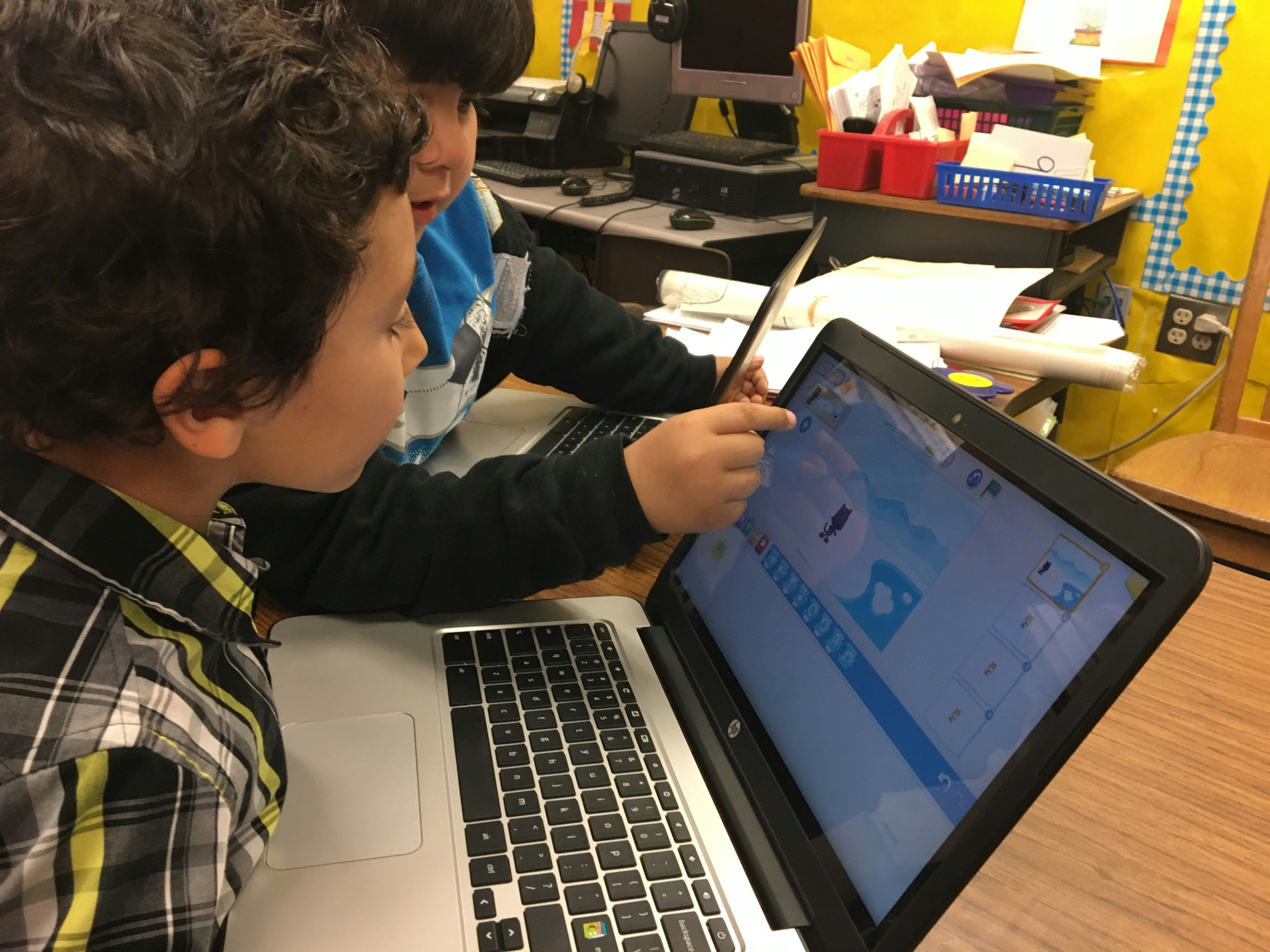
Expert Tips for Navigating K-12 Online School Programs
Introduction to Online School Programs
Online school programs for K-12 students represent a transformative approach to education, making learning accessible for a diverse array of learners. These online programs allow students to complete their studies from home or any location with internet access, providing flexibility that traditional classroom settings often lack. As educational institutions progressively adopt technology, the popularity of online schooling continues to rise, offering robust options for families seeking alternatives to conventional schooling.
At its core, online schooling utilizes digital platforms to deliver instructional content, assessments, and support services. This could encompass a range of methodologies, including live classes, recorded lectures, interactive assignments, and online forums for discussion. The variety of online programs available is staggering, catering to different learning styles, age requirements, and educational needs. From fully accredited virtual charter schools to supplemental courses that enhance in-person education, the landscape of online education is continually evolving.
Among the different types of online programs, there are full-time online schools, where students engage in a complete curriculum online, and blended programs that combine online education with traditional face-to-face instruction. Various institutions also offer homeschooling online resources, which provide parents with the necessary curriculum tools and support for instructing their children at home. For families considering these options, it is essential to get expert tips on online school programs to understand how to navigate the selection process effectively.
While the newness of online education may be daunting for some, it is crucial to recognize the multitude of benefits it presents, such as customized learning experiences, the ability to learn at one’s own pace, and access to a breadth of resources. Our blog provides educational guidance covering age requirements for those interested in distance learning, aiding families in making informed choices regarding their children’s education.
The Rise of Distance Learning in Education
In recent years, the education landscape has undergone a significant transformation, with online school programs for K-12 students gaining considerable traction. Various factors have contributed to this shift, particularly increased demand for flexible learning environments that cater to diverse student needs and circumstances. One notable aspect is the unprecedented global events that made traditional classroom settings less feasible, pushing many families to seek alternatives provided by distance learning.
Statistics indicate a marked rise in enrollment in online education. According to recent studies, the number of students enrolled in online school programs for K-12 has surged by over 100% since 2019, reflecting a growing acceptance of digital learning. This influx can be attributed to several factors, including the need for personalized education strategies, geographic flexibility, and the ability to balance family and educational responsibilities.
Moreover, advancements in technology have played a pivotal role in facilitating this shift to online learning. Changes in educational paradigms have made high-quality online school programs not only viable but increasingly appealing. Families are adapting to the resources and options available, leveraging educational platforms that provide comprehensive online curriculums, certified instructors, and interactive tools designed to foster engagement.
As we delve deeper into the current trends in online school programs for K-12, it is essential to understand the different motivations driving families towards distance learning. From the pursuit of specialized programs that align with student interests to the search for more accessible schooling solutions, the trend towards online education reflects a growing recognition of the importance of educational customization and adaptability. For those interested in navigating this new terrain, our blog provides educational guidance covering age requirements for those interested in distance learning, ensuring that every learner finds a suitable path forward.
Understanding Age Requirements for Online Learning
When considering enrollment in online school programs for K-12, prospective students and their families must be aware of the specific age requirements associated with these educational pathways. The guidelines can vary significantly depending on the level of schooling—elementary, middle, or high school—along with individual state regulations that may impose additional prerequisites.
For elementary school programs, typically enrolling children aged 5 to 11, parents often need to submit proof of age, such as a birth certificate. Some states may even require readiness assessments or evaluations, particularly for kindergarten students, to ensure that they possess the necessary foundational skills. Different jurisdictions also have varying cut-off dates, meaning that some students may be eligible to start school a year earlier or later based on their birth month.
Middle school programs typically cater to students aged 11 to 14. Enrollment during this stage can be straightforward, as many online school programs have flexible entry criteria. However, some programs may require students to demonstrate proficiency in previous subjects before advancing to this level of online learning. Maintaining a strong academic record in elementary school can thus be beneficial in meeting these requirements.
High school online programs serve students aged 14 to 18. In this stage, there may be a greater emphasis on previous academic performance and credits earned. Many programs expect that students have successfully completed certain prerequisite courses, which is vital for the fulfillment of graduation requirements. Furthermore, state regulations can impact whether students are permitted to take advanced placement courses or dual-credit programs.
To get expert tips on online school programs and better navigate the intricacies of this educational option, it is essential to review the specific guidelines set by the online school in conjunction with local education authorities. Families should always check for the most up-to-date information to ensure compliance with any state mandates.
Types of Online School Programs Available
The landscape of education has evolved significantly in recent years, leading to an increase in the availability of online school programs for K-12 students. These programs can be broadly categorized into three primary types: full-time virtual schools, part-time online courses, and homeschooling options.
Full-time virtual schools offer a comprehensive curriculum designed to be delivered entirely online. These programs are often state-funded or affiliated with traditional school districts and provide students with a complete educational experience that includes lessons, assessments, and teacher support. Students enrolled in full-time virtual schools typically follow structured schedules and participate in live classes, completing assignments and engaging in collaborative projects from the comfort of their homes.
Part-time online courses, on the other hand, allow students to supplement their education with specific subjects or skills without enrolling in a full-time program. This option is particularly appealing for students who may wish to explore advanced topics or need to accommodate travel or personal commitments. Part-time online courses can be aligned with traditional education schedules, providing flexibility while maintaining necessary academic rigor.
Homeschooling options encompass a variety of approaches, allowing parents to tailor their child’s education to fit unique learning styles and needs. Many families choose to combine online resources and curricula with hands-on learning experiences. Parents may utilize a mix of online platforms, including tutorial videos, educational games, and coursework developed by online educators to create a well-rounded education. As a result, those interested in distance learning can choose from a plethora of resources ranging from established K-12 online programs to flexible homeschooling arrangements.
Ultimately, each educational pathway offers distinct advantages designed to cater to various learning preferences and requirements. Thus, prospective students and their families must evaluate each option carefully to select the most suitable online school programs for K-12 education.
Benefits of Online Learning for K-12 Students
Online school programs for K-12 students offer numerous advantages that enhance the educational experience. One of the primary benefits is flexibility. Students can learn at their own pace and choose schedules that suit their individual needs. This flexibility is particularly advantageous for students who may be engaged in extracurricular activities, family commitments, or even those who thrive better outside of a traditional classroom environment. Parents have noted how this aspect of online learning has allowed their children to balance academics with personal interests.
Another key advantage is the ability to personalize the learning experience. Online school programs often provide a variety of courses and resources that cater to diverse learning styles and preferences. This personalized approach allows educators to tailor instruction that meets the specific needs of each student. For instance, students who may struggle in a conventional setting have the opportunity to revisit content through various formats, enhancing their understanding and retention of information. Feedback from parents indicates noticeable improvements in their children’s performance and engagement when they are allowed to learn through modalities that resonate with them.
Accessibility is also a significant benefit of online learning. Students can access educational materials and resources from virtually anywhere with an internet connection, making it easier for those in remote or underserved areas to receive quality education. Success stories abound among families who have found that online programs helped bridge educational gaps, particularly for students with special needs. They cite reduced barriers to learning and increased confidence in their children’s abilities. Through these methods and resources, K-12 online education has transformed the landscape of learning, creating new opportunities for students and families alike. Get expert tips on online school programs by exploring our blog for more guidance on navigating distance learning effectively.
Challenges Faced by Students in Online Learning
Online learning, while offering numerous advantages such as flexibility and accessibility, does come with its own set of challenges for K-12 students. One of the foremost issues is maintaining motivation. Unlike traditional classrooms where students are surrounded by peers and immediate feedback from teachers, online environments can make it easy for students to disengage. The absence of a structured classroom atmosphere may lead to procrastination and lethargy.
Furthermore, socialization poses a significant challenge. Students in an online school program may miss out on meaningful interactions with their peers, which are crucial for developing social skills. This lack of face-to-face contact can lead to feelings of isolation and loneliness, potentially impacting their overall educational experience.
Self-discipline is another essential attribute that can be hard to cultivate in an online learning environment. The autonomy granted to students can be both a blessing and a curse; some may find it difficult to stick to a schedule and keep up with assignments without the oversight typically present in traditional school settings. This can result in a lag in academic performance and a sense of overwhelm.
To mitigate these challenges, it is vital for students and parents to adopt strategies that promote engagement and discipline. Setting specific, realistic goals can help maintain motivation. Additionally, incorporating social platforms, such as virtual study groups or online clubs, can foster connections among students. By establishing a routine that mimics traditional school hours, students can promote self-discipline while managing their time efficiently. By proactively addressing these hurdles, students can thrive in online school programs for K-12, ensuring a successful and enriching educational experience.
Choosing the right online school program for K-12 education is a critical decision that can significantly influence a child’s academic journey. With the increasing popularity of distance learning, parents have access to a variety of online school programs that cater to different educational needs. To ensure that you select the most suitable program for your child, consider the following expert tips.
First and foremost, evaluate the quality of the curriculum offered by the online school program. A well-structured curriculum should align with state education standards and provide a comprehensive approach to subjects. Investigate if the program incorporates interactive content, multimedia resources, and diverse learning materials that can engage students effectively.
Another essential factor is the level of teacher support available. Determine if the program offers easy access to qualified instructors who can provide personalized assistance when needed. Effective communication channels, such as live chat, email, or video conferencing, are crucial for fostering a supportive learning environment. Look for programs where instructors actively participate in student learning and provide timely feedback.
Technology requirements also play a significant role in the feasibility of online school programs for K-12. Assess the technical specifications necessary for enrollment, including computer hardware, software, and internet connectivity. Ensure that your household can meet these requirements to avoid disruptions in the learning process.
Lastly, consider the overall reputation of the online school program. Research reviews and testimonials from other parents and students to gauge their experiences. Accreditation status is also an important indicator of program quality, as it ensures the program meets specific educational standards. By taking these factors into account, you can make a well-informed decision regarding online school programs for K-12 and help your child achieve academic success.
How to Support Your Child in an Online Learning Environment
Supporting a child in an online learning environment is crucial, especially when engaging with online school programs for K-12. Parents play a pivotal role in facilitating a positive educational experience that can enhance their child’s learning outcomes. The first step towards supporting your child is to create a conducive learning environment. This means designating a quiet space in your home that is free from distractions, equipped with necessary supplies such as stationery, a reliable computer, and stable internet access. A designated study area can significantly improve focus and productivity during learning hours.
Establishing a consistent schedule is another vital element. Online school programs for K-12 often require children to adhere to a structured day. Parents should help their children set up a daily routine that mirrors a traditional school day, including specific start and end times, breaks, and designated times for assignments and interactive sessions with educators. This structured approach helps maintain a sense of normalcy and aids children in managing their time effectively.
Staying engaged with educators is essential for successful navigation through online school programs. Parents should actively communicate with teachers and participate in parent-teacher meetings, which often take place virtually. Encourage your child to voice their concerns or challenges they may encounter during their online learning experience. This open line of communication fosters a collaborative atmosphere between parents and educators, which is beneficial for personalizing support according to individual learning needs.
Lastly, it is vital to motivate and encourage your child regularly. Celebrate small achievements, provide positive reinforcement, and demonstrate interest in their coursework, which can greatly enhance their engagement and enthusiasm for distance learning. By effectively supporting your child, you can help them thrive in their online educational journey.
Conclusion and Resources for Further Learning
The transition to online learning through online school programs for K-12 has become increasingly prominent, offering flexibility and accessibility to students and families. Throughout this blog, we explored several critical aspects that should be considered when navigating these programs. Understanding age requirements, the importance of curriculum quality, and the need for effective support structures are vital steps for both parents and students as they embark on this educational journey.
For those considering distance learning, it is essential to gather insights and expert tips on online school programs. From choosing the right online school to ensuring an engaging learning experience, each factor plays a pivotal role in the successful execution of an educational plan suited to individual needs.
To enhance your understanding further of effective online learning, we recommend several resources that can provide additional information and support. Websites such as the National Education Association (NEA) and the International Association for K-12 Online Learning (iNACOL) offer a wealth of information, including educational guidelines and best practices in online education.
Moreover, books like “The Online Learning Idea Book” by Patricia McGee and “Blended Learning: A Guide to Personalized Learning” by Liz Arney can serve as excellent references for parents and educators seeking to deepen their expertise in online learning frameworks.
Additionally, organizations dedicated to online education can be valuable allies in facilitating a beneficial transition. They often provide webinars, workshops, and other resources tailored to both aspiring students and parents. By leveraging these tools and supports, you can navigate the complexities of online education with greater confidence.
In conclusion, engaging with these resources while utilizing the expert tips discussed can significantly enhance the experience of students participating in online school programs for K-12. We hope this blog serves as a helpful starting point in your journey toward effective online education.
This content has been prepared by the Studentanswers editorial team for educational and informational purposes only. We recommend consulting a qualified professional before making any personal decisions.