Can You Take Culinary School Online? A Comprehensive Guide for Aspiring Chefs
Introduction to Online Culinary Programs
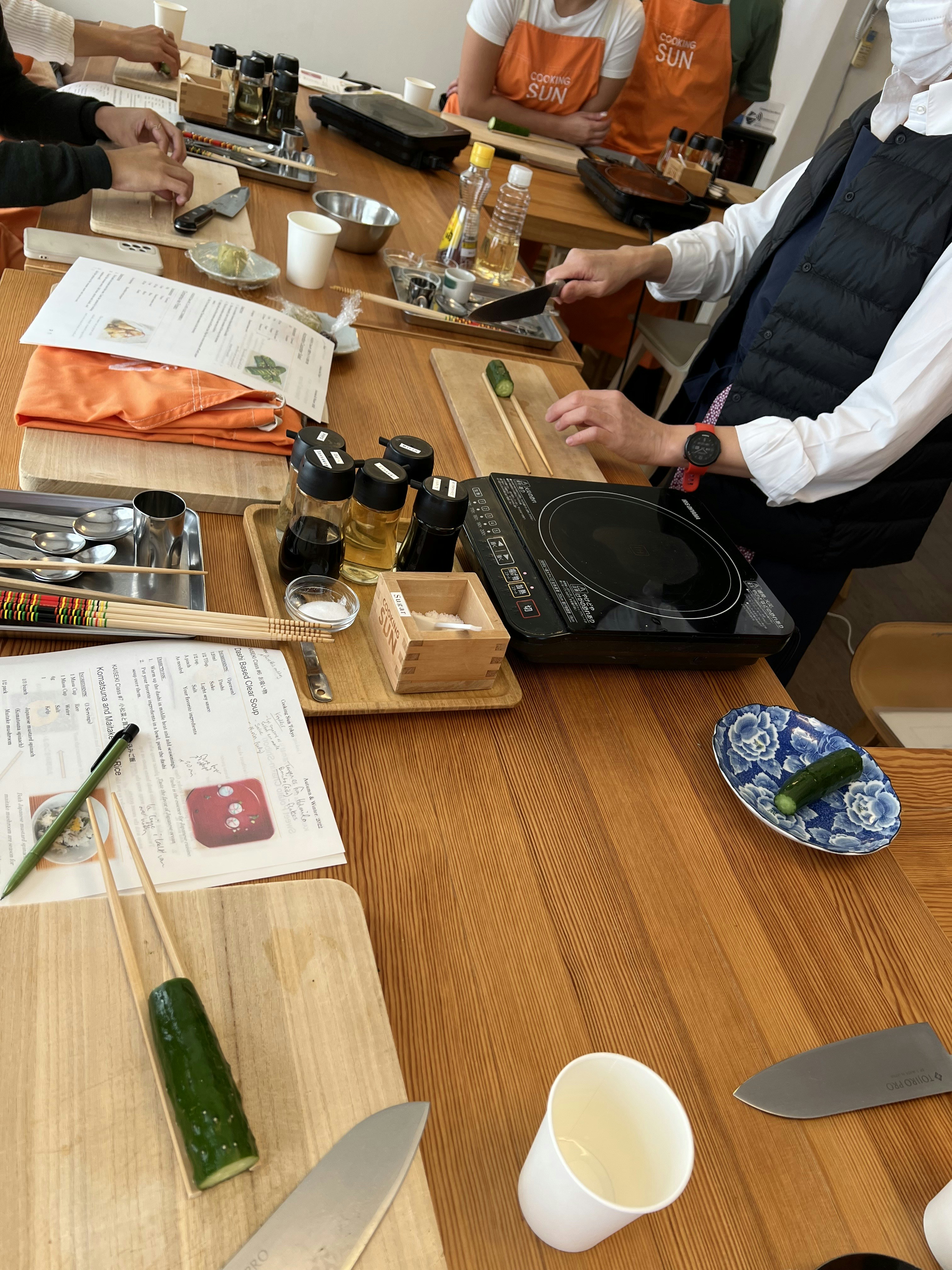
In recent years, there has been a significant rise in the popularity of online education, particularly in specialized fields such as culinary arts. Online culinary programs offer students the flexibility to pursue their passion for cooking without the constraints of a traditional classroom setting. These programs are designed to provide a comprehensive education in culinary techniques, food technologies, and industry standards, all accessible from the comfort of one’s home.
Unlike conventional programs where students must attend classes physically, online culinary schools utilize advanced technology to deliver course content through interactive platforms, video demonstrations, and virtual assignments. This not only allows learners to develop their culinary skills at their own pace but also provides access to a wealth of resources that are often unavailable in a traditional setting. It also enables aspiring chefs who may have other commitments, such as work or family, to balance their education with their personal lives.
Benefits of enrolling in online culinary programs include the ability to tailor one’s schedule, access to a variety of course materials, and often, lower costs compared to in-person training. Students can also choose from a range of program options, such as certificate courses, diplomas, or even associate degrees, catering to diverse career aspirations and educational goals. For families considering these options, it is vital to research various schools and programs thoroughly to find the best fit for the individual’s culinary aspirations.
As we delve deeper into this topic, we will explore the different types of culinary programs available online, discuss student-focused tips for choosing the right school, and provide essential guidance on how to make the most out of these learning opportunities. Understanding the landscape of online culinary education is crucial for any aspiring chef looking to embark on this rewarding career path.
Understanding Program Options: Certificate, Diploma, and Degree Programs
As more individuals explore the culinary arts, the availability of online culinary school programs has expanded. Potential students can choose from various qualifications, including certificates, diplomas, and degree programs. Each of these paths offers distinct advantages and suits different career aspirations within the culinary field.
Certificate programs are often the most accessible and quickest way to gain culinary skills. Typically lasting a few months up to a year, these programs focus on practical skills and foundational cooking techniques. They provide a robust introduction to areas such as food safety, knife skills, and flavor profiling, making them ideal for those looking to enter the culinary workforce rapidly. Graduates often pursue positions in kitchens as line cooks or prep cooks.
Diploma programs build on the foundation provided by certificate courses, generally requiring one to two years of study. These programs offer a more comprehensive exploration of culinary arts, freeing students to specialize in areas such as baking and pastry, restaurant management, or international cuisine. The enhanced level of education typically opens more advanced career opportunities, such as sous chef roles or kitchen management positions, enabling graduates to take on leadership responsibilities in culinary settings.
Finally, degree programs represent the pinnacle of culinary education, offering associate or bachelor’s degrees over two to four years. These programs emphasize not only culinary skills but also business acumen, nutrition, and advanced techniques. Graduates possess a thorough understanding of the culinary landscape, equipping them for managerial roles or executive chef positions. Beyond that, degree holders often have the leverage to pursue culinary education or open their own restaurants.
Understanding these online culinary school options can help prospective students make informed decisions tailored to their individual aspirations and career goals.
Essential Skills Acquired Through Online Culinary Programs
Embarking on a culinary journey through online programs equips aspiring chefs with a diverse set of essential skills that are pivotal in the culinary industry. Through these programs, students have the opportunity to learn foundational techniques, such as knife skills and various cooking methods, which serve as the building blocks for any culinary professional. Mastering knife techniques helps students enhance their precision and efficiency, while understanding cooking methods—ranging from boiling to grilling—enables them to produce an array of dishes with confidence.
Moreover, online culinary school programs frequently delve into advanced skills. Students gain valuable insights on menu planning, where they learn the intricacies of creating dishes that meet both customer preferences and dietary restrictions. This aspect of culinary training is crucial for those looking to work in restaurants, catering companies, or even start their own establishment. Another significant area is food safety practices, which encompass proper sanitation and safe food handling—crucial elements that ensure both the safety of culinary creations and adherence to health regulations.
Additionally, many online programs include virtual demonstrations and interactive modules that simulate real-world kitchen environments. This setup not only allows students to practice their skills but also offers exposure to creative culinary challenges. By fostering these practical experiences online, students develop the self-discipline and time management skills necessary to thrive in professional kitchens.
In conclusion, the skills acquired through online culinary programs are comprehensive and tailored to prepare students for success in the culinary landscape. From foundational techniques to advanced culinary skills, these programs provide a robust framework for aspiring chefs. Fostering both basic and refined competencies ensures that graduates are well-equipped to meet the demands of their future culinary careers.
Online Learning Platforms: What to Expect
As the trend towards online education continues to grow, aspiring chefs may wonder if they can take culinary school online programs effectively. Fortunately, modern online learning platforms are designed to provide a comprehensive educational experience that can rival traditional classroom settings. These platforms often incorporate a blend of video lectures, interactive content, and virtual kitchens, all aimed at enhancing the student’s learning experience.
Video lectures serve as the foundation of online culinary education; they allow instructors to deliver high-quality content directly to students. These lectures can cover various topics, from food safety to advanced cooking techniques, providing an accessible way for students to absorb information. Moreover, many platforms offer the option to pause, rewind, or review lectures, allowing students to learn at their own pace. This flexibility is particularly advantageous for those balancing work or family responsibilities.
In addition to video lectures, engaging interactive content is frequently integrated into online culinary school programs. This may include quizzes, discussions, and even simulated practical exercises that help reinforce theoretical knowledge. Such interactive elements encourage active participation, which is vital for retaining information and developing skills that students can later apply in cooking or baking scenarios.
One of the standout features of these online platforms is the concept of virtual kitchens. Many culinary schools have begun utilizing technology that allows students to participate in real-time cooking demonstrations, cooking challenges, and feedback sessions directly from their home environments. This immersive approach not only promotes practical skill development but also builds a sense of community among students and instructors, fostering collaboration and peer learning.
The incorporation of these innovative educational tools ensures that culinary students can successfully navigate their online programs while developing the essential skills needed for their future careers. As educational technology continues to evolve, online culinary school programs will likely offer even more resources and opportunities for aspiring chefs and their families to consider.
Student-Focused Tips for Success in Online Culinary Education
Embarking on a culinary journey through online programs can be both exciting and challenging. To maximize success, aspiring chefs should adopt a structured approach to their learning. One of the most important aspects of online education is effective time management. Students are encouraged to create a detailed schedule that outlines class timings, assignment due dates, and practice sessions. This structure helps in ensuring that all coursework is completed on time while allowing for personal culinary projects.
Staying organized is equally vital in culinary school online programs. Utilizing digital tools such as calendars, task management apps, or even simple spreadsheets can help track progress and manage assignments. Keeping all materials—including recipes, notes, and feedback—from instructors in one accessible location is crucial to make the most of the learning experience.
Networking plays a critical role in culinary education, even in an online format. Students should actively participate in forums, virtual cooking demonstrations, or online workshops that may be offered by their culinary schools. Engaging in these platforms allows for the exchange of ideas and recipes with peers and instructors, fostering relationships that could prove invaluable in the culinary industry.
Building culinary skills at home is perhaps one of the most essential tips for success in online culinary programs. Students should practice their cooking techniques regularly using the skills learned in their courses. Cooking for family and friends not only enhances their skills but also builds confidence. Additionally, students can leverage online resources such as video tutorials, blogs, and social media to explore new culinary techniques and stay informed about current trends.
By focusing on time management, organization, networking, and practical skills, students in online culinary programs can greatly enhance their educational experience and set themselves up for future success in the culinary world.
Balancing Culinary School with Work and Family Responsibilities
Embarking on culinary school online programs can be an exciting yet challenging endeavor, particularly for individuals who must juggle work and family obligations. Students often find themselves faced with the challenge of dedicating sufficient time to their studies while simultaneously meeting professional responsibilities and attending to family needs. Understanding how to streamline these competing demands is essential for success in this online educational journey.
Effective time management is crucial for students enrolling in online culinary programs. One strategy involves creating a structured weekly schedule that incorporates both study time and personal commitments. By allocating specific hours for coursework, such as watching lectures, participating in discussions, and completing assignments, students can maintain a clear focus on their educational objectives. Additionally, using digital tools like calendars or task management apps can help prioritize tasks and set reminders for important deadlines.
Moreover, communication becomes key when balancing educational commitments with family and work life. Informing family members about your educational objectives and scheduling can foster a supportive environment that acknowledges the need for dedicated study time. When family members are aware of your time constraints, they can provide assistance, whether it’s helping with household chores or managing family activities during critical study sessions.
For those employed while attending culinary school online, it may be beneficial to discuss flexible working arrangements with employers. Many employers appreciate the value of continued education and might be open to providing flexible hours or the option to work remotely. Encouraging a dialogue about your goals can lead to a mutually beneficial agreement, allowing you to pursue your passion without compromising your current responsibilities.
In conclusion, successfully balancing culinary school with work and family responsibilities requires effective time management, clear communication, and the potential for workplace flexibility. By utilizing these strategies, students can navigate the complexities of online learning, ensuring that their educational aspirations are achieved alongside personal and professional commitments.
Resources for Families Considering Online Culinary Options
As interest in culinary careers continues to rise, many families are exploring the possibility of culinary school online programs to facilitate their children’s education. The wealth of resources available can assist families in making informed decisions regarding online culinary education. Below is a selection of curated resources for families considering this path.
Firstly, several reputable institutions offer online culinary programs, each with its unique curriculum and focus disciplines. Notable schools such as the Culinary Institute of America and August Escoffier School of Culinary Arts provide comprehensive programs that can be undertaken remotely. These institutions pride themselves on providing a quality education while allowing flexibility for students.
Scholarships and financial aid can greatly alleviate the burden of tuition costs. Websites like The Culinary Trust offer scholarship opportunities for aspiring chefs, enabling access to more affordable education options. It is advisable for families to explore the specific financial aid options provided by the culinary schools on their shortlist.
Support groups can also enhance the experience of families navigating online culinary education. Online forums such as Reddit’s Culinary Community provide a platform for current students, alumni, and prospective students to exchange advice, share experiences, and offer emotional support during the educational journey. These networks can be invaluable when seeking information about online culinary school programs.
Additionally, various career guides are available that detail the necessary steps to embark on a culinary career through online education. Websites like Culinary Careers provide insights into job placement after program completion and the skills required in the culinary field.
By leveraging these diverse resources, families can gather the information necessary to navigate the world of online culinary programs successfully and pursue a culinary career with confidence.
Real-Life Experiences: Student Testimonials
The pursuit of culinary education through online programs has become increasingly popular, with many aspiring chefs sharing their experiences and outcomes. One former student, Anna, enrolled in an online culinary school due to her demanding job schedule. “I always dreamed of becoming a chef, but traditional classes were not feasible alongside my full-time job. The flexibility of the online culinary school allowed me to learn at my own pace while managing work commitments,” she explains. Her motivation stemmed from a deep passion for cooking, combined with a desire to advance her career in the food industry.
Another student, Mark, emphasized the challenges he faced during his online learning journey. “I thought it would be straightforward, but the practical aspects of cooking are not easily conveyed through videos alone. I had to adapt quickly and find my own methods to replicate the techniques being taught. Formulating my schedule and dedicating time to practice was crucial for my success.” Despite the challenges, Mark successfully completed his program and secured a position in a local restaurant, underscoring the potential rewards of perseverance.
Similarly, Lucy, a single mother, praised the support she received from her online culinary school. “Not only did I have access to extensive learning materials, but the instructors were also incredibly responsive and helpful. They provided valuable feedback on my practical assignments, which helped me refine my skills. The online community of fellow students was another great resource for motivation and encouragement during my studies.”
Each of these testimonials reflects a unique journey through online culinary programs. Students have highlighted the flexibility that such a program affords, making it accessible for those with varying commitments. Alongside the challenges, the motivation to pursue culinary arts remains a strong driving force for many. These narratives contribute to a growing collection of experiences that can aid future students in understanding the realities of pursuing culinary education online.
Conclusion: The Future of Culinary Education in a Digital Era
The landscape of culinary education is witnessing a significant transformation, thanks to the rise of online programs. Aspiring chefs can now take culinary school online programs, which offer flexibility and accessibility that traditional institutions may not provide. This shift enables students from various backgrounds and locations to pursue their culinary passions without being constrained by geographical or time limitations.
Throughout this guide, we have explored the manifold benefits of enrolling in such programs. Students will find that online culinary education not only caters to their individual learning paces but also provides a diverse curriculum that suits their professional goals. From baking techniques to international cuisines, the online format allows for a tailored approach to learning. Moreover, the integration of technology in culinary studies presents innovative learning opportunities through virtual classrooms, interactive cooking demonstrations, and access to a wealth of resources.
Furthermore, as we consider the future trends of culinary education, it is crucial to acknowledge the importance of adaptability. The culinary industry is continually evolving, influenced by changing consumer preferences, technological advancements, and global events. Culinary professionals must engage in continuous learning to stay relevant, which online programs are increasingly facilitating. Options for specialization, networking opportunities, and experiential learning are becoming more integrated into online curricula, ensuring that students are well-prepared for a dynamic workforce.
In conclusion, the digital era has opened up new horizons for culinary education, making it a viable option for many aspiring chefs. With the right resources and a commitment to ongoing personal and professional development, students can successfully navigate their culinary journey through online education. As we look towards the future, it is evident that embracing these innovative learning models will be essential for nurturing the next generation of culinary talent.
This content has been prepared by the Studentanswers editorial team for educational and informational purposes only. We recommend consulting a qualified professional before making any personal decisions.