

Aldis Community Crafted Easter Cake
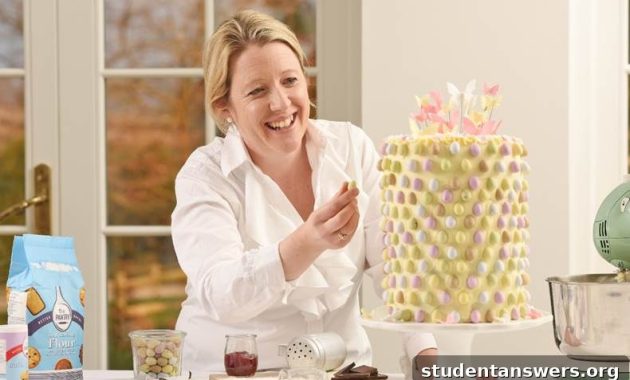
Welcome to the ultimate guide to creating a spectacular, crowd-pleasing Easter celebration cake right in your own kitchen. Whether you’re an experienced baker or just starting, these recipes offer a delightful journey into the world of sweet treats. This guide provides five distinct and delicious cake recipes that can be enjoyed on their own or, for the truly adventurous, stacked together to create a show-stopping, multi-layered masterpiece for your Easter feast. From the rich creaminess of a classic baked cheesecake to the timeless elegance of a Victoria sponge, there’s a flavor and texture here to satisfy every palate. We’ll walk you through each step, ensuring your baking experience is as enjoyable as the delicious results. Get your apron on, preheat your oven, and let’s create some Easter magic!
The Ultimate Creamy Baked Cheesecake
A baked cheesecake is a dessert of pure indulgence. Its dense, creamy texture and rich, tangy flavor make it a perennial favorite. The secret to a perfect cheesecake lies in a few key details: using room temperature ingredients to ensure a smooth, lump-free filling, and cooling it slowly to prevent a cracked surface. This recipe will guide you to a flawless finish, creating a dessert that is as beautiful as it is delicious. It serves as a fantastic base layer for our ultimate Easter cake, providing stability and a luxurious taste.
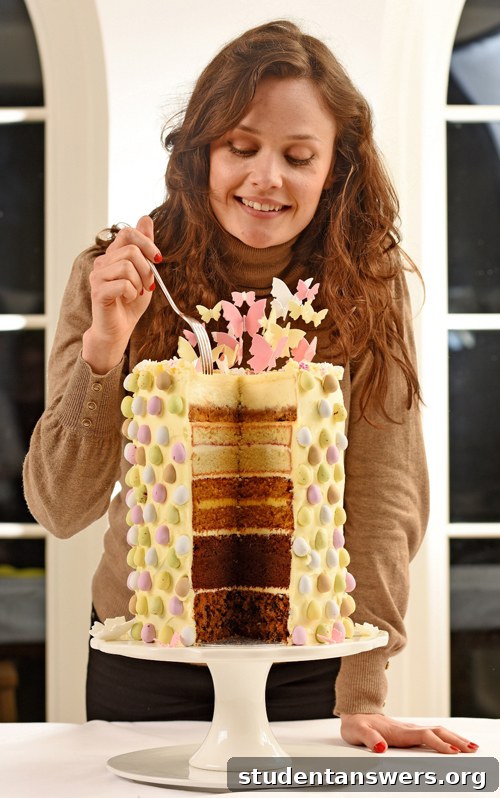
Ingredients for the Biscuit Base:
- 170g unsalted butter, completely melted
- 280g digestive biscuits, crushed to fine crumbs
- 2 tablespoons caster sugar
Instructions for the Base:
- Begin by preheating your oven to 180°C (160°C Fan / Gas Mark 4).
- To create the crumbs, place the digestive biscuits in a large, sealable food bag and crush them with a rolling pin until you have a fine, sandy texture. Alternatively, a few pulses in a food processor will do the job quickly.
- In a medium bowl, combine the fine biscuit crumbs and caster sugar. Pour in the melted butter and stir thoroughly until the mixture resembles wet sand.
- Prepare a 23cm (9-inch) deep springform cake tin by lining the base and sides with non-stick baking parchment. This is crucial for easy removal later.
- Press the biscuit mixture firmly and evenly into the bottom of the prepared tin. Use the back of a spoon or the bottom of a glass to compact it.
- Bake the base for 10 minutes. This helps to create a crisp, sturdy foundation. Once baked, remove it from the oven and set it aside to cool completely while you prepare the filling.
- Increase the oven temperature to 200°C (180°C Fan / Gas Mark 6) in preparation for baking the cheesecake filling.
Ingredients for the Cream Cheese Filling:
- 900g full-fat cream cheese, at room temperature
- 250g caster sugar
- 3 tablespoons plain flour
- ½ teaspoon salt
- 1 teaspoon high-quality vanilla extract
- 1 teaspoon fresh lemon juice
- 3 large free-range eggs, plus 1 additional egg yolk, at room temperature
- 200ml soured cream, at room temperature
Instructions for the Filling:
- In a large mixing bowl or the bowl of a stand mixer, beat the room temperature cream cheese on a low speed for about two minutes until it is smooth and creamy. It’s important not to over-beat or incorporate too much air.
- Gently add the caster sugar, plain flour, and salt. Mix on a low speed until just combined. Scrape down the sides of the bowl to ensure everything is incorporated.
- In a separate small bowl, whisk together the vanilla extract and lemon juice. Add this to the cream cheese mixture. Then, add the eggs and the extra yolk one at a time, mixing gently on low speed after each addition until just blended.
- Finally, gently fold in the soured cream with a spatula until the batter is smooth and uniform.
- Lightly brush the parchment-lined sides of your cake tin with a little melted butter.
- Place the cake tin with the cooled biscuit base onto a sturdy baking tray. Carefully and slowly pour the cream cheese filling over the base, spreading it evenly.
- Bake in the center of the preheated oven for 10 minutes at 200°C. Then, reduce the oven temperature to 110°C (90°C Fan / Gas Mark ¼) and continue to bake for a further 45-50 minutes. The cheesecake is ready when the edges are set, but the center still has a slight wobble.
- Turn off the oven but leave the cheesecake inside with the door slightly ajar for at least two hours. This slow cooling process is the key to preventing cracks.
- After cooling in the oven, remove the cheesecake and let it cool completely at room temperature before transferring it to the refrigerator. Chill overnight, or for at least 8 hours, for the best texture and flavor.
The Classic Victoria Sponge
A true British classic, the Victoria Sponge is celebrated for its light, airy texture and simple yet elegant flavor combination of vanilla sponge, sweet jam, and creamy buttercream. The key to a feather-light sponge is to cream the butter and sugar until very pale and fluffy and to be gentle when folding in the flour. This cake is a perfect middle layer, offering a soft contrast to the denser layers around it.
Ingredients:
- 225g unsalted butter, softened to room temperature
- 225g caster sugar
- 4 large free-range eggs, lightly beaten
- 225g self-raising flour, sifted
- 2 teaspoons baking powder
- 4 tablespoons good-quality strawberry jam
- (For the filling, see our buttercream recipe below)
Instructions:
- Preheat your oven to 180°C (160°C Fan / Gas Mark 4). Grease and line the bases of two 20cm (8-inch) round, loose-bottomed cake tins.
- In a large bowl, use an electric mixer to cream the softened butter and caster sugar together for at least 5 minutes, until the mixture is very pale, light, and fluffy.
- Gradually add the beaten eggs, a little at a time, beating well after each addition to prevent the mixture from curdling.
- Gently fold in the sifted flour and baking powder using a large metal spoon or spatula. Use a light touch and mix only until the flour is just incorporated to keep the batter airy.
- Divide the batter evenly between the two prepared cake tins and smooth the tops.
- Bake for 20–25 minutes, or until the sponges are golden brown, well-risen, and a skewer inserted into the center comes out clean.
- Let the cakes cool in their tins for 5 minutes before carefully turning them out onto a wire rack to cool completely.
- Once the cakes are fully cooled, spread one sponge with a generous layer of strawberry jam and the other with a layer of buttercream. Gently sandwich them together.
Indulgent Rich Chocolate Cake
For the chocolate lovers, this recipe delivers a deeply flavorful and moist chocolate cake. Using both cocoa powder and melted dark chocolate creates a rich, complex taste that is simply irresistible. This cake is wonderfully decadent on its own but also makes a fantastic, show-stopping layer in a celebration cake, adding a touch of dark, sophisticated flavor.
Ingredients:
- 125g unsalted butter, cubed
- 125g good-quality dark chocolate (70% cocoa), broken into pieces
- 50g cocoa powder, sifted
- 3 large free-range eggs, separated
- 75g caster sugar
- 75g light brown soft sugar
- 125g plain flour, sifted
- A pinch of salt
- 200ml double cream (for the filling)
Instructions:
- Pre-heat your oven to 180°C (160°C Fan / Gas Mark 4). Grease and line two 20cm (8-inch) shallow cake tins.
- In a heatproof bowl set over a small saucepan of gently simmering water, melt the butter and 75g of the dark chocolate together. Stir until smooth, then set aside to cool slightly.
- In a clean, grease-free bowl, whisk the egg whites with the pinch of salt until they form stiff peaks.
- In a separate large bowl, whisk the egg yolks with the caster sugar and light brown sugar until the mixture is thick, pale, and has doubled in volume.
- Gently fold the sifted cocoa powder and flour into the egg yolk mixture. Then, stir in the cooled melted chocolate mixture until just combined.
- Carefully fold the whisked egg whites into the chocolate batter in two stages, using a large metal spoon to maintain as much air as possible.
- Divide the mixture evenly between the prepared tins and bake for approximately 15-18 minutes, until the cakes are firm to the touch.
- Allow the cakes to cool completely in the tins before turning them out.
- To make the filling, whisk the double cream until it just holds its shape (soft peaks). Grate the remaining 50g of dark chocolate and gently fold it into the cream.
- Use this chocolate cream to sandwich the two cooled cake layers together.
Hearty and Wholesome Fruit Cake
A traditional fruit cake is a delightful blend of sweet dried fruits, crunchy nuts, and a hint of warm spice, all baked into a moist, buttery cake. This version is lighter than a classic Christmas cake, making it perfect for an Easter celebration. The honey adds a lovely floral sweetness that complements the fruits and nuts beautifully.
Ingredients:
- 200g plain flour
- 100g caster sugar
- 125g unsalted butter, softened
- 60g walnuts, roughly chopped
- 150g mixed dried fruit
- 70g clear honey
- 60ml semi-skimmed milk
- 2 large free-range eggs
- 1 teaspoon baking powder
Instructions:
- Preheat your oven to 180°C (160°C Fan / Gas Mark 4). Grease and line a 20cm (8-inch) round cake tin.
- In a small bowl, mix the chopped walnuts and mixed dried fruit. Add one tablespoon of the measured plain flour and toss to coat the fruit and nuts. This prevents them from sinking to the bottom of the cake during baking.
- In a large mixing bowl, cream the softened butter, caster sugar, and honey together until light and fluffy.
- Beat in the eggs one at a time, followed by the milk, mixing well after each addition.
- Fold in the remaining flour and the baking powder until just combined.
- Finally, stir in the flour-coated dried fruit and walnuts.
- Spoon the mixture into your prepared cake tin and level the surface.
- Bake for 50-60 minutes, or until the cake is risen, golden brown, and a skewer inserted into the center comes out clean.
- Let the cake cool in the tin for 10 minutes before transferring it to a wire rack to cool completely.
Spiced Carrot Cake with Walnuts
Carrot cake is a universally loved classic for a reason. It’s wonderfully moist, packed with flavor from the sweet carrots and warm cinnamon, and has a delightful texture thanks to the chopped walnuts. This recipe is straightforward and always yields a delicious result. It’s the perfect cake to top with a tangy cream cheese frosting.
Ingredients:
- 250g plain flour
- 2 teaspoons baking powder
- 1 teaspoon bicarbonate of soda
- 1/2 teaspoon salt
- 2 teaspoons ground cinnamon
- 250g caster sugar
- 3 large free-range eggs
- 180ml vegetable oil
- 300g carrots, peeled and finely grated
- 100g walnuts, chopped
Instructions:
- Preheat your oven to 175°C (155°C Fan / Gas Mark 3). Grease and flour a 23cm (9-inch) square or round cake tin.
- In a large bowl, sift together the flour, baking powder, bicarbonate of soda, salt, and cinnamon.
- In a separate bowl, whisk the sugar and eggs together until they are thick, pale, and creamy.
- Slowly pour in the vegetable oil while continuing to whisk until it’s fully incorporated.
- Gradually add the sifted dry ingredients to the wet ingredients, mixing on a low speed until just combined. Be careful not to overmix.
- Using a spatula, fold in the grated carrots and chopped walnuts.
- Pour the batter into the prepared pan and spread it evenly.
- Bake for 40 to 45 minutes, or until a toothpick inserted into the center of the cake comes out clean.
- Allow the cake to cool completely in the tin before turning it out. Once cooled, it’s ready to be frosted with your favorite cream cheese frosting.
Finishing Touches: Frosting & Decorations
The final decorations are what turn a delicious cake into a true centerpiece. A silky smooth buttercream is essential for layering and covering your creation, while a few simple, elegant decorations can elevate the final look.
Silky Vanilla Buttercream Frosting
This is a classic American-style buttercream that’s perfect for frosting cakes and piping decorations. It’s sweet, creamy, and holds its shape beautifully.
Ingredients:
- 500g unsalted butter, softened
- 1kg icing sugar, sifted
- 4–5 tablespoons semi-skimmed milk
- 2 teaspoons vanilla extract
Instructions:
- In a large bowl, beat the softened butter on its own for 5 minutes with an electric mixer until it’s very pale and creamy.
- Gradually add half of the sifted icing sugar and beat on a low speed until combined. Add 4 tablespoons of milk and the vanilla extract, and mix again.
- Add the remaining icing sugar and beat on low speed until it’s all incorporated.
- Once combined, turn the mixer up to the highest setting and beat for a further 3-5 minutes. This makes the buttercream incredibly smooth, light, and creamy. If it’s too stiff, add the extra tablespoon of milk.
Simple & Elegant Decorations:
- A generous scattering of milk chocolate mini eggs is a classic and festive way to decorate any Easter cake.
- For a more sophisticated touch, create delicate sugar paste flowers and butterflies.
How to Make Sugar Flowers & Butterflies:
- You will need pastel-colored sugar paste (fondant), royal icing, and small flower- or butterfly-shaped cutters.
- On a surface lightly dusted with icing sugar, roll out the sugar paste as thinly as possible.
- Use your cutters to stamp out numerous flower and butterfly shapes.
- To give them a 3D effect, let the flowers dry on a piece of crinkled baking paper. For the butterflies, drape them over the edge of a square tin or the spine of a book so their wings dry in a ‘V’ shape.
- Once dry and firm, use a small piping bag filled with royal icing to pipe a small dot in the center of each flower or a line down the middle of the butterflies for a body.
- Set them aside to dry completely. These can be made up to a month in advance and stored in an airtight container away from direct sunlight.