
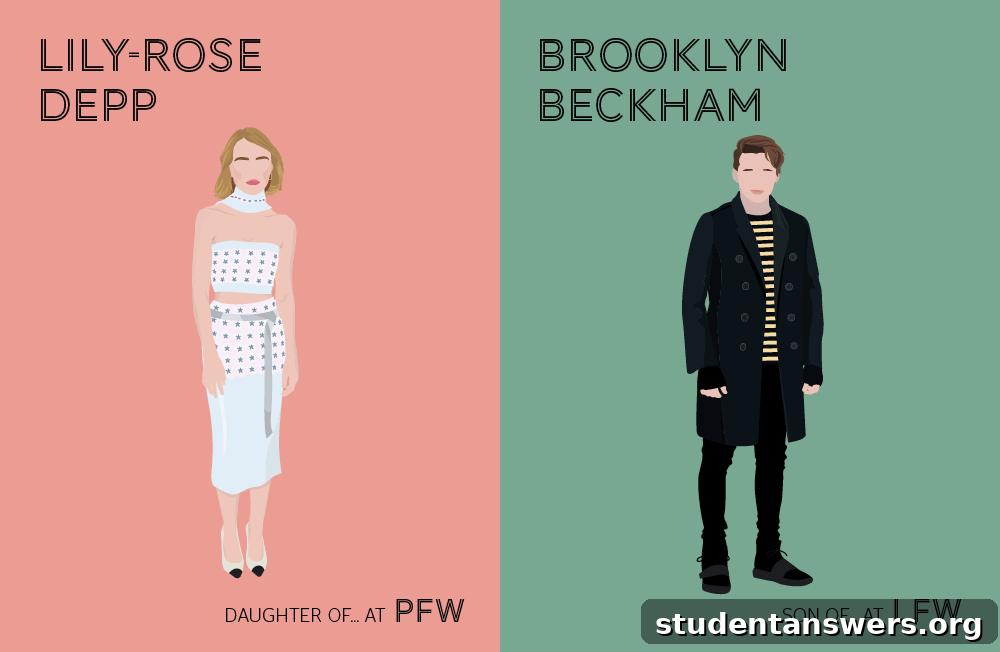
London vs. Paris Fashion Week: A Tale of Two Style Capitals
When the chill of winter begins to bite, the global fashion elite knows it’s time for one thing: Fashion Week. For a whirlwind month, the industry’s most influential figures—editors, buyers, influencers, and celebrities—embark on a sartorial pilgrimage across the ‘Big Four’ fashion capitals: New York, London, Milan, and Paris. This is where the future of style is decided, where trends are born, and where creativity is celebrated. While each city offers a unique flavour, the rivalry and contrast between London and Paris provide a fascinating look into the very soul of fashion.
As two of Europe’s most iconic cities, their respective fashion weeks are a study in contrasts. Paris, the grand dame of haute couture, exudes a timeless elegance and reverence for history. London, its rebellious younger sibling, champions raw, avant-garde talent and a defiant sense of cool. Let’s delve into the distinct identities of these two titans of the fashion calendar and explore what makes each one an unmissable event.
Paris Fashion Week: A Legacy of Haute Couture and Timeless Elegance
Steeped in history and tradition, Paris Fashion Week (PFW) is the pinnacle of the fashion season. Established in 1973, it is the oldest and most prestigious of the four, an institution built on a foundation of legendary design houses. This is the city of Chanel, Dior, Saint Laurent, and Balmain—names that are synonymous with luxury, craftsmanship, and an unwavering commitment to beauty. The very air in Paris during fashion week seems to hum with an almost sacred reverence for the art of clothing.
The shows in Paris are often held in the city’s most breathtaking and historic venues. Imagine a runway set against the backdrop of the Grand Palais, the manicured gardens of the Musée Rodin, or the regal courtyards of the Louvre. These settings are not just locations; they are a statement, reinforcing the opulence and grandeur that define Parisian fashion. The collections themselves reflect this ethos, focusing on meticulous tailoring, luxurious fabrics, and silhouettes that are both classic and exquisitely modern. PFW is where you witness fashion at its most refined, a polished spectacle of aspirational beauty.
The attendees, or the “FROW” (Front Row), are a curated assembly of the industry’s most powerful players. Think legendary editors-in-chief, A-list Hollywood actors, and the wealthiest clients, all dressed in immaculate, head-to-toe designer looks. The street style in Paris is less about experimentation and more about perfection. You’ll see classic trench coats, perfectly fitted trousers, killer heels, and, of course, the iconic Chanel handbag paired with a signature red lip. It’s a display of sophisticated, grown-up glamour that is quintessentially Parisian.
London Fashion Week: The Epicenter of Avant-Garde and Emerging Talent
Across the Channel, London Fashion Week (LFW) offers a completely different energy. Launched in 1983, London’s scene is characterized by its irreverence, creativity, and fearless embrace of the new. If Paris is the established monarchy, London is the vibrant, punk-rock rebellion. As style icon Alexa Chung once noted, “London Fashion Week is so different from any of the others… London seems freer from commercial constraints. Truer to the process, to street style, to a sense of humour.”
This freedom is what makes LFW a crucial incubator for young, emerging designers. The British Fashion Council’s NEWGEN initiative has helped launch the careers of some of the industry’s most celebrated names, including the late Alexander McQueen and Christopher Kane. London is where boundaries are pushed, where fashion is deconstructed and reimagined, and where designers are unafraid to make bold political and social statements on the runway. It thrives on innovation and a raw, unapologetic energy.
The venues for LFW reflect this edgy spirit. Forget grand palaces; think gritty, off-site locations like the Brewer Street Car Park in Soho or abandoned warehouses in East London. These unconventional spaces provide a blank canvas for designers to create immersive, unforgettable experiences. The front row is a mix of “Brit babes” like Suki Waterhouse and Pixie Geldof, rising musicians, art students, and influential bloggers. The atmosphere is less formal, more inclusive, and buzzing with a palpable sense of excitement for what’s next.
The Street Style Showdown: Classic Chic vs. Eclectic Cool
Nowhere is the difference between the two cities more apparent than on their streets. Parisian street style is the epitome of refined elegance. It’s about investing in timeless pieces and styling them with an effortless, polished flair. The look is considered and chic, favouring neutral colour palettes, structured silhouettes, and luxurious accessories. A perfectly tailored blazer, a silk blouse, and a pair of classic stilettos are the uniform of the PFW attendee. It’s an aesthetic that whispers wealth and sophistication.
In contrast, London’s street style is a vibrant, eclectic mash-up of high and low, vintage and new, punk and polished. It’s a celebration of individuality and self-expression. A Londoner might pair a vintage band t-shirt with a Burberry trench coat and a pair of box-fresh Adidas Stan Smith trainers. There’s a playful sense of experimentation, a love for clashing prints, bold colours, and androgynous silhouettes. It’s a style that is born from the city’s diverse subcultures and its thriving creative scene. It’s less about looking perfect and more about looking interesting.
The Designers: Heritage Houses vs. Rising Stars
At its core, the primary distinction lies in the designers each city champions. Paris is home to the heritage maisons—global luxury powerhouses with decades, sometimes centuries, of history. These brands have a defined DNA and an archive of iconic designs that are reinterpreted each season. The focus is on upholding a legacy of excellence and craftsmanship while gently pushing the brand forward. The PFW schedule is a roll-call of the industry’s most powerful and commercially successful names.
London, on the other hand, is the launchpad. While it has its own heritage brands like Burberry, its global reputation is built on its ability to nurture and promote new talent. The LFW schedule is packed with graduate shows and presentations from designers who are just starting out, offering a thrilling glimpse into the future of fashion. Buyers and editors flock to London to discover the next big thing, making it a crucial stop for anyone wanting to stay ahead of the curve.
Shared Ground: Where London and Paris Converge
Despite their stark differences, the two cities are not entirely worlds apart. In the modern, hyper-connected fashion landscape, certain trends and behaviours have become universal. Both cities see attendees clutching the same “It” handbag of the season, like the coveted Gucci Dionysus. The frantic pace of dashing between shows means that a sleek Uber is the preferred mode of transport in both capitals—bien sûr!
Furthermore, the need for a mid-afternoon pick-me-up, whether it’s a glass of champagne in Paris or a gin and tonic in London, is a shared ritual among the fashion flock. Social media has also blurred the lines, with influencers and editors sharing their experiences in real-time, creating a global conversation that unites the two events. At the end of the day, both cities share a profound love for fashion and a dedication to celebrating its power.
Conclusion: Two Cities, One Global Fashion Conversation
Ultimately, London and Paris Fashion Week are not just competitors; they are two essential pillars that support the entire fashion ecosystem. Paris provides the industry with its heritage, its standard of luxury, and its most aspirational dreams. It is a reminder of the timeless power of beautiful, exquisitely made clothes. London, in turn, injects the industry with a vital dose of newness, challenging conventions and ensuring that fashion never becomes stagnant.
One city represents the pinnacle of established elegance, while the other is a laboratory for creative chaos. Together, they create a perfect balance. Whether you prefer the polished boulevards of Paris or the gritty streets of London, one thing is certain: for two weeks each season, they become the most exciting and inspiring places on earth for anyone who loves style.