
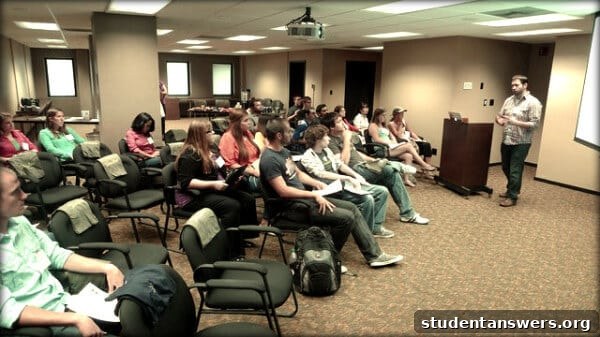
Navigating the path to your dream internship can seem daunting, but few methods offer the direct impact and valuable opportunities of a career fair. For students, these events are a gold mine for networking, providing a unique chance to connect face-to-face with recruiters from a wide range of top companies. If your university hosts one, it’s an unmissable opportunity. If not, a nearby larger school likely does.
Career fairs are the premier venue for students seeking internships or full-time positions with established corporations. However, success is not a matter of simply showing up. Attending a career fair unprepared is a surefire way to blend into the background. To truly stand out and make a lasting impression, you need a strategic approach. Too many students arrive with little to no preparation, a lack of enthusiasm, and a resume that doesn’t reflect their true potential. They haven’t cultivated a personal brand that aligns with their career goals.
This comprehensive guide will provide you with actionable career fair tips to ensure you are not one of those students. By following these steps, you will be well-equipped to capture the attention of recruiters and take a significant step toward landing your ideal role.
Phase 1: Pre-Fair Preparation is Key to Success
The saying “fail to prepare, prepare to fail” could not be more accurate when it comes to career fairs. The effort you invest before the event directly correlates with the results you’ll achieve. Thorough preparation not only enhances your professional appearance but also builds the inner confidence needed to navigate a bustling event hall. This foundational stage is non-negotiable.
Dress for Success: The Importance of Professional Attire
First impressions are powerful, and at a career fair, your attire speaks volumes before you even say a word. Recruiters meet hundreds of students in a single day, and dressing professionally signals that you are serious, respectful, and understand corporate culture. A student in casual wear, no matter how brilliant, sends a message of apathy.
Your goal is to present a polished, professional image. This means investing in a suit. You don’t need a designer label; a well-fitting, clean, and classic suit is perfectly effective. You can find affordable options for around $200 at department stores, especially during sales. Focus on conservative colors like navy blue, charcoal gray, or black.
If a new suit isn’t in your budget, consider these alternatives:
- Borrowing: Ask a family member or friend with a similar build if you can borrow a suit for the day.
- Thrift Stores: Secondhand stores in affluent areas can be a treasure trove for high-quality, gently used professional wear at a fraction of the original cost.
- University Resources: Many university career centers have a “career closet” program that allows students to borrow or rent professional attire for free or at a low cost. Check with them well in advance to ensure availability and find the right size.
Regardless of how you acquire it, owning your own suit is a long-term investment in your professional future. Once you have your suit, the next step is crucial: get it tailored. An off-the-rack suit rarely fits perfectly. A tailor can make small adjustments to the jacket sleeves, waist, and pant length for a modest fee (often under $50), transforming a generic garment into one that looks custom-made for you. A tailored suit accentuates your frame and projects confidence, while an ill-fitting one can look sloppy and undermine your efforts.
Leverage Pre-Fair Networking Opportunities
The main event isn’t your only chance to connect. Many companies and university departments host smaller, more intimate networking events in the days leading up to the career fair. These can include information sessions, networking breakfasts, or workshops. Professional clubs in your major are also excellent sources for these targeted events.
Pay close attention to emails from your career services office and department. These pre-fair events offer a significant advantage, allowing you to have more meaningful conversations in a less crowded setting. It’s an excellent way to get on a recruiter’s radar before the main rush.
Crafting a Resume That Gets Noticed
Your resume is your one-page professional story. It’s often the first and only document a recruiter will see from you, so it needs to be flawless. It’s not enough to simply list your experiences; you must present them effectively.
First, get your resume reviewed. Your university’s career center offers this service for a reason. Their counselors are experts who can help you refine your content and formatting. Here are some essential tips to create a standout resume:
- Focus on Accomplishments, Not Duties: Instead of listing what you were “responsible for,” describe what you achieved. Use action verbs and quantify your results whenever possible. For example, instead of “Managed social media,” write “Increased social media engagement by 25% over six months by implementing a new content strategy.”
- Tailor It to the Role: Emphasize the experiences and skills most relevant to the internships you are seeking. If your volunteer work in a relevant club is more applicable than your part-time retail job, list the volunteer experience first.
- Keep It Clean and Professional: Unless you’re a freshman with limited experience, remove high school achievements. Your focus should be on your college-level work and beyond.
- Proofread Meticulously: A single typo can be enough to get your resume discarded. Read it aloud, use spell-check, and have at least two other people review it for errors. A typo suggests a lack of attention to detail, a fatal flaw in any candidate.
To give your resume an extra edge, print it on high-quality linen paper. This thicker, textured paper feels more premium and helps your resume stand out physically in a stack of standard copy paper. Carry your pristine resumes in a professional padfolio, not a flimsy paper folder. This small detail reinforces your organized and serious demeanor. Finally, a powerful addition to any resume is a link to your personal website or online portfolio, where you can showcase projects and expand on your skills.
Create Professional Business Cards That Leave an Impression
In today’s digital age, many recruiters will ask you to apply online rather than accepting a paper resume at the fair. They will, however, often look at your resume during your conversation. Because you can’t always leave a physical copy behind, a professional business card becomes your new calling card.
A business card is a tangible reminder of your conversation. While a recruiter might forget a name, a well-designed card can jog their memory. Avoid generic, flimsy cards. Invest a little extra in a modern design with rounded corners or a clean, full-color layout. Include your name, major or professional title (e.g., “Aspiring Software Engineer”), email, phone number, and a link to your LinkedIn profile and personal website. A memorable card ensures you won’t be forgotten after the handshake.
Strategic Research: Know Your Target Companies
Walking up to a company’s booth and asking, “So, what do you do?” is a major misstep. It shows a complete lack of initiative. Before the fair, review the list of attending companies and create a “target list” of 5-10 organizations that truly interest you.
For each company on your list, research the following:
- What is their mission and what are their core products or services?
- What are their recent accomplishments or major projects in the news?
- What specific internship or entry-level roles are they hiring for?
- What are the key skills and qualifications listed in those job descriptions?
Having this knowledge allows you to tailor your conversation and ask intelligent, specific questions. This demonstrates genuine interest and sets you far apart from the majority of students.
Phase 2: Executing Flawlessly on the Day of the Fair
With your preparation complete, it’s time to shine. Your performance at the fair is where your hard work pays off. The goal is to move from a face in the crowd to a memorable candidate.
Mastering Your Introduction: The Elevator Pitch
Your first 30 seconds with a recruiter are critical. You need a concise, confident introduction, commonly known as an “elevator pitch.” This is a brief summary of who you are, what you’re looking for, and why you’re interested in their specific company.
A strong elevator pitch includes your name, major, and year in school, followed by a key skill or experience, and then a direct connection to the company. For example: “Hi, my name is Jane Doe. I’m a junior majoring in Computer Science with experience in Python and machine learning. I was really impressed by your company’s recent work in AI-driven analytics, and I’d love to learn more about your software engineering internship opportunities.”
Warm-Up with Low-Stakes Conversations
Don’t approach your number-one target company first. If you’re nervous, your first couple of interactions might be a bit rusty. Instead, start by visiting a few companies that are lower on your priority list. Use these conversations as a warm-up to practice your pitch, shake off your nerves, and build your confidence. This will ensure you are smooth and polished when you speak with the recruiters who matter most.
Write Everything Down
After a day of countless conversations, names and details will start to blur. It is essential to take notes. After each conversation, step aside and jot down the recruiter’s name, key points you discussed, and any specific advice or next steps they mentioned. This information is invaluable for your follow-up and demonstrates your diligence.
Phase 3: The Follow-Up: Turning Connections into Opportunities
The career fair doesn’t end when you leave the building. The follow-up is where you solidify the connections you made and transform them into interviews.
Organize Your Contacts Immediately
Within 24 hours of the fair, organize the business cards and notes you collected. Create a simple spreadsheet with columns for the recruiter’s name, company, email address, and a summary of your conversation. This database will be your guide for sending personalized follow-up messages.
Writing the Perfect Follow-Up Email
A prompt, professional follow-up email is a non-negotiable step. It reminds the recruiter who you are and reiterates your interest. Send your email within 24-48 hours of the fair.
Your email should have a clear subject line (e.g., “Following up from the [University Name] Career Fair”). In the body, thank the recruiter for their time, mention a specific detail from your conversation to jog their memory, and restate your strong interest in the company and a particular role. Attach your resume and express your enthusiasm for the opportunity to discuss your qualifications further.
By investing in thorough preparation, executing with confidence, and following up with professionalism, you can transform the career fair from an overwhelming event into your single most effective tool for launching your career.