

Master Your Productivity: Answering 5 Key Questions on Habits, Networking, and Deep Work
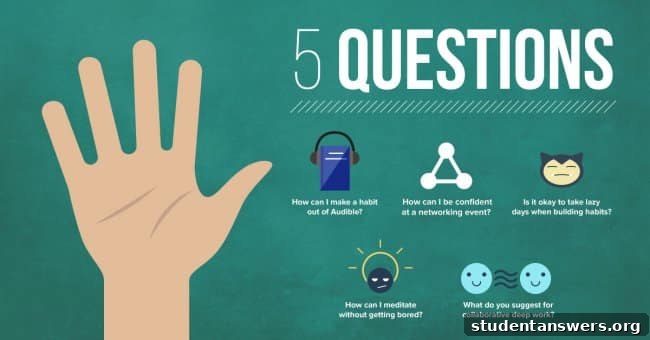
In the quest for self-improvement, we often face the same recurring challenges. How do we build habits that stick? How can we be both productive and well-rested? How do we focus in a world full of distractions? Today, we’re diving deep into these common questions to provide clear, actionable strategies that you can implement right away. We’ll explore practical solutions for integrating learning into your daily life, making genuine connections at professional events, finding a sustainable balance between work and relaxation, making mindfulness practices work for you, and carving out time for focused work even in a busy, collaborative environment. Get ready to transform your approach to productivity and personal growth.
1. How Can I Make a Habit of Listening to Audiobooks?
Audiobooks are a fantastic tool for learning and entertainment, allowing you to consume books while commuting, exercising, or doing chores. However, turning this potential into a consistent habit can be challenging. The key is to integrate them seamlessly into your existing life, rather than trying to find extra time you don’t have.
Start Small and Be Realistic
The biggest mistake most people make when starting a new habit is being overly ambitious. Instead of aiming to finish a book a week, commit to listening for just 15 minutes a day. Choose a specific time, like during your morning coffee or your drive to work. A small, achievable goal builds momentum and makes the habit feel effortless. Once you’re consistently listening for 15 minutes, you can gradually increase the duration.
Use Habit Stacking
Habit stacking is the practice of linking a new desired habit to an existing one. Identify routines you already perform without thinking. Do you always walk the dog after dinner? Do you spend 30 minutes at the gym every other day? These are perfect opportunities to press play on your audiobook. By linking the new behavior (listening) to an established one (your daily commute), you’re using the power of your current routine to build a new one automatically.
Choose Books You Genuinely Enjoy
To build a habit, the activity needs to be rewarding. Don’t force yourself to listen to dense non-fiction or a business book just because you feel you “should.” Start with a thrilling novel, a captivating biography, or a comedian’s memoir. The goal is to get hooked on the experience of listening. Once the habit is formed, you can branch out into more challenging or educational material. Platforms like Audible offer a massive selection, so you’re sure to find something that piques your interest.
2. How Can I Make the Most of a Networking Event?
Networking events can feel intimidating, but they are invaluable opportunities for career growth and learning. Shifting your mindset from “I need to get something” to “I’m here to build genuine connections” can transform the experience. Success isn’t about collecting the most business cards; it’s about having a few meaningful conversations.
Set a Clear, Modest Goal
Walking into a room full of strangers without a plan can lead to feeling overwhelmed. Before you arrive, set a simple, achievable goal. For example: “I want to have meaningful conversations with three new people” or “I want to learn more about X industry from someone who works in it.” This gives you a clear purpose and helps you measure success without putting too much pressure on yourself.
Focus on Listening, Not Pitching
The most memorable networkers are the best listeners. Instead of waiting for your turn to talk, ask thoughtful, open-ended questions. People naturally enjoy talking about their work, passions, and challenges. Ask questions like, “What’s the most interesting project you’re working on right now?” or “What’s been the biggest surprise about working in your field?” This shows genuine interest and helps you build a real rapport.
Prepare a Brief and Natural Introduction
While you should focus on listening, you will inevitably be asked, “So, what do you do?” Have a concise, 30-second answer ready that explains who you are and what you do in a way that invites further conversation. Avoid jargon and focus on the value you provide or the problems you solve. Practice it until it sounds natural and conversational, not like a rehearsed pitch.
Follow Up Thoughtfully
A connection made at an event is only as good as the follow-up. Within 24-48 hours, send a brief, personalized email or LinkedIn connection request to the people you had significant conversations with. Reference a specific topic you discussed to jog their memory, such as, “It was great chatting with you about your work in sustainable energy last night.” This simple step solidifies the connection and opens the door for future interaction.
3. Can I Be Productive While Still Having Days to Relax?
Absolutely. In fact, you cannot be sustainably productive *without* taking time to relax. Our culture often glorifies “the hustle” and being busy, but this leads to burnout, diminished creativity, and lower-quality work. True productivity is about working smarter, not longer. Rest is not the enemy of productivity; it is a vital component of it.
Reframe Rest as a Performance Enhancer
Elite athletes understand that recovery is just as important as training. Your brain is no different. Downtime allows your mind to process information, make creative connections, and recharge for focused work. Instead of feeling guilty about taking a day off, view it as a strategic investment in your long-term effectiveness. A well-rested mind is a more productive and innovative mind.
Schedule Your Downtime Intentionally
If you don’t formally schedule relaxation, it’s easy for work to expand and fill all available time. Treat your lazy days and rest periods with the same seriousness as a business meeting. Block them out in your calendar. This act of scheduling gives them legitimacy and protects them from being overrun by last-minute tasks. Whether it’s a “no-screen Sunday” or a Saturday dedicated to a hobby, make it a non-negotiable part of your week.
Practice Active Relaxation
Not all forms of rest are created equal. Mindlessly scrolling through social media or binge-watching a show can leave you feeling just as drained as when you started. Active relaxation involves engaging in activities that are genuinely restorative. This could be reading a book for pleasure, going for a hike, spending time with loved ones, practicing a hobby, or simply sitting in nature. Identify what truly recharges you and prioritize those activities during your downtime.
4. How Should I Meditate If I Find It Boring?
The feeling that meditation is boring is one of the most common obstacles for beginners. We are so accustomed to constant stimulation that the simple act of sitting quietly can feel tedious or unproductive. The key is to adjust your approach and find a style of mindfulness that resonates with you.
Change Your Goal
Many beginners think the goal of meditation is to empty their mind and stop all thoughts. This is impossible and leads to frustration. The real goal is to practice noticing your thoughts without judgment and gently redirecting your attention back to your anchor (like your breath). Boredom is just another thought or feeling to notice. When you feel it, simply acknowledge it: “Ah, there is the feeling of boredom.” Then, return to your breath. It’s an exercise in focus, not an absence of thought.
Try Guided Meditations
If sitting in silence is too challenging, start with guided meditations. Apps like Calm, Headspace, or even free resources on YouTube provide sessions where a narrator guides you through the process. This gives your mind something to focus on and can make the experience feel more engaging and less aimless.
Explore Active Mindfulness Practices
Meditation doesn’t have to be done sitting on a cushion. You can practice mindfulness in many different ways. Try a walking meditation, where you focus on the sensation of your feet on the ground. Practice mindful eating by paying full attention to the tastes, textures, and smells of your food. You can even listen to a piece of music with your full, undivided attention. Find a practice that feels less like a chore and more like a moment of peaceful engagement.
5. How Can One Practice Deep Work When Working with Other People?
Practicing deep work, as defined by Cal Newport, is the ability to focus without distraction on a cognitively demanding task. This is incredibly challenging in a modern collaborative workplace designed for constant communication. However, it is possible to create pockets of deep work by setting clear boundaries and communicating effectively with your team.
Communicate Your Intentions and Schedule
Your colleagues can’t respect your need for focus time if they don’t know about it. Proactively communicate your schedule. For example, you can tell your team, “I’ll be in a deep work session from 9 AM to 11 AM to finish the project report. I’ll be available for questions and collaboration after that.” This sets expectations and shows that you’re not ignoring them, but rather managing your time for a specific, important task.
Use Visual and Digital Cues
Create clear signals that you are in a focus block. In an office, this can be as simple as wearing headphones (even if you’re not listening to anything) or putting a small sign on your desk. Digitally, block out “Focus Time” on your shared calendar and set your status on communication apps like Slack or Teams to “Do Not Disturb.” These cues reduce interruptions by making your unavailability visible.
Embrace Asynchronous Communication
Not every question requires an immediate answer. Encourage a team culture where asynchronous communication (email, project management comments) is the default for non-urgent matters. This allows people to respond on their own schedule rather than being constantly interrupted by instant messages and taps on the shoulder. This benefits everyone’s ability to focus.
Collaborate on Deep Work
Deep work doesn’t always have to be a solo activity. You can schedule collaborative deep work sessions. This involves a small group working together on a single, high-level problem without outside distractions. Book a conference room, set a clear agenda, and ask everyone to put their phones and laptops away (unless needed for the task). This channels the team’s collective focus toward a single, important goal.
Key Resources and Further Reading
If you’re looking to dive deeper into these topics, here are some excellent resources to get you started:
- Deep Work by Cal Newport: The essential guide to developing the superpower of focus in a distracted world. This book provides the framework for understanding and implementing the practices discussed above.
- Audible: An excellent platform for getting started with an audiobook habit. With a vast library and user-friendly features, it makes it easy to find books you love and listen on the go.
- James Clear’s Blog: A treasure trove of articles on habits, productivity, and self-improvement. His concept of “avoiding the second mistake” is particularly powerful for getting back on track when you miss a habit.
- iTalki: For those looking to build a language-learning habit, this platform connects you with tutors for one-on-one practice, making learning interactive and consistent.