
How to Build a DIY Freestanding Loft Bed: The Ultimate Guide for Small Rooms
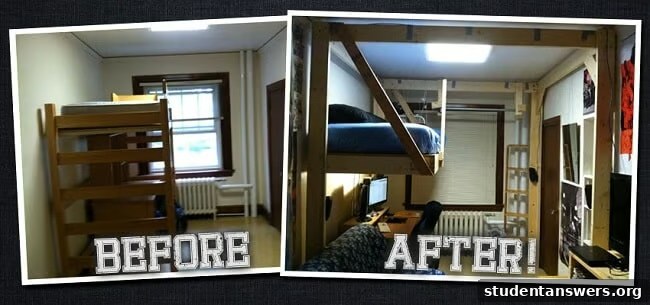
Living in a small dorm room or a compact apartment presents a universal challenge: a lack of space. Standard furniture, especially a bed, can consume the majority of your precious floor area, leaving little room for a desk, a couch, or even just space to stretch out. While a hanging desk was a previous project to save floor space, some situations, like a non-removable dorm desk, call for a more ambitious solution.
This is where a custom-built, freestanding loft bed becomes a game-changer. By elevating your sleeping area, you effectively double your usable living space. Imagine fitting a full-sized couch, a gaming setup, or a creative workspace in an area that was previously just a bed. This guide provides a detailed, step-by-step walkthrough for building a sturdy and practical hanging loft bed that requires no drilling into walls or ceilings, making it perfect for dorms and rental properties.
This project was born out of necessity. Faced with a tiny 14×7 foot dorm room and a desire for a couch—a non-negotiable upgrade from a beanbag—I had to get creative. The result is a robust wooden frame that pushes the bed’s supports against the walls, opening up the entire footprint of the bed for other uses. This design doesn’t just add space; it adds functionality, with integrated features like a pull-up bar and clever cable management routes. Ready to transform your small room? Let’s get building.
Phase 1: Planning Your Perfect Loft Bed Build
Before you even think about buying lumber, a successful build starts with meticulous planning. This project is not just about building a bed; it’s about building a piece of furniture that is perfectly tailored to your specific room. Taking the time to measure, design, and consider all the variables will save you from major headaches later on. Remember the carpenter’s golden rule: measure twice, cut once.
Take Thorough and Accurate Measurements
Your tape measure is your most critical tool at this stage. You need to understand your room’s exact dimensions to ensure your finished loft bed fits perfectly. Don’t just get a rough idea; get precise numbers for the following:
- Room Height: Measure from the floor to the ceiling. Plan for your vertical posts to be 1-2 inches shorter than this measurement to give you enough clearance to stand them up during assembly.
- Room Width: Measure the distance from wall to wall where the bed will be situated. Be extremely careful to account for baseboards, ceiling trim, or any other obstructions that stick out from the walls. These small details can prevent a perfect fit.
- Mattress Dimensions: Get the exact length and width of the mattress and its base (whether it’s a plywood sheet or a metal frame). The interior dimensions of your bed platform should match these numbers for a secure fit.
Beyond these core measurements, map out the entire room. Note the locations of windows, closets, built-in shelves, and doors. Ensure that the frame and its support braces won’t block a swinging closet door or make a bookshelf inaccessible. Visualizing the final structure in your space is key to avoiding design flaws.
Drafting Your Design and Customizations
With your measurements in hand, it’s time to sketch out your design. While this guide provides a solid blueprint, every room is different, and you can tweak the design to fit your needs. A simple sketch on paper will help you visualize the final product and create a materials list.
Here are some design elements to consider:
- Vertical Posts: The posts are the foundation of the structure. I chose to build L-shaped posts by joining a 2×6 and a 2×4. This design provides a wide, stable base and a convenient inside corner for attaching the frame beams. Alternatively, a single 4×4 post at each corner is a simpler, equally strong option.
- Stabilizing Braces: The side of the frame that doesn’t have the bed platform will need diagonal “kicker” boards to prevent swaying. These are typically cut at 45-degree angles and connect the vertical posts to the top frame beam. If you don’t have a saw that can easily make angled cuts, you can run a horizontal support beam near the bottom of the posts instead.
- The Bed Platform: Your dorm’s existing bed setup will influence this part of the design. My room came with a mattress on a large piece of plywood, so I had to build a full rectangular box with a center brace to support it. If your bed has a self-supporting metal frame, you might only need two horizontal supports to rest it on, simplifying the build.
- Cool Extras: This is your custom build, so get creative! The wooden frame is a blank canvas. I added a steel pipe between two frame beams to create a pull-up bar. You could also mount LED strip lighting, drill holes for a hanging hammock chair underneath, or add hooks for storage. Just ensure any additions are safe and secure.
Phase 2: Gathering Your Materials and Tools
Once your design is finalized, you can create a comprehensive shopping list. Walking into a hardware store with a detailed list is far more efficient than guessing what you need. The following list is based on a room approximately 8 feet wide; adjust the lengths of your lumber based on your own measurements.
Shopping List for Your Loft Bed
- Lumber (Pine is a cost-effective choice):
- Six 10-foot 2×6 boards (for vertical posts and long frame beams)
- Five 8-foot 2×6 boards (for side frame beams, bed platform, and kickers)
- Four 10-foot 2×4 boards (for L-shaped posts)
- Three 8-foot 2×4 boards (for bed support braces and potential extras)
- Hardware:
- Carriage bolts (3.5-inch length), approximately 30
- Flat washers, lock washers, and nuts to match the bolts (30 of each)
- A box of 3-inch long wood screws
- Wood glue or a strong construction adhesive
The total cost for these materials should be around $100-$150, depending on lumber prices in your area. Optional extras, like a steel pipe for a pull-up bar, will add to the cost.
Essential Tools for the Job
Having the right tools will make this project smoother, safer, and more enjoyable. If you don’t own them, see if you can borrow them from a friend or family member.
- A powerful cordless drill with a fully charged battery (and a spare!)
- Drill bit set, including bits for pre-drilling holes and driver bits for screws
- A power saw (a circular saw is versatile, while a miter saw is great for straight cuts)
- Sawhorses to elevate the wood for safe cutting and assembly
- A socket or ratchet set for tightening nuts and bolts
- A hammer for tapping carriage bolts into place
- A reliable tape measure
- A carpenter’s square or speed square for marking straight 90-degree lines
- Wood Clamps: These are non-negotiable. You will need at least four. Quick-release bar clamps are incredibly helpful for holding pieces together while you drill and secure them. They act as a much-needed third hand.

Phase 3: The Step-by-Step Construction Guide
With your materials and tools ready, it’s time to build. It’s best to assemble the entire structure at home first to ensure everything fits perfectly before transporting it to your dorm. This process, with two people, will likely take about three hours. Let’s get started.
Step 1: Build the Vertical Posts
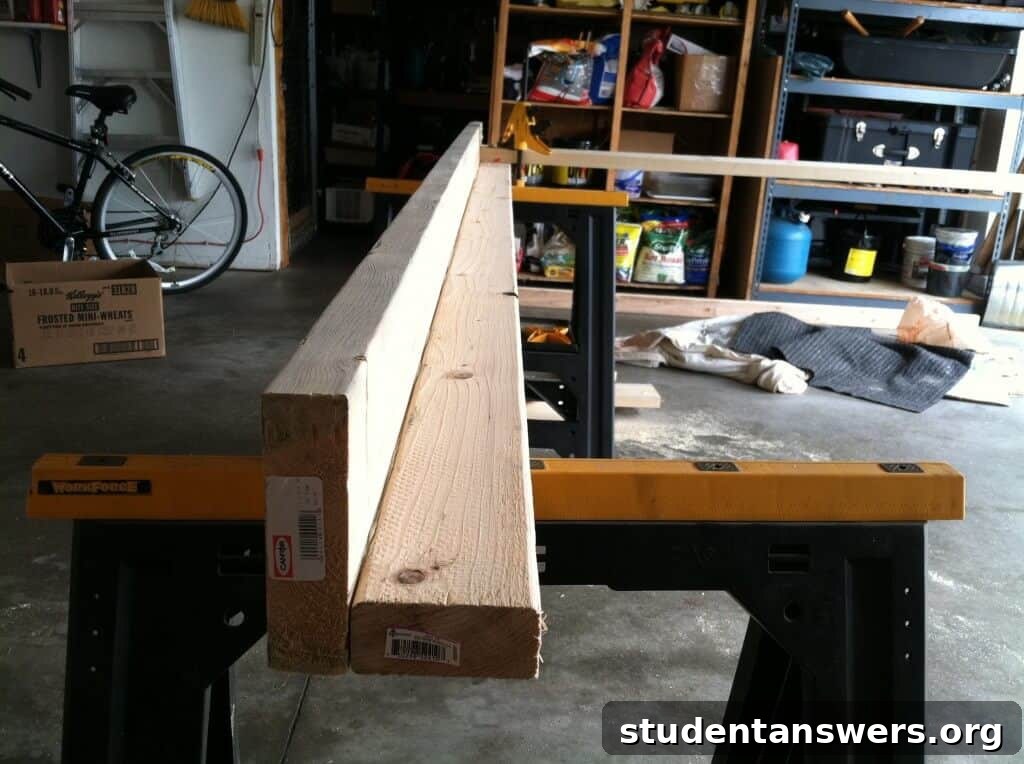
The posts are the backbone of your loft. First, cut four 2x6s and four 2x4s to your desired post height (remember, 1-2 inches less than your ceiling height). To construct one L-shaped post, lay a 2×6 flat on your sawhorses. Apply a bead of wood glue along its length. Place a 2×4 on its narrow edge on top of the glue, aligning the outer edges to form a perfect “L” shape. Use your wood clamps to press the two boards together firmly. Finally, drive several 3-inch wood screws along the length to permanently bond the pieces. Repeat this process to create all four posts.
Step 2: Assemble the Bed-Side Frame
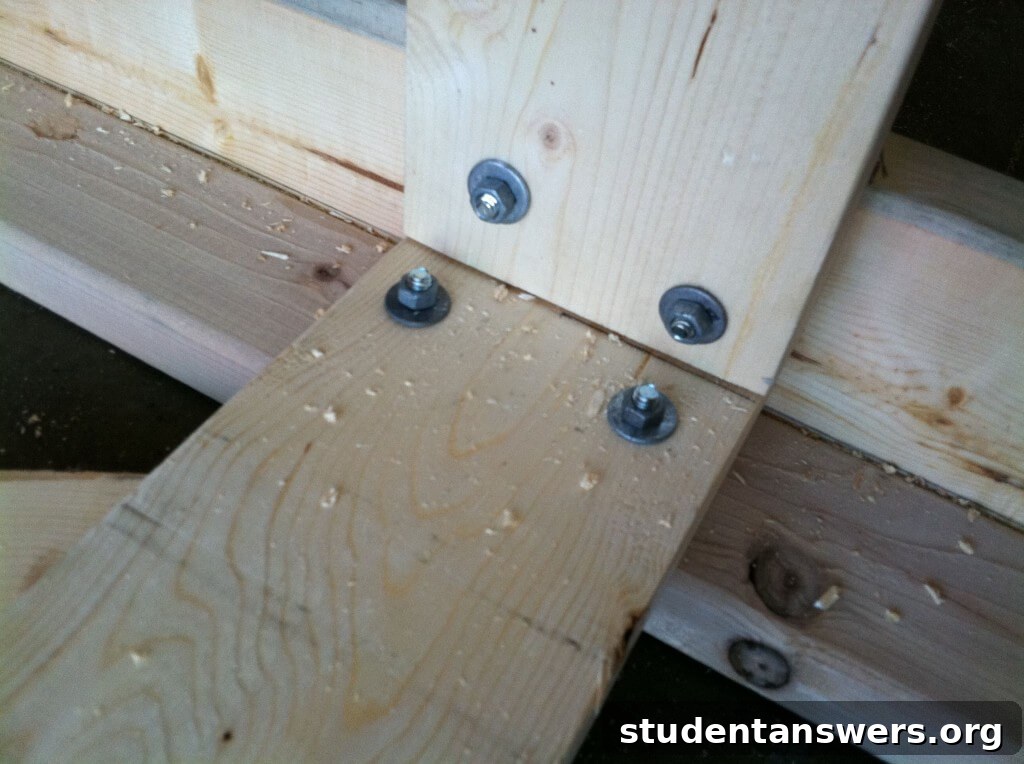
Next, you’ll connect two posts to form one side of the main frame. Cut a 2×6 board to the exact length of your mattress platform. This will be the top beam for the bed-side of the structure. Position this beam at the top of two posts, nesting it into the inside corner of the “L” shape. Clamp it securely. Drill two holes through the beam and the post, then insert two 3.5-inch carriage bolts. Use a hammer to tap the square shoulder of the bolt into the wood, which prevents it from turning as you tighten the nut. Add a flat washer and a nut, but do not use the lock washers yet. You’ll add those during the final assembly in your room. Repeat on the other end to connect the second post.
Step 3: Build the Mattress Platform
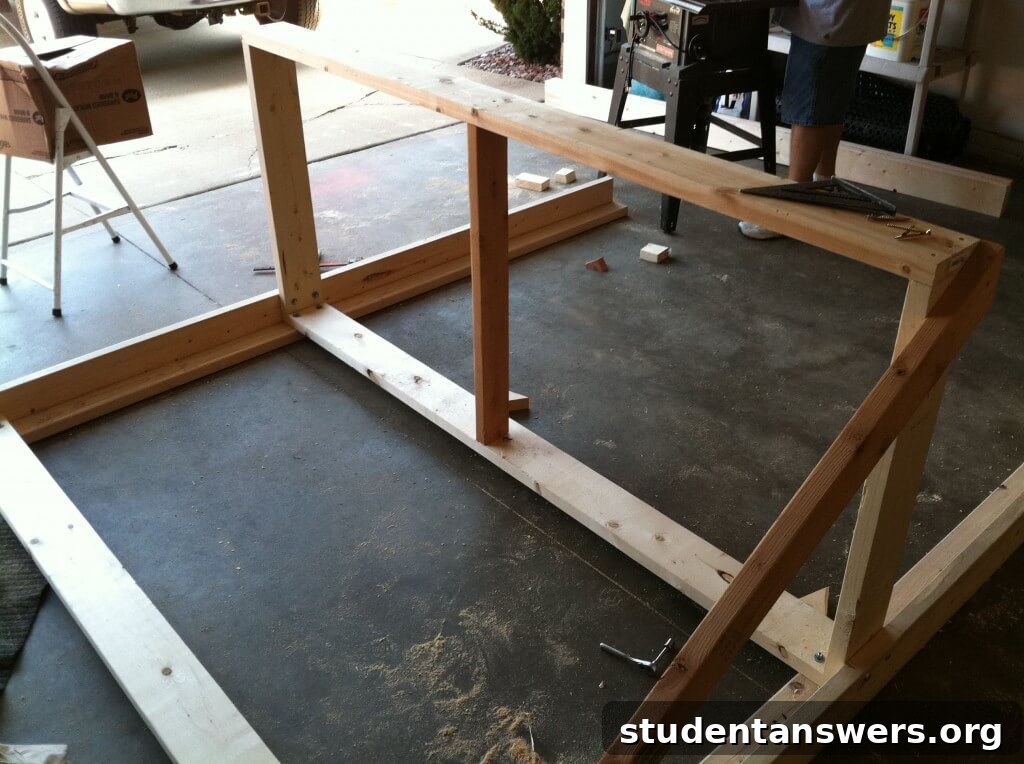
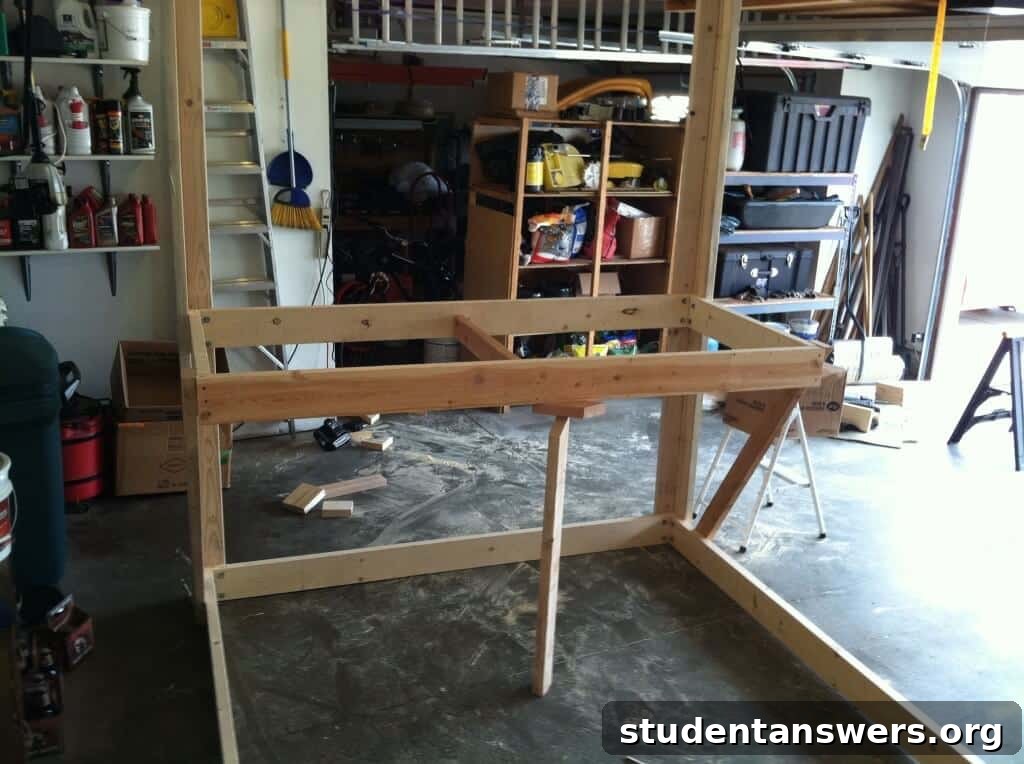
Now, build the box that will hold your mattress. Attach another bed-length 2×6 board to the same two posts, parallel to the top beam but at the height you want your bed to be. Next, cut two smaller 2×6 pieces to match the width of your mattress. Attach these perpendicularly between the two long boards to form a rectangle. I used wood screws for this part to make disassembly easier. Finally, add a 2×4 brace across the middle of the rectangle for extra support.
Step 4: Attach the Long Frame Beams and Bed Supports
Measure and cut your two longest 2×6 boards to span the width of your room. Remember to subtract the thickness of the posts on both sides (typically 6 inches total) from your overall room width measurement. Attach these long beams to the inside of the posts you’ve already assembled, using the same clamping, drilling, and bolting method. Now, you need to add supports for the mattress platform. Cut two 2x4s to run diagonally from the top frame down to the outer edge of the mattress platform. These braces will bear most of the weight. For a simpler approach, you can run these supports vertically. Bolt them securely at both ends.
Step 5: Assemble the Final Side and Connect Everything
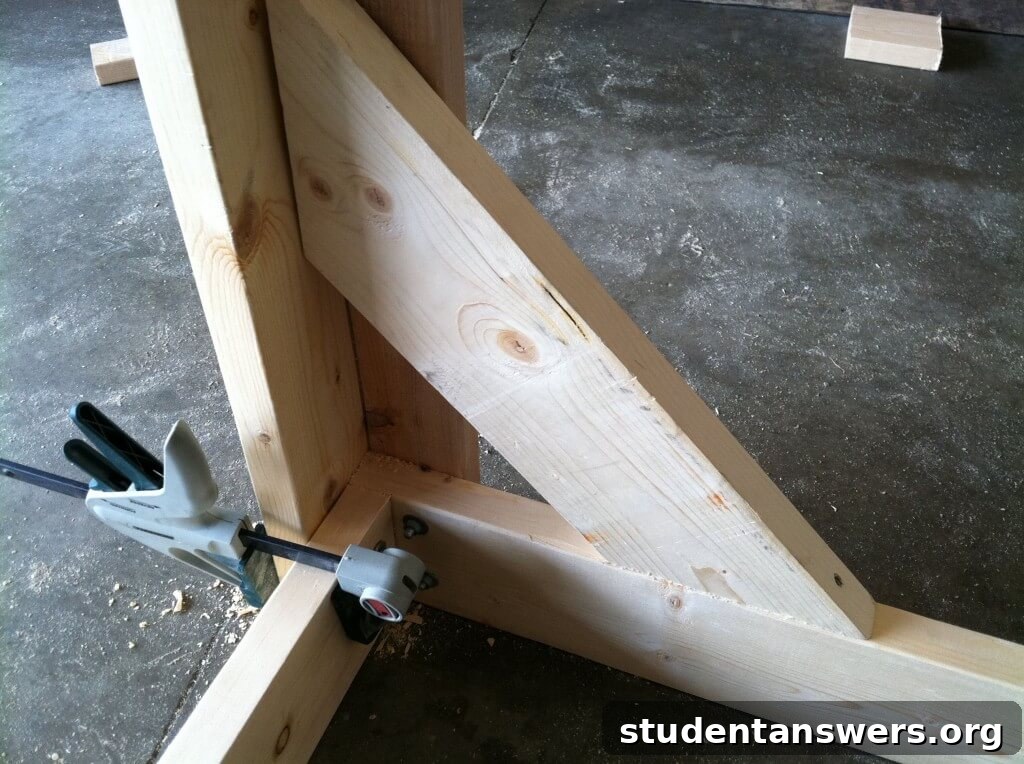
The final construction step is to build the second side frame. This is simpler as it doesn’t have a bed platform. Bolt your final bed-length 2×6 board to the top of the remaining two posts. Because this side lacks the rigidity of the bed platform, you must add diagonal kicker boards for stability. Cut two small pieces of 2×6 with 45-degree angles on each end. Screw these into the corner where the post and top beam meet. Now, attach this completed side frame to the long beams of the main structure. Congratulations, the loft bed is fully built!
Phase 4: The Final Move: Transport and Reassembly
Your bed is built, but it’s likely in your garage or backyard. The final phase is getting it into your room and setting it up for good.
Label Every Single Piece
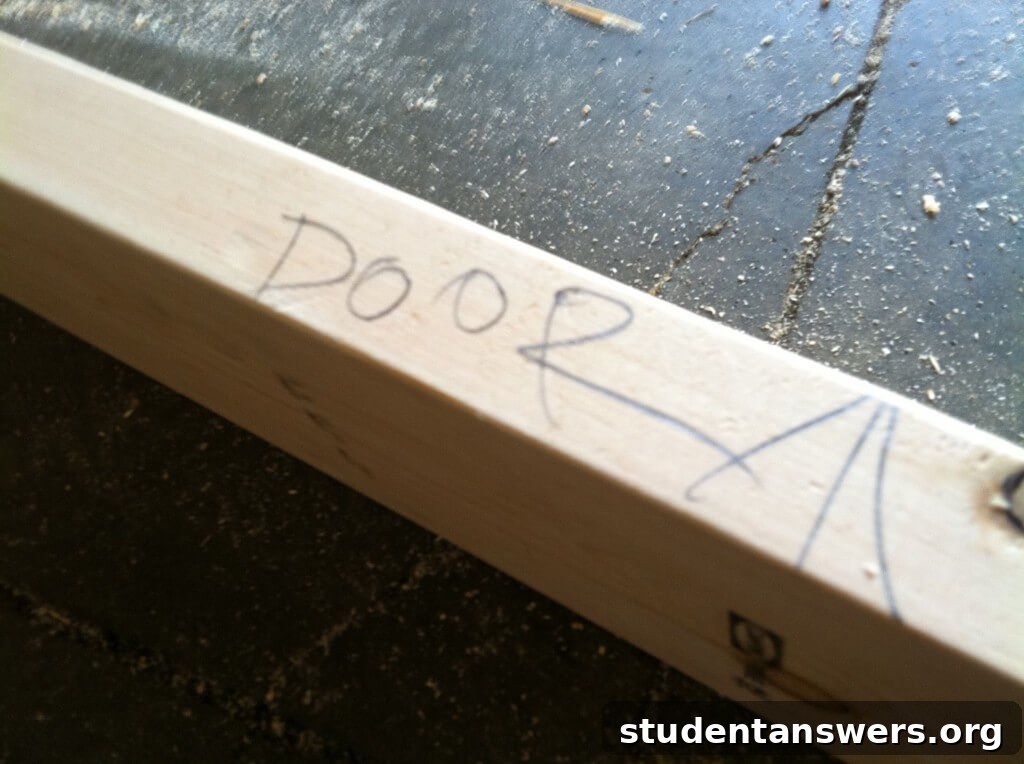
Before you take out a single bolt, you must label everything. No matter how precise you were, slight variations in hole alignment mean the pieces will only fit back together one way. Use a pencil to mark each connection. For example, label a corner “A” on both the post and the beam. This simple step will save you from immense frustration during reassembly.
Tips for a Smooth Move-In Day
Reassembling in a tight dorm room can be tricky. Here’s a checklist to make it go smoothly:
- Bring a Tool Kit: Pack your power drill, spare battery, driver bits, ratchet set, and a hammer. A small handsaw might be useful for any last-minute adjustments.
- Don’t Forget the Hardware: Double-check that you have all your nuts, bolts, and washers in a sealed bag. It’s devastating to realize you’ve left them at home.
- Recruit a Friend: This is a two-person job. Lifting and holding the large frame pieces in place is nearly impossible alone.
- Use a Step Stool: Trying to balance on a rolling desk chair is a recipe for disaster. A stable step stool is essential for safely working on the top frame.
- Install Lock Washers: This is the final assembly, so now is the time to use the lock washers. Place them on the bolt between the flat washer and the nut to prevent the nut from loosening over time.
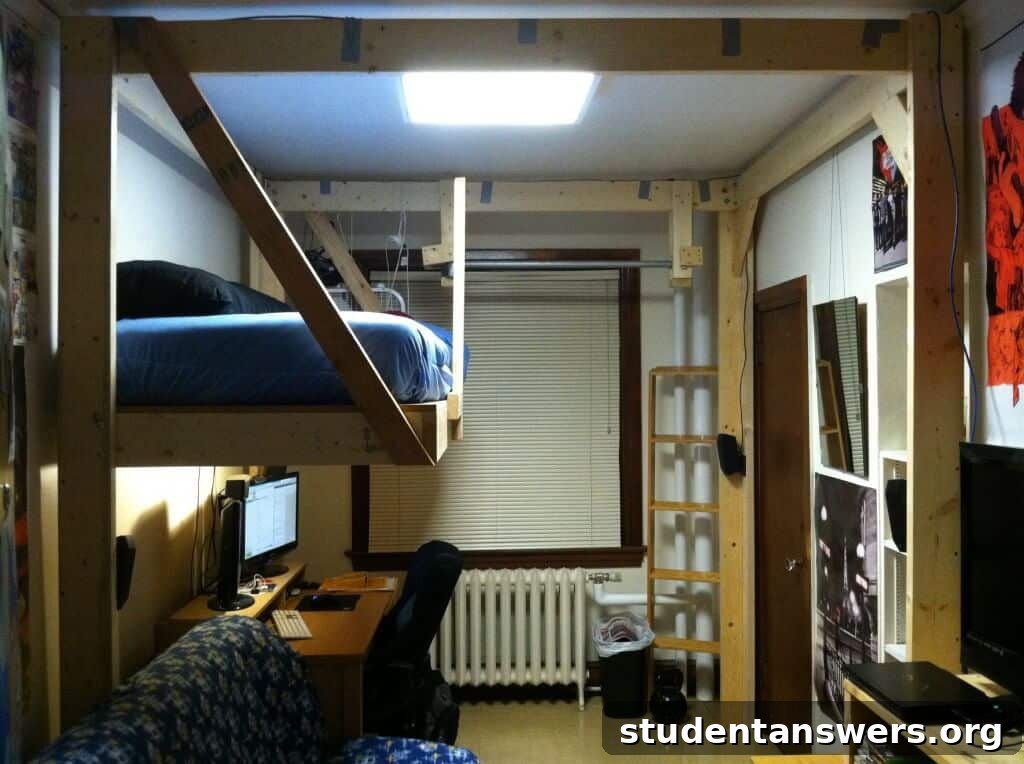
With your loft bed fully assembled in its new home, the final step is to enjoy your creation. Slide your desk and a couch underneath, add your mattress on top, and appreciate all the new space you’ve unlocked. This project is more than just a piece of furniture; it’s a testament to your creativity and a practical solution that will dramatically improve your living space.