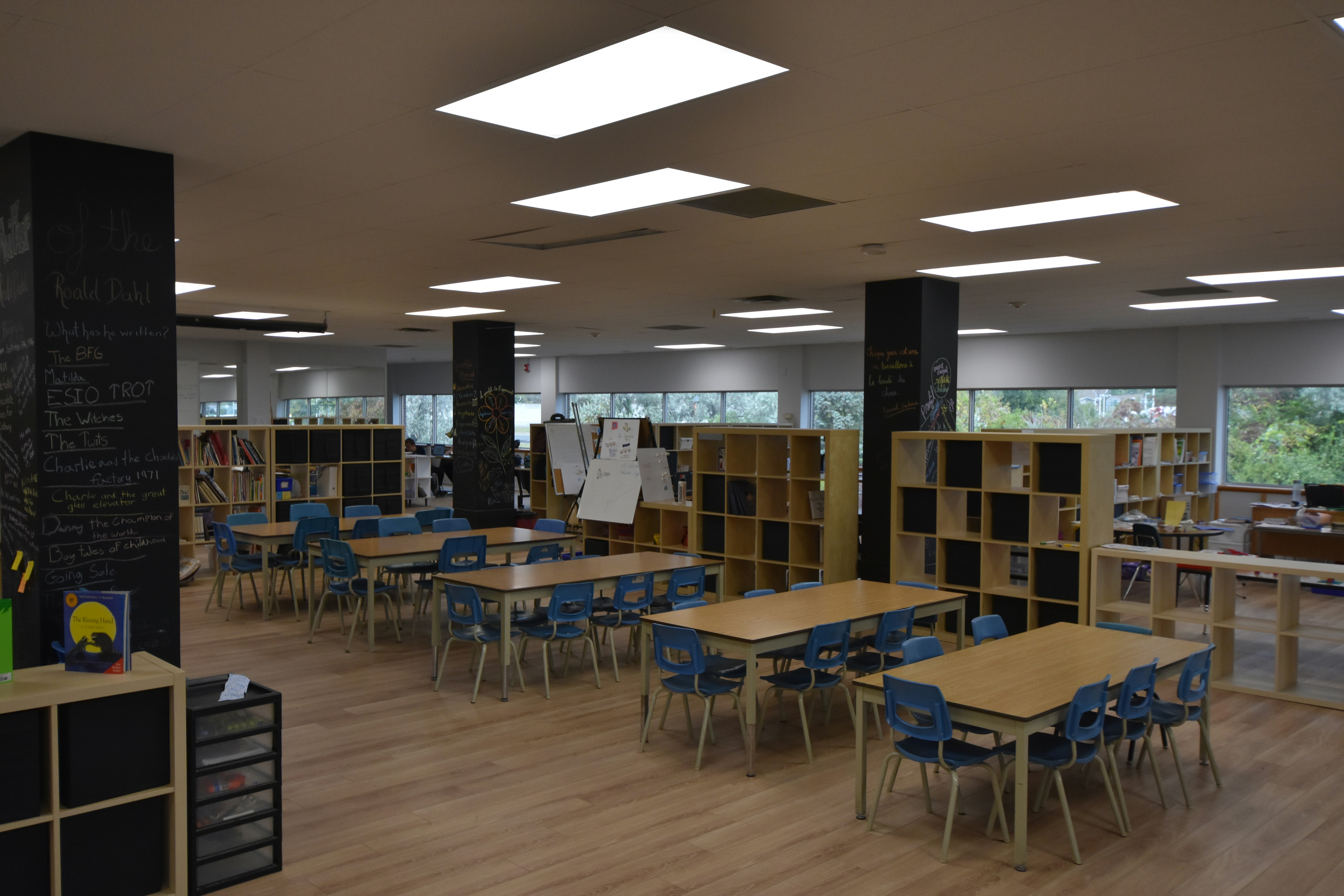
Evaluating Online Education in Illinois: Key Considerations and Pathways
Introduction to Online Education in Illinois
In recent years, online education in Illinois has gained considerable traction, becoming an essential component of the educational landscape. The rapid transition to remote learning prompted by global events, such as the COVID-19 pandemic, has accelerated the adoption of digital platforms for both K-12 and higher education. This shift signifies a broader acceptance of online learning methodologies and necessitates a close examination of their effectiveness in comparison to traditional education modes.
Evaluating online education in Illinois requires understanding the distinctions between various platforms, teaching approaches, and certification standards. Many Illinois educational institutions have developed robust online programs that incorporate innovative teaching strategies aimed at enhancing student engagement and academic performance. This adaptability speaks to the necessity for educators and stakeholders to critically analyze these offerings, ensuring they meet the needs of diverse learners.
As online education continues to evolve, various graduation pathways are emerging. Illinois students can now benefit from traditional diplomas, dual enrollment options, and early college programs that accelerate post-secondary education, offering flexibility and accessibility. Furthermore, comprehensive career and college counseling services play a crucial role in guiding students through the planning and application processes required to make informed educational choices.
In this context, understanding how to effectively assess online educational opportunities will empower students and families to make informed decisions. This blog post aims to delve deeper into the key considerations and pathways associated with online education in Illinois, providing insights that are relevant for both learners and educators alike.
Understanding Different Online Learning Platforms
As the demand for flexible learning options grows, understanding different online learning platforms is crucial when evaluating online education in Illinois. Primarily, these platforms can be categorized into MOOCs (Massive Open Online Courses), virtual schools, and university-sponsored online programs. Each of these platforms varies significantly in terms of structure, accessibility, and educational delivery methods.
MOOCs have gained popularity among learners seeking open-access courses from esteemed institutions worldwide. They offer a diverse array of subjects and generally permit anyone to enroll without prerequisites. However, while many MOOCs are free or low-cost, they often lack formal accreditation, which can be a limiting factor for students aiming for degrees that necessitate recognized certifications.
On the other hand, virtual schools present a more structured online education environment. These schools replicate the traditional classroom experience through online learning by utilizing synchronous and asynchronous methods. Students enrolled in virtual schools typically receive personalized attention and an accredited curriculum that can lead to an official high school diploma. However, the rigid schedule and requirement for student attendance can be challenging for those desiring flexible learning.
University-sponsored online programs offer another avenue. These platforms provide degree programs fully online, enabling students to earn accredited higher education credentials while accommodating various schedules. The key advantage lies in their recognition and quality assurance; however, these programs may have higher tuition fees compared to other online learning methods.
When evaluating online education in Illinois, it is essential to weigh the unique features, advantages, and disadvantages of these platforms. Such discernment will enable prospective students to make informed decisions regarding their education pathways, whether through traditional diplomas, dual enrollment options, or early college programs.
Teaching Approaches in Online Education
Online education encompasses a variety of teaching approaches designed to meet the diverse needs of students. To effectively evaluate online education in Illinois, one must consider factors such as the method of instruction employed, the level of student engagement, and the overall efficacy of learning outcomes. Two primary categories of teaching methods in online environments are synchronous and asynchronous learning.
Synchronous learning occurs when students and instructors engage in real-time interactions, facilitated through video conferencing or live chat platforms. This approach allows for immediate feedback and fosters a sense of community among participants, which can be crucial for student motivation and retention. Conversely, asynchronous learning offers flexibility as students can access materials and participate in discussions at their convenience. This autonomy can be particularly beneficial for those balancing work or family obligations, contributing to a more personalized learning experience.
Another noteworthy approach is blended learning, which combines elements of traditional face-to-face instruction with online components. This hybrid method not only utilizes the benefits of technology but also encourages collaboration among peers. The integration of interactive multimedia tools into both synchronous and asynchronous formats can significantly enhance instructional quality. These tools often include videos, simulations, and gamified content, which promote active engagement and cater to various learning styles.
Evaluating online education in Illinois requires understanding these distinctions in teaching approaches, as they play a critical role in student engagement and learning outcomes. Ultimately, the right combination of methodologies can help facilitate a more effective educational experience, paving the way for graduation pathways that are tailored to the individual needs of learners.
Certification Standards and Requirements
Evaluating online education in Illinois involves a comprehensive understanding of the certification standards and requirements that govern these programs. The state of Illinois is committed to ensuring that all educational institutions, including those providing online education, adhere to rigorous educational standards. This commitment is reflected in the regulations set forth by the Illinois State Board of Education (ISBE) and other accrediting bodies.
To obtain state certification, online programs must meet specific criteria that include curriculum quality, faculty qualifications, and student support services. Each program’s accreditation status is critical, as only those accredited by recognized accrediting agencies are considered valid educational pathways. Accreditation ensures that the program meets the quality and educational standards necessary for proper student preparation, which is especially important for those seeking career advancement or post-secondary education opportunities.
At the national level, the U.S. Department of Education also plays a pivotal role in the accreditation of online education programs. Institutions seeking federal financial aid for their students must hold accreditation from an agency recognized by the Department. This requirement reinforces the importance of accreditation when evaluating online education offerings, as it guarantees that students will receive a degree or credential that is respected and recognized in the job market.
When assessing online education options, prospective students should thoroughly research the accreditation status of their chosen program, understand the associated certification requirements, and ensure they align with their career goals. Moreover, aspiring students should utilize available career and college counseling services to navigate the complexities of program selection and certification standards. These services can provide invaluable guidance in selecting programs that will meet both educational and career objectives.
Graduation Pathways in Online Education
Evaluating online education in Illinois reveals a variety of graduation pathways that highlight the flexibility and accessibility of contemporary learning options. One of the primary routes available is the traditional diploma program, which adheres to the state’s educational standards while providing students with the opportunity to complete their studies from home or any location equipped with internet access. This pathway is designed to ensure that students receive a comprehensive education similar to that offered in a conventional classroom setting.
Another significant pathway is the dual enrollment program, which allows high school students to take college-level courses while still fulfilling their secondary education requirements. This pathway not only accelerates students’ transition to post-secondary education but also offers them a chance to earn college credits in advance, thereby reducing the time and cost associated with higher education. Participating in dual enrollment can also be beneficial in enhancing a student’s college application, demonstrating academic rigor and the capacity for advanced coursework.
Moreover, early college programs represent another graduate option within online education frameworks. These initiatives are specifically designed for motivated students to get a head start on their college education, often enabling them to earn both their high school diploma and an associate degree simultaneously. Students participating in these programs are typically provided with rigorous coursework and support mechanisms that enhance their academic experience and readiness for college.
In Illinois, career and college counseling services play an integral role in guiding students through these various pathways. By offering personalized advice and resources, counselors help students navigate the planning and application processes effectively, ensuring they can maximize their potential through online education opportunities. Each pathway presents unique advantages aimed at preparing students for successful futures.
Advantages of Dual Enrollment and Early College Programs
Dual enrollment and early college programs present numerous advantages for high school students in Illinois. These programs enable students to take college-level courses while still completing their high school education. One of the primary benefits is the opportunity to earn college credits before graduation, which can significantly reduce both the time and cost associated with a college degree. By accumulating these credits early, students can potentially graduate from college earlier, saving on tuition fees and related expenses.
Moreover, engaging in dual enrollment allows high school students to experience college-level coursework and expectations firsthand. This exposure not only enhances their academic readiness but also helps develop essential skills such as time management, critical thinking, and independent learning. These skills are vital in ensuring a smooth transition to higher education, and ultimately, in their future careers. Early college programs often align with career and college counseling services that guide students in their academic journey, ensuring that they can make informed decisions about their future.
Success stories abound regarding students who have taken advantage of dual enrollment programs. For instance, a student from a suburban high school graduated with a diploma and 30 college credits. This student reported feeling more prepared for the rigors of college coursework, benefiting from a head start on their educational goals. Evaluating online education in Illinois requires an understanding of how such programs integrate into the broader landscape of educational pathways. In addition to traditional diplomas, these options encourage advanced learning techniques and foster a proactive approach to higher education.
Career and College Counseling Services
Career and college counseling services play a crucial role in online education frameworks, particularly in Illinois, where many students are increasingly opting for digital learning environments. These services are designed to assist students in navigating their academic pathways effectively, ensuring that they are well-informed about their options and equipped to make decisions that will shape their future.
One of the significant aspects of evaluating online education in Illinois is understanding how these counseling services help students select appropriate courses that align with their career aspirations and academic interests. Counselors provide personalized advice tailored to individual student needs, guiding them through various course options, including dual enrollment programs that allow them to earn college credits while still in high school.
Additionally, career and college counseling services assist students in preparing for the applications process, whether they are looking to apply for colleges, scholarships, or specific academic programs. Counselors work one-on-one with students to refine application essays, gather necessary documents, and submit timely applications. The guidance offered is essential for students pursuing graduation pathways that include traditional diplomas or early college programs, as it prepares them for the competitive nature of college admissions.
Moreover, counselors also provide insights into the various career options available after graduation, helping students comprehend their potential pathways in higher education and professional settings. This support is particularly important in an ever-evolving job market, where understanding certification standards can directly influence a student’s employment prospects.
In essence, career and college counseling services serve as a pivotal resource within the online education landscape in Illinois, ensuring that students have the knowledge and support necessary to succeed academically and professionally.
Evaluating Online Education Effectiveness
Evaluating online education in Illinois requires understanding the distinctions between various platforms, including asynchronous and synchronous learning models. To gauge the effectiveness of these programs, one must look into several critical metrics.
First and foremost, student satisfaction serves as a key indicator of an online education’s effectiveness. Surveys can capture students’ perceptions of their learning experiences, including the quality of materials, engagement levels, and support received from educators. High satisfaction rates typically correlate with positive learning outcomes.
Retention rates are another essential metric. They indicate the percentage of students who continue their studies until completion, providing insights into the program’s ability to maintain engagement and commitment. Programs that demonstrate high retention rates often employ effective instructional strategies and support systems that resonate with student needs.
Academic performance is perhaps the most quantifiable measure of effectiveness. This can be assessed through grades, standardized test scores, and overall achievement levels compared to traditional educational settings. Monitoring these metrics allows institutions to identify strengths and weaknesses within their curriculum and instructional methods.
Furthermore, career and college counseling services play a significant role in enhancing the efficacy of online education. These services guide students through planning and application processes for further education or career paths, ensuring that they can leverage their online learning experiences effectively.
When evaluating online education in Illinois, it is imperative to consider these factors collectively. By examining student satisfaction, retention rates, and academic performance, stakeholders can make informed evaluations of the online education effectiveness, ultimately guiding improvements in educational delivery.
Conclusion and Future of Online Education in Illinois
As we have explored throughout this article, evaluating online education in Illinois involves a nuanced understanding of various platforms, teaching methodologies, and certification standards. The dynamic nature of online education, alongside the diverse graduation pathways available—including traditional diplomas, dual enrollment options, and early college programs—enables a tailored educational experience. These pathways not only accelerate post-secondary education but also provide students with unique opportunities to advance their academic careers.
It is essential for students and residents to engage in career and college counseling services, which play a crucial role in guiding individuals through their educational journeys. These services help students assess their interests and aspirations, ensuring they make informed choices regarding their academic futures. Through well-structured advisory programs, students can navigate the complexities of the application processes, choosing pathways that align with their goals.
Looking forward, the landscape of online education in Illinois is poised for continued evolution. With advancements in technology and increasing demand for flexible learning options, institutions will likely enhance their online offerings to meet the changing needs of learners. This shift underscores the importance of continually evaluating online education in Illinois, as stakeholders must remain updated on emerging trends and innovations. Furthermore, as education technology continues to evolve, there is potential for even more personalized learning experiences that cater to diverse student populations.
In conclusion, the future of online education in Illinois is bright, presenting numerous opportunities for students eager to advance their education. As the educational landscape shifts, staying informed and proactive in educational choices will be paramount for students and families alike. Emphasizing continual evaluation and adaptation will ensure that individuals can harness the advantages of online education in a competitive academic environment.
This content has been prepared by the Studentanswers editorial team for educational and informational purposes only. We recommend consulting a qualified professional before making any personal decisions.