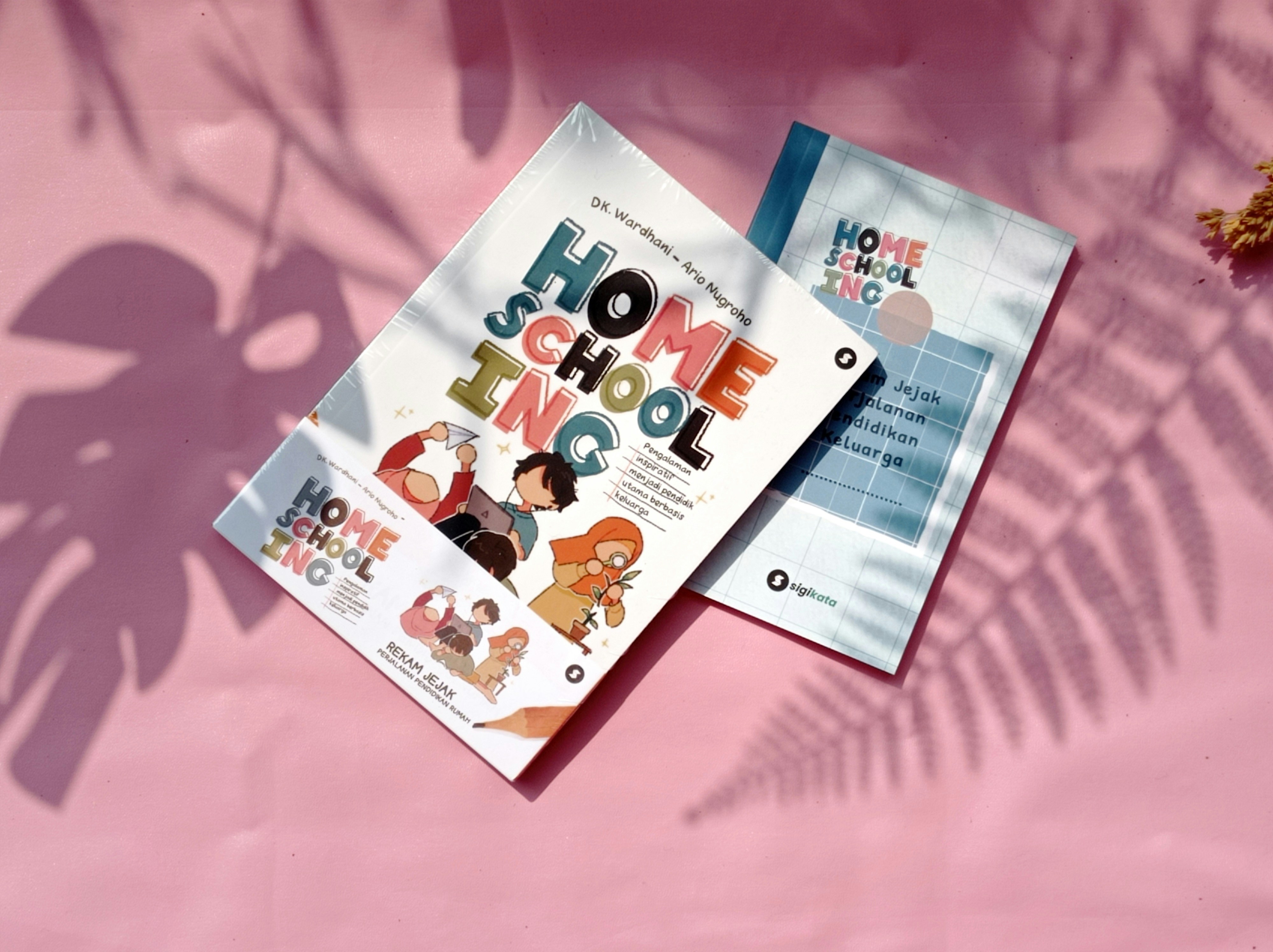
Exploring Online School Alternatives: Understanding Home School Online Programs
Introduction to Online School Alternatives
In recent years, the concept of online school alternatives has gained significant momentum, particularly in the form of home school online programs. These programs provide an innovative educational approach that appeals to families seeking flexible and personalized options for their children’s education. The rise of technology and the increased accessibility of internet resources have contributed to the growing popularity of this alternative educational method.
The traditional classroom setting is not suitable for every child, prompting many parents to consider alternatives that cater to individual learning styles and paces. Home school online programs enable families to tailor educational experiences specific to their child’s needs, allowing for personalized pacing and focused attention on subjects that may require additional time. This flexibility often leads to a more engaged learning environment, fostering a love for learning that can sometimes be lost in conventional schooling.
Furthermore, the current global climate has accelerated the shift towards online education. With schools facing closures due to various circumstances, parents are increasingly exploring home school online programs as a viable solution to ensure uninterrupted education. These programs often include a structured curriculum, access to resources, and opportunities for interaction with educators and peers, allowing families to navigate the complexities of online schooling with relative ease.
The idea of home school online programs isn’t just about education; it encompasses various educational articles that delve into requirements, qualifications, and accreditation information for those looking to embark on this journey. As families explore options, understanding the nuts and bolts of these educational alternatives becomes essential for making informed decisions. Home school online programs serve as a testament to the changing landscape of education, reflecting families’ desires for options that work within their lifestyles.
Types of Home School Online Programs
When considering home school online programs, it is essential to understand the various options available, each catering to different educational needs and preferences. The primary types of online home school programs include virtual schools, homeschooling curricula, and hybrid models. Each of these offers unique characteristics and benefits that can assist parents in choosing the most suitable approach for their child’s education.
Virtual schools operate similarly to traditional schools but with an entirely online format. These are often structured educational environments where students are enrolled full-time. Instruction is delivered through live classes, recorded lessons, and interactive assignments. One significant advantage of virtual schools is that they provide a comprehensive curriculum, including a variety of subjects and extracurricular activities, which can offer a more well-rounded educational experience. Moreover, they ensure accountability through certified teachers who are available to provide support and feedback.
In contrast, homeschooling curricula offer parents the freedom to select materials and resources that align with their educational philosophies. This model allows for a personalized approach, enabling parents to tailor lessons to fit their child’s learning style and pace. Many homeschooling curricula come with flexible scheduling and resources such as textbooks, online materials, and support networks. This option suits families looking for a customized education at home, providing freedom in both content and assessment methods.
Hybrid models represent a blend of traditional education and homeschooling. Students in these programs may attend part of their lessons online while engaging in community or in-person learning environments. This model can be especially beneficial for families seeking a balance between the social interaction and support of a school setting and the personalized pace of homeschooling. With various choices available, families can explore these types of home school online programs to determine the best fit for their unique needs.
Legal Requirements for Home Schooling
When considering home school online programs as an alternative educational path, it is crucial to understand the legal requirements that vary significantly across different states or regions. Each state has its own framework regulating home education, with specific stipulations regarding registration, documentation, and curriculum standards.
To begin with, many states require parents or guardians who choose to homeschool to formally register their intent with state education authorities. This process typically involves submitting an application or notification, along with providing details such as the name of the child being homeschooled, the planned curriculum, and sometimes even a statement of educational philosophy. Some jurisdictions may also mandate periodic progress reports or assessments that demonstrate the student’s academic achievements.
Additionally, the necessary documentation required for homeschooling can include a portfolio of the child’s work, standardized test scores, or other evidence illustrating the effectiveness of the home education program. This documentation ensures not only compliance with state regulations but also aids in tracking the student’s progress over time.
Moreover, mandatory subjects can differ from one state to another, with some requiring a broad curriculum that covers essential areas such as mathematics, science, language arts, and social studies. States like California and Texas have flexible options, whereas others may have stricter guidelines on the subjects to be taught and provide a more structured approach.
Testing is another critical aspect of compliance; certain states mandate standardized tests to assess students’ learning outcomes. Familiarizing oneself with the specific requirements and qualifications, along with accreditation information, is essential for parents looking to utilize home school online programs effectively.
By understanding the legal obligations related to home education, families can ensure they are meeting their state’s regulations while providing a rich educational experience outside traditional school environments.
Qualifications for Home Schooling Parents
Parents considering home school online programs must understand the qualifications and skills necessary for effectively educating their children. While formal educational credentials may vary by state or country, parents typically should have a foundational understanding of the subjects they intend to teach. This requirement is essential since the parental role diverges significantly from traditional classroom instruction to a more involved, personalized educational approach.
Engagement is another critical aspect of successful home schooling. Parents must be committed to their children’s education, which involves not only teaching academic content but also facilitating their educational growth and emotional well-being. This necessitates actively participating in their children’s learning experiences, creating lesson plans, and assessing progress, all of which require substantial time and dedication. Moreover, effective home school online programs often encourage parents to pursue professional development opportunities to enhance their teaching skills and stay updated with the latest educational practices.
In many jurisdictions, there are specific legal requirements that parents must fulfill to be eligible to homeschool. These can include submitting an intended homeschooling plan, providing evidence of educational background, or participating in periodic assessments. Families should thoroughly research the legal framework relevant to their location to ensure compliance and avoid any potential issues. Accreditation may also be necessary for certain home school programs, ensuring they align with recognized educational standards. Parents must be proactive in understanding these requirements and how they may impact their eligibility as homeschooling educators.
Lastly, ongoing learning is crucial not only for the children but also for the parents themselves. Engaging with educational articles and resources, attending workshops, and joining home schooling communities are practical ways for parents to become more effective educators. By understanding the dynamics and responsibilities involved in home schooling, parents can better navigate this rewarding yet challenging educational alternative.
Accreditation of Online School Programs
Accreditation is a critical process that ensures schools and educational programs meet established standards of quality and effectiveness. In the context of home school online programs, accreditation serves as a validation of the curriculum, faculty qualifications, and overall educational methodologies employed by these institutions. This designation not only signifies that a program adheres to specific educational standards but also plays a vital role in the recognition of the education received by students, impacting their future opportunities.
The significance of enrolling in accredited online school programs cannot be overstated. Attending an accredited school guarantees that students receive a quality education that is recognized by colleges, universities, and employers. In many cases, colleges and universities require applicants to have graduated from accredited programs, thereby making it a prerequisite for further education. Additionally, employers often prioritize candidates who have degrees from accredited institutions when hiring, as they associate such qualifications with a minimum standard of academic rigor and competency.
Various accrediting bodies, both national and regional, provide oversight for online educational programs. Each accrediting body evaluates schools based on specific criteria, including curriculum quality, student performance, and institutional resources. Therefore, it is crucial for families considering online alternatives to understand the accreditation status of a program prior to enrollment. This not only aids in the selection of an institution that aligns with one’s educational goals but also ensures compliance with relevant state educational regulations and requirements.
In summary, understanding accreditation is essential for any family exploring home school online programs. It fosters confidence in the education provided and paves the way for students’ future academic and professional pursuits. By ensuring that a chosen online school is accredited, parents can secure a solid foundation for their children’s educational and career aspirations.
Evaluating Online School Programs
When considering home school online programs, prospective families must evaluate a variety of factors to ensure that the selected program aligns with their educational goals and the needs of their children. A foundational aspect of any online school alternative lies in the quality of the curriculum offered. It is important to review whether the curriculum is comprehensive, engaging, and designed to meet educational standards. Parents should seek programs that provide a well-rounded curriculum that includes core subjects such as mathematics, science, language arts, and social studies, along with extracurricular options to foster creativity and critical thinking.
Another critical component to consider is the qualifications of the teaching staff. It is advisable to investigate the experience and credentials of the educators who will be guiding students in these online home school programs. Qualified instructors should possess not only subject matter expertise but also training and experience in online instructional strategies to effectively facilitate learning within a digital environment.
Furthermore, assessing the student support services that an online school offers can greatly influence the overall learning experience. Robust support systems, including academic advising, tutoring, and access to educational resources, are essential for addressing individual student needs. Families should also look for programs that provide forums or platforms for peer interaction, as socialization is key in a homeschooling context.
Finally, gathering insights from reviews and testimonials from other homeschool families can provide valuable information regarding the effectiveness of specific online programs. Educational articles and various online resources can highlight experiences from current and past users, offering a comprehensive understanding of what to expect. By thoroughly evaluating these aspects, families can confidently select the online school program that best suits their educational aspirations.
Financial Considerations for Home School Online Programs
When considering home school online programs, it is essential to examine the financial implications that come with such educational alternatives. These programs can range from fully accredited institutions that charge tuition fees to free online resources provided by state education departments. Understanding the costs associated with online homeschooling is crucial for families looking for affordable options.
Tuition costs for online homeschooling programs can vary significantly. Some programs may require a fixed annual fee, while others might charge per course or offer a subscription model. It is vital to compare the pricing structures of different programs and assess what is included in the tuition. For instance, some may provide extensive support services, while others may not. In addition to tuition, families should also budget for educational materials and resources, which can include textbooks, software, and supplies necessary for a complete learning experience.
In terms of financial assistance, many states offer funding opportunities for home school online programs. For instance, certain states provide Educational Savings Accounts (ESAs) or scholarships specifically designated for families choosing this educational route. Parents should research their state’s regulations and available funding options to make the most of these resources. Additionally, there are various online platforms and educational blogs that discuss scholarships related to homeschooling, which can be valuable for families seeking financial aid.
Ultimately, careful budgeting and understanding both direct and indirect costs involved in home school online programs can significantly ease the financial burden. While some programs require significant investment, exploring state funding options, scholarships, and free online resources can help families navigate these educational alternatives more efficiently.
Benefits of Home School Online Programs
Home school online programs offer a wide array of benefits, making them an increasingly popular choice among parents and guardians seeking alternative educational options for their children. One significant advantage is the ability for students to learn at their own pace. This personalized learning approach allows learners to spend more time on subjects they find challenging and advance more quickly through ones they master easily. Such flexibility caters to the individual needs of each student, promoting a deeper understanding of the material and fostering a love for learning.
Additionally, these programs provide a customized curriculum tailored to fit the interests and learning styles of students. This personalized educational experience encourages students to engage more fully with the subjects they study, as parents can select courses that align closely with their child’s passions and academic goals. Such tailored learning paths not only enhance comprehension but also make education more enjoyable, furthering the commitment to lifelong learning.
Another benefit worth noting is the development of independence that children gain when participating in home school online programs. Children are often encouraged to take ownership of their educational journeys, fostering important skills such as time management, personal responsibility, and self-motivation. These skills are crucial for success not only in future academic endeavors but also in various aspects of life.
Furthermore, home schooling can enhance family relationships through shared learning experiences. Parents have the opportunity to engage in their child’s educational process, creating an environment of collaboration and support. This quality time spent together while learning can strengthen family bonds, allowing for meaningful discussions and shared goals. Overall, home school online programs provide a versatile and enriching educational alternative, catering to the unique needs of each child while promoting a strong familial support system.
Challenges and Solutions in Online Home Schooling
Navigating home school online programs can present several challenges for families, particularly as they adjust to this educational model. One of the primary concerns is effective time management. Parents often struggle to balance their own work obligations while ensuring their children remain on task with their studies. A practical solution is to create a structured schedule that allocates specific hours for learning, hobbies, and family time. By implementing a consistent daily routine, families can improve productivity and foster a conducive learning environment.
Another significant challenge faced by families is socialization. Homeschooled children may miss out on the everyday interaction with peers found in traditional school settings, which can affect their social skills. To counteract this, families can seek out local homeschooling groups or participate in community activities such as sports, clubs, or art classes. These opportunities not only facilitate socialization but also enhance the overall educational experience by allowing children to engage with others sharing similar interests.
Maintaining motivation is also a common hurdle in online home schooling. Without the traditional classroom structure, students may find it challenging to stay focused on their studies. One effective solution is to incorporate varied learning materials and methods, such as interactive online resources or hands-on projects, to keep lessons engaging. Furthermore, setting achievable short-term goals can help sustain motivation, offering students a sense of accomplishment that can be rewarding.
In conclusion, while challenges such as time management, socialization, and motivation are inherent within home school online programs, employing these practical solutions can aid families in navigating the complexities of this educational approach successfully. By fostering discipline and encouraging social interactions, families can enhance the home schooling experience and ensure their children thrive in this learning environment.
This content has been prepared by the Studentanswers editorial team for educational and informational purposes only. We recommend consulting a qualified professional before making any personal decisions.