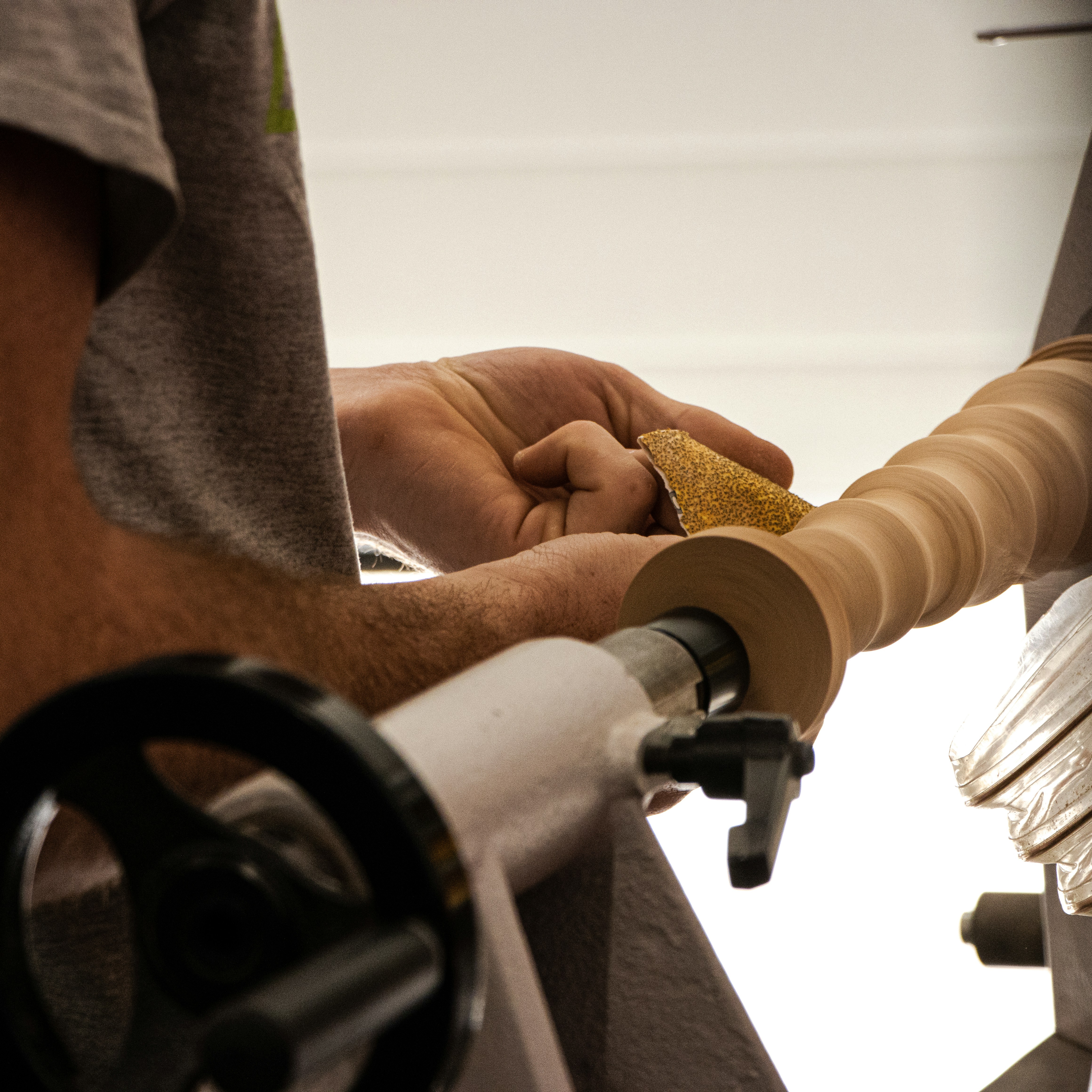
Exploring the Rarest Major: Precision Production
Understanding Rare Majors
In the landscape of higher education, the term “rare major” refers to academic programs that exhibit unique characteristics that differentiate them from more common fields of study. These majors are typically distinguished by low enrollment numbers, indicative of limited interest or awareness among students. As an example, the major in precision production has demonstrated notably low graduation statistics, with only 28 students completing their degree in the 2020-21 academic year, and an even fewer 12 graduating in 2021-22.
Beyond mere enrollment figures, rare majors often encompass a specialized curriculum that targets niche areas of expertise or specific industries. Students enrolled in such programs receive education that is tailored to meet the needs of unique job markets, thereby equipping them with technical knowledge and skills critical to various sectors. Precision production stands out as a case in point; it concerns the production processes related to specific goods such as mattresses, furniture, and automobile seats. The targeted nature of these programs can sometimes lead to limited career opportunities, as graduates might only qualify for a narrow range of occupations.
In addition to these factors, rare majors may also be characterized by a lack of widespread recognition or institutional support. This can contribute to the hesitance of prospective students to pursue these fields, despite their potential value. Consequently, such majors may not only be elusive within academic circles but also questionably regarded when it comes to their occupational viability.
This introduction to rare majors establishes a foundation to delve deeper into the specifics of precision production, particularly its distinct attributes that merit further exploration and discussion.
Understanding Precision Production
Precision production is an academic discipline that trains students in specific technical skills and knowledge necessary for manufacturing within various industries. This major encompasses a range of subjects, focusing on the meticulous processes involved in the fabrication and assembly of products. With a particularly low enrollment, the field is notable for its rarity. In fact, only 28 students graduated with a degree in precision production in the academic year 2020-21, followed by just 12 the subsequent year, marking it as one of the rarest majors available.
The curriculum for a precision production degree typically covers essential topics such as manufacturing processes, quality control, and material science. Students are equipped with the expertise to operate machinery and manage production lines, specifically in sectors that produce items like mattresses, furniture, and automobile interiors. This training is crucial for those looking to specialize in fields that require a high degree of accuracy and craftsmanship.
Precision production is integral to industries where product consistency and quality depend on exact manufacturing practices. The emerging focus on automation and advanced manufacturing techniques has resulted in a growing demand for skilled professionals in this area. Therefore, graduates possess a unique set of competencies that are highly sought after because they contribute significantly to the efficiency and output of production processes.
In today’s economy, the realm of precision production plays a pivotal role. Many consumer goods rely on expertly manufactured components, and the expertise cultivated within this major ensures that products are not only functional but also meet the rigorous standards of modern consumers. As industries evolve, the significance of precision production becomes increasingly evident, marking its importance despite its classification as one of the rarest majors.
Enrollment Trends and Graduation Stats
The precision production major is recognized as one of the rarest majors, characterized by significantly low enrollment and graduation numbers in recent academic years. In the 2020-21 academic year, only 28 students graduated with a degree in precision production. This number saw a drastic decline in the following year, as only 12 students completed the program in 2021-22. Such a stark reduction raises important questions about the factors influencing student enrollment and graduation rates in this specialized field.
Several factors may contribute to the declining interest in precision production. Firstly, market demand for graduates in this area can significantly impact student enrollment. If industries that rely on precision production experience fluctuations or downsizing, this may result in fewer students pursuing this degree due to limited job opportunities upon graduation. Additionally, the visibility of the program within educational institutions may affect student interest. If institutions do not actively promote or emphasize the program’s relevance in today’s manufacturing and production landscape, fewer prospective students may explore this major.
Moreover, the technical nature of precision production requires a specific skill set, which may deter some students who might prefer more conventional or broadly applicable degrees. This specialized focus could lead to a perception that careers in this field are less accessible compared to other areas of study. Consequently, the combination of market trends, program visibility, and student perceptions contributes to the overall decline in enrollment numbers.
Understanding the enrollment trends and graduation statistics in precision production is essential for educators and industry stakeholders. It highlights the need for strategic initiatives to bolster interest in this rare major, ensuring that students are aware of the career opportunities available and the competencies they can develop through their studies.
Career Opportunities in Precision Production
The precision production major is often regarded as one of the rarest majors, with a notably small number of graduates each year. In the 2020-21 academic year, only 28 students earned a degree in precision production, with the following year witnessing a drop to just 12 graduates. This specialized field equips students with essential technical skills and knowledge crucial for various roles within the manufacturing sector. As such, graduates can look forward to a range of career opportunities that are both unique and promising.
One potential career pathway for those with a degree in precision production is that of a product designer. In this role, professionals leverage their knowledge of materials, manufacturing processes, and product specifications to create innovative and functional designs. Their expertise enables them to contribute significantly to product development, ensuring that items such as furniture, automobile seats, and mattresses meet consumer needs while adhering to industry standards.
Another notable career option includes becoming a manufacturing engineer. Manufacturing engineers play a vital role in optimizing production processes, implementing new technologies, and ensuring efficiency throughout the manufacturing cycle. Their background in precision production allows them to identify and solve problems that may arise, enhancing the overall productivity of the operations they manage.
Quality control specialists also represent a critical role for precision production graduates. These professionals are responsible for ensuring that products meet specific quality standards and that production runs smoothly. Their training in precision production provides them with the analytical skills necessary to monitor processes and rectify any deviations from the expected outcomes.
In conclusion, pursuing a degree in this rare major not only opens doors to specialized positions within the manufacturing sector but also offers the potential for significant career growth in a field that values precision and quality. With the continued evolution of manufacturing technology, the demand for skilled professionals in precision production remains strong, presenting numerous opportunities for those who embark on this educational path.
This content has been prepared by the Studentanswers editorial team for educational and informational purposes only. We recommend consulting a qualified professional before making any personal decisions.