
Mastering University Cooking: A Beginner’s Guide & ‘Student Brain Food’ Review
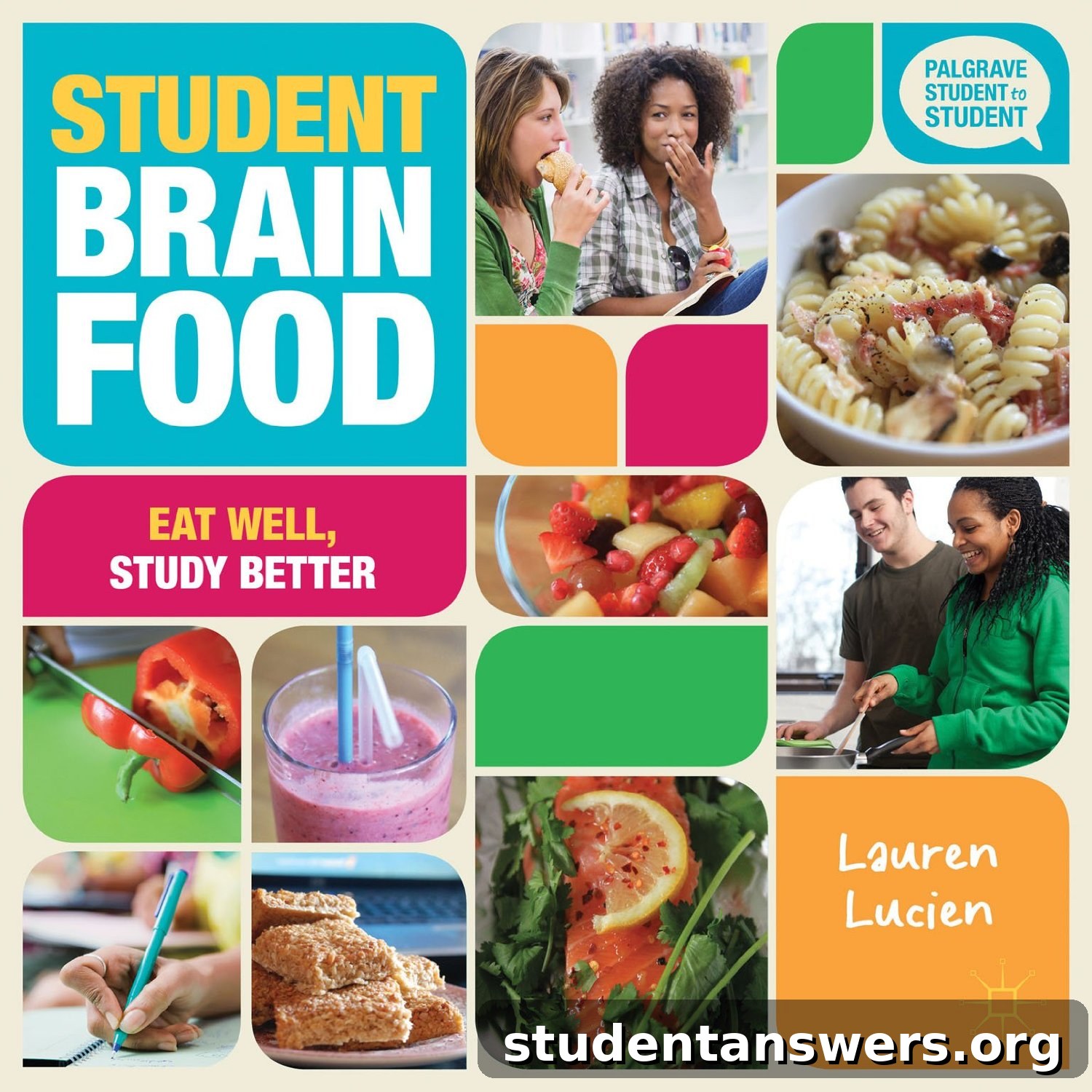
The cover of ‘Student Brain Food’ by Lauren Lucien.
The leap to university is a monumental step. It’s a time of newfound independence, exciting lectures, and late-night study sessions. But alongside academic pressures and a bustling social life comes a challenge that many students are unprepared for: the kitchen. For years, you’ve been told to “eat well” to fuel your brain, but how do you actually do that when your culinary experience is limited to making toast or boiling pasta? The sudden responsibility of planning, shopping for, and cooking your own meals can be daunting, often leading to a monotonous diet of instant noodles, frozen pizzas, and expensive takeaways.
This is a common struggle, but it doesn’t have to be your reality. Learning to cook at university is not just about survival; it’s about thriving. It’s an essential life skill that empowers you to take control of your health, your finances, and even your social life. But where do you start when the kitchen feels like a foreign land? This is where a good guide becomes invaluable. Recently, I had the chance to explore a book designed specifically for this purpose: “Student Brain Food” by Lauren Lucien. This review will delve into why this book might just be the perfect kitchen companion for any student starting their culinary journey, while also exploring the broader importance of mastering meals during your university years.
Why Learning to Cook at University is a Game-Changer
Before we dive into the specifics of the book, it’s crucial to understand why dedicating a little time to cooking is one of the best investments you can make as a student. The benefits extend far beyond simply having something to eat.
More Than Just Surviving: The Health Benefits
The term “brain food” isn’t just a catchy phrase. The food you eat directly impacts your cognitive function, energy levels, and overall well-being. A diet high in processed foods, sugar, and unhealthy fats can lead to energy slumps, difficulty concentrating, and a weakened immune system. By cooking your own meals, you gain complete control over the ingredients. You can reduce salt and sugar, increase your intake of fresh vegetables and lean proteins, and ensure you’re getting the vital nutrients your brain needs to perform at its best during exams and long study hours.
Your Wallet Will Thank You
Let’s be honest: student budgets are tight. The cost of daily takeaways, meal deals, and coffeeshop snacks adds up incredibly quickly. A single takeaway can often cost the same as the ingredients for three or four home-cooked meals. Learning to cook, especially how to utilize leftovers and plan meals, is one of the most effective money-saving strategies you can adopt. It frees up your limited funds for textbooks, social activities, or saving for the future.
A Skill for Life (and a Social Magnet)
Cooking is a fundamental life skill that you will use long after you’ve graduated. The confidence you build in the kitchen at university will serve you for decades. Furthermore, food is inherently social. Being able to cook a simple, delicious meal for your flatmates or friends is a fantastic way to bond. It can transform a quiet evening in your student halls into a memorable dinner party, fostering friendships and creating a sense of community.
A Lifeline for the Novice Chef: A Review of ‘Student Brain Food’
Recognizing the need for a simple, accessible guide, Lauren Lucien’s “Student Brain Food” aims to bridge the gap between knowing you *should* cook and knowing *how* to cook. It’s designed for the absolute beginner, the student who feels overwhelmed by the prospect of preparing a meal from scratch. Having explored its pages, it’s clear the book strikes an excellent balance between being practical and inspiring.
First Things First: Building Your Kitchen Confidence
For a complete beginner, the most intimidating part isn’t the cooking itself—it’s everything that comes before it. The first three chapters of “Student Brain Food” are dedicated to demystifying these crucial first steps. This section is arguably the most valuable part for a novice cook. It covers:
- Smart Shopping: The book provides guidance on what to buy, from essential pantry staples to the basic equipment you’ll need in a student kitchen. It helps you build a foundational “starter kit” without breaking the bank.
- Food Hygiene: This is a critical, often-overlooked topic, especially in shared kitchens. The book covers the basics of safe food handling, storage, and preparation to prevent illness.
- Basic Preparation: It walks you through fundamental techniques, taking the guesswork out of simple tasks that experienced cooks take for granted.
While a more seasoned cook might be tempted to skip this section, for its target audience, this foundational knowledge is priceless. It builds a solid base of confidence before you even turn on the stove.
From Simple Staples to Impressive Meals: The Recipes
Of course, the heart of any cookbook is its recipes, and “Student Brain Food” delivers a well-rounded collection that is perfectly suited for student life. The instructions are clear, concise, and easy to follow, eliminating the confusing jargon found in many professional cookbooks. The recipes I was immediately drawn to highlight the book’s versatility:
- Larry’s Chilli Con Carne: This is a quintessential student meal. It’s hearty, delicious, and perfect for batch cooking. You can make a large pot on a Sunday and have quick, tasty meals for the next few days. It’s a true time and money saver.
- Chocolate Brownies: Every student needs a go-to treat for movie nights, study group rewards, or a simple comfort food fix. This recipe is a huge hit, proving that baking doesn’t have to be complicated.
- Thai Green Chicken Curry: This dish is a great example of how the book helps you create something that feels a bit special without being overly difficult. It’s perfect for when you’re hosting friends and want to cook something a little more impressive than pasta.
The selection is varied, offering a good mix of quick lunches, satisfying dinners, and simple treats. The focus is always on achieving great flavour without requiring complex techniques or expensive, hard-to-find ingredients.
More Than a Cookbook: Extra Value for Students
What sets “Student Brain Food” apart from a generic recipe book is its additional, student-focused content. The back of the book includes useful links and information on topics like food intolerances and practical ideas for saving money on groceries. This shows a genuine understanding of the student experience, offering holistic advice that goes beyond just the recipes themselves.
The Final Verdict: Is ‘Student Brain Food’ a Worthy Investment?
In short, yes. I genuinely wish a book like this had been available when I started university. It would have saved me from a dreary diet of tinned meals and culinary confusion. It successfully finds the sweet spot between taste and simplicity. The recipes are accessible enough for a complete beginner to dive right in, yet they don’t compromise on flavour. It provides the tools not just to follow recipes, but to build genuine confidence and competence in the kitchen.
For its clear instructions, thoughtful structure, and perfectly targeted content, “Student Brain Food” earns a well-deserved 4 out of 5 stars. For a student stepping into a kitchen for the first time, it could easily be a 5-star lifesaver. It’s more than just a collection of recipes; it’s a foundational guide that can transform your university experience, making you healthier, wealthier, and a more capable adult. It’s an investment that will pay for itself many times over, not just in money saved on takeaways, but in the invaluable skill and confidence it imparts.