
Transform Your Student Rental Garden: A Budget-Friendly Guide
As a student, your shared house is more than just a place to sleep—it’s the hub of your social universe. While countless articles offer tips on personalizing your bedroom, one crucial area is often overlooked: the garden. When the sun finally makes an appearance, your outdoor space can transform from a neglected patch of grass into the ultimate venue for study sessions, barbecues, and late-night chats with housemates. Creating an inviting garden doesn’t have to be expensive or risk your security deposit. This comprehensive guide will walk you through simple, landlord-friendly ways to upgrade your student garden into a cherished oasis for making memories.
Embrace Container Gardening: The Ultimate Renter-Friendly Solution
The biggest hurdle in a rental property is the inability to make permanent changes. You can’t dig up the lawn or plant a tree, but you can create a lush, green paradise using pots and containers. Container gardening is the perfect solution for students; it’s temporary, portable, and gives you complete control over your plants.
Choosing Low-Maintenance Plants
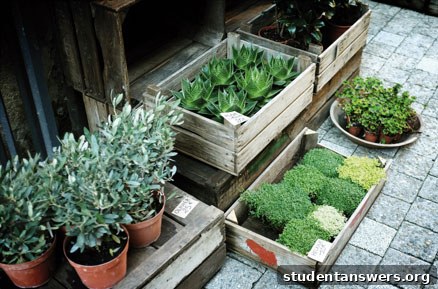
Let’s be realistic: between lectures, exams, and a social life, you need plants that can practically take care of themselves. Opt for hardy, low-maintenance varieties that can withstand a bit of neglect. Succulents and cacti are fantastic choices as they require minimal watering and look stylish. For a touch of color and resilience, consider plants like bergenia, with its large, glossy leaves, or golden creeping Jenny, which will beautifully trail over the sides of its pot. Other great options that thrive in containers include the ‘Golden Sword’ yucca and ‘Green Wood’ boxwood, which provide structure and greenery all year round.
Grow Your Own Herbs and Veggies
Why not make your garden productive? A small container herb garden is incredibly easy to maintain and can save you money on groceries. Plant essentials like mint (for mojitos!), basil, rosemary, and parsley. They’ll add wonderful scents to your garden and fresh flavors to your cooking. You could even try growing simple vegetables like cherry tomatoes, lettuce, or chili peppers in larger pots. There’s nothing more satisfying than harvesting your own produce for a shared house dinner.
Finding Affordable Pots and Containers
You don’t need to spend a fortune on containers. Check out local charity shops, car boot sales, or online marketplaces like Gumtree and Facebook Marketplace for second-hand pots. You can also get creative with upcycling. Old buckets, watering cans, or even wooden crates can be transformed into unique planters with a few drainage holes drilled in the bottom. This adds character and personality to your garden without breaking the bank.
Create Your Ultimate Outdoor Hangout: Seating on a Shoestring
A garden is only as good as its ability to host people comfortably. If you want to spend hours outdoors, you need a designated seating area. Even if your landlord hasn’t provided any garden furniture, creating a comfortable and practical space is easier and cheaper than you might think.
Source Free or Second-Hand Furniture
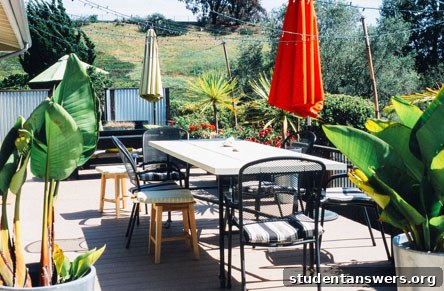
Before you buy anything new, explore the world of freebies. Many people give away old garden furniture for free when they upgrade. Check websites like Gumtree, Freecycle, or local university social media groups. Don’t worry if the items are mismatched or a bit weathered. A quick clean-up or a coat of paint can work wonders. The goal is functionality—as long as it’s sturdy and you can remove it at the end of your tenancy, it’s perfect.
The Classic Student DIY: Pallet Furniture
For the more hands-on student, wooden pallets are a fantastic free resource for building modular furniture. You can often find them for free at industrial estates or building supply stores (always ask for permission before taking them). Ensure they are heat-treated (marked with ‘HT’) and not chemically treated. Sand them down to avoid splinters, and then stack them to create benches, sofas, and coffee tables. This is a classic, budget-friendly project that can be surprisingly stylish.
Comfort is Key: Cushions and Textiles
Even the most basic furniture can be made comfortable. Invest in a few durable, weather-resistant garden cushions. They’ll not only add a layer of comfort but also inject color and style into your seating area. Look for options that will last the whole year and beyond. To take it a step further, bring out an outdoor rug to define the space and add a cozy, indoor-outdoor feel. Keep a few old blankets or throws handy for when the sun goes down, allowing you to continue your conversations late into the evening.
Set the Mood: Magical Lighting for Evening Gatherings
Your garden’s potential shouldn’t end when the sun sets. With the right lighting, you can transform your outdoor space into a magical, atmospheric setting perfect for evening get-togethers. Good lighting makes the space feel safer, cozier, and infinitely more inviting.

The Power of Solar
Solar-powered lights are a student’s best friend. They require zero wiring, don’t add a penny to your electricity bill, and are incredibly easy to install. During the day, they charge up in the sun, and as dusk falls, they automatically switch on. Warm yellow fairy lights are a classic choice for creating a cozy, welcoming glow. Drape them along fences, wrap them around tree branches, or string them across your seating area. For a more detailed guide on placement and styles, you can find helpful tips online that walk you through decorating with them.
Beyond Fairy Lights
While fairy lights are fantastic, don’t be afraid to mix and match different types of solar lighting. Solar-powered stake lights are perfect for illuminating a pathway or highlighting your favorite potted plants. Solar lanterns can be placed on tables or hung from branches to create beautiful focal points. This layering of light sources adds depth and visual interest to your garden, making it feel like a professionally designed space.
Bring Your Garden to Life: Welcoming Local Wildlife
Adding a touch of nature can make your city garden feel like a peaceful retreat. Encouraging local wildlife is a simple and rewarding way to enhance your outdoor space, providing a delightful distraction from your studies and connecting you with the natural world.
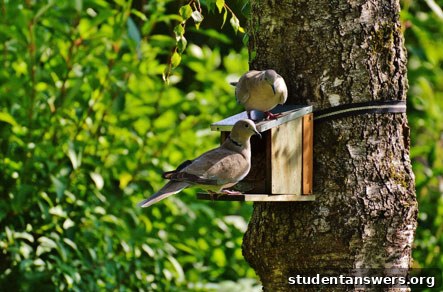
DIY a Bird Feeder
Hearing birds chirping in the morning is a wonderful way to start the day. You can easily attract feathered friends by making a simple bird feeder. There are countless ideas online, from simple pine cone feeders covered in peanut butter and seeds to more elaborate designs made from recycled plastic bottles. It’s a fun, creative project to do with your housemates. Just be sure to follow safety guidelines, like those from the RSPB, to keep your new visitors healthy and safe.
Support the Pollinators
You can also help the local ecosystem by creating a haven for bees and other pollinators. Plant flowers like lavender, marigolds, or sunflowers in your pots. Not only will they add vibrant color, but they will also provide essential food for bees. You could even build a simple “bee hotel” from a bundle of hollow bamboo canes tied together. It’s a small effort that makes a big difference.
By following these simple, affordable, and temporary tips, you can transform a drab student garden into a beautiful and functional outdoor space. You’ll create a personal sanctuary for studying, a vibrant hub for socializing, and a place where you’ll make countless memories that will last long after you’ve graduated.