
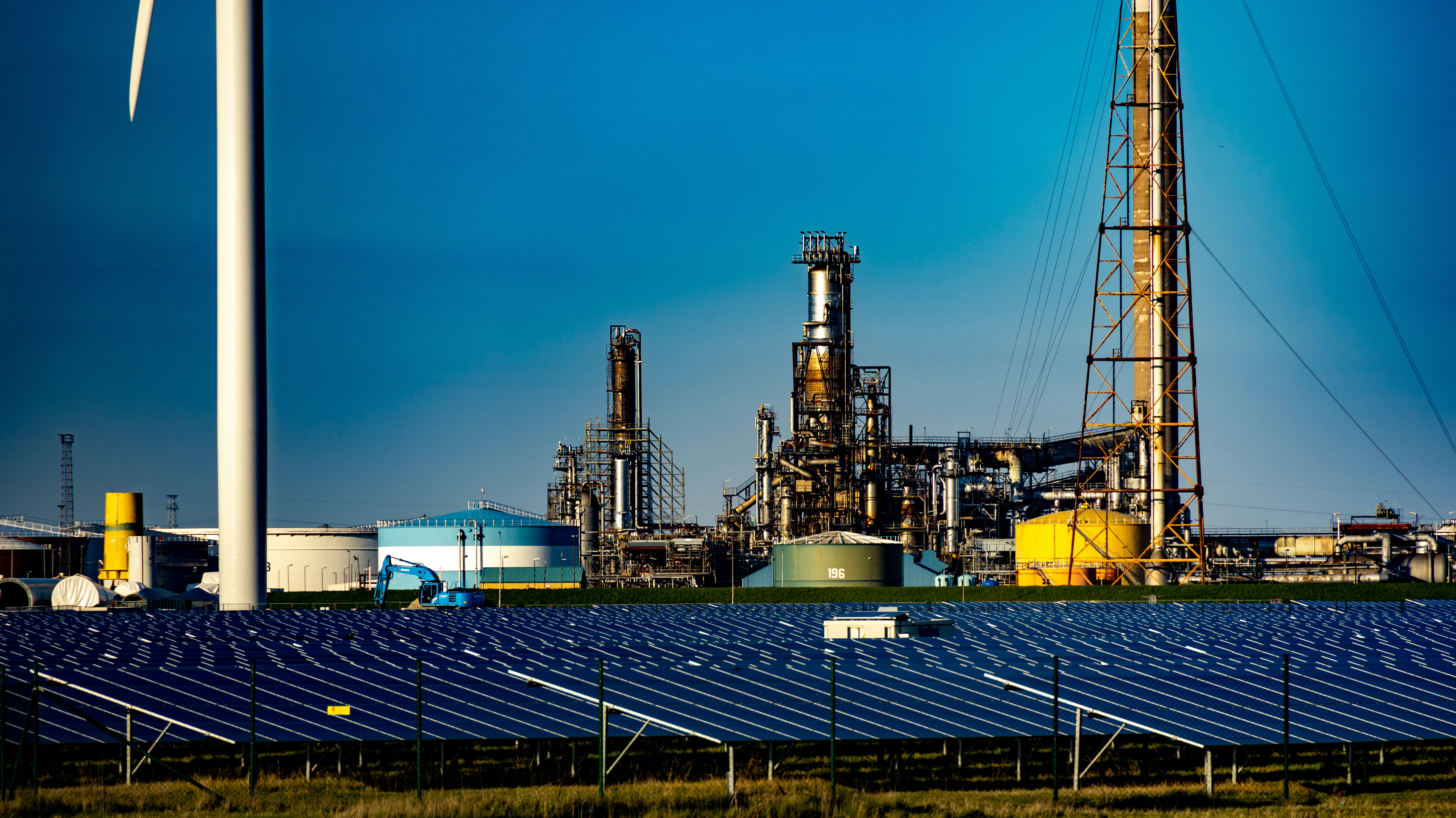
Introduction to Renewable Energy and Its Importance
Renewable energy sources play a crucial role in today’s efforts to mitigate environmental challenges. Among these sources, solar, wind, hydroelectric, and geothermal energy stand out for their potential to considerably reduce environmental impact. Unlike fossil fuels, renewable energy is generated from naturally replenished resources, which means they can supply energy continuously without depleting the Earth’s resources.
Solar energy harnesses sunlight through photovoltaic cells and solar thermal systems, allowing for electricity generation in a sustainable manner. Wind energy, on the other hand, utilizes wind turbines to convert kinetic energy from wind into electricity. Both energy sources have seen significant advancements, largely due to increased government investments that fortify infrastructure and technological innovations. As governments invest heavily in solar and wind technologies, there is a pronounced shift toward sustainable energy solutions.
Moreover, hydroelectric power is generated by harnessing the energy derived from flowing water, making it one of the oldest and most well-established renewable energy sources. Geothermal energy relies on heat from beneath the Earth’s surface, which can be tapped for both heating and electricity generation. Each of these sources contributes to a comprehensive strategy for addressing climate change, air pollution, and resource depletion.
By transitioning to renewable energy sources, countries can significantly reduce their greenhouse gas emissions and inhibit the detrimental effects of traditional energy production methods. This transition not only supports sustainability but also creates new job opportunities worldwide, thereby driving economic growth alongside environmental preservation. Embracing renewable energy is essential for creating a more sustainable future, as it undeniably reduces the environmental impact while paving the way for technological advancements and job creation.
The Environmental Benefits of Renewable Energy Sources
Renewable energy sources play a significant role in mitigating environmental challenges. One of the primary advantages is the considerable reduction of carbon emissions. Fossil fuel combustion, traditionally the backbone of energy supply, is responsible for a significant portion of greenhouse gas emissions, which contribute to climate change. By transitioning to renewable energy sources, such as solar and wind, communities can substantially lower their carbon footprints, thereby helping to combat the urgency of global warming.
Additionally, reliance on renewable energy sources reduces the dependence on fossil fuels, an essential element for sustainable development. Governments invest heavily in solar and wind technologies, recognizing the need to minimize the exploitation of finite resources that not only deplete over time but also pose risks to the environment through extraction processes and pollution. The shift towards renewables enables countries to create a more robust energy portfolio that can sustain future demands while preserving our planet’s resources.
Another critical environmental benefit is the preservation of ecosystems. Renewable energy systems often have a smaller ecological footprint compared to their traditional counterparts. For example, solar farms and wind turbines can be installed on previously used land or in areas less disruptive to wildlife. This careful planning and design help in minimizing habitat destruction and biodiversity loss, ensuring that ecosystems remain intact for future generations.
Moreover, by reducing air pollutants associated with fossil fuels, renewable energy sources promote better air quality. Cleaner air contributes to improved public health outcomes, as populations experience fewer respiratory and cardiovascular issues tied to pollution. Evidently, the transition to renewable energy sources not only serves environmental purposes but also enhances the quality of life for communities globally.
In conclusion, the shift to renewable energy sources is a vital component in the broader effort to protect the environment. By recognizing the multifaceted benefits, including reduced carbon emissions, decreased reliance on fossil fuels, and improved air quality, society can make informed decisions that promote sustainability for the future.
Government Investments in Solar and Wind Technologies
The advancement of renewable energy, particularly solar and wind technologies, has gained significant attention from governments around the world. This attention is largely driven by the need to combat climate change and reduce environmental impact. Governments invest heavily in solar and wind technologies through a multifaceted approach that includes financial incentives, research funding, and international collaborations. These efforts not only facilitate the transition to clean energy but also highlight the critical role public policy plays in fostering a sustainable energy market.
Financial incentives are a key component of governmental strategies to promote renewable energy sources. Many countries have introduced subsidies, tax credits, and grants for both producers and consumers of solar and wind energy. These incentives lower the barriers to entry, making it easier for businesses and individuals to invest in renewable technologies. For instance, in the United States, the federal Investment Tax Credit (ITC) has significantly boosted solar installations by providing homeowners and businesses with a 26% tax credit on the cost of solar systems.
In addition to financial support, research and development funding is crucial for driving innovation in solar and wind technologies. Governments allocate substantial resources to universities and research institutions to enhance the efficiency and scalability of renewable energy solutions. As a case in point, the European Union has invested billions in research initiatives aimed at improving wind turbine design and performance, underscoring the commitment to harnessing renewable energy sources to mitigate climate change.
International agreements also play a vital role in promoting the adoption of renewable energy. Treaties like the Paris Agreement foster collaboration between nations, promoting shared goals for reducing carbon emissions and transitioning towards sustainable energy solutions. As countries commit to increasing their reliance on renewable energy sources, these collective efforts support the global shift towards cleaner energy, creating new job opportunities worldwide in the process.
Economic Impact of the Transition to Renewable Energy
The transition to renewable energy sources presents significant economic implications for nations worldwide. By investing in solar and wind technologies, governments not only aim to combat climate change but also drive economic growth and improve energy independence. Such investments lead to the formation of a sustainable economy where reliance on fossil fuels diminishes, thereby reducing volatility in energy prices that often arises from geopolitical tensions and resource scarcity.
One of the principal advantages of harnessing renewable energy is the creation of new job opportunities. The renewable energy sector requires various skill sets, from engineering and project management to installation and maintenance, potentially employing millions globally. As more governments invest heavily in solar and wind technologies, we can expect substantial job growth across manufacturing, research and development, and service industries. This job creation will stimulate local economies while enhancing workforce opportunities for individuals in both urban and rural areas.
Furthermore, transitioning to renewable energy sources reduces environmental impact, thereby decreasing healthcare costs associated with pollution. Clean energy technologies, such as wind and solar, generate electricity without depleting natural resources or emitting harmful pollutants. This results in healthier populations and, consequently, lower healthcare expenditures for governments and families alike. Additionally, diversification of energy sources is vital; it provides resilience against market fluctuations and creates a more stable economic landscape.
By embracing renewable energy, countries not only contribute to environmental sustainability but also position themselves for economic advancement. As the global community increasingly recognizes these advantages, ongoing investment in renewable energy sources is essential for fostering durable economies that are both environmentally conscious and economically viable. In conclusion, the shift to renewable energy sources must be seen as a strategic priority for long-term energy security and overall social and economic well-being.
Job Creation in the Renewable Energy Sector
The expansion of renewable energy sources significantly contributes to job creation worldwide. As governments invest heavily in solar and wind technologies, the demand for skilled labor is increasing across various sectors. This investment not only boosts the economy but also plays a vital role in promoting sustainable development. In particular, the renewable energy sector encompasses a wide range of roles, including manufacturing, installation, maintenance, and research and development.
In the manufacturing sector, jobs are created in the production of solar panels, wind turbine components, and batteries. These positions often require expertise in engineering, logistics, and quality control, thereby providing opportunities for individuals with a technical background. Solar and wind installation jobs have also risen dramatically, as skilled technicians are needed to set up and maintain these systems. This industry often recruits from local communities, providing employment opportunities to a diverse workforce.
Moreover, research and development are crucial for advancing renewable energy technologies. As the world moves toward greener energy solutions, professionals in physics, materials science, and environmental engineering are in demand for creating more efficient systems. This shift towards innovative technology not only presents an array of job opportunities for skilled workers but also stimulates economic growth in nations striving for energy independence and environmental sustainability.
The demographic landscape in renewable energy is also evolving. Women and underrepresented groups are increasingly participating in this sector, propelled by initiatives aimed at increasing inclusivity. As renewable energy sources reduce environmental impact and enhance economic opportunities, the prospects for job growth appear robust in both developed and developing nations. Various training programs and educational initiatives are being established to equip workers with the necessary skills to thrive in this dynamic field.
Challenges and Barriers to Renewable Energy Adoption
Despite the growing awareness of the benefits of renewable energy sources, significant challenges continue to hinder their widespread adoption. One major obstacle is the inadequacy of infrastructure, particularly in regions where traditional energy systems have dominated for decades. The existing grid systems are often not equipped to efficiently integrate renewable energy sources like solar and wind, which can lead to reliability issues and inefficiencies in energy distribution. Upgrading these infrastructures requires substantial investments and updates, which can be a daunting task for many governments and private stakeholders.
Financing is another significant barrier to the adoption of renewable energy technologies. Initial costs for renewable projects, such as solar or wind farms, can be considerably high, deterring investors and stakeholders. Though operational costs tend to decrease over time, the upfront capital required poses a risk for potential investors. Furthermore, securing long-term financing can be challenging due to fluctuating political and economic climates, which can affect return on investment. Without committed financial support, the transition to renewable energy sources that reduce environmental impact may stall.
Political resistance also plays a role in impeding progress. In many regions, policymakers may be reluctant to shift away from fossil fuels due to influence from established energy companies or concerns about job losses in traditional sectors. This resistance can manifest into policies that favor fossil fuel energy, creating an uneven playing field for renewable energy developments. Public perception, often influenced by misinformation or a lack of understanding of renewable technologies, further complicates this issue. Without widespread public support, it becomes increasingly difficult for governments to justify investments in renewable energy projects.
Addressing these challenges is essential for accelerating the transition to renewable energy. By developing effective strategies that tackle infrastructure limitations, improve financing mechanisms, navigate political landscapes, and enhance public perception, the global community can better harness renewable energy sources and realize their environmental and economic potential.
Innovations and Trends in Renewable Energy Technologies
The renewable energy sector is experiencing rapid advancements, particularly in solar and wind technologies, which are pivotal for reducing environmental impact. These innovations not only enhance energy efficiency but also drive the transition toward a more sustainable energy landscape. A key area of development is energy storage solutions, which are essential for addressing the intermittent nature of solar and wind energy. Technologies such as lithium-ion batteries, flow batteries, and emerging alternatives like solid-state batteries are improving energy storage capacity and longevity, making renewable energy sources more reliable.
Moreover, the integration of smart grid technologies plays a significant role in optimizing the use of renewable energy. Smart grids facilitate real-time monitoring and management of energy resources, allowing for more efficient distribution and consumption of electricity generated from renewable sources. This advancement contributes to lower operational costs and enhances grid resilience, enabling a seamless transition to renewable energy systems. With governments investing heavily in solar and wind technologies, we can expect a proliferation of smart grid implementations in the near future.
Offshore wind farms represent another exciting trend within the renewable energy landscape. These installations take advantage of stronger and more consistent winds found over oceans, thus increasing energy output and efficiency. As technology advances, the development of larger and more efficient turbines is expected to enhance the viability of offshore wind projects, promoting energy independence and sustainability. The expansion of this sector not only aids in the transition to renewable energy but also creates new job opportunities worldwide, further catalyzing economic growth and environmental stewardship. Through these innovations, renewable energy sources continue to pave the way for a sustainable future while addressing the urgent need for smart climate solutions.
Role of Communities in Promoting Renewable Energy
Local communities play a crucial role in the promotion and implementation of renewable energy projects, acting as catalysts for change in the global energy landscape. By taking charge of their energy needs, these communities can create innovative solutions tailored to their specific contexts. Community-driven initiatives, such as solar cooperatives and local wind farms, have gained traction as effective models for harnessing renewable energy sources reduce environmental impact. These initiatives not only provide sustainable energy options but also foster community engagement and cohesion.
Solar cooperatives are a prime example of how communities can collectively invest in renewable energy. By pooling resources, individuals can access solar panel installations at reduced costs, making them more feasible for households and local businesses. Moreover, these cooperatives empower people by giving them ownership over their energy production, thereby reducing dependence on fossil fuels and enhancing energy resilience. Similarly, local wind farms offer opportunities for communities to generate clean, renewable energy while creating jobs and stimulating local economies. This collaborative approach fosters a sense of ownership and accountability, which is vital for the long-term success of renewable energy initiatives.
Education and community engagement are fundamental to driving the renewable energy movement. By raising awareness about the benefits of renewable energy and providing resources for individuals to understand technology, communities can empower their members to take action. Workshops, informational sessions, and local demonstrations help share knowledge on energy efficiency programs, ensuring that residents understand how these initiatives can reduce energy costs and environmental impact. This grassroots approach enhances the likelihood of successful implementation, as informed citizens are more likely to advocate for and participate in renewable energy projects.
Conclusion: The Future of Renewable Energy
The transition to renewable energy sources is increasingly recognized as a critical component in addressing the multifaceted challenges of climate change and environmental degradation. As nations grapple with the adverse impacts of fossil fuel dependency, renewable energy technologies, particularly solar and wind energy, offer promising alternatives that can significantly reduce environmental impact. Governments globally are investing heavily in these technologies not only to mitigate climate change but also to foster economic growth and create new job opportunities worldwide.
Investments in renewable energy have seen a substantial rise in recent years; these investments are essential for enhancing energy security and driving technological innovation. This shift towards cleaner energy solutions is beneficial not only for the environment but also for the economy, as the renewable energy sector produces millions of jobs and stimulates local economies. The integration of renewable energy sources into the power grid results in sustainable electricity generation, which can significantly reduce greenhouse gas emissions and enhance public health by improving air quality.
<pmoreover, a="" accelerate.="" accessible="" adoption="" against="" an="" and="" as="" become="" burgeoning="" cater="" communities="" cost-effective,="" demands="" economic="" employment="" energy="" equipped="" experience="" fluctuations.="" global="" growing="" impact="" improved="" in="" increased="" independence,="" infrastructure="" is="" likely="" local="" more="" needs="" of="" often="" opportunities,="" p="" population.
Ultimately, the continuous investment in and development of renewable energy sources will be pivotal in navigating towards a sustainable future. It is imperative for individuals, communities, and policymakers alike to advocate for and actively participate in the transition towards renewable energy, ensuring a cleaner, healthier planet for future generations.
This content has been prepared by the Studentanswers editorial team for educational and informational purposes only. We recommend consulting a qualified professional before making any personal decisions.


