
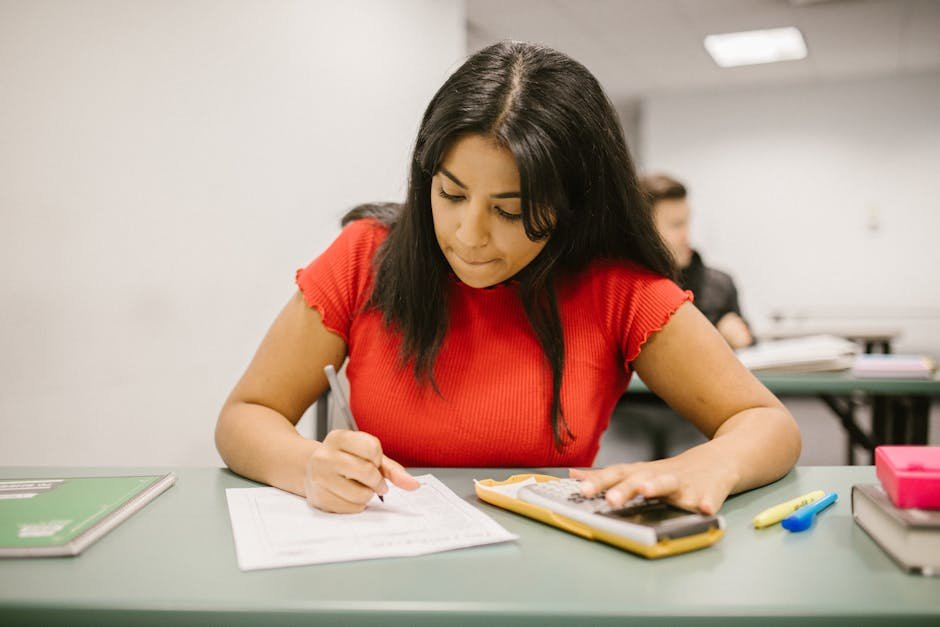
Okay, so I have a really big exam coming up – it’s for my organic chemistry class, and it basically determines my grade. I know the material (mostly!), I’ve been studying really hard. But I get so incredibly anxious during exams. Like, blank-mind, can’t-remember-my-own-name anxious. I’ve had panic attacks before in exams, and I’m terrified of that happening again.
I’m not just worried about failing; I’m worried about the anxiety itself crippling me. I’m looking for practical, actionable advice on how to calm my nerves before the exam and how to deal with the stress during it.
Things like: what to think, what to do the morning of, what to do right before I walk in, and any tricks to use if I feel my mind starting to go blank during the exam. I’ve tried just telling myself to "relax," but that’s completely useless. I need something more concrete. Should I try meditating? Is there some specific breathing exercise that actually works? Is there anything I can bring into the exam with me (like a lucky charm or something) that will help? Any and all suggestions are welcome! Please help!
Answer
To prepare yourself mentally for an exam, consider the following strategies:
1. Cultivate a Positive Mindset:
- Challenge Negative Thoughts: Identify and actively challenge negative thoughts or beliefs about your abilities or the exam’s difficulty. Replace them with positive affirmations, such as "I am prepared," "I can handle this," or "I have the skills to succeed."
- Visualize Success: Spend time visualizing yourself confidently taking the exam, answering questions accurately, and feeling a sense of accomplishment afterward. This can help reduce anxiety and boost your confidence.
- Focus on Strengths: Remind yourself of your strengths and past successes. Acknowledge areas where you excel and focus on leveraging those strengths during the exam.
- Accept Imperfection: Recognize that perfection is unattainable. Aim to do your best, but accept that mistakes are part of the learning process. Don’t let the fear of making mistakes paralyze you.
2. Manage Stress and Anxiety:
- Practice Relaxation Techniques: Implement relaxation techniques like deep breathing exercises, meditation, or progressive muscle relaxation to calm your nerves and reduce stress levels. Practice these techniques regularly, especially in the days leading up to the exam.
- Engage in Physical Activity: Regular physical activity can help reduce stress and improve your mood. Exercise releases endorphins, which have mood-boosting effects.
- Ensure Adequate Sleep: Prioritize getting enough sleep in the days and weeks leading up to the exam. Sleep deprivation can impair cognitive function and increase anxiety.
- Limit Caffeine and Sugar Intake: Excessive caffeine and sugar can exacerbate anxiety symptoms. Limit your intake of these substances, especially on the day of the exam.
- Time Management and Planning: Create a realistic study schedule and stick to it. Breaking down the material into manageable chunks can reduce feelings of overwhelm.
3. Optimize Your Study Environment:
- Create a Dedicated Study Space: Establish a quiet, organized, and comfortable study space free from distractions.
- Minimize Distractions: Turn off electronic devices, silence notifications, and let others know that you need uninterrupted time to study.
- Use Effective Study Techniques: Experiment with different study techniques, such as active recall, spaced repetition, and concept mapping, to find what works best for you.
4. Exam-Day Strategies:
- Arrive Early: Arriving early allows you to settle in, familiarize yourself with the exam environment, and avoid rushing.
- Read Instructions Carefully: Take the time to carefully read and understand the exam instructions before you begin.
- Plan Your Time: Allocate your time wisely based on the number of questions and their point values.
- Start with Easier Questions: Begin with the questions you feel most confident answering. This can build momentum and boost your confidence.
- Stay Focused: Maintain your focus and avoid dwelling on difficult questions. If you get stuck, move on and come back to it later.
- Trust Your Preparation: Trust that you have prepared adequately and that you have the knowledge and skills to succeed.
- Avoid Comparing Yourself to Others: Focus on your own performance and avoid comparing yourself to other test-takers.
- Stay Positive: Maintain a positive attitude throughout the exam. Even if you encounter challenging questions, remind yourself that you can handle them.
- Review Your Answers: If time permits, review your answers to catch any errors or omissions.
- Breathe: If you feel overwhelmed during the exam, take a few deep breaths to calm your nerves.
5. Self-Care and Well-being:
- Maintain a Healthy Diet: Eat nutritious meals and snacks to fuel your brain and body.
- Stay Hydrated: Drink plenty of water to stay hydrated, as dehydration can impair cognitive function.
- Take Breaks: Schedule regular breaks during study sessions to avoid burnout. Use these breaks to relax, stretch, or engage in activities you enjoy.
- Connect with Others: Talk to friends, family, or classmates about your anxieties and concerns.
- Seek Professional Help: If you are struggling with significant anxiety or stress, consider seeking professional help from a therapist or counselor.

