How can I stay motivated and focused on my studies?
Okay, so I’m really struggling to stay on top of my coursework. I’m a university student, studying history, and honestly, the reading list is just… endless. It feels like every time I finish one chapter, there are three more waiting for me. I want to do well, I really do, but I just keep getting distracted.
Sometimes it’s social media, other times it’s just that I’d rather be doing anything else. I procrastinate constantly, then feel guilty, which just makes me want to procrastinate more. I’ve tried making schedules, but I never stick to them. I also feel like I’m not retaining the information I’m reading, which makes it even less motivating.
I’m also working part-time to pay for my studies, so I’m pretty tired a lot of the time, which I’m sure isn’t helping. I’m also comparing myself to my friends who seem to have everything figured out, and that just makes me feel even worse. What are some practical tips and strategies that actually work for someone like me, who’s genuinely trying but constantly failing to stay focused and motivated? I’m open to anything, from study techniques to time management strategies to ways to boost my overall mood and energy levels. Please help!
Answer
To stay motivated and focused on your studies, consider these strategies:
I. Goal Setting and Planning:
- Break Down Large Tasks: Divide large assignments or study topics into smaller, more manageable chunks. This makes the overall task seem less daunting and provides a sense of accomplishment as you complete each smaller part.
- Set Specific, Measurable, Achievable, Relevant, and Time-Bound (SMART) Goals: Define exactly what you want to achieve, how you will measure progress, whether the goal is realistic, how it relates to your overall objectives, and when you want to achieve it by. For example, instead of "study for the exam," set a goal like "review chapter 3 of the textbook and complete 10 practice problems by Friday evening."
- Prioritize Tasks: Use techniques like the Eisenhower Matrix (urgent/important) or simply create a daily to-do list, ranking tasks based on their importance and deadlines. Focus on completing the most critical tasks first.
- Create a Study Schedule: Allocate specific times for studying each subject or working on assignments. Treat these scheduled times as appointments and stick to them as much as possible. Factor in breaks and time for other activities to avoid burnout. Use a planner, calendar app, or digital tool to track your schedule.
- Plan Rewards: Set up a system of rewards for achieving milestones or completing study sessions. This could be something small, like watching an episode of your favorite show, or something more significant, like going out with friends.
II. Optimizing Your Study Environment:
- Choose a Dedicated Study Space: Find a quiet and comfortable place where you can focus without distractions. This could be a library, a study room, or a designated area in your home. Ensure the space is well-lit and organized.
- Minimize Distractions: Identify and eliminate common distractions, such as social media, email notifications, and background noise. Turn off your phone or use website blockers to limit access to distracting websites.
- Ergonomics: Set up your study space ergonomically to prevent physical discomfort. Use a comfortable chair, adjust your monitor to eye level, and ensure proper posture.
- Gather Necessary Materials: Before starting a study session, gather all the materials you need, such as textbooks, notes, pens, and calculators. This will prevent you from having to interrupt your flow to search for items.
III. Active Learning and Engagement:
- Active Recall: Instead of passively rereading notes, actively try to recall information from memory. Use techniques like flashcards, practice questions, or teaching the material to someone else.
- Spaced Repetition: Review material at increasing intervals to reinforce learning and improve retention. This technique helps to transfer information from short-term to long-term memory.
- Elaboration: Connect new information to what you already know. Explain concepts in your own words, create examples, or draw diagrams to deepen your understanding.
- Concept Mapping: Visually organize information by creating concept maps or mind maps. This can help you see the relationships between different ideas and improve your comprehension.
- Vary Study Methods: Experiment with different study techniques to find what works best for you. Try reading, writing, summarizing, teaching, or creating visual aids.
- Engage with the Material: Ask questions, participate in class discussions, and seek clarification from your teachers or classmates when you don’t understand something.
- Find a Study Group: Studying with others can provide motivation, support, and different perspectives on the material. Collaborate on assignments, quiz each other, or discuss challenging concepts.
IV. Maintaining Physical and Mental Wellbeing:
- Get Enough Sleep: Aim for 7-8 hours of sleep per night to improve concentration, memory, and overall cognitive function.
- Eat a Healthy Diet: Nourish your brain with a balanced diet that includes fruits, vegetables, whole grains, and lean protein. Avoid processed foods, sugary drinks, and excessive caffeine.
- Stay Hydrated: Drink plenty of water throughout the day to stay hydrated and maintain energy levels.
- Exercise Regularly: Physical activity can reduce stress, improve mood, and boost cognitive function. Aim for at least 30 minutes of moderate-intensity exercise most days of the week.
- Take Breaks: Schedule regular breaks during study sessions to avoid burnout. Get up and move around, stretch, or do something relaxing.
- Practice Mindfulness and Relaxation Techniques: Engage in activities that help you relax and reduce stress, such as meditation, yoga, or deep breathing exercises.
- Manage Stress: Identify and manage sources of stress in your life. Seek support from friends, family, or a counselor if you are feeling overwhelmed.
- Limit Screen Time Before Bed: Avoid using electronic devices for at least an hour before bed, as the blue light emitted from screens can interfere with sleep.
V. Cultivating a Positive Mindset:
- Focus on Your Strengths: Recognize and celebrate your accomplishments. Focus on what you are good at and build on your strengths.
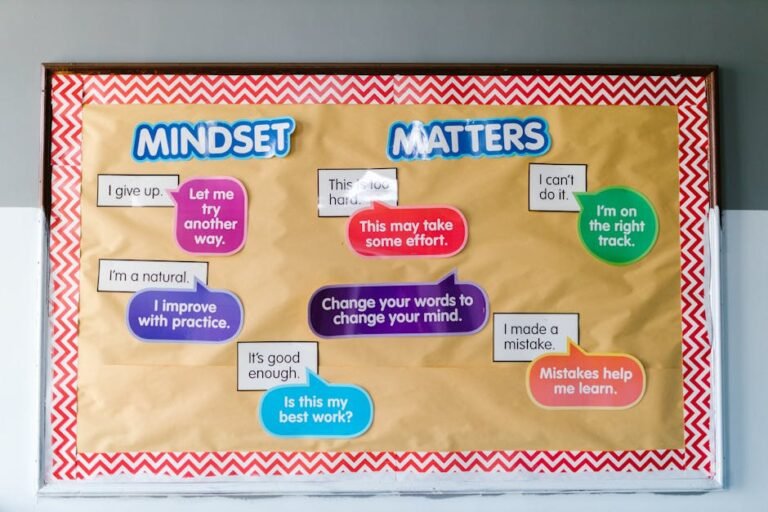
- Challenge Negative Thoughts: Identify and challenge negative thoughts that can undermine your motivation and confidence. Replace them with positive and realistic affirmations.
- Practice Gratitude: Take time to appreciate the positive aspects of your life. This can help you maintain a positive outlook and stay motivated.
- Visualize Success: Imagine yourself achieving your goals. This can help you build confidence and stay focused on your objectives.
- Seek Inspiration: Read books, watch videos, or listen to podcasts that inspire you and motivate you to pursue your goals.
- Remember Your "Why": Remind yourself of the reasons why you are pursuing your studies. This can help you stay motivated when you face challenges.
- Be Kind to Yourself: Don’t be too hard on yourself when you make mistakes or experience setbacks. Learn from your experiences and keep moving forward.
VI. Seeking Support:
- Talk to Your Teachers or Professors: If you are struggling with a particular subject or assignment, don’t hesitate to seek help from your teachers or professors.
- Utilize Campus Resources: Take advantage of the resources available on campus, such as tutoring services, writing centers, and counseling centers.
- Connect with Classmates: Form study groups or simply connect with classmates to share notes, discuss concepts, and support each other.
- Talk to Friends and Family: Share your struggles and successes with your friends and family. Their support can be invaluable.
- Consider a Mentor or Coach: Find a mentor or coach who can provide guidance, support, and accountability.
By implementing these strategies consistently, you can cultivate a strong sense of motivation and focus, leading to greater academic success and a more fulfilling learning experience. Remember to be patient with yourself, experiment with different approaches, and find what works best for you.
This content has been prepared by the Studentanswers editorial team for educational and informational purposes only. We recommend consulting a qualified professional before making any personal decisions.