
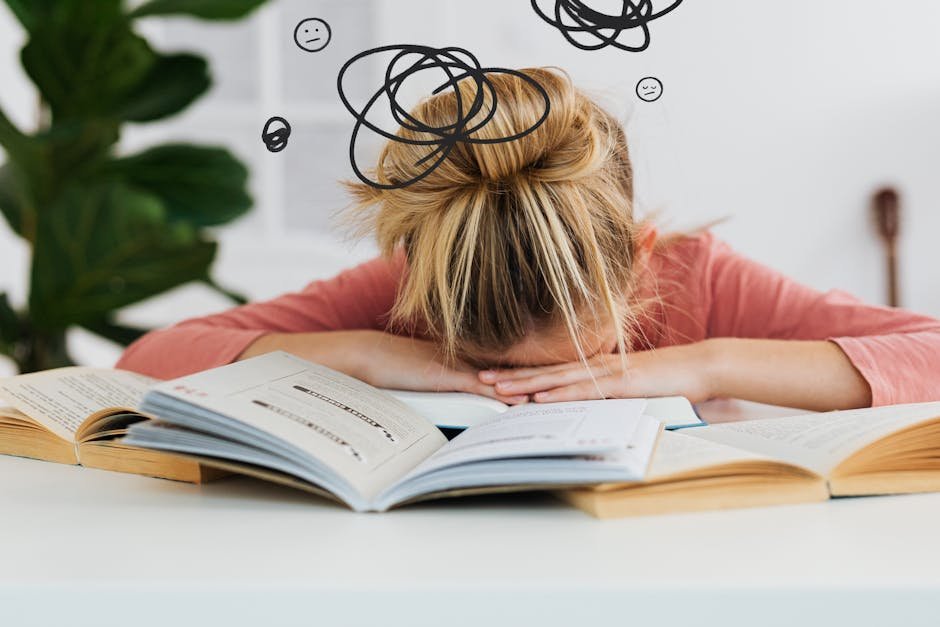
Okay, so I have these HUGE exams coming up in a couple of weeks, and honestly, I’m a mess. I’m so anxious I can barely focus on studying. My heart races, my palms sweat, I can’t sleep, and I keep imagining myself completely blanking out in the exam room. It’s seriously impacting my ability to learn and retain information. Everyone keeps telling me to "relax" but that’s the last thing I can actually do.
I’ve heard people mention mindfulness and meditation as tools for managing anxiety. I’m wondering if anyone has actually used mindfulness techniques to help them with exam anxiety specifically? Like, what specific techniques are helpful? How often should I practice them? And how long does it take to actually see a difference? I’m not looking for general stress-reducing advice (though that would be nice!), I need concrete strategies I can use to get through this exam period without completely falling apart. Also, I’m a beginner – I’ve never really meditated before, so anything too complicated will probably just stress me out more!
Answer
Mindfulness, the practice of paying attention to the present moment without judgment, can be a powerful tool in managing and reducing exam anxiety. Its benefits stem from its ability to alter our relationship with thoughts and emotions, interrupt the anxiety cycle, and enhance our ability to focus and cope under pressure. Here’s a detailed look at how mindfulness assists in combating exam anxiety:
1. Interrupting the Anxiety Cycle:
-
Breaking the Feedback Loop: Exam anxiety often involves a self-perpetuating cycle. Worrying about the exam leads to physical symptoms (e.g., racing heart, sweating), which then trigger more worry ("Oh no, I’m panicking, I’m going to fail!"), intensifying the physical symptoms. Mindfulness helps break this cycle by bringing awareness to the present moment rather than getting caught up in future-oriented worries or ruminating about past performance. By noticing thoughts and physical sensations as they arise without judgment, individuals can prevent them from spiraling out of control.
- Decentering from Thoughts: Mindfulness encourages the practice of "decentering," which involves recognizing that thoughts are just thoughts, not necessarily facts or truths. An anxious student might have the thought, "I’m going to fail this exam." Through mindfulness, they can learn to observe this thought without immediately believing it or letting it dictate their behavior. This creates distance between the individual and their anxiety-provoking thoughts, reducing their power.
2. Managing Physical Symptoms:
-
Body Scan Meditations: Body scan meditations involve systematically focusing attention on different parts of the body, noticing any sensations without judgment. This practice increases awareness of physical tension and discomfort associated with anxiety, such as muscle tightness or stomach upset. By simply observing these sensations, individuals can learn to accept them without resistance, which can paradoxically lead to a reduction in their intensity.
- Mindful Breathing: Deep, diaphragmatic breathing is a cornerstone of many mindfulness practices. When anxious, people tend to breathe shallowly and rapidly, which can exacerbate physical symptoms. Mindful breathing involves focusing attention on the breath, noticing the rise and fall of the abdomen, and slowing the breath down. This activates the parasympathetic nervous system (the "rest and digest" response), which counteracts the effects of the sympathetic nervous system (the "fight or flight" response) triggered by anxiety. It lowers heart rate, reduces blood pressure, and promotes a sense of calm.
3. Enhancing Focus and Concentration:
-
Present Moment Awareness: Anxiety pulls attention away from the task at hand, making it difficult to study effectively or perform well on an exam. Mindfulness cultivates present moment awareness, allowing individuals to direct their attention to the current task rather than being distracted by worries or intrusive thoughts. This enhanced focus can improve study efficiency and test-taking performance.
- Reducing Mental Chatter: A busy, anxious mind is filled with mental chatter – a constant stream of thoughts, worries, and judgments. Mindfulness helps to quiet this mental chatter by training the mind to focus on a single point of reference, such as the breath or a body sensation. With practice, individuals can learn to gently redirect their attention back to the present moment whenever their mind wanders, reducing the disruptive effects of anxious thoughts.
4. Improving Emotional Regulation:
-
Acceptance and Non-Judgment: Mindfulness emphasizes acceptance of emotions, even unpleasant ones like anxiety. Instead of trying to suppress or avoid anxiety, individuals are encouraged to observe it with curiosity and without judgment. This acceptance can paradoxically reduce the intensity of the emotion. Resisting or fighting against anxiety often intensifies it.
- Developing Compassion: Mindfulness practices often incorporate self-compassion exercises, which involve extending kindness and understanding to oneself, especially during times of difficulty. Exam anxiety can lead to self-criticism and feelings of inadequacy. Self-compassion helps to counter these negative self-judgments, fostering a more supportive and encouraging inner dialogue. This can reduce feelings of shame and inadequacy, which can fuel anxiety.
5. Building Resilience:
-
Developing Coping Skills: Regular mindfulness practice equips individuals with a range of coping skills that can be used to manage anxiety in various situations, including exams. These skills include the ability to regulate emotions, focus attention, and accept difficult experiences.
- Increasing Self-Awareness: Mindfulness cultivates self-awareness, allowing individuals to recognize their triggers for anxiety and identify their typical responses to stress. This awareness can help them to develop personalized strategies for managing their anxiety more effectively.
Specific Mindfulness Techniques for Exam Anxiety:
- Mindful Breathing Exercises: Practice taking slow, deep breaths before, during, or after studying. Focus on the sensation of the breath entering and leaving the body.
- Body Scan Meditations: Regularly practice body scan meditations to increase awareness of physical tension and promote relaxation.
- Mindful Studying: Pay attention to the material being studied without judgment. If the mind wanders, gently redirect it back to the text.
- Mindful Test-Taking: Before starting the exam, take a few deep breaths to calm the nerves. During the exam, if anxiety arises, pause briefly, notice the sensation, and then gently redirect attention back to the question.
- Loving-Kindness Meditation: Practice sending feelings of kindness and compassion to oneself, especially when feeling stressed or anxious.
Implementing Mindfulness:
- Consistency is Key: The benefits of mindfulness are best realized through regular practice. Aim for even just a few minutes of daily practice.
- Start Small: Begin with short, guided meditations or simple breathing exercises and gradually increase the duration as comfortable.
- Use Resources: Utilize guided meditation apps, online resources, or mindfulness courses to learn and deepen the practice.
- Be Patient: It takes time and effort to develop mindfulness skills. Be patient with yourself and don’t get discouraged if the mind wanders.
By consistently incorporating mindfulness practices into daily life, students can develop the skills and resilience needed to manage exam anxiety effectively and perform to their full potential. It’s important to remember that mindfulness is not a quick fix, but a long-term practice that can have profound benefits for mental and emotional well-being.

